
How to Keep Outdoor and Indoor Plants Alive in Winter

Frost coats the porch railing on a crisp morning, and the potted herbs suddenly look limp and pale. Keeping greenery safe through the cold comes down to a simple routine: bring cold-sensitive containers inside before freezing nights arrive, and drape breathable covers over outdoor beds to trap warmth from the soil.
The exact protection each plant needs depends on where its roots sit and how much chill it can handle. Soil inside an above-ground pot freezes days before garden earth does, leaving container roots vulnerable to biting winds. Inside the home, running furnaces dry out the air while shorter daylight slows plant thirst, so giving pots less water prevents root rot. Here is how to shield outdoor beds, protect patio containers, and keep indoor foliage thriving until spring.
Which plants need to come inside before a freeze?
Not every plant requires rescue when winter weather arrives. Cold-hardy perennials and native yard shrubs naturally enter plant winter rest, slowing their growth to endure freezing weather safely in the soil. Cold-sensitive plants from tropical or desert climates, however, lack natural defenses against freezing air. Water inside their leaf cells expands into ice crystals, rupturing the cell walls and turning the foliage into mush within hours.
Sort your plants before nighttime temperatures drop near 45 degrees Fahrenheit. Potted houseplants that spent summer on a patio should move inside first because sharp temperature drops cause shock and leaf drop. Use this checklist to decide what stays outdoors and what comes inside:
- Tropical houseplants: Bring in snake plants, monsteras, pothos, and palms when night temperatures drop below 50 degrees Fahrenheit.
- Citrus trees and potted fruits: Move lemons, limes, and figs indoors or into an unheated garage before the first freeze hits 32 degrees Fahrenheit.
- Succulents and cacti: Cold-sensitive succulents like jade plants and echeverias must move inside, while cold-hardy varieties like hens-and-chicks can stay outdoors.
- Annual bedding flowers: Tender annuals like petunias and impatiens fade with the first freeze, so let them finish their cycle or take small cuttings to root indoors.
- Hardy garden perennials: Hostas, daylilies, and established shrubs stay outside because their root systems rest insulated beneath the soil.
How do you cover outdoor garden plants properly?
Covering garden plants does not generate warmth like a winter coat warms a person. Instead, covers capture heat radiating from the ground and hold it around plant branches. If you drape a blanket incorrectly or let fabric press tightly against leaves, freezing wind transfers through the cloth and kills the foliage.
Timing matters as much as your covering technique. You must trap ground warmth before it radiates away into the evening air, which means installing covers in late afternoon while the sun still shines. Follow these steps to cover your beds and shrubs:
- Water the soil around your plants: Moisten the ground a few hours before the freeze arrives. Moist soil holds and radiates four times more heat than dry dirt, acting as a natural radiator under the blanket. Keep the foliage completely dry.
- Insert garden stakes around sensitive plants: Push wooden stakes or wire tomato cages into the soil around your shrubs. These supports prevent heavy fabrics from resting on tender leaves and snapping brittle branches under wind or frost.
- Drape a breathable frost blanket over the framework: Spread a woven cover over your stakes so the fabric reaches all the way to the soil line. Never tie the cloth around the trunk like a lollipop, because that prevents soil heat from rising into the canopy.
- Weigh down the edges flat against the ground: Pin the cloth edges securely using bricks, rocks, soil bags, or metal garden staples. Sealing the edges prevents freezing drafts from blowing underneath and keeps the wind from lifting your blanket.
- Remove the covers the next morning: Lift the blankets once the morning frost melts and outdoor air climbs above freezing. Leaving covers on during warm, sunny afternoons traps excessive heat and tricks dormant buds into opening early.
Why do potted plants freeze faster than garden beds?
In-ground plants rely on surrounding soil to shield their roots from rapid temperature swings. A plant growing in a porch pot or window box lacks that deep ground cushion. Cold air attacks the container from the top, sides, and bottom simultaneously, dropping root zone temperatures within hours.
During a hard freeze, which happens when temperatures drop cold enough to freeze soil solid, container root balls freeze into solid ice blocks. Frozen roots cannot draw up moisture. Winter wind drying then pulls the remaining moisture out of the evergreen foliage, dehydrating the plant from the top down.
If you cannot move heavy patio planters into a garage, cluster them together against the south-facing exterior wall of your house. The home structure radiates heat overnight, blocking frigid north winds. Pack dead leaves, straw, or bubble wrap between the pots to insulate root zones. Wrapping the outer sides of each planter with burlap or thermal wraps protects the roots without cracking your decorative pots. When you step outside to insulate heavy containers in freezing wind, knowing how to keep warm in winter outdoors keeps the heavy lifting safe and comfortable.
How should you adjust indoor plant care during winter?
Houseplants face a totally different set of challenges once winter begins. Shorter daylight hours cause indoor plants to slow their growth and enter plant winter rest. Because their growth slows down, houseplants consume far less moisture than they do during sunny summer months.
Overwatering is the single most common cause of houseplant death during winter. Cold, soggy potting soil suffocates root systems and quickly leads to root rot. Check the soil by inserting your finger two inches into the pot before watering. If the dirt feels moist or sticks to your skin, wait several days. For most indoor varieties, cutting your watering schedule in half keeps root systems firm and healthy.
Forced-air furnaces also dry out household air, stressing plants and encouraging spider mites. Position your pots at least three feet away from heating vents, radiators, and drafty exterior entryways. Grouping houseplants together creates a natural pocket of shared humidity through leaf transpiration. Setting pots on shallow trays filled with pebbles and water elevates local moisture without soaking root balls. Balancing your indoor environment keeps your greenery thriving while you practice how to keep warm in winter in the house without drying out living spaces.
What winter plant care mistakes should you avoid?
Gardeners often harm their plants during winter by doing too much. Routine summer habits and panicked fixes cause far more damage than cold weather alone. Avoid these common winter gardening mistakes:
- Placing bare plastic directly on leaves: Plastic conducts freezing cold directly into plant tissue wherever it touches, scorching foliage. If you use plastic film to shed sleet, always place a cotton sheet or woven cloth underneath as a buffer.
- Fertilizing during the resting season: Feeding plants during plant winter rest prompts tender new growth that freezes and turns black overnight. Halt all fertilizer routines by late autumn and resume feeding when active spring growth appears.
- Cutting away damaged stems too soon: Dead, brown foliage looks untidy, but it insulates the plant crown and lower stems from future freezes. Delay all major pruning until late winter or early spring once freezing hazards pass.
- Leaving standing water in drainage saucers: Runoff water sitting in saucers chills the root ball and breeds root rot. Empty saucers thirty minutes after watering your indoor pots.
- Leaving frost blankets on during warm days: Keeping blankets draped over garden beds during sunny afternoons traps heat and condensation, which rots leaves and promotes mold.
What plant protection covers should you look for?
Old bedsheets and blankets work for brief chills, but purpose-built freeze protection fabrics offer far better defense against sustained winter storms. Modern frost fabrics use breathable non-woven material that lets light, water, and air pass through while locking in radiant warmth from the ground. This breathability stops moisture from collecting on leaves, reducing the danger of mildew and rot during extended freezes.
Match the cover style to your specific garden layout. Continuous frost fabric rolls work best for draping over wide vegetable beds, strawberry rows, or long hedges. For individual shrubs, fruit trees, or outdoor pots, plant jackets featuring heavy-duty zippers and bottom drawstrings keep covers anchored during winter gales. For compact perennial flowers or low garden starts, rigid cloche domes with metal ground pins create sturdy personal shelters that deflect wind and heavy snow.
Check the fabric density and fastening methods before buying plant covers. Lightweight row fabrics provide mild frost defense and allow excellent light transmission for everyday protection. Heavier thermal fleece fabrics shield plants against harsh sub-freezing temperatures, but they block more sun and require removal during mild spells. Sturdy ties, grommets, and drawstring closures ensure your plant blankets stay firmly anchored when fierce winter storms hit your yard.

- BWP Score9.4
BWP Score is a ranking system developed by Bestwinterproducts.com. BWP score has no relationship or impact from any manufacturers or sales agent websites. Learn more
- BrandJUNKOGO

- BWP Score9.2
BWP Score is a ranking system developed by Bestwinterproducts.com. BWP score has no relationship or impact from any manufacturers or sales agent websites. Learn more
- BrandZtzfacai
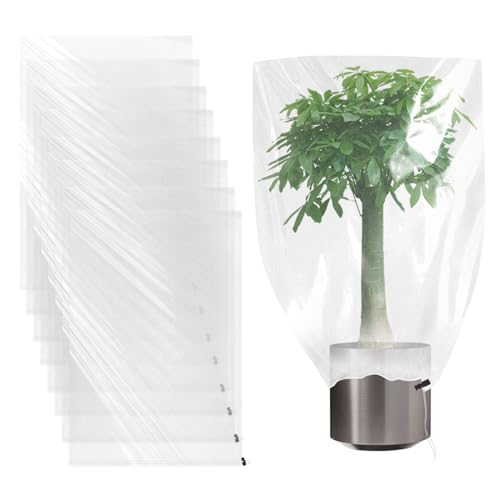
- BWP Score9.0
BWP Score is a ranking system developed by Bestwinterproducts.com. BWP score has no relationship or impact from any manufacturers or sales agent websites. Learn more
- BrandKlmnop

- BWP Score8.8
BWP Score is a ranking system developed by Bestwinterproducts.com. BWP score has no relationship or impact from any manufacturers or sales agent websites. Learn more
- BrandWilt-Pruf
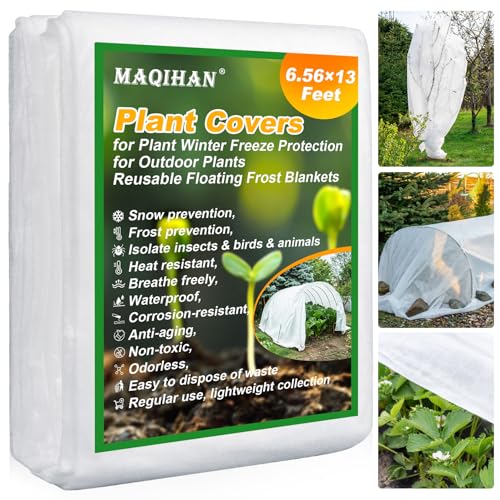
- BWP Score8.8
BWP Score is a ranking system developed by Bestwinterproducts.com. BWP score has no relationship or impact from any manufacturers or sales agent websites. Learn more
- BrandMAQIHAN

- BWP Score8.8
BWP Score is a ranking system developed by Bestwinterproducts.com. BWP score has no relationship or impact from any manufacturers or sales agent websites. Learn more
- BrandMorTime

- BWP Score8.6
BWP Score is a ranking system developed by Bestwinterproducts.com. BWP score has no relationship or impact from any manufacturers or sales agent websites. Learn more
- BrandGarutom

- BWP Score8.6
BWP Score is a ranking system developed by Bestwinterproducts.com. BWP score has no relationship or impact from any manufacturers or sales agent websites. Learn more
- BrandCMINGJ

- BWP Score8.4
BWP Score is a ranking system developed by Bestwinterproducts.com. BWP score has no relationship or impact from any manufacturers or sales agent websites. Learn more
- BrandRooTrimmer

- BWP Score8.4
BWP Score is a ranking system developed by Bestwinterproducts.com. BWP score has no relationship or impact from any manufacturers or sales agent websites. Learn more
- BrandStorey Publishing
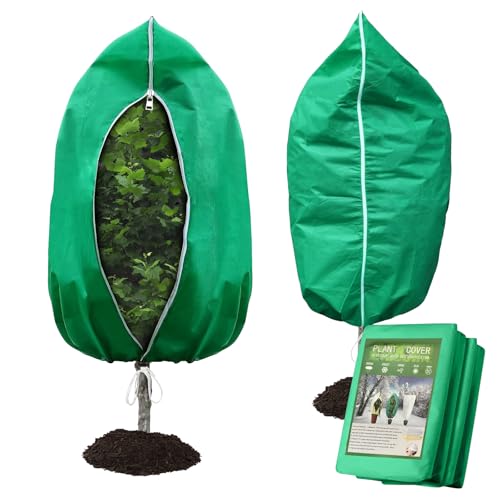
- BWP Score8.2
BWP Score is a ranking system developed by Bestwinterproducts.com. BWP score has no relationship or impact from any manufacturers or sales agent websites. Learn more
- BrandHEKIWAY
Last update on 2026-10-02 / Affiliate links / Images, Product Titles, and Product Highlights from Amazon Product Advertising API
FAQs
Can outdoor plants survive freezing weather without covers?
Hardy native perennials, established shrubs, and dormant deciduous trees easily withstand normal freezing weather without covers. Their sap retreats toward the roots during plant winter rest to protect inner cell walls. Cold-sensitive annuals, newly planted shrubs, and exposed potted root balls, however, require shelter or covers to survive freezing temperatures.
Why does clear plastic freeze plant leaves?
Clear plastic lacks insulating air pockets and conducts external cold straight to plant tissue. When damp foliage touches cold plastic during a freeze, leaf cells freeze solid and die. If you use plastic sheeting to block freezing rain, always place a breathable fabric layer underneath to keep plastic away from the leaves.
How do you know if a plant died from frost?
Frost-damaged foliage turns limp, water-soaked, and dark before eventually turning brown and brittle. To check if the plant remains alive, use your thumbnail to scratch the outer bark on a main branch. Green, moist tissue underneath confirms the plant survived, whereas brittle brown tissue signals dead wood.
Should you prune dead-looking branches right after a freeze?
Leave damaged branches alone until freezing weather completely ends in spring. Dead leaves and stems create a natural shield that insulates living tissue deeper inside the plant canopy. Pruning also triggers tender new growth that will freeze during the next cold snap, causing further harm.


Best Warm Winter Scarves 2026 For Cozy Comfort

Best Green Ski Goggles 2026 For Clear Vision On Slopes

12 Best Corner Electric Fireplace 2026: My Ultimate Guide To Pick One

Best Battery Powered Snow Blower 2026 For Effortless Snow Clearing

Best Ski Goggles Under 30 Inches For Crisp Vision And Comfort

Best Cooling Scarf 2026 For Instant Relief And Comfort

Fake Snow for Grass: Create a Realistic Winter Lawn Display

Dimplex Prism Wall Mount Fireplace: Sleek Heat With Modern Flame Style





