
How to Keep Plants Warm During Winter

Saving plants from winter cold comes down to trapping rising ground warmth under breathable fabric covers before sunset and shielding vulnerable root balls from icy air. How far to go depends on where each plant lives and how hard the temperature drops. In-ground garden soil holds onto daytime warmth naturally, but containers leave roots exposed to freezing air on every side, while indoor greens face sudden drafts from chilly window glass.
A light frost usually calls for a quick fabric drape or a fresh layer of mulch over garden perennials. A multi-day hard freeze, however, requires wrapping container pots tight and moving tender houseplants away from drafty windows. Taking a few simple steps before darkness settles keeps foliage green and root systems safe until spring returns.
The Short Version
- Water garden beds early in the afternoon: Damp soil holds daytime heat far better than dry soil, radiating warmth upward toward the foliage through the night.
- Trap ground warmth before dusk: Cover outdoor plants with breathable woven plant fabric before the sun goes down, draping covers all the way to the dirt to seal in rising soil heat.
- Insulate container roots: Move outdoor pots against warm brick walls, cluster them together, and wrap planter sides to keep the root ball from freezing solid.
- Shield indoor plants from cold drafts: Move houseplants away from chilly window glass, keep them clear of drying heater vents, and warm seed flats using certified heating pads.
Emergency Freeze Steps: What to Do Before Tonight's Freeze
When a sudden cold snap threatens your yard, taking action a few hours before nightfall makes the difference between thriving greenery and blackened, ruined stems. Follow these simple steps in order as soon as a freeze warning appears on your local weather forecast.
- Soak the soil by early afternoon: Give the soil around your plants a thorough soaking while the sun is still high. Wet soil acts as a thermal sponge, soaking up solar energy during the day and slowly releasing that warmth upward into the plant canopy overnight. Keep the water strictly on the ground, because wet leaves freeze quickly once temperatures drop below 32 degrees Fahrenheit.
- Push support stakes into the dirt: Gather bamboo stakes, tall tomato cages, or wooden dowels and push them firmly into the ground around your plants. These supports create a sturdy tent frame. You want your protective fabric resting on the wooden stakes rather than pressing directly against fragile leaf tips, which freeze if heavy wet fabric clings to them.
- Drape covers before sunset: Head outside while the air still holds some warmth. Dressing in practical layers just like you would when learning how to keep warm in winter outdoors makes this late-afternoon chore quick and comfortable. Spread your fabric loosely over the plant supports so the material hangs down on all sides like a tent, reaching all the way to the soil.
- Weigh down the outer edges: Seal the hem of your cover tightly against the dirt using bricks, heavy rocks, patio pavers, or metal garden staples. Do not cinch the fabric around the main trunk like a piece of candy. The heat you are capturing comes directly from the earth, so the bottom of the tent must remain wide open to the ground while keeping freezing wind from slipping underneath the edges.
Protecting In-Ground Garden Beds with Mulch and Fabric
The ground beneath your garden is a massive source of stored warmth. Deep in the earth, temperatures remain relatively stable throughout the cold months. Winter damage happens when subfreezing air chills the top few inches of dirt and tears through delicate, exposed foliage. Protecting garden beds comes down to blanketing the soil and trapping rising ground warmth.
Start by spreading a thick blanket of mulch, which is loose ground cover like straw or bark chips, across your planting beds. A three-to-four-inch layer of dry straw, chopped autumn leaves, or shredded wood mulch works like home attic insulation. It slows down heat loss from the soil and keeps the shallow root system warm. Pull the mulch back an inch or two from woody shrub trunks to prevent bark rot, but blanket the wider root zone out to the plant drip line.
Above ground, use frost cloth, which is a breathable woven plant fabric designed specifically for gardening. Unlike solid tarps, breathable fabric allows air and moisture to pass through while reflecting rising ground heat back down onto the plant. Lightweight garden fabrics protect against light frosts down to about 28 degrees Fahrenheit, while heavier freeze blankets offer extra thermal cushion during deep freezes. Make sure the fabric drapes completely to the ground on all four sides so rising earth warmth stays trapped inside the canopy.
Sheltering Outdoor Potted Plants from Hard Freezes
Container plants face a much harsher winter environment than plants in garden beds. A potted plant lacks the vast insulating mass of the surrounding earth. Cold winter air swirls around the top, sides, and bottom of the planter. This exposure causes the root ball, which is the roots and soil packed together, to freeze solid in just a few hours. Use this checklist to protect your patio containers before freezing weather arrives.
- Move pots to a warm wall: Shift your containers directly against a south-facing or west-facing exterior home wall, especially if your house has brick or stone siding. Masonry absorbs sunlight all day long and creates a microclimate, a warm pocket near a sunny wall that radiates heat through the night.
- Cluster containers tightly together: Group all your potted plants side by side. Place your most sensitive plants in the center of the cluster, surrounded by hardier evergreens and larger containers. Grouping pots together allows the root balls to shield one another from cutting winter winds.
- Wrap the pot walls: Insulate the outside of each pot using double-insulated foil pot covers, heavy burlap, or bubble wrap secured with packing tape or twine. Adding two or three layers of insulation around the container walls slows soil heat loss and prevents the roots from turning into a frozen block.
- Lift pots off icy ground: Never leave potted plants sitting directly on cold concrete slabs or stone patio pavers. Concrete draws warmth out of planters rapidly through direct contact. Slide wooden boards, pot feet, or thick cardboard sheets under the base of your containers to break this thermal bridge.
Keeping Indoor Houseplants and Seed Trays Warm
Indoor plants avoid the snow, but winter brings its own set of dangers inside your home. Drafty windows, falling night temperatures, and blast furnace air from central heating ducts stress tropical houseplants and stall tender young seedlings.
Window glass becomes shockingly cold once the sun sets. Tropical foliage resting against a frozen windowpane will suffer tissue collapse, leaving leaves blackened and scarred within hours. Move your houseplants two to three feet away from exterior windows during the coldest months. If your window frames feel drafty, sealing them with temporary draft stoppers or stick-on foam weatherstripping makes a noticeable difference. Following practical steps on how to keep warm in winter in the house protects both your household heating budget and your indoor greenery.
Keep your indoor plants well away from heat sources. Placing a houseplant directly over a floor heating vent, near a radiator, or next to a portable space heater quickly dries out the soil and scorches the leaf margins. Central heating drops indoor humidity sharply, so grouping your houseplants on a tray filled with pebbles and water helps maintain healthy moisture levels around their foliage.
If you are rooting plant cuttings or starting vegetable seedlings in late winter, standard room temperatures often leave potting soil too cold for healthy root growth. A flat, waterproof seedling heat mat placed directly under your seed flats provides gentle, steady bottom warmth. These mats use far-infrared heating technology to safely elevate the root zone temperature by 10 to 20 degrees above the room temperature, maintaining an ideal 68 to 86 degree range. Set the heating mat on a dry, level table, keep electrical cords safely routed away from standing runoff water, and monitor moisture levels daily since bottom heat dries small seedling cells faster.
Winter Plant Care Traps to Avoid
Many well-meaning plant owners accidentally damage their greenery during cold snaps by using the wrong materials or timing. Knowing what not to do is just as important as knowing what steps to take.
The most common mistake is draping bare plastic sheeting, clear painter tarps, or plastic trash bags directly over plant leaves. Plastic has virtually zero insulating value and conducts freezing temperatures instantly. Moisture condenses on the underside of the plastic, freezes into an ice layer, and kills any foliage it touches. If you must use a waterproof tarp to block heavy freezing rain or sleet, always spread a soft cloth sheet or burlap layer underneath first, or use a wooden frame to keep the plastic completely suspended away from the foliage.
Another dangerous trap is leaving protective covers sealed tightly on bright, sunny mornings. A covered plant acts like a miniature greenhouse when morning sunlight hits it. Air temperatures beneath a closed blanket can jump past 85 degrees Fahrenheit within an hour, even if the outdoor air remains chilly. This sudden, intense heat tricks dormant plants into waking up early and steams soft leaves. Vent your plant covers by lifting the southern side mid-morning once temperatures rise above freezing, or remove the covers entirely so fresh air circulates freely.
Avoid soaking the root zone during extended spells of overcast, freezing weather. While moist soil protects plants against a brief freeze, waterlogged soil during a long cold stretch cuts off oxygen and rots cold roots. Chilled root systems drink water very slowly. Check the soil moisture with your finger before adding water, keeping the dirt evenly damp like a wrung-out sponge rather than sopping wet.
Choosing the Right Plant Warming Gear
Having dependable winter plant supplies ready in your garage saves you from scrambling when sudden freezing weather hits your area. When shopping for plant protection equipment, focus on durable, practical items that match your local winter conditions.
For garden beds and landscape shrubs, choose breathable woven plant fabric, often sold as frost blankets or floating row covers. Check the fabric weight listed on the package. Lightweight covers weighing around 1 ounce per square yard provide good frost protection while allowing light and rain to pass through, making them suitable for long-term use over cool-season vegetables. Heavier blankets made of thick non-woven material provide superior insulation against hard freezes down into the high 20s, but they block more sunlight and work best during temporary cold snaps. Look for covers with built-in drawstrings or reinforced hems that make securing them against winter wind easy.
For container gardens, look for dedicated pot jackets constructed from double-insulated foil or thick synthetic materials that resist mold, rot, and mildew. Measure the height and diameter of your largest planters before buying to verify the wraps will cover the containers from top to bottom. Models with hook-and-loop fasteners or drawstrings simplify wrapping and unwrapping pots without tearing the material.
For indoor seed starting and plant propagation, select seedling heat pads that carry certified safety marks, such as UL or ETL listings. A certified heating pad ensures the internal heating wire meets strict electrical safety standards for damp indoor environments. Look for durable, waterproof PVC construction that cleans easily, and choose a size that fits comfortably under your seed trays without hanging over the edge of your table or plant bench.

- BWP Score9.2
BWP Score is a ranking system developed by Bestwinterproducts.com. BWP score has no relationship or impact from any manufacturers or sales agent websites. Learn more
- BrandVIVOSUN

- BWP Score9.0
BWP Score is a ranking system developed by Bestwinterproducts.com. BWP score has no relationship or impact from any manufacturers or sales agent websites. Learn more
- BrandVIVOSUN
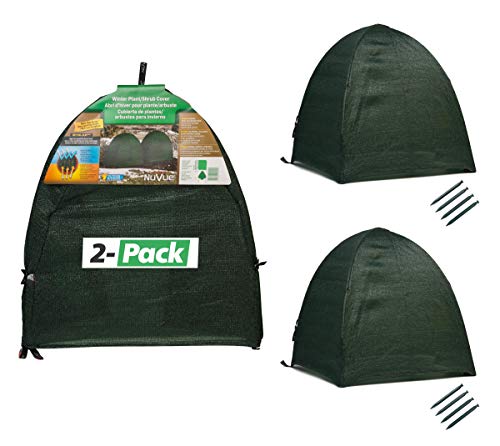
- BWP Score9.0
BWP Score is a ranking system developed by Bestwinterproducts.com. BWP score has no relationship or impact from any manufacturers or sales agent websites. Learn more
- BrandNuVue
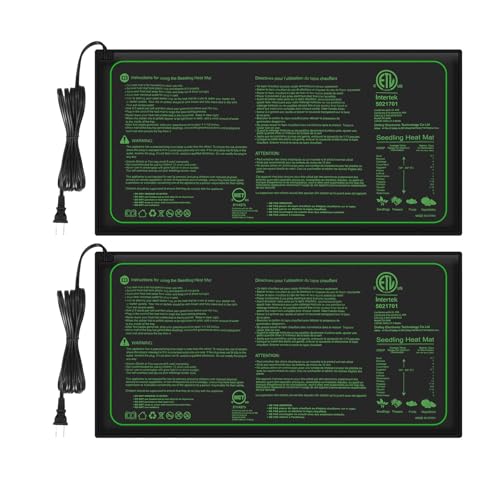
- BWP Score9.0
BWP Score is a ranking system developed by Bestwinterproducts.com. BWP score has no relationship or impact from any manufacturers or sales agent websites. Learn more
- BrandRuyyi
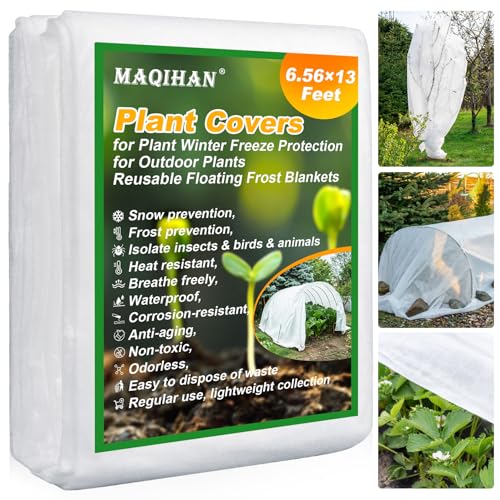
- BWP Score8.8
BWP Score is a ranking system developed by Bestwinterproducts.com. BWP score has no relationship or impact from any manufacturers or sales agent websites. Learn more
- BrandMAQIHAN

- BWP Score8.8
BWP Score is a ranking system developed by Bestwinterproducts.com. BWP score has no relationship or impact from any manufacturers or sales agent websites. Learn more
- BrandAlpineReach

- BWP Score8.8
BWP Score is a ranking system developed by Bestwinterproducts.com. BWP score has no relationship or impact from any manufacturers or sales agent websites. Learn more
- BrandLYDTICK
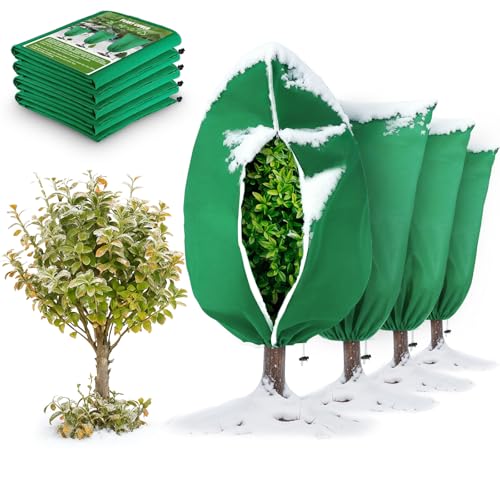
- BWP Score8.0
BWP Score is a ranking system developed by Bestwinterproducts.com. BWP score has no relationship or impact from any manufacturers or sales agent websites. Learn more
- BrandClebay

- BWP Score6.8
BWP Score is a ranking system developed by Bestwinterproducts.com. BWP score has no relationship or impact from any manufacturers or sales agent websites. Learn more
- BrandCOZYDIG

- BWP Score6.4
BWP Score is a ranking system developed by Bestwinterproducts.com. BWP score has no relationship or impact from any manufacturers or sales agent websites. Learn more
- BrandFarm Plastic Supply

- BWP Score-
BWP Score is a ranking system developed by Bestwinterproducts.com. BWP score has no relationship or impact from any manufacturers or sales agent websites. Learn more
- BrandOFFSCH
Last update on 2026-10-02 / Affiliate links / Images, Product Titles, and Product Highlights from Amazon Product Advertising API
FAQs
Can I use plastic grocery bags or tarps to protect my plants from a freeze?
You can use plastic tarps or bags, but never let the plastic touch your plant's leaves. Plastic conducts freezing cold directly into plant tissue, which bursts plant cells and turns wet leaves into black mush wherever they make contact. If you need to use plastic to block snow or sleet, always drape an old bedsheet, canvas drop cloth, or burlap over the plant first to create a protective insulating barrier.
When should I take frost covers off my plants the next morning?
Remove your frost covers or prop open the sides once the morning sun is up and air temperatures climb above freezing, typically between 9:00 AM and 10:00 AM. Leaving covers tightly sealed on sunny days traps intense solar heat, which can easily overheat and steam your plants. If the weather forecast calls for continuous subfreezing temperatures all day, leave breathable fabrics in place to preserve soil warmth.
Why do potted plants die in the cold faster than plants in garden beds?
In-ground plants are protected by the vast thermal mass of the earth, which stays relatively warm several feet down. Potted plants sit elevated in small containers where subfreezing air attacks the soil from the top, the bottom, and all four sides. Without thick surrounding ground soil to buffer the drop in temperature, the entire root ball freezes solid quickly, killing tender root tips even if the upper foliage looks unharmed.
How do I know if freezing winter weather killed my plant or if it is just dormant?
Check your plant by gently scratching the outer bark of a main stem using your thumbnail or a clean pocketknife. If the thin layer directly beneath the outer bark is moist and bright green, the branch is alive and simply resting for winter. If the tissue underneath is dry, brown, and brittle, that stem has died. Leave dead-looking branches in place until warm spring weather arrives, as old growth shields lower buds from late frosts.


Best Warm Winter Scarves 2026 For Cozy Comfort

Best Green Ski Goggles 2026 For Clear Vision On Slopes

12 Best Corner Electric Fireplace 2026: My Ultimate Guide To Pick One

Best Battery Powered Snow Blower 2026 For Effortless Snow Clearing

Best Ski Goggles Under 30 Inches For Crisp Vision And Comfort

Best Cooling Scarf 2026 For Instant Relief And Comfort

Fake Snow for Grass: Create a Realistic Winter Lawn Display

Dimplex Prism Wall Mount Fireplace: Sleek Heat With Modern Flame Style





