
How to Keep Rabbits Warm During the Winter

Rabbits need windproof shelter and deep straw. While healthy rabbits handle dry cold surprisingly well, freezing drafts and damp air will quickly cause dangerous chills. Keeping them safe comes down to blocking bitter wind while preserving ventilation, stuffing sleeping boxes full of dry golden straw, and making sure drinking water never freezes solid. A well-fed rabbit tucked into a dry, insulated nest can handle frosty days with ease.
The exact setup depends on your rabbit's housing and health. An outdoor hutch exposed to snow and driving rain demands far more weatherproofing than an enclosure tucked inside a quiet garage or shed. Older rabbits, thin pets, and single bunnies also lose body heat much faster than a bonded pair snuggling together. Here is how to winterize their space and spot the warning signs of cold stress early.
Rabbits Struggle When Temperatures Drop Below Freezing
Rabbits tolerate brisk winter weather better than summer heat thanks to their dense undercoats. A healthy adult rabbit with a full winter coat stays comfortable between 50°F and 60°F. When outdoor temperatures fall below 45°F, you must monitor your pet daily. Once the thermometer dips below the 32°F freezing mark, cold weather becomes dangerous.
Several factors change how much cold a rabbit can handle. Coat density, age, and health make a huge difference. Young kits, senior rabbits, underweight bunnies, and sick pets struggle to generate enough body heat. A pair of bonded rabbits can huddle to share warmth, while a single rabbit faces the cold alone. Location matters just as much. Indoor rabbits never grow the thick undercoat that outdoor rabbits develop in autumn. Moving an indoor rabbit to an unheated space during winter can shock their system and cause severe illness.
Cold stress shows up in clear physical behaviors. Gently feel the base of your rabbit's ears. While rabbit ears stay cool to regulate body temperature, icy ears and cold feet indicate that the body is pulling blood inward to protect vital organs. A cold rabbit curls into a tight ball, tucks its paws under its chest, and refuses to move. You might also notice shivering, slow movements, or dull eyes.
Severe cold exposure leads to hypothermia (dangerously low body temperature). A hypothermic rabbit becomes limp, unresponsive, and cold across its chest and belly. If you see these signs, wrap your rabbit in a warm, dry towel, bring them into a heated house, and contact an exotic veterinarian immediately. Never place a freezing rabbit in warm water or on direct heat pads, as rapid warming triggers fatal shock. Warm them slowly with gentle room air while getting medical help.
Shield Hutches From Wind and Rain in Four Steps
Dry cold is manageable for rabbits, but cold drafts and soaking rain are deadly. Chilling winds part a rabbit's fur, stripping away the thin layer of warmth trapped near the skin. Just as people learning how to keep warm in winter outdoors focus on blocking cold gusts, shielding your rabbit hutch requires breaking the wind before it enters. Follow these four steps to weatherproof an outdoor enclosure:
- Elevate the hutch off the ground: Wooden hutch legs placed directly on damp grass, dirt, or concrete absorb moisture and pull freezing cold through the floor. Lift the base by placing solid bricks, concrete blocks, or wooden risers under the legs. Raising the hutch eight to twelve inches keeps the floor dry and stops water from rotting the wood.
- Turn the front doors away from prevailing winds: Winter gales and driving snow usually blow from the north and west. Position the hutch facing south or east, ideally against a protective garden wall, a sturdy fence, or the side of your home. You can also move the hutch into an unheated garage or garden shed. When setting up an outbuilding space, reviewing how to keep warm in winter in the house helps you identify and seal hidden drafts around garage doors.
- Cover open wire mesh while preserving upper airflow: Open wire mesh lets freezing rain and wind blast into the enclosure. Fasten clear vinyl sheeting, heavy tarps, or fitted hutch covers over the mesh doors. Always leave a two-inch gap open along the roofline. Sealing an enclosure completely causes condensation (trapped damp air turning to water droplets) on the ceiling. Wet bedding and trapped urine fumes quickly cause life-threatening respiratory infections.
- Insulate exterior wooden panels: Standard hutch walls are thin and lose heat quickly. Attach corrugated plastic sheets, exterior plywood, or insulating panels to the outer back and side walls. Check the roof for leaks before winter storms hit, because wet wood chills your rabbit's nest rapidly.
Pack Sleeping Boxes With Deep Dry Straw Instead of Hay
Straw and hay look similar, but using the wrong material inside a winter sleeping box creates serious hazards. Hay is dried grass meant solely for food. Straw consists of the dry, golden stalks left behind after harvesting grain. In freezing weather, straw is the only bedding material that provides proper warmth.
Golden straw has hollow stalks that act like tiny insulation tubes. These hollow stems trap pockets of warm air inside the bedding. When your rabbit burrows into clean straw, its body heat warms the trapped air, forming a cozy pocket of warmth. Straw also features a smooth outer wax coating that repels moisture. Spilled water droplets slide down to the floor tray instead of soaking into the stalks.
Hay acts in the opposite way. Hay has solid, soft stems that do not trap air and offer no real insulation. Hay absorbs moisture like a sponge. When a rabbit breathes, urinates, or spills water on hay, the strands turn into a damp, matted pile. In freezing temperatures, wet hay freezes into an icy block that drains warmth straight out of your rabbit. Wet hay also grows harmful mold spores within hours, causing respiratory illness.
Keep sweet green hay up high in clean feeding racks so your rabbit can eat without soiling it. Fill the enclosed sleeping compartment with clean, golden straw. Line the floor with clean cardboard or newspaper to block floor drafts, then pack the compartment halfway full with straw. Your rabbit will burrow out a snug nest that preserves body heat through the coldest nights.
Prevent Frozen Water Bowls and Dangerous Digestive Shutdowns
Rabbits burn extra calories during winter to maintain their normal body temperature of 101°F to 103°F. This internal heating requires continuous water and food. If a rabbit's drinking water freezes solid, the animal will stop eating dry food within hours.
When a rabbit stops eating, its system enters gut stasis (digestion stopping completely). Gut stasis is a fatal condition where the natural movement of the stomach and intestines stops. Gas builds up inside the stomach, body temperature plummets, and dangerous toxins enter the bloodstream. Keep your rabbit safe using this simple daily winter checklist:
- Check water sources three times daily: The metal ball valve inside a water bottle can freeze solid in under an hour, even if the water inside the bottle stays liquid. Tap the ball bearing with your finger to ensure water flows freely.
- Keep duplicate water bottles ready: Keep a second set of water bottles inside the house. Swap out an icy bottle with a fresh, room-temperature bottle during morning and evening checks. Never pour boiling water over a frozen bottle, as the thermal shock cracks plastic.
- Offer heavy ceramic water crocks: Wide ceramic bowls freeze more slowly than narrow metal nozzles and let rabbits drink naturally. Set the bowl on a wooden board rather than bare hutch wire to slow down ice formation.
- Provide unlimited fresh grass hay: Rabbits generate body heat through gut fermentation as they digest long plant fibers. Continuous access to fresh grass hay acts like an internal furnace that warms them from the inside out.
- Add a modest pellet boost: Outdoor rabbits burn plenty of energy fighting the cold and benefit from a small increase in their daily pellets during deep freezes. Avoid cold greens, sugary treats, or abrupt diet changes that upset sensitive digestion.
Use Regulated Heating Pads Instead of Dangerous Heat Lamps
During deep freezes, owners often turn to supplemental heat sources. Hanging an ordinary heat lamp or ceramic bulb above a hutch is a dangerous mistake. Heat lamps are major fire hazards around small animals. A startled rabbit can kick, jump, and knock the lamp into dry straw, igniting the hutch in seconds.
Rabbits also lack sweat glands and cannot pant efficiently to shed excess heat. An intense heat lamp shining into an enclosed hutch can cause heat stroke, even when outdoor air is freezing. Rabbits need the freedom to move away from heat sources whenever they get too warm.
Chewing hazards present another serious danger. Rabbits have sharp, growing teeth and naturally chew on rubber, plastic, and wiring. Never run standard household extension cords or unshielded cables into a hutch. Gnawing through live electrical wires causes severe burns, electrocution, and house fires.
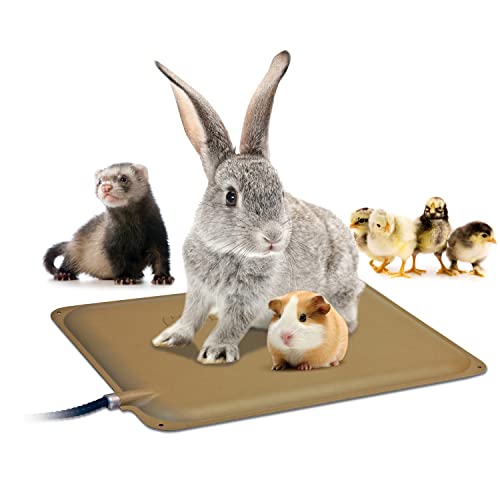
Safe supplemental warmth requires low-wattage heating pads made specifically for small animals. These pads feature steel-wrapped, chew-resistant cords that block teeth from reaching wires. They use built-in thermostats that warm gently to an animal's natural body temperature. Place the heating pad on only one side of the sleeping compartment so your rabbit can step off when comfortable. For hutches without electrical access, microwaveable pet heat discs wrapped in chew-resistant fleece covers provide safe, cordless warmth beneath a thick bed of straw.
What to Look for in Winter Rabbit Warming Gear
Choosing winter rabbit gear requires balancing steady warmth with chew-proof safety. Small animals have distinct chewing behaviors and physical limits, so human warming gear should never go inside their enclosures.
If you select an electric heated pad, confirm that the power cord is wrapped in steel from the pad all the way outside the cage. Chew-resistant protection prevents your rabbit from gnawing through to live wires. Choose thermostatically controlled units that automatically match your rabbit's natural body heat without overheating. For outdoor hutches, verify that the pad has a waterproof rating to protect against rain, snow, and spills. Make sure the pad covers only part of the floor so your rabbit has space to cool down.
For cordless setups, self-warming thermal pads and dense fleece liners are practical solutions. Look for self-warming mats that use heat-reflecting foil layers to send body heat back to the rabbit without electricity. Check that fabric covers feature tough, machine-washable materials that resist chewing and hold up to frequent cleaning during damp winter weeks.
If you are buying an insulated shelter or replacement hutch, look for sturdy solid wood panels and a sloped, waterproof asphalt roof that sheds rain and snow. Raised legs keep the floor away from frozen ground, while snug sleeping boxes trap body heat. Finally, check that the shelter provides secure door latches and high ventilation gaps that let fresh air circulate while blocking chilly winter drafts.

- BWP Score9.6
BWP Score is a ranking system developed by Bestwinterproducts.com. BWP score has no relationship or impact from any manufacturers or sales agent websites. Learn more
- BrandCOZIWOW

- BWP Score9.4
BWP Score is a ranking system developed by Bestwinterproducts.com. BWP score has no relationship or impact from any manufacturers or sales agent websites. Learn more
- BrandYUEPET

- BWP Score9.4
BWP Score is a ranking system developed by Bestwinterproducts.com. BWP score has no relationship or impact from any manufacturers or sales agent websites. Learn more
- BrandHomimp

- BWP Score9.2
BWP Score is a ranking system developed by Bestwinterproducts.com. BWP score has no relationship or impact from any manufacturers or sales agent websites. Learn more
- BrandAmakunft
- BWP Score9.2
BWP Score is a ranking system developed by Bestwinterproducts.com. BWP score has no relationship or impact from any manufacturers or sales agent websites. Learn more
- BrandK&H Pet Products

- BWP Score8.6
BWP Score is a ranking system developed by Bestwinterproducts.com. BWP score has no relationship or impact from any manufacturers or sales agent websites. Learn more
- BrandLittledropet

- BWP Score8.0
BWP Score is a ranking system developed by Bestwinterproducts.com. BWP score has no relationship or impact from any manufacturers or sales agent websites. Learn more
- BrandMygeromon
Last update on 2026-10-02 / Affiliate links / Images, Product Titles, and Product Highlights from Amazon Product Advertising API


Best Warm Winter Scarves 2026 For Cozy Comfort

Best Green Ski Goggles 2026 For Clear Vision On Slopes

12 Best Corner Electric Fireplace 2026: My Ultimate Guide To Pick One

Best Battery Powered Snow Blower 2026 For Effortless Snow Clearing

Best Ski Goggles Under 30 Inches For Crisp Vision And Comfort

Best Cooling Scarf 2026 For Instant Relief And Comfort

Fake Snow for Grass: Create a Realistic Winter Lawn Display

Dimplex Prism Wall Mount Fireplace: Sleek Heat With Modern Flame Style





