How to Measure a Cord of Firewood the Right Way

How to measure a cord of firewood isn’t guesswork, and it’s definitely not about eyeballing a pile and hoping for the best. A true cord is a tightly stacked volume of wood measuring 4 feet high, 4 feet deep, and 8 feet long, which equals 128 cubic feet. That standard matters because loose throws, uneven stacks, or mixed lengths can quietly shrink what you’re actually getting. Knowing the real measurement keeps expectations honest and wallets protected.
The key is stacking, not dumping, because only a properly stacked pile reveals the true volume. Firewood lengths are typically cut to 16 inches, meaning three rows stacked deep usually equal one cord when the height and length match. If logs vary in size, gaps appear, and that’s where many loads fall short without anyone noticing. Measuring forces clarity and removes the wiggle room.
Partial cords like face cords or ricks add another layer of confusion, since their volume depends entirely on log length. A face cord stacked 4 feet high and 8 feet long might be one third of a cord or much less depending on how deep the stack runs. Understanding this difference prevents misunderstandings that often happen at delivery time. Clear measurement turns a vague promise into a concrete amount.
Using a tape measure, checking stack depth, and counting rows may feel tedious, but it pays off fast. It ensures you’re comparing apples to apples when pricing firewood and planning burn time. Once you’ve measured a few stacks, it becomes second nature, almost muscle memory. That’s when confidence replaces doubt, and firewood math finally makes sense.

- BWP Score10.0
BWP Score is a ranking system developed by Bestwinterproducts.com. BWP score has no relationship or impact from any manufacturers or sales agent websites. Learn more
- BrandSnugglewood

- BWP Score9.2
BWP Score is a ranking system developed by Bestwinterproducts.com. BWP score has no relationship or impact from any manufacturers or sales agent websites. Learn more
- BrandINTERTOOL

- BWP Score9.2
BWP Score is a ranking system developed by Bestwinterproducts.com. BWP score has no relationship or impact from any manufacturers or sales agent websites. Learn more
- BrandDuraflame

- BWP Score9.0
BWP Score is a ranking system developed by Bestwinterproducts.com. BWP score has no relationship or impact from any manufacturers or sales agent websites. Learn more
- BrandDuraflame
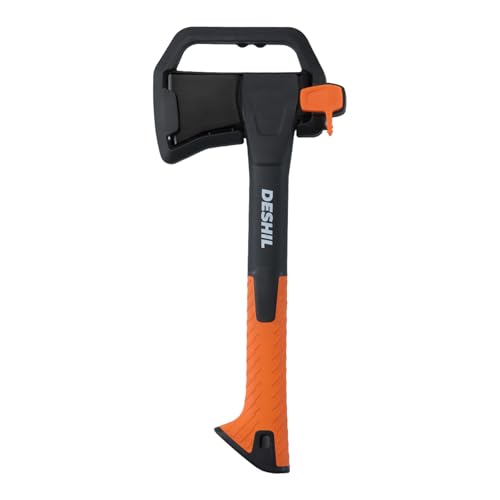
- BWP Score9.0
BWP Score is a ranking system developed by Bestwinterproducts.com. BWP score has no relationship or impact from any manufacturers or sales agent websites. Learn more
- BrandDESHIL

- BWP Score8.6
BWP Score is a ranking system developed by Bestwinterproducts.com. BWP score has no relationship or impact from any manufacturers or sales agent websites. Learn more
- BrandOld Potters

- BWP Score8.6
BWP Score is a ranking system developed by Bestwinterproducts.com. BWP score has no relationship or impact from any manufacturers or sales agent websites. Learn more
- BrandOld Potters

- BWP Score8.4
BWP Score is a ranking system developed by Bestwinterproducts.com. BWP score has no relationship or impact from any manufacturers or sales agent websites. Learn more
- BrandMounty Ray

- BWP Score8.2
BWP Score is a ranking system developed by Bestwinterproducts.com. BWP score has no relationship or impact from any manufacturers or sales agent websites. Learn more
- BrandWoodover
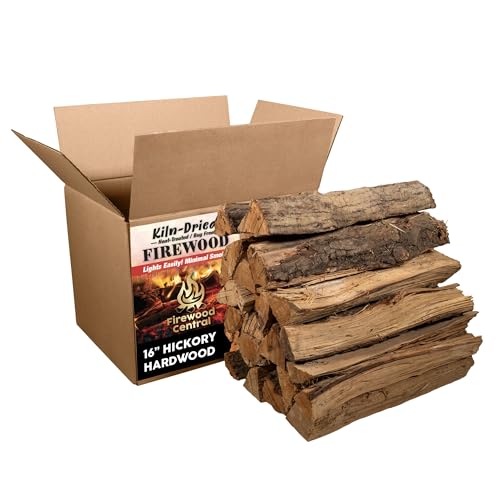
- BWP Score7.8
BWP Score is a ranking system developed by Bestwinterproducts.com. BWP score has no relationship or impact from any manufacturers or sales agent websites. Learn more
- BrandFirewood Central
Last update on 2026-03-17 / Affiliate links / Images, Product Titles, and Product Highlights from Amazon Product Advertising API
Why Measuring Firewood Correctly Matters More Than You Think
How to measure a cord of firewood isn’t just a technical detail, it’s the line between fair value and silent loss. Many people rely on visual judgment, assuming a big pile equals a full cord, but gaps, uneven stacking, and mixed log lengths can quietly shrink volume. Firewood is sold by volume, not weight or appearance, and that distinction trips people up all the time. Once money changes hands, it’s often too late to realize something feels off.
The real pain point shows up mid winter, when the woodpile runs dry weeks earlier than expected. That shortage usually isn’t about burning too much, it’s about starting with less than a full cord. A properly measured cord delivers predictable heat output and burn time. Without measurement, planning becomes guesswork, and guesswork burns fast.
There’s also the trust factor, especially when buying from new suppliers or roadside sellers. Sellers may not always intend to short a load, but loose tossing instead of stacking almost guarantees inconsistency. Knowing the exact dimensions of a cord creates clarity on both sides. Clear rules reduce awkward conversations and protect long term buying relationships.
Measuring firewood isn’t about nitpicking, it’s about respecting your time, storage space, and heating budget. When measurement becomes habit, confidence replaces doubt. That confidence carries through every delivery, every stack, and every winter plan.
The True Definition of a Cord of Firewood
A full cord of firewood has a fixed volume of 128 cubic feet, no exceptions, no shortcuts. That volume comes from stacking wood in a space that measures 4 feet high, 4 feet deep, and 8 feet long. The shape matters as much as the size because only stacked wood reveals true volume. Loose piles lie, stacked rows don’t.
The standard assumes relatively uniform log lengths, most commonly 16 inches. At that length, three rows stacked deep equal the required 4 foot depth. Shorter or longer logs change the math, which is where confusion often sneaks in. Volume stays constant, but stack layout must adapt.
Many people hear terms like face cord or rick and assume they’re interchangeable with a full cord. They’re not, and that misunderstanding fuels most buyer frustration. A face cord only measures height and length, ignoring depth entirely. Without depth, volume is undefined.
Knowing the precise definition eliminates vague descriptions and sales talk. It turns firewood from a subjective product into a measurable commodity. That shift alone prevents most common disputes before they start.
How Log Length Affects Measurement Accuracy
Log length quietly controls how much wood you actually receive. Firewood cut to 16 inches stacks efficiently and aligns with standard cord math. When logs vary wildly in length, gaps appear, reducing usable volume. Those gaps may look harmless, but they add up fast.
Shorter logs can create tighter stacks, but only if measured properly. Longer logs, on the other hand, often force uneven stacking or overhangs. Overhangs look generous but don’t increase volume within the defined dimensions. What matters is what fits inside the measured space.
This is why sellers often advertise “16 inch seasoned firewood” as a selling point. It’s not just about fitting stoves, it’s about predictable stacking. Uniform cuts make measurement faster and more accurate. Consistency saves time on both ends.
If log lengths aren’t disclosed upfront, measurement becomes essential. A tape measure doesn’t care about promises or assumptions. It tells the truth every time.
Stacking Versus Tossing and Why It Changes Everything
There’s a massive difference between stacked wood and wood tossed into a pile or truck bed. Tossed wood traps air pockets that inflate perceived volume. Once stacked, those pockets vanish, revealing the real amount. This is why delivery method matters more than truck size.
Many sellers deliver loose loads because it’s faster and easier. The problem is that loose loads vary wildly depending on how they’re tossed. Two identical trucks can carry very different volumes of usable firewood. Without stacking, there’s no reliable reference point.
Stacking forces accountability, whether done at delivery or afterward. It exposes shortages immediately instead of weeks later. That timing matters, because it’s much easier to address issues on delivery day. Delayed realization usually means silent acceptance.
If you’re buying frequently or in bulk, stacking at least one reference cord builds experience fast. Once you’ve seen what a real cord looks like stacked, loose loads become easier to judge. Experience sharpens instinct, but measurement builds it first.
Face Cords, Ricks, and Other Confusing Terms
Alternative terms like face cord and rick sound official but lack standardization. A face cord is typically 4 feet high and 8 feet long, but depth depends entirely on log length. That means volume varies from seller to seller. Without stated depth, the term means very little.
Ricks often mean the same thing as face cords, but not always. Regional habits shape definitions, which adds another layer of confusion. What one seller calls a rick might be half a cord elsewhere. That inconsistency frustrates buyers trying to compare prices.
The safest approach is to convert everything back to cubic feet. Volume never lies, regardless of terminology. Asking for measurements instead of names clarifies expectations immediately. Clear numbers beat familiar words every time.
If pricing seems too good to be true, it often is. Smaller volumes dressed up with friendly terms create the illusion of value. Measurement cuts through that illusion cleanly.
Common Buying Scenarios Where Measurement Saves You
Measurement becomes critical when buying firewood for heating appliances like inserts or stoves. A short load doesn’t just cost money, it can disrupt heating plans. Running out early often means scrambling for overpriced emergency wood. Planning depends on knowing what you actually bought.
This matters even more when firewood is part of a larger heating setup. People comparing options like a best propane fireplace or a best electric heater for shed often calculate firewood needs as a cost comparison. Inaccurate firewood volume throws off those calculations. Bad data leads to bad decisions.
Outdoor spaces create similar issues, especially when firewood supports ambiance rather than survival. For example, pairing wood heat with a best electric fireplace for screened porch requires knowing how long a wood pile will last. Underestimating volume shortens enjoyment quickly. Measurement keeps expectations realistic.
In every scenario, measurement protects both budget and comfort. It aligns supply with actual use instead of hopeful assumptions. That alignment is where satisfaction lives.
Tools and Techniques That Make Measuring Easier
You don’t need fancy gear to measure firewood accurately. A simple tape measure and a flat stacking area do most of the work. Measuring height, length, and depth confirms volume instantly. Precision beats speed when value is on the line.
Marking stacking areas ahead of time helps maintain consistency. Chalk lines or physical barriers keep stacks square. Square stacks reduce gaps and improve airflow at the same time. Efficiency shows up twice, in measurement and seasoning.
Photographing stacked cords also helps track purchases over time. Visual records reinforce what a real cord looks like. Over time, that reference sharpens judgment even before measuring. Experience compounds when supported by proof.
These tools don’t slow the process, they streamline it. Once habits form, measurement becomes automatic. What once felt tedious becomes routine.
Mental Shortcuts That Lead to Measurement Mistakes
Many people fall into the trap of trusting truck size alone. A “full truckload” sounds reassuring but says nothing about volume. Bed size, stacking height, and tossing style all vary. Without numbers, the phrase is meaningless.
Another common shortcut is assuming weight equals volume. Wet wood weighs more but occupies the same space. Heavy loads can still be short on volume. Weight misleads where measurement doesn’t.
People also assume past experiences will repeat exactly. Different sellers, wood species, and cutting styles change outcomes. Relying on memory instead of measurement invites inconsistency. Each load deserves verification.
Avoiding these shortcuts keeps expectations grounded. Firewood rewards precision, not assumptions. Measurement keeps reality front and center.
Building Long Term Confidence With Firewood Purchases
Learning how to measure a cord of firewood reshapes how you approach buying altogether. Confidence grows with each correctly measured stack. That confidence shows in negotiations and planning alike. Sellers respect informed buyers.
Over time, measurement reduces stress and surprises. Woodpiles last as long as expected. Heating plans stay intact through cold snaps. Predictability becomes the norm instead of the exception.
This skill also travels well, applying whether you buy locally or season wood yourself. Measurement bridges experience gaps quickly. It levels the playing field for new and seasoned buyers alike.
Once mastered, measuring firewood stops feeling technical. It feels practical, grounded, and empowering. That’s where good decisions begin.
How Measurement Impacts Heating Efficiency and Planning
How to measure a cord of firewood directly affects how efficiently a home stays warm through the season. Heating plans rely on predictable fuel supply, not hopeful estimates based on pile size. When volume is misjudged, heat output projections fall apart, leaving rooms colder than expected. Precision in measurement keeps comfort steady rather than sporadic.
Firewood provides heat gradually, unlike instant systems that switch on and off. A short cord burns faster, forcing households to supplement heat unexpectedly. That often means relying more heavily on backup options such as electric units or gas appliances. Accurate measurement keeps those backups optional rather than mandatory.
People comparing wood heat to alternatives like a best linear electric fireplace often underestimate how much wood they truly need. When the wood supply runs out early, electric options suddenly feel more expensive than planned. Measurement keeps comparisons fair and grounded in real consumption. That clarity supports smarter long term decisions.
Planning heat isn’t just about warmth, it’s about rhythm and reliability. A measured cord sets expectations clearly from day one. That reliability reduces stress when temperatures drop. Consistency becomes the quiet benefit of proper measurement.
Why Visual Estimation Fails Even Experienced Buyers
Many seasoned buyers trust their eyes after years of purchasing firewood. The problem is that visual estimation adapts to inconsistency instead of correcting it. A pile that looks “about right” may still be missing significant volume. Experience without measurement can reinforce bad assumptions.
Lighting, stacking style, and wood species all affect appearance. Dense hardwoods look smaller than lighter woods, even at equal volume. Shadows and uneven ground further distort perception. The eye isn’t calibrated for cubic measurement.
This is where measurement tools quietly outperform intuition. A tape measure ignores aesthetics and focuses on facts. Facts don’t fluctuate with mood or memory. They anchor decisions in reality.
Relying on visuals alone often leads to slow losses over time. Each slightly short load compounds into a noticeable deficit by mid season. Measurement stops that drift before it starts. It replaces habit with accuracy.
Storage Space and Stack Layout Considerations
Storage planning hinges on knowing exactly how much space a cord occupies. A true cord needs a footprint that supports its full dimensions without crowding. When volume is misjudged, stacks overflow or sprawl awkwardly. That creates airflow issues and uneven drying.
Proper stacking keeps wood elevated, aligned, and ventilated. Those factors matter as much as the wood itself. Poor layout traps moisture and invites rot. Measurement supports both quantity and quality.
Knowing the exact cord size also prevents wasted space. Too much empty area invites instability, while overcrowding reduces access. Balanced layouts come from knowing volume upfront. Measurement turns guesswork into design.
Over time, storage becomes more efficient and predictable. Each new stack fits naturally into the plan. That order simplifies maintenance and rotation. Measurement quietly improves every step.
Firewood Quality, Moisture, and Volume Truths
Volume measurement often gets confused with moisture content. Wet wood weighs more but doesn’t heat better. In fact, excess moisture reduces efficiency and increases smoke. Measurement ensures you’re paying for space, not water.
Seasoned wood stacks more tightly than green wood. That tighter stack reveals true volume clearly. Loose stacking from irregular cuts or wet wood hides gaps. Measurement exposes those gaps immediately.
Moisture meters help assess burn readiness, but they don’t replace volume measurement. Both tools serve different purposes. One protects heat quality, the other protects quantity. Together, they form a complete picture.
Ignoring either factor creates imbalance. Dry but short loads disappoint just as much as full but wet ones. Measurement keeps expectations aligned with reality. That balance is where satisfaction lives.
Comparing Firewood Costs to Supplemental Heating Options
Many households supplement firewood with electric or heated textiles during extreme cold. Options like a best high end electric blanket often fill comfort gaps when firewood runs low. Those costs add up quickly when wood supply is miscalculated. Measurement keeps supplemental use intentional rather than reactive.
When firewood volume is accurate, supplemental heat becomes strategic. Blankets, space heaters, and electric units support comfort instead of replacing failed plans. That distinction matters for monthly expenses. Planning beats patching every time.
Accurate volume also sharpens cost comparisons. Firewood appears cheaper when measured correctly, not inflated by assumed volume. That clarity helps households decide how much to invest in each heating source. Measurement keeps budgets honest.
Informed planning reduces regret later. There’s no scrambling for extra heat mid season. Everything works together instead of against expectations. Measurement creates harmony between systems.
Negotiating Fair Deals With Confidence
Buyers who know how to measure a cord of firewood negotiate from a position of confidence. Clear expectations remove tension from transactions. Sellers respond better when standards are transparent. Measurement keeps discussions factual rather than emotional.
When volume is defined upfront, pricing becomes easier to evaluate. Cost per cord replaces vague pricing per load. That comparison simplifies decisions across sellers. Numbers speak louder than claims.
This confidence also discourages shortcuts. Sellers are less likely to offer loose loads when measurement is expected. Accountability improves quality naturally. Standards elevate the entire exchange.
Over time, trusted relationships form around shared clarity. Both sides benefit from predictable outcomes. Measurement becomes the foundation of that trust. Fairness follows naturally.
Long Term Benefits of Consistent Measurement Habits
Consistent measurement builds long term awareness of consumption patterns. Households learn exactly how much wood they burn each season. That knowledge improves purchasing accuracy year after year. Waste and shortages decline together.
Planning future purchases becomes simpler and more precise. Storage needs, delivery timing, and budget align naturally. Measurement removes uncertainty from long term decisions. Stability replaces guesswork.
This habit also supports sustainability. Buying only what’s needed reduces overharvesting and waste. Efficient use respects both resources and finances. Measurement aligns responsibility with practicality.
In the end, measuring firewood stops feeling technical. It becomes routine, almost instinctive. That routine quietly supports comfort, efficiency, and confidence. The payoff lasts long after the stack is built.


12 Best Corner Electric Fireplace 2026: My Ultimate Guide To Pick One

Dimplex Prism Wall Mount Fireplace: Sleek Heat With Modern Flame Style
Best Electric Fireplace Insert for Large Room Heating and Style

Best 40 Inch Electric Fireplace Insert 2026 - Cozy Ambiance with Modern Power
Top 12 Best Quality Electric Fireplace 2026 - Buying Guides

Best Wall Mount Electric Fireplace 2026 for Ultimate Comfort and Style

How to Start Monessen Fireplace: A Step-by-Step Guide

How to Whitewash Rock Fireplace: Simple Steps to Refresh Your Space