
How to Protect Your Dog's Paws in Winter

Coat your dog's pads with protective paw wax or slip on fitted booties right before stepping outside. Putting up this barrier keeps jagged crust from cutting sensitive skin and blocks sidewalk ice melters that trigger painful chemical burns. Trimming excess fur between the toes and wiping paws with a damp cloth right after your walk prevents frozen clumps and stops your pet from licking off toxic road salt.
How much protection you need depends on your walking route and your pet's personality. Salty neighborhood sidewalks require thicker shielding than a clean, snowy trail in the woods, while dogs that refuse booties do far better with a coat of wax. Walk duration and subzero temperatures also play a role, since prolonged contact with frozen ground quickly chills bare paws. Here is how to keep your dog comfortable, clean, and walking pain-free all season.
Why does winter weather hurt dog paws?
Dog paws are resilient, but winter introduces cold moisture, friction, and caustic chemistry that bare pads cannot withstand. Walking across frozen ground exposes dogs to three main threats: freezing pavement, packed ice, and sidewalk ice melters.
Sub-freezing concrete and asphalt draw heat directly out of foot pads. Just as people look for ways on how to keep feet warm during winter, dogs face real discomfort when freezing moisture seeps against bare skin. Sub-zero pavement strips natural oils away, causing micro-tears, dryness, and severe chapping.
Sidewalk ice melters create an even harsher hazard. Municipal salts and residential de-icers contain chemicals like rock salt, calcium chloride, or magnesium chloride. These chemicals draw moisture directly out of living tissue, causing painful chemical burns. Jagged salt crystals also act like crushed glass, cutting small slits into pads that let caustic brine reach sensitive nerve endings.
Snow causes physical injury through ice balls. Body heat escaping the foot melts snow touching the fur between the toes. That moisture refreezes instantly in sub-freezing air, forming hard ice pebbles. These frozen lumps pack tightly into the webbing between digits, forcing toes apart, bruising skin, and cutting tissue with every step.
How should you prep paws before heading outside?
Preparing paws before opening the door prevents winter trail injuries before they start. A few simple minutes of pre-walk preparation keep your dog comfortable and prevent painful cuts later.
Start by inspecting the fur between your dog's toes. Many medium and long-coated breeds sprout thick hair beneath their paw pads. Snow clings to this fur, melts from body warmth, and refreezes into painful ice balls. Use round-tipped grooming scissors to trim that hair flush with the pads. Short fur gives snow nothing to grab onto, drastically reducing clumping.
Next, choose between paw wax and dog booties based on your route and your dog's temperament:
- Protective paw wax: Balms blend natural oils and waxes to create a breathable, water-resistant barrier. They stop snow from sticking between toes and shield skin against mild salt contact. Balms work best for dogs that refuse to wear shoes, but they wear off on rough pavement and require reapplication before every walk.
- Winter dog booties: Booties provide complete physical isolation from sharp ice crusts, heavy sidewalk ice melters, and sub-zero pavement. They deliver reliable traction and insulation. However, many dogs dislike wearing shoes initially, requiring patient training and careful fitting so they do not slip off in snow drifts.
Apply wax about ten minutes before walking. Rub the balm across the main pads, toe pads, and webbing. Giving wax ten minutes to absorb prevents greasy footprints on indoor floors.
What signs show your dog is in pain?
Dogs often hide discomfort, but their posture and gait reveal when winter conditions hurt. While you bundle up in warm layers and focus on how to keep warm in winter outdoors, watch your dog closely for signs of distress.
Look for these warning signs during cold-weather walks:
- Sudden limping or hopping: The dog lifts one paw off the ground or shifts weight entirely onto three legs, usually due to an ice ball wedged between toes or a salt crystal cut.
- The frozen pause: Your dog stops abruptly, hunches their back, and lifts paws one by one. This indicates pads are throbbing with cold or losing sensation.
- Chewing or licking feet: A dog dropping to the snow to chew at their toes is reacting to burning sidewalk ice melters or tearing skin webbing.
- Whining or shivering: High-pitched vocalizing paired with lifted feet shows paw pain has become severe.
Route choice makes a major difference. Avoid sidewalks covered in visible white crusts or blue pellets of sidewalk ice melters. Stick to clean snow trails, park grass, or quiet residential paths instead. When temperatures drop into the single digits, cut walks down to brisk, ten-minute bathroom breaks.
What is the best way to clean winter paws?
Cleaning feet right after returning indoors prevents chemical burns and stops your dog from ingesting toxic sidewalk ice melters while grooming.
Follow this post-walk routine every time you return inside:
- Set up a wash station: Keep a shallow bowl of lukewarm water and a towel by your door. Never use hot water on cold paws. Plunging numb, cold feet into hot water causes intense stinging and tissue damage.
- Rinse salt and ice: Dip each paw into the water to dissolve road salt and melt frozen clumps. If your dog dislikes dipping, wipe each foot thoroughly with a warm, wet washcloth.
- Clean between the toes: Use your fingers or a cloth to wipe the skin folds and webbing between the digits. Sidewalk ice melters hide in these crevices and cause raw burns hours later.
- Dry the paws completely: Press a dry towel around each paw, absorbing all moisture between toes. Damp skin left in a warm house invites bacterial and yeast infections.
- Inspect pad surfaces: Check for hairline cracks, bleeding, red raw patches, or salt residue before letting your dog walk onto rugs.
How can you soothe dry, cracked paw pads?
Winter dryness strips moisture from paw pads, leaving them rough, chafed, and prone to painful splits. Indoor heaters also lower household humidity, drying out canine foot tissue quickly.
To repair dry pads, apply a soothing layer of dog-safe balm to clean, dry paws. Look for formulas with natural ingredients like beeswax, coconut oil, shea butter, and vitamin E. Avoid human lotions or ointments with zinc oxide, hydrocortisone, or fragrances, which can cause illness if licked. Keep your dog occupied with a chew toy or belly rubs for ten minutes so the balm can absorb properly.
Watch for more severe pad issues. Some dogs develop thick crusty pad skin, known as hyperkeratosis, where the pad forms hard, calloused ridges that crack under pressure. These paws require daily moisturizing balm to keep the skin pliable.
Inspect pads for freezing skin injury, known as frostbite. Early signs include pale, gray, or bluish skin that feels unusually hard, stiff, and cold. As the tissue warms, frostbitten pads turn bright red, swell, and become painful to the touch.
Call your vet if you notice deep bleeding cracks, yellow discharge, black skin patches, or bad odors. Seek immediate emergency care if your dog licks sidewalk ice melters and shows signs of poisoning, such as vomiting, heavy drooling, diarrhea, or severe lethargy.
What winter gear helps protect dog paws best?
The right winter gear makes cold walks safe and enjoyable. For outdoor winter protection, barrier waxes and rubber-soled booties are the two primary options to consider.
If you choose a paw wax, look for an all-natural, lick-safe formula made with food-grade waxes and nourishing oils. Balms packaged in wide tins allow you to press the paw directly into the wax, while twist-up stick applicators apply smoothly without messy fingers. A reliable wax stays spreadable at room temperature and forms a water-resistant, breathable barrier that sheds snow and protects against mild salt contact.
If your dog walks on heavily salted streets or sharp ice crusts, winter dog booties offer the highest level of protection. When choosing boots, verify these critical features:
- Accurate paw width sizing: Never size boots by dog weight or paw length. Have your dog stand firmly on paper, mark the widest points on both sides of the foot, and measure that width with a ruler.
- Wide split-seam openings: Boots need a deep opening along the front or side so paws slide in easily without bending the dewclaw.
- Dual adjustable straps: Two wrap-around straps with hook-and-loop closures anchor the shoe above the ankle joint, preventing boots from slipping off in snow.
- Textured rubber outsoles: Grooved rubber soles block caustic sidewalk ice melters and provide grip on slippery ice sheets.

- BWP Score9.4
BWP Score is a ranking system developed by Bestwinterproducts.com. BWP score has no relationship or impact from any manufacturers or sales agent websites. Learn more
- BrandMusher's Secret

- BWP Score9.2
BWP Score is a ranking system developed by Bestwinterproducts.com. BWP score has no relationship or impact from any manufacturers or sales agent websites. Learn more
- BrandMusher's Secret

- BWP Score9.2
BWP Score is a ranking system developed by Bestwinterproducts.com. BWP score has no relationship or impact from any manufacturers or sales agent websites. Learn more
- BrandPawSono

- BWP Score9.2
BWP Score is a ranking system developed by Bestwinterproducts.com. BWP score has no relationship or impact from any manufacturers or sales agent websites. Learn more
- BrandWagWell

- BWP Score8.8
BWP Score is a ranking system developed by Bestwinterproducts.com. BWP score has no relationship or impact from any manufacturers or sales agent websites. Learn more
- BrandVets Preferred

- BWP Score8.6
BWP Score is a ranking system developed by Bestwinterproducts.com. BWP score has no relationship or impact from any manufacturers or sales agent websites. Learn more
- BrandNatural Dog Company
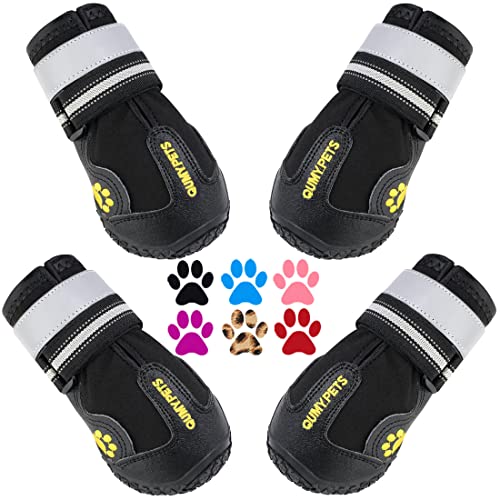
- BWP Score8.0
BWP Score is a ranking system developed by Bestwinterproducts.com. BWP score has no relationship or impact from any manufacturers or sales agent websites. Learn more
- BrandQUMY

- BWP Score8.0
BWP Score is a ranking system developed by Bestwinterproducts.com. BWP score has no relationship or impact from any manufacturers or sales agent websites. Learn more
- BrandKOOLTAIL
Last update on 2026-10-03 / Affiliate links / Images, Product Titles, and Product Highlights from Amazon Product Advertising API
FAQs
How do you stop ice balls forming between toes?
Trim the hair between your dog's toe pads flush with the skin using round-tipped grooming scissors. Apply a coat of natural paw balm or coconut oil between the toes before outdoor walks to keep snow from sticking to the skin. Fitted dog booties also provide total protection by sealing the feet away from wet snow.
Are sidewalk ice melters dangerous if dogs lick them?
Yes, chemical sidewalk ice melters can be toxic to dogs when ingested. De-icing salts irritate the mouth, burn the stomach lining, and cause chemical burns on internal tissues. If your dog licks de-icer off their paws or eats treated snow, watch for excessive drooling, vomiting, diarrhea, and weakness, and contact your veterinarian immediately.
Can you use regular petroleum jelly on dog paws?
Petroleum jelly works as an emergency barrier, but it is not ideal for daily winter paw care. While it creates a water-resistant layer, dogs often lick it off, which frequently causes upset stomachs, vomiting, and loose stools. Natural dog balms made with beeswax, shea butter, and plant oils provide safer hydration without causing digestive issues.
How cold is too cold for walking a dog?
Most healthy adult dogs tolerate outdoor temperatures between 32°F and 45°F without trouble. When temperatures drop below 20°F, the risk of freezing skin injury, hypothermia, and paw pain rises quickly, especially for small dogs, puppies, and thin-coated breeds. When severe freeze warnings or single-digit wind chills arrive, keep walks brief and stick to short bathroom breaks.


Best Warm Winter Scarves 2026 For Cozy Comfort

Best Green Ski Goggles 2026 For Clear Vision On Slopes

12 Best Corner Electric Fireplace 2026: My Ultimate Guide To Pick One

Best Battery Powered Snow Blower 2026 For Effortless Snow Clearing

Best Ski Goggles Under 30 Inches For Crisp Vision And Comfort

Best Cooling Scarf 2026 For Instant Relief And Comfort

Fake Snow for Grass: Create a Realistic Winter Lawn Display

Dimplex Prism Wall Mount Fireplace: Sleek Heat With Modern Flame Style





