
How to Protect Outdoor Plants from Winter Freezes

A sharp drop in evening temperature sends a gardener rushing to the window, watching the lawn stiffen with sudden frost. Protecting vulnerable plants comes down to watering soil thoroughly before a hard freeze and piling mulch over the root zones. Draping breathable fabric covers to the ground before sunset traps natural earth warmth and keeps fragile foliage safe overnight.
The right routine depends on where each plant grows and how low temperatures fall. Garden beds hold warmth from deep soil, but patio containers freeze from all sides and need a sheltered wall or indoor spot. Light frost only takes a loose fabric drape, while extended cold demands several inches of straw or wood chips over roots. Breathable covers also prevent the leaf scorch that bare plastic causes when morning sun hits. Here is how to shield your roots and foliage so everything survives until spring.
When should you start preparing your plants for freezing weather?
Waiting until frost forms on your lawn is the main reason garden plants suffer winter damage. Preparing your yard works best in stages rather than scrambling in the dark. You need to know the difference between a light frost and a true hard freeze. A light frost happens on clear, calm nights when air temperatures hover between 32°F and 36°F near the ground. This thin layer of ice crystals nips tender annuals and tomato vines, but established perennials and shrubs usually brush it off without permanent harm.
A hard freeze happens when temperatures drop below 28 degrees that freeze soil solid several inches deep. Once the ground freezes, roots cannot absorb moisture, and cell walls inside soft stems burst. If you spend hours outside setting up garden stakes and mulch in blustery conditions, knowing how to keep warm in winter outdoors makes the chore far more comfortable.
Follow this seasonal checklist to pace your cold-weather prep:
- Night temperatures in the 50s: Bring tender tropical patio plants, citrus pots, and houseplants inside before cold shocks them.
- Night lows in the 40s: Stop applying high-nitrogen fertilizers so plants avoid producing weak green shoots that freeze easily.
- Two days before a freeze: Soak the soil around your beds and shrubs so the earth absorbs daytime warmth.
- Late afternoon before a freeze: Drape protective covers over delicate beds while the ground is still warm, securing edges tightly to the earth.
How do you protect plant roots before the ground freezes?
Protecting the root zone is the most important task in winter plant care. In-ground plants survive freezing winters because surrounding earth acts as a massive thermal reservoir. Soil stays much warmer than the icy air above it. However, dry soil loses heat quickly and develops cracks that let freezing air reach roots. Proper insulation keeps root temperatures steady and prevents frost heaving, which is when freezing and thawing soil thrusts plant crowns right out of the dirt.
Follow these steps to build an insulating barrier around your perennials, roses, and shrubs:
- Give your garden beds a deep watering. Soak the soil thoroughly 24 to 48 hours before a hard freeze arrives. Wet soil holds far more heat than dry dirt. As moisture in the ground slowly cools, it releases latent warmth back up into the root zone, keeping root cells hydrated and insulated against sudden temperature drops.
- Check soil moisture before mulching. Push a finger 3 to 4 inches into the dirt near the drip line, which is the ring of earth directly beneath the outermost branches. The soil should feel cool and damp like a wrung-out sponge, not soaked into standing mud.
- Apply a deep layer of insulating mulch. Spread a 2 to 4-inch blanket of mulch over the root zone. Good mulch includes shredded bark, wood chips, pine needles, or dry straw over soil. This fluffy layer traps air pockets that slow down heat loss from the ground.
- Create a clear ring around main stems. Pull the mulch back 2 to 3 inches away from the base of woody trunks and plant crowns. Piling mulch directly against bark traps excess moisture, which invites rot and gives rodents a place to chew on bark.
What is the right way to cover garden plants?
Covering plants is not about wrapping foliage like a winter scarf. Outdoor plants do not generate body heat, so bundling branches in the air does not keep them warm. Frost blankets work by capturing heat that rises naturally from damp soil and holding that warmth around foliage inside an enclosed canopy.
To cover your garden rows and shrubs properly, drape your fabric so it falls from the top of the plant down to the ground. Seal the bottom edges completely against the soil using garden stakes, heavy stones, bricks, or mounds of dirt. If cold air sneaks under the bottom rim, a chimney effect occurs, pulling warm air out through the top and leaving the plant exposed to freezing drafts.
Create a physical support structure whenever possible. Use wooden garden stakes, bamboo poles, or wire hoops to hold the fabric slightly away from leaves and buds. When freezing rain, sleet, or heavy frost settles on fabric resting directly against leaves, ice burns transfer straight through the cloth to the foliage underneath.
Select lightweight, breathable fabrics rather than non-porous sheets. Commercial non-woven polypropylene frost blankets allow air, moisture, and daylight to reach the plant while trapping ground warmth. In an emergency, you can use old cotton bedsheets or burlap sacks. Make sure whatever fabric you choose stays dry, because soaking wet fabric freezes solid and pulls heat away from the plant.
How do you keep potted patio plants alive through winter?
Potted patio plants are far more vulnerable to freezing weather than plants in the ground. While garden soil provides deep thermal insulation, container roots only have a thin pot wall separating them from freezing air. Cold winds strike pots from the sides, top, and bottom. Because of this exposure, container soil can freeze solid in just a few hours, killing root systems that would easily survive in an ordinary garden bed.
Here is how to protect your potted plants from fatal root freeze:
- Group your containers together tightly. Move outdoor pots against a warm, sheltered exterior wall of your home. South-facing and west-facing brick or masonry walls are best because they absorb solar warmth all day and slowly radiate heat back into pots at night. Clustering pots together allows them to share ambient warmth and shields inner pots from wind.
- Elevate pots off cold concrete surfaces. Concrete patio slabs act as heat sinks that draw warmth straight out of container bases. Place small wood strips, pot feet, or cardboard underneath containers to create a thermal break between the pot base and icy pavement.
- Insulate the outer pots. Wrap the outside of individual planters with bubble wrap, burlap, or heavy frost fabric, securing the material with twine. You can also slip a smaller pot inside a larger empty container and stuff the open gap with dry leaves or straw.
- Move vulnerable containers indoors during extreme cold. When nighttime lows drop below 20°F for several consecutive nights, bring tender perennials and patio trees into an unheated garage, shed, or basement. If you decide to bring decorative greenery into your living space, check our guidance on how to keep warm in winter in the house so you can position plants near natural light without placing them in the path of dry furnace vents.
What winter plant protection mistakes should you avoid?
Even experienced gardeners can harm their landscape by making simple cold-weather errors. When freezing temperatures threaten, rushing through your garden prep can do more damage than the cold itself.
Keep these critical winter plant protection mistakes off your routine:
- Draping bare plastic directly onto foliage. Never use plastic tarps, drop cloths, or garbage bags over plant leaves. Plastic conducts cold rapidly. Freezing condensation gathers against the plastic and transfers frost directly to plant tissues, blackening leaves. If you must use plastic during freezing rain, always place a cloth blanket underneath so plastic never touches foliage.
- Leaving covers sealed during bright sunny mornings. A dark blanket or clear plastic sheet quickly turns into an oven when morning sunlight hits it. Heat gets trapped beneath the cover, driving temperatures up past 80°F in an hour. This sudden heat spike tricks plants into breaking dormancy and triggers soft new growth that freezes during the next cold night. Always remove or vent covers once morning temperatures rise above freezing.
- Allowing winter soil to dry out completely. Winter wind causes desiccation, which is wind drying out leaves and stems faster than frozen roots can replace lost water. Broadleaf evergreens like rhododendrons, boxwoods, and holly are especially susceptible. Check soil moisture once a month during dry spells and water your beds on mild mornings when air temperatures stay above 40°F.
- Pruning away damaged foliage too early. Frost-damaged leaves look untidy, but you should never prune them off during mid-winter. Damaged foliage forms a natural protective buffer that shields live lower crowns and inner buds from upcoming cold snaps. Wait until late spring when you see fresh green buds swelling before trimming away dead wood.
What features should you look for in winter plant blankets?
Choosing the right protective coverings makes shielding your garden faster and more reliable when winter storms blow in. The ideal frost cover is made from breathable, non-woven fabric rather than solid plastic film. Breathable garden fabrics allow essential moisture and sunlight through during the day while preventing freezing condensation from accumulating on delicate foliage.
Fabric thickness is an important detail to check before purchasing garden covers. Lightweight floating row covers are easy to drape over broad vegetable beds and provide reliable protection against light frosts down to 28°F. For harsher conditions and sub-freezing cold snaps that dip into the low 20s, opt for heavy-duty freeze blankets that offer thicker thermal insulation.
Look for practical design details that simplify installation on windy days. Wide rectangular blankets work best for covering sprawling garden rows and raised planters, while covers with built-in drawstrings, zippers, or hook-and-loop fasteners are ideal for securing around upright shrubs, citrus trees, and patio containers. Choosing tear-resistant, UV-stabilized materials ensures your plant blankets can be folded up and reused across many seasons.

- BWP Score9.4
BWP Score is a ranking system developed by Bestwinterproducts.com. BWP score has no relationship or impact from any manufacturers or sales agent websites. Learn more
- BrandJUNKOGO
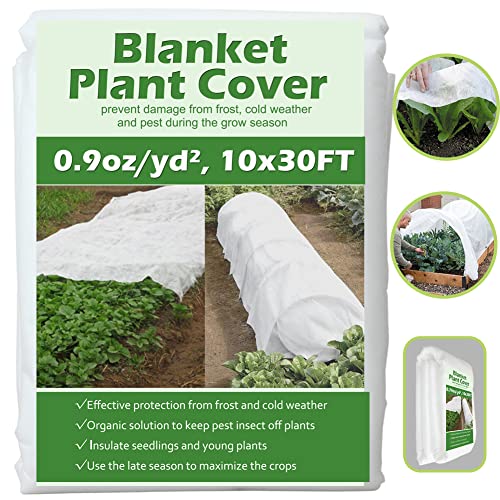
- BWP Score8.8
BWP Score is a ranking system developed by Bestwinterproducts.com. BWP score has no relationship or impact from any manufacturers or sales agent websites. Learn more
- BrandValibe

- BWP Score8.8
BWP Score is a ranking system developed by Bestwinterproducts.com. BWP score has no relationship or impact from any manufacturers or sales agent websites. Learn more
- BrandFARAER
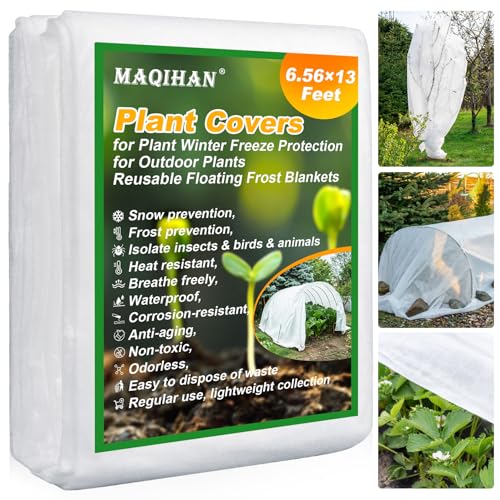
- BWP Score8.8
BWP Score is a ranking system developed by Bestwinterproducts.com. BWP score has no relationship or impact from any manufacturers or sales agent websites. Learn more
- BrandMAQIHAN

- BWP Score8.8
BWP Score is a ranking system developed by Bestwinterproducts.com. BWP score has no relationship or impact from any manufacturers or sales agent websites. Learn more
- BrandAlpineReach

- BWP Score8.6
BWP Score is a ranking system developed by Bestwinterproducts.com. BWP score has no relationship or impact from any manufacturers or sales agent websites. Learn more
- BrandLUCKIPLUS

- BWP Score8.6
BWP Score is a ranking system developed by Bestwinterproducts.com. BWP score has no relationship or impact from any manufacturers or sales agent websites. Learn more
- BrandSDLDEER

- BWP Score8.4
BWP Score is a ranking system developed by Bestwinterproducts.com. BWP score has no relationship or impact from any manufacturers or sales agent websites. Learn more
- BrandPerthlin
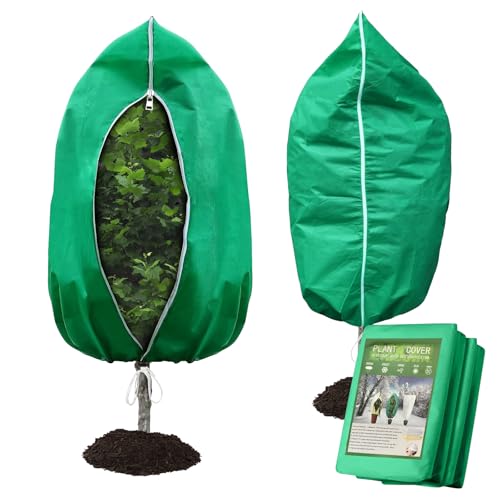
- BWP Score8.2
BWP Score is a ranking system developed by Bestwinterproducts.com. BWP score has no relationship or impact from any manufacturers or sales agent websites. Learn more
- BrandHEKIWAY

- BWP Score7.6
BWP Score is a ranking system developed by Bestwinterproducts.com. BWP score has no relationship or impact from any manufacturers or sales agent websites. Learn more
- BrandUNIFAMILY
Last update on 2026-10-03 / Affiliate links / Images, Product Titles, and Product Highlights from Amazon Product Advertising API
FAQs
Can you use plastic tarps or garbage bags as covers?
Never let bare plastic touch plant foliage because it conducts cold directly into delicate leaves. If plastic is the only material you have during an emergency freeze, place a bedsheet, burlap bag, or cloth blanket over the plant first, then drape the plastic over the cloth as a windproof outer layer. Remove the plastic as soon as morning temperatures climb above freezing.
Do outdoor plants still need water during the winter months?
Yes, outdoor plants still require moisture during winter, especially broadleaf evergreens that lose water through their leaves on windy days. Check your soil every three to four weeks during extended dry spells when there is no snow cover or rainfall. Water your garden beds on warm mornings when the air temperature is above 40°F so the water soaks deep into the root zone before freezing at night.
At what exact temperature does frost damage plant leaves?
Tender annuals, tropical plants, and warm-season vegetables begin suffering leaf damage when temperatures drop between 32°F and 36°F. Hardier perennials, established deciduous shrubs, and cold-hardy vegetables can withstand light frosts down to 28°F without noticeable harm. However, a hard freeze below 28°F that lasts for several hours will damage soft tissue and freeze uninsulated roots on almost any non-dormant plant.
When should you remove frost covers the next morning?
Remove fabric covers in the mid-morning once the sun is up and the air temperature has climbed safely above 32°F. Leaving covers on during mild, sunny days can trap excessive heat underneath, creating high humidity and prematurely waking dormant buds. If temperatures are predicted to stay below freezing for several days in a row, you can leave breathable fabric covers in place until the cold snap passes.


Best Warm Winter Scarves 2026 For Cozy Comfort

Best Green Ski Goggles 2026 For Clear Vision On Slopes

12 Best Corner Electric Fireplace 2026: My Ultimate Guide To Pick One

Best Battery Powered Snow Blower 2026 For Effortless Snow Clearing

Best Ski Goggles Under 30 Inches For Crisp Vision And Comfort

Best Cooling Scarf 2026 For Instant Relief And Comfort

Fake Snow for Grass: Create a Realistic Winter Lawn Display

Dimplex Prism Wall Mount Fireplace: Sleek Heat With Modern Flame Style





