
How to Protect Rose Bushes in Winter

Most gardeners think rose bushes need heavy blankets the moment autumn temperatures drop. Doing that too early actually causes harm by trapping warmth and preventing the plant from going dormant. The true fix is to wait until a few hard freezes stop all new growth, then mound loose soil over the base to shield the roots and crown.
The exact steps change based on the specific bush and where it grows. Rugged shrub roses can often weather a mild winter with basic mulch, but tender varieties need extra defense around the graft union (the swollen knot where the stem meets the roots). Potted roses also need root insulation because cold air hits the pot from every angle. Following a few simple steps ensures healthy stems and bright spring blooms.
The Short Version
- Wait until two or three hard freezes push your bush into dormancy (plant winter rest when growth stops) before adding any insulation or covers.
- Mound 8 to 10 inches of fresh topsoil or compost over the crown (base of the bush at ground level) to protect the graft union (swollen knot where stem joins rootstock).
- Tie canes (main woody stems) loosely with twine and cover the bush with a breathable fabric cone, frost blanket, or burlap wrap to stop drying winds from killing the wood.
- Insulate potted roses by moving them into an unheated garage or wrapping the pots in heavy insulation so the soil does not freeze solid.
Timing: Waiting for Plant Dormancy Before Covering
Timing determines whether your winter protection saves your rose or accidentally harms it. Covering a rose bush too early in autumn traps heat and moisture around the stems. Warm, dark conditions fool the plant into staying awake. It will continue pumping sugary sap into the canes and may even push out tender new leaves. When severe sub-zero cold finally hits, that water-filled growth freezes instantly, turning the wood black and splitting the main canes wide open down to the soil.
You must let Mother Nature put the plant to sleep first. A light frost that whitens the grass is not enough. You want genuine cold weather to shut down sap flow completely. Use this checklist to confirm your bushes are ready for winter protection:
- Track your local night temperatures until you get at least two or three hard freezes, meaning nights where temperatures drop below 28 degrees Fahrenheit.
- Check the leaves to verify that they have turned yellow, withered, or dropped to the ground naturally.
- Inspect the cane tips to make sure there are no soft, reddish new shoots or plump flower buds forming.
- Feel the soil around the base to confirm that the top layer has crusted over with light ground frost.
Once the bush enters true dormancy, winter covers will protect it without causing premature growth. In most northern and Midwestern gardens, this window opens around mid-to-late November, but always let local frost conditions guide your calendar.
Cleanup: Removing Diseased Leaves and Securing Canes
Before you pile on dirt or slip on covers, prepare the rose bush so pests and fungi do not spend the winter resting against the wood. Fungal spores like black spot, powdery mildew, and rose rust love winter shelters. If fallen, spotted leaves sit trapped under moist winter covers, those spores will wake up early in spring and infect your new shoots before the first blooms even open.
Start by clearing away all dropped foliage and dead organic debris from around the root bed. Strip off any diseased leaves that are still clinging stubbornly to the stems. Bag these leaves and throw them in the household trash rather than your compost pile, since home compost piles rarely get hot enough to destroy hardy fungal spores.
Many gardeners make the mistake of pruning their rose bushes down to low stubs in late autumn to make covering easier. Avoid heavy fall pruning. Every pruning cut you make sends a chemical signal to the plant to wake up and push new growth from the bud eye just below the cut. Trimming in late autumn leaves raw wounds that freeze and die back several inches into healthy cane wood. Save your main pruning cuts for early spring when you see yellow forsythia bushes blooming.
The only cuts you should make in autumn are safety cuts. If you have tall, wild canes that stick way up into the sky, trim them back just enough so they do not catch the wind. Winter gales act like levers on tall canes. The wind whips long stems back and forth, which pulls and rocks the crown under the soil. This wind rock tears delicate underground feeder roots and opens air pockets around the root ball. Shorten excessively tall canes to roughly waist height. Then, loosely gather the remaining canes together with soft garden twine, pulling them gently into a compact upright bundle. Because clearing garden beds in freezing wind takes time, knowing how to keep warm in winter outdoors makes this chore far more comfortable.
Mounding: Piling Soil and Mulch Over the Crown
Mounding is the most reliable way to save an outdoor rose bush through a harsh winter. Most modern roses, including popular hybrid teas and floribundas, are grafted. The grower joins a delicate, beautiful blooming variety onto a cold-hardy wild root system. That joining point is the graft union (swollen knot where stem joins rootstock). If temperatures drop below zero and kill the wood down past that knot, the top rose variety dies completely. In spring, any growth that emerges from the roots will be wild, non-blooming rootstock suckers. Keeping that knot alive keeps your chosen rose alive.
Follow these numbered steps to mound your roses properly:
- Bring in soil from another area of your yard or use bags of purchased topsoil, triple-mix, or compost. Never scrape dirt directly from the bed around the base of the bush. Scraping uncovers and damages the shallow feeder roots that the plant needs to survive winter.
- Pour the soil directly into the center of the cane bundle, letting it spill down around the stems. Build a firm mound that stands 8 to 10 inches tall over the crown (base of the bush at ground level), completely burying the graft knot and the lower cane joints.
- Pat the soil mound gently with your gloved hands to settle it into place so early winter rainstorms do not wash it away into a flat puddle.
- Wait until the top crust of the soil mound freezes solid, then layer an extra 6 to 8 inches of clean straw, evergreen boughs, shredded hardwood bark, or chopped leaves over and around the soil cone.
The soil mound does not keep the plant warm like a heater. Instead, it acts like a thermos. It keeps the plant frozen at an even, stable temperature. The primary killer of roses in winter is not simple cold; it is the wild freeze-thaw cycle. When sunny winter afternoons thaw the wood and freezing night winds refreeze it, ice crystals expand and burst plant cells. A deep mound keeps the graft knot dormant, sheltered, and safely frozen at a steady temperature until spring arrives.
Covering: Breathable Fabric Bags and Cones Against Windburn
Once you secure the base with soil, evaluate whether your canes need an outer shell. Bush varieties with thick, woody stems might do fine with mounding alone in mild zones. But in open, windy areas or regions where temperatures plunge below zero for weeks, exposed canes will dry out and die from winterburn. Winterburn happens when dry, freezing air steals moisture from the stems while frozen ground prevents the roots from taking up replacement water. Adding an outer cover forms a protective windbreak.
You have several practical options for covering canes, each with distinct benefits:
- Breathable Pop-Up Fabric Cones: Modern fabric rose cones are built with internal wire frames and heavy-duty, breathable oxford cloth or thick non-woven plant fabric. Unlike old, solid white foam cones, breathable fabric covers block biting wind and shed snow loads while letting excess moisture escape through built-in top vents. This prevents internal heat build-up on sunny afternoons.
- Drawstring Plant Jackets: These are lightweight, woven frost blanket bags that slide straight over the bundled canes and cinch closed at the bottom with a pull cord. They work well for medium to large bushes because they adjust to irregular branch shapes without snapping stiff canes.
- Burlap Wraps and Wire Cages: For wider shrub roses, wrap a wire garden cage around the bush, anchor it with metal stakes, and wrap natural burlap around the perimeter. Fill the interior loosely with dry leaves or straw to create an insulated wind barrier.
Never wrap rose bushes in clear plastic sheeting, shrink wrap, or black trash bags. Plastic traps moisture against the canes, creating a damp environment where mold and stem rot thrive. Plastic also creates a severe greenhouse effect. On a bright 35-degree day, the temperature inside a plastic wrap can shoot up past 70 degrees, tricking the stems into breaking dormancy. When night falls and the temperature drops back down to 10 degrees, the sudden 60-degree plunge will kill the canes outright. Always choose woven, breathable materials that diffuse bright sunlight and let air circulate.
Pots and Climbers: Extra Insulation for Roots and Tall Canes
Potted roses face a far greater danger in winter than roses planted in garden beds. In the ground, hundreds of feet of surrounding soil insulate the root system from rapid temperature swings. In a container, only an inch or two of plastic, terracotta, or glazed ceramic separates the root ball from freezing winter air. The roots will freeze solid in mild cold, which shatters the tender root hairs and kills the bush even if the top canes look green.
If you grow roses in containers, move them into an unheated garage, garden shed, or cold basement as soon as they go dormant. The space should remain cold enough to keep them asleep (between 30 and 40 degrees Fahrenheit) but protected from sub-zero winds. Water the pots lightly once a month while stored indoors. Dormant roots still need a small sip of moisture so they do not dry into brittle dust. Do not let the soil become soggy.
If you cannot move heavy planters indoors, push them tightly against a south-facing exterior wall of your home, which radiates small amounts of warmth. Group multiple pots together so they shield each other. Wrap the outside of each pot with several thick layers of bubble wrap, foam insulation, or burlap, and mound clean straw or pine needles deep over the top of the container soil. Since tending cold planters on concrete patios takes time, learning how to keep feet warm during winter will keep you comfortable while you wrap and insulate your pots.
Climbing roses present a different challenge because you cannot simply drop a small cone over a seven-foot cane. To protect climbing roses in severe climates, carefully detach the long canes from their trellis or wall supports in late autumn. Gently bundle the canes together using soft fabric ties. If the canes are pliable, bend the entire bundle down to the ground, pin it flat against the soil using wire landscape staples, and bury the bundle under 6 inches of soil or a deep blanket of straw. If the canes are too old, thick, and stiff to bend without breaking, leave them tied to the trellis. Wrap the canes directly on the structure with heavy burlap or thick frost blankets, tying the fabric tightly every 12 inches to keep wind from whipping the material loose.
Spring Wake-Up: Removing Mulch and Covers at the Right Time
Removing winter protection requires just as much care as putting it on. If you take the covers off too early during a warm week in February, an ordinary late frost will kill the tender green buds that started swelling under the insulation. If you leave the soil mounds and dark cones in place too late into spring, the warm dirt will force the lower canes to produce weak, bleached-white shoots that snap or burn to a crisp as soon as sunlight hits them.
Watch nature rather than the calendar. Use this step-by-step checklist when spring approaches:
- Wait until the ground has fully thawed and daytime temperatures consistently settle in the 50s. A classic natural signal in many regions is the blooming of wild forsythia bushes.
- Choose a cloudy, overcast day to remove your pop-up cones, fabric bags, or burlap wraps. Overcast skies allow the pale, sheltered canes to adjust slowly to outdoor light without suffering sunscald.
- Remove the outer layer of straw, leaves, or evergreen boughs first, leaving the soil mound in place for another week while the plant acclimates to open air.
- Gently pull the soil mound away from the canes using your gloved hands or a slow, soft spray from a garden hose. Never swing a sharp steel rake or hoe near the crown, as a single scrape can slice through the swollen graft knot or snap newly emerging buds.
- Level the excess mound soil flat across the surrounding garden bed so the crown sits naturally at the soil line once again.
- Inspect the canes from top to bottom. Use clean, sharp bypass pruners to cut away any wood that turned brown, shriveled, or black over the winter. Cut the dead canes back to healthy green wood that shows a creamy white center pith.
What to Look for in Winter Rose Covers
When selecting protective covers for your garden, prioritize breathability and durability over heavy insulation. The cover needs to block driving wind and shed heavy snow loads while allowing trapped moisture and afternoon heat to vent out freely. Heavy-duty non-woven garden cloths, synthetic burlap substitutes, and oxford fabric tents offer reliable protection that will not rot or mold when exposed to months of rain and melting slush.
Check the structural design before buying. If you choose pop-up cones or round plant tents, make sure they include reinforced metal ground stakes to anchor the base securely into the dirt. A winter gale will easily lift an unstaked cover and roll it across the yard, leaving your plant completely bare during a blizzard. Look for designs that feature openable top ventilation flaps or breathable mesh panels. These vents prevent dangerous heat buildup on unseasonably warm afternoons without requiring you to take the entire cover off.
Finally, confirm that the height and diameter of the cover match your plant. Measure the width of your bundled rose canes after light tying. The cover should fit over the stems without pressing hard against the outer bark, which can rub wounds into the canes during windy days. Folding frames that collapse flat make off-season storage simple, allowing you to clean the covers in spring and store them in a dry shed for years of reuse.

- BWP Score10.0
BWP Score is a ranking system developed by Bestwinterproducts.com. BWP score has no relationship or impact from any manufacturers or sales agent websites. Learn more
- BrandZtzfacai

- BWP Score9.6
BWP Score is a ranking system developed by Bestwinterproducts.com. BWP score has no relationship or impact from any manufacturers or sales agent websites. Learn more
- BrandCuaxTume

- BWP Score9.4
BWP Score is a ranking system developed by Bestwinterproducts.com. BWP score has no relationship or impact from any manufacturers or sales agent websites. Learn more
- BrandVecacosic
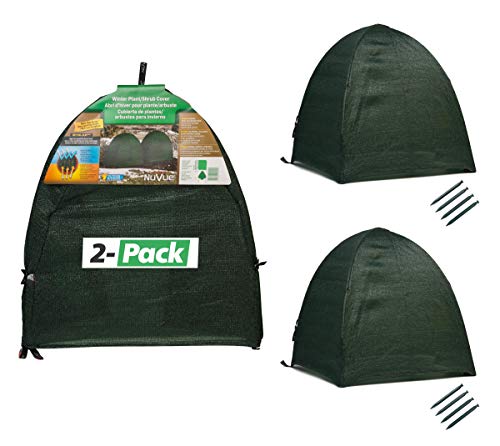
- BWP Score9.0
BWP Score is a ranking system developed by Bestwinterproducts.com. BWP score has no relationship or impact from any manufacturers or sales agent websites. Learn more
- BrandNuVue

- BWP Score9.0
BWP Score is a ranking system developed by Bestwinterproducts.com. BWP score has no relationship or impact from any manufacturers or sales agent websites. Learn more
- BrandGardzen

- BWP Score9.0
BWP Score is a ranking system developed by Bestwinterproducts.com. BWP score has no relationship or impact from any manufacturers or sales agent websites. Learn more
- BrandSCRUBIT
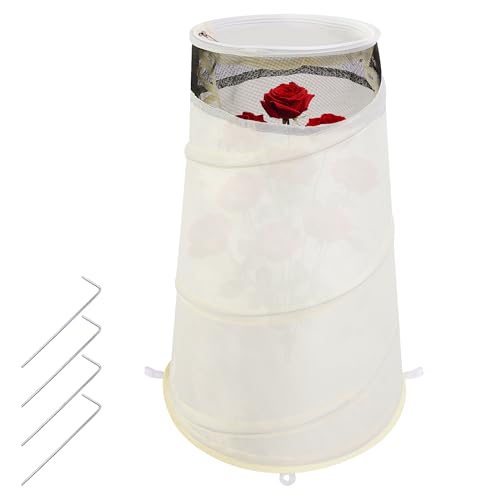
- BWP Score9.0
BWP Score is a ranking system developed by Bestwinterproducts.com. BWP score has no relationship or impact from any manufacturers or sales agent websites. Learn more
- BrandPURPLE STAR 1N

- BWP Score8.4
BWP Score is a ranking system developed by Bestwinterproducts.com. BWP score has no relationship or impact from any manufacturers or sales agent websites. Learn more
- BrandGreenscapes

- BWP Score8.2
BWP Score is a ranking system developed by Bestwinterproducts.com. BWP score has no relationship or impact from any manufacturers or sales agent websites. Learn more
- BrandWesnoy
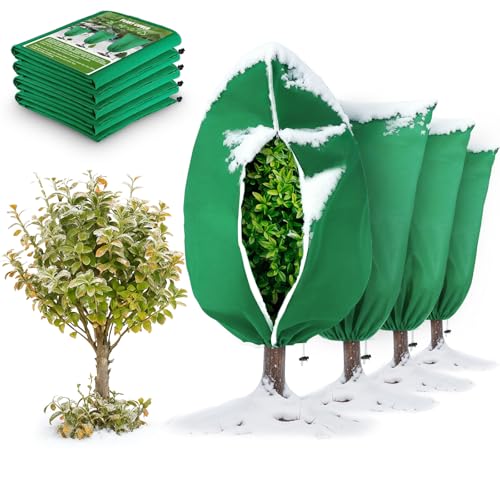
- BWP Score8.0
BWP Score is a ranking system developed by Bestwinterproducts.com. BWP score has no relationship or impact from any manufacturers or sales agent websites. Learn more
- BrandClebay

- BWP Score8.0
BWP Score is a ranking system developed by Bestwinterproducts.com. BWP score has no relationship or impact from any manufacturers or sales agent websites. Learn more
- BrandGJL

- BWP Score6.8
BWP Score is a ranking system developed by Bestwinterproducts.com. BWP score has no relationship or impact from any manufacturers or sales agent websites. Learn more
- BrandLFUTARI
Last update on 2026-10-03 / Affiliate links / Images, Product Titles, and Product Highlights from Amazon Product Advertising API
FAQs
Can I prune my rose bush short so it fits under a small cone?
You should not prune a rose bush severely in late autumn simply to make it fit inside a cover. Heavy autumn pruning stimulates the plant to push new growth buds that die during the first severe freeze, and open cut wounds will dry out and die back several inches during winter. Shorten only excessively tall, whippy stems to waist height to prevent wind damage, and buy a taller cover that fits your bush comfortably rather than hacking back healthy wood.
What should I do if my rose starts growing under the cover before winter ends?
If you see pale green or white shoots forming under the cover during a late winter warm spell, do not strip the cover off immediately. Those pale shoots are very tender and will die if exposed to a sudden night frost. Instead, open the top ventilation flaps of your cone or loosen the drawstring at the bottom of the cover to let cool air circulate, which slows down growth until true spring arrives.
Do hardy shrub roses need to be covered in winter?
Most modern landscape and shrub roses, such as Knock Out or Canadian explorer series roses, are naturally cold-hardy down to sub-zero temperatures and do not require heavy wrapping or cones. These varieties are grown on their own roots rather than grafted, meaning that even if the top canes die back in severe cold, the shoots that emerge from the roots in spring will bloom normally. Mounding a simple 6-inch layer of wood mulch around their base is usually all the protection they need.
Should I water my outdoor rose bushes during the winter months?
Outdoor rose bushes planted in the ground do not need watering once the soil freezes solid, because frozen roots cannot take up moisture. However, giving your roses a deep, thorough soaking in late autumn right before the ground freezes provides vital hydration that helps the root system resist winter drying. Container roses kept in an unheated garage should receive a light cup of water once a month so their potting soil does not turn to dry dust.


Best Warm Winter Scarves 2026 For Cozy Comfort

Best Green Ski Goggles 2026 For Clear Vision On Slopes

12 Best Corner Electric Fireplace 2026: My Ultimate Guide To Pick One

Best Battery Powered Snow Blower 2026 For Effortless Snow Clearing

Best Ski Goggles Under 30 Inches For Crisp Vision And Comfort

Best Cooling Scarf 2026 For Instant Relief And Comfort

Fake Snow for Grass: Create a Realistic Winter Lawn Display

Dimplex Prism Wall Mount Fireplace: Sleek Heat With Modern Flame Style





