
Is the Aeocky 3rd Gen Space Heater the Quietest Choice Yet?

No, it is not the quietest option. True silence only comes from fanless heaters, which warm a room without moving air at all. Still, this design is unusually quiet for a fan heater. Instead of a harsh drone or rattling blades, it produces a steady rush of air that stays soft enough for phone calls and desk work.
What works best depends on how you handle sound during sleep or work. An oil-filled radiator makes zero noise, but it takes much longer to heat a chilly corner. A fan unit pushes out warmth immediately, yet even a muted hum can bother light sleepers. Control beeps and clicking switches can also disturb a peaceful night. Here is how its sound level compares to everyday household noises so you can decide what fits your space.
The Short Version
- Not the quietest overall: The Aeocky 3rd-Gen space heater is not the quietest model on the market because fanless heaters like oil-filled radiators run in complete silence.
- Exceptionally quiet for a fan heater: Its 37-decibel sound level is significantly quieter than standard ceramic heaters, sounding like a soft whisper or a gentle computer hum.
- Drum-style fan wheel: Instead of chopping fan blades, it uses an internal blower wheel that smooths airflow and eliminates high-pitched whirring.
- How to choose: Pick this ceramic heater if you need fast, direct warmth at a desk or bedside, but choose a fanless radiator if you cannot tolerate any sound while sleeping.
Is the Aeocky 3rd-Gen Truly the Quietest Heater Available?
The short answer is no. While promotional materials claim utmost silence, no forced-air electric heater can run without making any sound. Moving air through heating elements and outer grilles creates air friction, and that friction always produces noise.
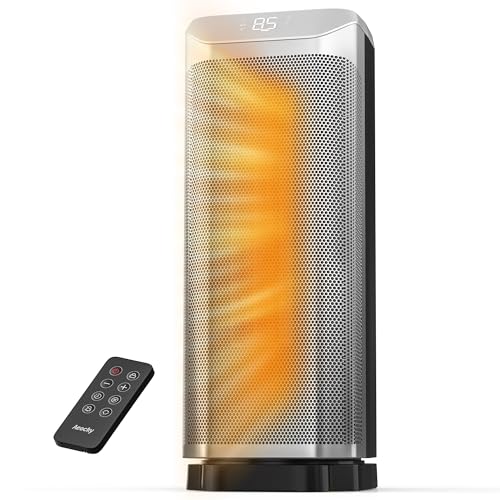
The Aeocky 3rd-Gen is a 1500-watt ceramic model. It relies on a ceramic heating element that warms up in seconds and uses an electric motor to blow that heat across your room. If your priority is absolute silence, fanless heaters easily outperform any fan-driven unit. A silent radiator heater that circulates steady, lasting warmth or a radiant panel has no motor and no blowing air. Those heaters operate at zero decibels, warming spaces without a whisper.
Where this 16-inch heater stands out is among other forced-air ceramic heaters. Traditional portable ceramic heaters typically produce between 45 and 55 decibels, sounding like a bathroom exhaust fan or a running microwave. Operating at 37 decibels places the Aeocky 3rd-Gen among the quietest fan-forced models you can buy. It is remarkably quiet for a tower heater, but calling it the quietest heater overall overlooks completely silent fanless alternatives.
What 37 Decibels Actually Sounds Like in a Bedroom
Sound loudness is measured in decibels, often written as dB. Because the decibel scale is logarithmic, small shifts in numbers create big changes in what your ears detect. A jump of 10 decibels sounds roughly twice as loud to human hearing.
To understand 37 decibels, compare it to common everyday sounds:
- Quiet bedroom at midnight: Around 30 decibels.
- Soft library whisper: Between 30 and 35 decibels.
- Desktop computer idling: Between 35 and 40 decibels.
- Standard box fan or older ceramic heater: Between 45 and 55 decibels.
- Normal conversation: Around 60 decibels.
At 37 decibels, the Aeocky 3rd-Gen sounds like a gentle breeze or a quiet computer fan under a desk. During the day, normal household activity easily masks this sound. You can hold phone calls or join virtual meetings without microphones picking up background motor noise.
At night, when the house turns still, 37 decibels is audible as a low, steady whoosh. Light sleepers who like white noise often find this smooth sound soothing. But if you require a pin-drop silent room to sleep, any moving air can keep your attention awake.
Placement also makes a difference. Keeping the unit six to eight feet away from your bed allows the sound to fade into the background, whereas setting it right next to your pillow makes it sound noticeably louder.
How the Drum-Style Fan Wheel Cuts Down on Harsh Noise
The main reason this heater runs quieter than traditional ceramic models comes down to how it moves air. Older designs rely on propeller blades like a desktop fan. As those blades chop through air at high speed, they create rapid pressure changes. This chopping motion causes a mechanical drone and a high-pitched whir that stands out in a quiet room.
The Aeocky 3rd-Gen uses an internal drum-style fan wheel instead. This cylindrical wheel draws air in along its full length and rolls it out in a smooth, continuous sheet. Eliminating the chopping action of fan blades lowers turbulence and changes the sound profile in two helpful ways:
- Lower sound pitch: High-frequency sounds irritate ears and wake light sleepers much faster than low tones. The drum-style fan wheel replaces sharp fan whines with a gentle, low-pitched rush of air.
- Even air distribution: Because the wheel matches the 16-inch tower height, warm air exits across a broad grille. Traditional heaters cram airflow through a small round port, which creates higher air speed and louder wind noise.
The motor setup also helps. A sealed fan motor isolates rotational forces and resists vibration. Cheaper space heaters often rattle against thin plastic panels as they run, but a balanced drum wheel inside a rigid housing keeps mechanical vibration quiet.
Hidden Noises That Can Still Interrupt Your Sleep or Calls
A heater can have a low fan rating and still disturb your rest if other parts make sudden noises. Before relying on any heater overnight, check for these common sounds:
- Button beeps: Many tower heaters chime loudly every time you change a setting or use the remote control. Without a mute setting, adjusting the temperature at night can wake others in the room.
- Thermostat relay clicks: A digital temperature dial that clicks on and off to hold your set warmth uses an internal switch. When the room reaches the target temperature, the switch snaps off, then clicks back on when the room cools. In a dead-quiet room, that sharp metallic snap every few minutes can startle light sleepers.
- Oscillation groans: The Aeocky includes 70-degree oscillation to sweep heat across the room. While smooth initially, rotating gears and plastic tracks can develop squeaks or clicking over time. Turning oscillation off before going to bed avoids these noises.
- Thermal expansion ticks: Ceramic elements and metal frames expand as they heat up. You may hear faint ticking or pinging noises during the first five minutes of operation. Once the heater reaches a steady temperature, this expansion noise stops.
Ceramic Fan Heaters vs. Oil-Filled Radiators in Quiet Rooms
Choosing between a ceramic fan heater and an oil-filled radiator comes down to how fast you need heat and how sensitive you are to background noise.
A ceramic heater delivers rapid, focused warmth. A ceramic heating element that warms up in seconds starts blowing hot air immediately, making it ideal for warming cold feet under a desk or taking the chill out of a room before work. For drafty, unheated outbuildings, forced-air models designed for tight workspaces or built for warming freezing workspaces rely on this exact airflow power to cut through cold air pockets quickly.
The trade-off is that ceramic heat disappears soon after the unit shuts off. Because it warms circulating air, drafts carry the heat away, meaning the fan must cycle on and off regularly to keep the room comfortable.
An oil-filled radiator works much slower, taking 20 to 30 minutes to warm up. But because it has no fan and no motor, it runs in complete silence at zero decibels. The metal fins gently radiate heat that warms walls, furniture, and people directly. The oil also holds heat for a long time after the element clicks off, providing even temperatures without sudden motor sounds.
If you need fast warmth while working or can sleep with a soft white noise hum, the Aeocky 3rd-Gen is a practical choice. But if you wake up at any mechanical sound, a fanless oil radiator remains the best choice for sleeping.
What to Look for When Choosing a Quiet Space Heater
Marketing terms like ultra-quiet do not tell you how a heater actually behaves in a quiet room. To find a model that fits your space, pay attention to the mechanical build and safety features:
- Fan style: If you want fast heat from a fan model, look for a drum-style fan wheel rather than standard blades. The drum wheel creates a lower, smoother sound that fades easily into room background noise.
- Display and sound controls: Look for units that allow you to mute button beeps and turn off bright display lights so glowing numbers do not disturb a dark bedroom.
- Electrical safety: Standard portable electric space heaters in the US pull up to 1,500 watts, which is about 12.5 amps on a standard 120-volt household circuit. Plug directly into a dedicated wall outlet to avoid tripping 15-amp breakers. Never use an extension cord, power strip, or surge protector, as these can overheat and spark fires.
- Safety shutoffs: Make sure the heater includes an automatic overheat sensor that shuts the unit off if internal parts get dangerously hot, as well as a tip-over safety switch that cuts power instantly if the unit is knocked over or tilted. Check the label for recognized safety marks like UL or ETL.
- Clearance buffer: Keep at least a 3-foot safety buffer between your heater and flammable items like bedding, drapes, and furniture, and always place the unit on a flat, level floor.

- BWP Score7.5
BWP Score is a ranking system developed by Bestwinterproducts.com. BWP score has no relationship or impact from any manufacturers or sales agent websites. Learn more
- BrandAEOCKY

- BWP Score7.5
BWP Score is a ranking system developed by Bestwinterproducts.com. BWP score has no relationship or impact from any manufacturers or sales agent websites. Learn more
- BrandAEOCKY
- BWP Score7.3
BWP Score is a ranking system developed by Bestwinterproducts.com. BWP score has no relationship or impact from any manufacturers or sales agent websites. Learn more
- BrandAEOCKY
Last update on 2026-10-12 / Affiliate links / Images, Product Titles, and Product Highlights from Amazon Product Advertising API
FAQs
Can you turn off the button beeps on modern ceramic heaters?
Some ceramic tower heaters include a mute button or let you hold a control button down to silence beeps, while others beep every time you press a button or use the remote. Check the user manual before buying if sharp sounds disturb your sleep. If your unit lacks a mute option, set your desired temperature before getting into bed.
Is a 37-decibel space heater quiet enough for sleeping?
For most people, 37 decibels sounds like a soft, smooth hum that acts like comfortable white noise. But if you wake up from any mechanical sound or subtle air movement, even 37 decibels can be noticeable in an otherwise silent bedroom. Light sleepers who need total stillness should choose a fanless oil-filled radiator instead.
Why does a space heater click while running?
That clicking sound comes from an internal mechanical switch turning the heating element on and off to maintain your target warmth. When the room reaches the temperature set on the digital temperature dial, the switch clicks off to save electricity, then clicks back on when the room cools. Setting the heater several feet from your bed makes this click much less noticeable.
Is it safe to place a compact space heater on a nightstand?
No, space heaters should always sit on a flat, level, hard floor rather than elevated furniture like nightstands, dressers, or tables. Putting a heater on a nightstand creates a tip-over hazard and brings hot grilles too close to bedding, pillows, and blankets. Always maintain a 3-foot safety buffer around the unit.


Best Warm Winter Scarves 2026 For Cozy Comfort

Best Green Ski Goggles 2026 For Clear Vision On Slopes

12 Best Corner Electric Fireplace 2026: My Ultimate Guide To Pick One

Best Battery Powered Snow Blower 2026 For Effortless Snow Clearing

Best Ski Goggles Under 30 Inches For Crisp Vision And Comfort

Best Cooling Scarf 2026 For Instant Relief And Comfort

Fake Snow for Grass: Create a Realistic Winter Lawn Display

Dimplex Prism Wall Mount Fireplace: Sleek Heat With Modern Flame Style





