
What Flowers Bloom in Late Winter Snow and Frost?

The hardiest outdoor plants that open during freezing weather include hellebores, snowdrops, winter aconite, and witch hazel. Bloom times shift depending on how cold your local climate stays through late winter. These cold-hardy varieties push through frozen dirt naturally, shrugging off frost and snow that would easily kill tender greenhouse flowers.
Getting them to return each season depends on your soil drainage and planting calendar. Melting snow needs to soak away quickly so underground bulbs (plant food storage balls) never sit in freezing water, and most types require planting in autumn before the ground freezes solid. Finding spots under bare trees also ensures they catch enough warming sunlight. Here is how these winter flowers survive the deep freeze and bring reliable color to a gray yard.
The Short Version
- Top cold-hardy varieties: Snowdrops, hellebores, winter aconite, witch hazel, and early crocus produce bright petals directly through snow cover and hard frost weeks before spring arrives.
- Natural freeze defense: These plants do not turn to mush in sub-freezing temperatures because their cellular fluids contain concentrated sugars that act like biological antifreeze.
- Planting window: True winter-blooming bulbs and root crowns need autumn planting so their root systems settle; if your soil is frozen solid today, use potted displays on sheltered porches or weather-resistant faux arrangements for instant color.
- Ideal garden location: Tuck these plants under bare tree branches where they catch bright winter sunlight now, then enjoy cooling summer shade once warm weather arrives.
Reliable Flowers That Bloom in Late Winter Snow
Stepping outside in February to see petals pushing through a crust of ice feels like a magic trick. Yet several hardy species naturally reach peak bloom during the coldest, darkest stretch of the year. Choosing the right varieties ensures your garden displays vibrant color while surrounding yards remain brown and dormant.
Hellebores (Lenten Rose and Christmas Rose): Hellebores are the undisputed royalty of the late winter garden. These tough plants are a perennial (a plant that lives and returns year after year). They hold thick, leathery green leaves all winter long and push up cup-shaped blooms from late January through March. Their flowers come in shades of slate purple, dusty pink, pale green, and creamy white, often speckled with deep maroon dots. The blooms nod downward, a clever design that shields delicate inner pollen from freezing rain and heavy snowfall.
Snowdrops (Galanthus): True to their name, snowdrops often punch right through several inches of hard snow crust. Each plant grows from a bulb (an underground root ball that stores plant food). Slender green shoots appear first, quickly followed by dainty, pure white bell flowers that dangle from arching stems. Snowdrops naturalize easily, which means they slowly spread outward over the years to form thick, luminous carpets beneath dormant shrubs.
Winter Aconite (Eranthis hyemalis): If you want bright, cheery color to cut through gray winter skies, winter aconite delivers. This low-growing tuber produces golden buttercup blooms surrounded by a frilly collar of green leaves. They open wide on sunny mornings when temperatures rise just above freezing, then snap shut as evening frost returns. Planted in large drifts, they look like scattered drops of sunshine sitting on bare ground.
Witch Hazel (Hamamelis): Witch hazel is a woody shrub rather than a ground flower, but it offers some of the most fragrant late winter color you can grow. During January and February, bare woody branches burst into spidery clusters of ribbon-like petals. These blooms range in color from glowing gold and coppery amber to deep ruby red. On bitter sub-zero days, the ribbons curl up tightly against the bark to avoid windburn, then unfurl as soon as the afternoon sun warms the air.
Snow Crocus (Crocus tommasinianus): Unlike giant Dutch crocuses that open in mid-spring, the snow crocus blooms weeks earlier, often around mid-February. These small, star-shaped flowers open in tones of soft lilac, deep violet, and golden orange. They are remarkably resilient against freezing temperatures and have tough outer coatings that deter hungry squirrels and chipmunks that frequently dig up other early bulbs.
How Late Winter Flowers Survive Freezing Frost
Most garden plants turn into brown, water-soaked slime when ice hits them. That happens because water inside ordinary plant cells expands as it freezes, tearing cell walls open like broken water pipes. Late winter bloomers use specialized biological strategies to prevent this damage entirely.
First, their cell sap holds high concentrations of dissolved sugars, salts, and organic proteins. Just like road salt prevents icy streets from freezing solid, these concentrated sugars lower the freezing point inside the plant tissue. Ice cannot easily form inside the cell walls, keeping the living core of the petal safe from ice crystals.
Second, these plants move pure water out of their cells and into the spaces between them. If ice does form, it crystallizes safely outside the vital cellular machinery. This process causes the plant to lose internal water pressure during a bitter night. You might look outside at sunrise and see your hellebores lying completely flat against the frozen ground, looking lifeless. Do not panic. As the morning sun warms the stems, the plant pulls the water back inside its cells, stands fully upright, and continues blooming as if nothing happened.
Their physical shapes also defend against winter weather. Flowers like snowdrops and hellebores hang upside down like umbrellas. This downward angle stops freezing rain from pooling inside the blossom, protecting fragile stamens and pistils from getting encased in solid ice.
Timing and Planting Rules for Cold-Season Blooms
A common mistake among gardeners is seeing winter blooms in a magazine and running out with a shovel in February to plant them. In most areas, digging into frozen, slushy garden beds does far more harm than good. Follow these practical rules to get the timing right.
- Plant bulbs in mid-to-late autumn: Snowdrops, winter aconite, and crocus bulbs need weeks in cool, moist soil to grow root systems before the surface freezes solid. Plant them in October or November at a depth roughly three times the height of the bulb.
- Sow perennial seeds for winter chilling: Many hardy winter flowers require cold stratification (chilling seeds in cold soil to trigger sprouting). If you grow hellebores or native winter bloomers from seed, sow them outdoors in late autumn or early winter so freezing ground temperatures naturally break their seed coats.
- Shelter mid-winter nursery purchases: If you buy blooming hellebores in a container from a garden center in February, do not dig a hole in frozen garden dirt. Keep the pot on a sheltered porch or inside an unheated garage where it gets indirect light, keeping the soil barely damp until spring thaws the ground.
- Check drainage before ground freezes: Cold mud kills far more winter plants than cold air does. Standing water freezes into ice sheets that suffocate underground crowns. Always work aged compost or coarse grit into dense clay beds to let melting snow drain freely away from root systems.
When you head out to clear debris or check on new shoots in February, learning how to keep feet warm during winter will keep cold mud and ice from driving you back inside early.
Picking the Right Garden Spot for Winter Color
A plant can only bloom in late winter if it gets enough light, shelter, and drainage. Finding the sweet spot in your yard requires looking at your landscape through a winter lens rather than a summer one.
The best place for winter-blooming perennials is directly underneath deciduous (trees that lose their leaves in cold months). In mid-summer, the heavy leaf canopy of an oak or maple casts deep shade, protecting shade-loving hellebores and delicate bulbs from scorching summer heat. But in February, those tree branches are completely bare. Pale winter sunlight streams straight down to the soil, giving low-growing winter flowers the warmth and light energy they need to open their buds.
Position matters for your own enjoyment, too. There is little point in planting delicate four-inch snowdrops in the far back corner of your yard where you will never walk in freezing slush. Plant your late winter bloomers along your front walkway, next to the driveway, or right outside your kitchen window. Being able to see bright blooms from the breakfast table makes cold winter mornings much more cheerful.
You should also take advantage of microclimates created by your home. Flower beds along south-facing or west-facing foundation walls absorb heat from the sun and radiate it back into the soil. Bricks, stone foundations, and concrete walkways hold warmth, often causing plants placed nearby to bloom a week or two earlier than identical plants growing out in an open lawn.
If you want to step outside to cut blooms or check your garden beds, knowing how to keep warm in winter outdoors makes cold morning strolls far more pleasant.
Quick Fixes When the Ground Is Frozen Solid
If your lawn is buried under six inches of snow and the soil is frozen like concrete, you cannot plant bulbs or perennials in the ground today. But you do not have to settle for a dull, lifeless porch while waiting for spring. Here is how three temporary color options compare when you need an immediate winter boost.
Sheltered Container Pots: You can place potted, flowering hellebores or winter pansies into heavy ceramic or stone urns on a covered porch. The roof keeps heavy snow off the petals, and placing the pot against an exterior house wall provides gentle radiant heat. But container soil freezes much faster than garden ground. During severe cold snaps below 20°F, you must slide the pots inside an unheated garage or entryway overnight to protect root systems.
Outdoor Faux Floral Bundles: When outdoor conditions are too severe for living container plants, high-grade artificial outdoor stems offer a zero-maintenance alternative. UV-resistant, waterproof faux bundles in bold colors like fuchsia, golden yellow, purple, or crisp white can be arranged directly into window boxes or porch planters filled with sand or floral foam. They withstand heavy snowfalls, driving sleet, and sub-zero wind chills without fading, wilting, or turning brown, providing bright, dependable curb appeal until real flowers emerge.
Winter Greens and Cut Branches: A traditional winter arrangement uses freshly cut evergreen boughs, red-twig dogwood stems, and berry branches pressed into dirt-filled porch planters. This option provides lovely texture and rich forest color throughout January and February. But cut branches do dry out over time, especially in dry winter winds, and they lack the bright floral petal shapes of blooming plants.
Choosing Cold-Hardy Plants and Winter Color Solutions
Adding cold-season color requires picking materials suited to your specific climate zone and winter conditions. Whether you are ordering seeds to start in autumn or buying outdoor accents for your porch today, checking a few basic details ensures your money is well spent.
When selecting seeds or root crowns for the garden, check the listed winter hardiness zone on the package. True winter bloomers like hellebores and snowdrops generally thrive in zones 4 through 8, but specific cold tolerance varies by species. Verify whether the seeds require moist cold stratification so you can schedule planting before winter frosts arrive. For garden beds, confirm whether the plant prefers rich, moist woodland soil or sharp, sandy drainage.
If you are choosing weather-resistant artificial flower bundles to brighten empty porch boxes or patio planters during freezing weather, inspect the material descriptions carefully. Look for bundles explicitly marked as waterproof and UV-resistant so winter sun and blowing snow will not fade the bright dyes or make the plastic stems brittle. Flexible internal wire stems allow you to bend and arrange the flowers naturally among real evergreen branches for a lush, realistic appearance that lasts through the harshest winter weather.
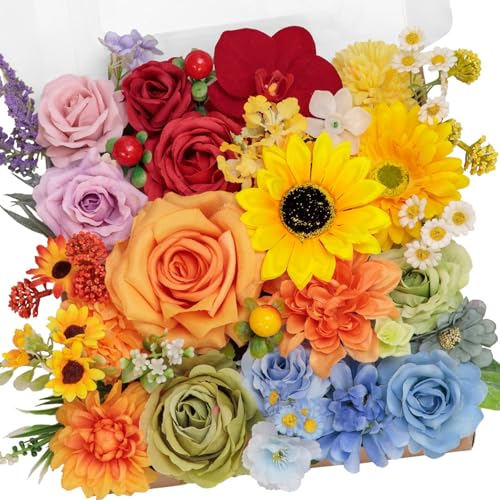
- BWP Score9.2
BWP Score is a ranking system developed by Bestwinterproducts.com. BWP score has no relationship or impact from any manufacturers or sales agent websites. Learn more
- BrandTINGE TIME
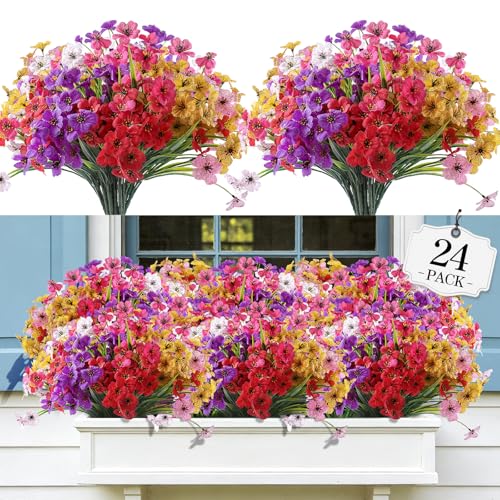
- BWP Score8.8
BWP Score is a ranking system developed by Bestwinterproducts.com. BWP score has no relationship or impact from any manufacturers or sales agent websites. Learn more
- BrandAGIRL

- BWP Score8.8
BWP Score is a ranking system developed by Bestwinterproducts.com. BWP score has no relationship or impact from any manufacturers or sales agent websites. Learn more
- BrandBuggyBeds

- BWP Score8.4
BWP Score is a ranking system developed by Bestwinterproducts.com. BWP score has no relationship or impact from any manufacturers or sales agent websites. Learn more
- BrandWillard & May

- BWP Score8.0
BWP Score is a ranking system developed by Bestwinterproducts.com. BWP score has no relationship or impact from any manufacturers or sales agent websites. Learn more
- BrandBurpee

- BWP Score8.0
BWP Score is a ranking system developed by Bestwinterproducts.com. BWP score has no relationship or impact from any manufacturers or sales agent websites. Learn more
- BrandKVITER

- BWP Score7.8
BWP Score is a ranking system developed by Bestwinterproducts.com. BWP score has no relationship or impact from any manufacturers or sales agent websites. Learn more
- BrandMarde Ross & Company
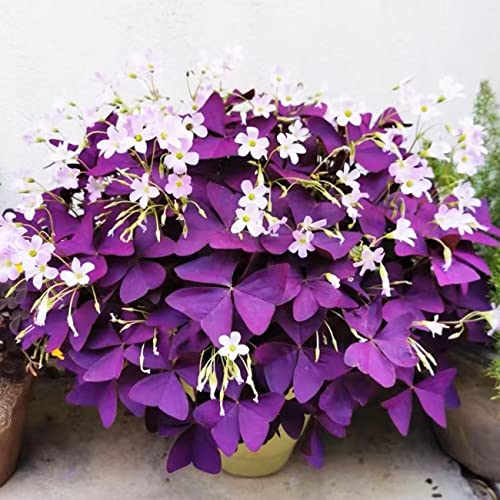
- BWP Score7.4
BWP Score is a ranking system developed by Bestwinterproducts.com. BWP score has no relationship or impact from any manufacturers or sales agent websites. Learn more
- BrandVISTATU

- BWP Score6.8
BWP Score is a ranking system developed by Bestwinterproducts.com. BWP score has no relationship or impact from any manufacturers or sales agent websites. Learn more
- BrandWivolibe
Last update on 2026-10-03 / Affiliate links / Images, Product Titles, and Product Highlights from Amazon Product Advertising API
FAQs
Do late winter flowers come back every year on their own?
Yes, true late winter bloomers like hellebores, snowdrops, winter aconite, and early crocuses are hardy perennials that return reliably every year. In fact, many of them slowly multiply over time, spreading outward through self-seeding or bulb offsets to create larger patches of blooms each winter without any extra planting effort on your part.
What should you do if heavy snow buries blooming late winter flowers?
Leave the snow right where it is. Snow is actually an exceptional insulator that protects delicate petals from drying winter winds and bitter sub-zero temperatures. Trying to shovel or sweep heavy snow off blooming stems can snap the cold-stiffened stalks, whereas letting the snow melt naturally allows the flowers to pop back up undamaged.
Can you plant winter-blooming flower seeds directly in frozen soil?
You cannot easily sow seeds into soil that is frozen solid, but you can scatter cold-hardy seeds on top of snow or cold ground just before a winter thaw. As the top layer of dirt softens with melting snow, the seeds settle into the mud and receive the cold, moist conditions they require to break dormancy and sprout when temperatures rise.
Can you cut late winter flowers to keep in a vase inside?
Yes, hellebores, witch hazel branches, and snowdrops make fantastic cut flowers for indoor arrangements. To help hellebores last longer in a vase, wait until their central seed pods begin to form before cutting, make a vertical slit up the bottom half-inch of the stem, and place them in cool water away from direct indoor heat sources.


Best Warm Winter Scarves 2026 For Cozy Comfort

Best Green Ski Goggles 2026 For Clear Vision On Slopes

12 Best Corner Electric Fireplace 2026: My Ultimate Guide To Pick One

Best Battery Powered Snow Blower 2026 For Effortless Snow Clearing

Best Ski Goggles Under 30 Inches For Crisp Vision And Comfort

Best Cooling Scarf 2026 For Instant Relief And Comfort

Fake Snow for Grass: Create a Realistic Winter Lawn Display

Dimplex Prism Wall Mount Fireplace: Sleek Heat With Modern Flame Style





