
What Are the Warmest Winter Boots for Freezing Weather?

Most people assume a boot with an extreme sub-zero rating on the box is automatically the warmest option. That number is often misleading, because real warmth comes from thick outsoles paired with dense felt or heavy synthetic insulation. Boots built with those layers trap heat effectively without collapsing under your weight.
What works best still depends on how you spend your time outside. Standing still on ice demands deep padding, while active walking builds sweat that can chill feet inside a boot that is too warm. Sole thickness also matters, since thin rubber lets frozen ground drain heat immediately. Even the heaviest lining fails if a tight fit squeezes toes and cuts off warm blood flow. Here is how to spot the right construction so your feet stay warm all season.
The Anatomy of True Boot Warmth
The warmest winter boots work by creating a sealed microclimate around your feet. Keeping your feet warm is not just about packing thick fluff into a shoe. True warmth relies on three distinct layers working together: an insulating core, a waterproof and breathable barrier, and a thick, dense sole that isolates your feet from the frozen ground.
The first layer is the insulation, which is the thickness and density of warmth padding inside the boot. This material traps pockets of still air, which your body warms up like a small heater. If the padding is too thin or gets squashed flat, those air pockets disappear and heat escapes instantly into the cold air.
The second layer is a breathable barrier. A boot must keep out slush, melting snow, and rain, but it also has to let foot perspiration escape. Your feet produce up to a cup of moisture every day during normal activity. If a boot blocks water from entering from the outside but traps that sweat on the inside, your socks quickly become damp and your skin temperature drops fast.
The third layer is the outsole and midsole beneath your feet. Most people forget that the greatest source of cold is not the air, but the ground you stand on. This process, known as conductive chill, draws heat straight down into the frozen ground, packed snow, or ice. Boots with thin soles allow the frozen ground to suck the heat right out of the balls of your feet, even if the upper part of the boot is heavily padded.
Choosing Insulation Weight for Your Temperature and Activity
When shopping for winter boots, you will often see insulation measured in grams, such as 200g, 400g, or 800g. This number does not tell you the total weight of the boot. Instead, it refers to the weight and density of a square meter of that insulating fabric. Higher numbers mean thicker, denser padding that traps more warm air.
A rating of 200 grams works best for mild winter days between 30°F and 40°F, or for high-exertion activities like clearing heavy snow with a shovel, walking briskly, or snowshoeing. When your body is working hard, your muscles produce plenty of natural heat, so a lighter layer keeps your feet comfortable without causing heavy sweating.
A rating of 400 grams is the standard sweet spot for true freezing weather between 10°F and 30°F. This level provides enough thermal protection for everyday winter tasks, short walks, and running errands while keeping your toes cozy. If you spend time staying warm outdoors in winter while moving at a moderate pace, this weight balances heat retention and breathability.
Insulation levels of 600 to 1,000 grams or thick felt liners are built for deep sub-zero conditions or long periods of standing still. If you are ice fishing, waiting at an unheated bus stop, or working outdoors in single digits, your feet produce very little heat of their own. In those moments, you need dense padding and heavy thermal barriers to survive the bitter chill.
Why Warm Boots Fail to Keep Feet Warm
Many people buy boots rated for extreme cold and still suffer from numb, aching toes. Boots fail to deliver their promised warmth when common fit and moisture mistakes cancel out their insulation. Here are the main reasons warm boots leave feet cold:
- The fit is too tight: When your toes are squeezed against the front or sides of the boot, the padding gets compressed, destroying the tiny dead-air pockets that hold warmth. Worse, tight boots restrict blood circulation, cutting off the steady flow of warm blood to your extremities.
- You are wearing regular cotton socks: Cotton fibers soak up sweat like a sponge and hold onto it. Cotton traps sweat and stays cold, pulling heat away from your skin up to 25 times faster than dry air.
- The outsoles are too thin: A boot can have inches of faux fur around your calf, but if the rubber beneath your heel and toes is thin, conductive chill will freeze your feet from below within ten minutes of standing on ice.
- Residual moisture from yesterday: Putting your feet into boots that are still slightly damp from the day before ruins insulation instantly. Damp lining cannot trap warm air, making your feet feel chilled almost the second you step outside. Learning how to keep feet warm during winter always starts with completely dry gear.
Pac Boots Versus Active Winter Hiking Boots
Deep winter boots generally fall into two broad designs: traditional pac boots and modern active winter boots. Choosing between them comes down to whether you will be standing still in deep drifts or walking long distances over uneven terrain.
A pac boot is a heavy-duty boot built with a thick waterproof rubber bottom shell, often called a duck-bill or lower tub, combined with a tall leather or water-resistant nylon upper shaft. Inside, they typically feature a thick removable liner made from dense felt or multi-layer thermal foam. Pac boots are the undisputed champions of stationary warmth, slush protection, and deep snowdrifts. The thick rubber tub acts as a barrier against standing water and slush, while the thick liner cushions your feet from ground freeze. The tradeoff is bulk and weight. They feel like heavy clunkers to walk in and offer minimal ankle support for hiking.
Active winter hiking boots look and feel like standard trail footwear, but they include built-in synthetic insulation and waterproof membranes. Their insulation is usually permanently stitched between the outer leather and inner lining. They feature lightweight foam midsoles and aggressive rubber treads designed for traction on frozen trails. These boots are far lighter and more flexible than pac boots, making them ideal for winter trekking, snowshoeing, or walking the dog. However, because they are lighter and thinner underfoot, they will not keep your feet warm as long if you are standing motionless on frozen ground.
How to Fit Winter Boots and Choose Socks to Prevent Freezing Toes
Getting the right fit and layering system is just as critical as the insulation rating printed on the box. Follow these practical steps to guarantee your boots keep your toes warm all winter long.
- Leave a thumb-width of space in front of your longest toe. When your boots are laced, you should be able to wiggle all your toes freely without them touching the front cap. Trapped air between your toes and the boot lining is what actually holds heat, and cramped toes lose blood circulation rapidly.
- Wear moisture-wicking wool-blend socks instead of cotton. Pull on socks made from merino wool or synthetic thermal fibers before putting your boots on. Wool fibers naturally transport sweat away from your skin while retaining their insulating loft even when damp, keeping your skin dry and warm. Check our advice on how to keep toes warm in the winter for proper sock layering habits.
- Try boots on late in the day with your thickest winter socks. Feet naturally expand and swell slightly over the course of a day as you walk. A boot that feels snug in the morning will pinch your toes by late afternoon, which reduces blood flow and makes your feet vulnerable to the cold.
- Ensure your heel stays locked in place without overtightening the laces. Walk around the room and make sure your heel does not lift out of the footbed with every step. If you have to crank the laces down painfully tight to prevent heel slip, the boot is the wrong shape for your foot, and overtightened laces will pinch the blood vessels across the top of your foot.
- Check the thickness of the footbed. Pull out the removable insole and inspect it. If it is paper-thin, replace it with a thick thermal foam or wool-felt insole to add a vital buffer against conductive chill from the frozen ground.
- Dry boots thoroughly between uses. Pull out removable liners or insoles every evening and let them air dry at room temperature away from direct heat. Never put damp boots near an open flame or intense radiator, which can crack rubber and damage waterproof glues.
What to Look for Before Buying Deep Winter Boots
Before purchasing cold-weather boots, check the physical construction details that separate truly warm footwear from basic fashion boots. Look for boots with thick outsoles and midsoles that elevate your foot at least an inch off the ground to block cold concrete and ice. A wide toe box is essential so your toes are never squished together when wearing thick wool socks.
Inspect the tongue of the boot to ensure it is gusseted, meaning the sides of the tongue are stitched directly to the upper shaft to create a sealed barrier against blowing snow and slush. If you spend long hours in deep cold without moving, choose boots with removable liners made of wool felt or multi-layer thermal foam, because they are easier to pull out and dry overnight. For active chores and winter walking, look for boots with a seam-sealed waterproof barrier and flexible cushioning that lets your foot roll naturally with each step.
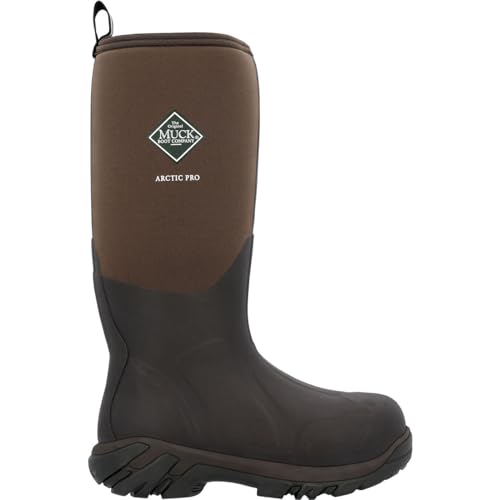
- BWP Score9.4
BWP Score is a ranking system developed by Bestwinterproducts.com. BWP score has no relationship or impact from any manufacturers or sales agent websites. Learn more
- BrandMUCK

- BWP Score9.4
BWP Score is a ranking system developed by Bestwinterproducts.com. BWP score has no relationship or impact from any manufacturers or sales agent websites. Learn more
- BrandHOBIBEAR

- BWP Score9.2
BWP Score is a ranking system developed by Bestwinterproducts.com. BWP score has no relationship or impact from any manufacturers or sales agent websites. Learn more
- BrandSorel
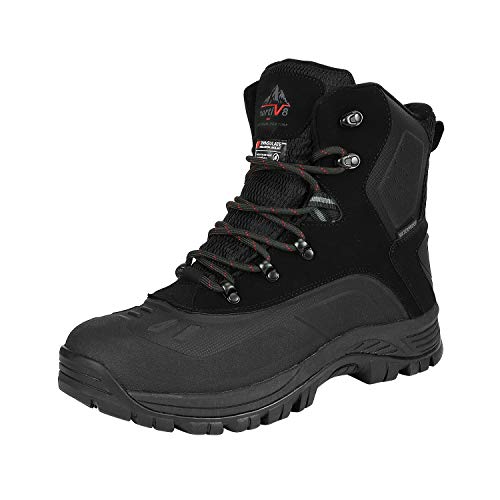
- BWP Score9.0
BWP Score is a ranking system developed by Bestwinterproducts.com. BWP score has no relationship or impact from any manufacturers or sales agent websites. Learn more
- BrandNORTIV 8

- BWP Score9.0
BWP Score is a ranking system developed by Bestwinterproducts.com. BWP score has no relationship or impact from any manufacturers or sales agent websites. Learn more
- BrandColumbia
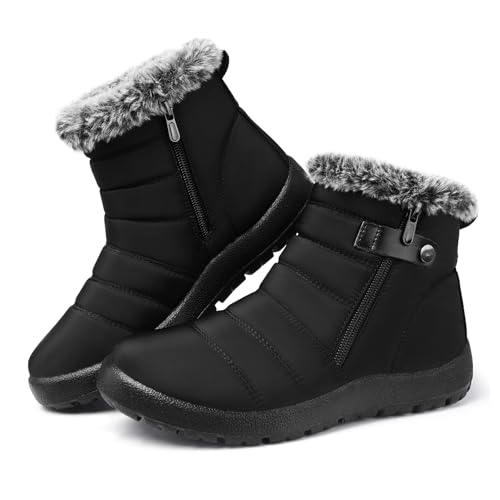
- BWP Score9.0
BWP Score is a ranking system developed by Bestwinterproducts.com. BWP score has no relationship or impact from any manufacturers or sales agent websites. Learn more
- BrandSHIBEVER

- BWP Score9.0
BWP Score is a ranking system developed by Bestwinterproducts.com. BWP score has no relationship or impact from any manufacturers or sales agent websites. Learn more
- BrandSHIBEVER

- BWP Score8.8
BWP Score is a ranking system developed by Bestwinterproducts.com. BWP score has no relationship or impact from any manufacturers or sales agent websites. Learn more
- BrandALEADER
- BWP Score8.8
BWP Score is a ranking system developed by Bestwinterproducts.com. BWP score has no relationship or impact from any manufacturers or sales agent websites. Learn more
- BrandAUSLAND
Last update on 2026-10-03 / Affiliate links / Images, Product Titles, and Product Highlights from Amazon Product Advertising API
FAQs
How much boot insulation do I need for below-zero temperatures?
For temperatures dipping below zero, look for boots with at least 600 to 1,000 grams of synthetic insulation or a thick removable felt liner measuring at least 9 millimeters. If you are standing still on ice or packed snow, prioritize boots with thick soles or thermal foam footbeds to block ground chill. Active hikers moving quickly in sub-zero air can often manage with 400 grams, provided their boots stay completely dry inside.
Should I size up when buying winter snow boots?
Sizing up by a half size or full size is often wise if you plan to wear medium to heavy wool-blend socks. Your toes need room to wiggle freely, because squishing your feet crushes the air pockets that hold warmth and cuts off blood flow. However, ensure the boot fits securely around your instep and heel so your foot does not slide around and cause blisters.
Why do my feet sweat and then turn freezing cold inside winter boots?
Feet produce natural sweat, and if that moisture cannot escape, it soaks your socks and lining. Damp fabric conducts heat away from your skin rapidly, leaving your feet cold as soon as you slow down. To prevent this, avoid cotton socks, choose boots with breathable liners, and avoid wearing heavy high-insulation boots when doing high-energy chores that cause you to overheat.
What is the safe way to warm up numb toes after coming inside?
Rewarm numb toes gently using lukewarm water or by wrapping your feet in a warm, dry blanket at room temperature. Never use hot water, heating pads, or direct heat from a fireplace or stove, because numb skin cannot accurately feel temperature and will burn easily. If feeling, normal color, and movement do not return after gentle rewarming, seek medical attention promptly to check for frostbite.


Best Warm Winter Scarves 2026 For Cozy Comfort

Best Green Ski Goggles 2026 For Clear Vision On Slopes

12 Best Corner Electric Fireplace 2026: My Ultimate Guide To Pick One

Best Battery Powered Snow Blower 2026 For Effortless Snow Clearing

Best Ski Goggles Under 30 Inches For Crisp Vision And Comfort

Best Cooling Scarf 2026 For Instant Relief And Comfort

Fake Snow for Grass: Create a Realistic Winter Lawn Display

Dimplex Prism Wall Mount Fireplace: Sleek Heat With Modern Flame Style





