
What Are Winter Hats With Ear Flaps Called?

Most shoppers assume any winter cap with side coverage goes by a single generic name like an earflap beanie. That description gets the idea across, but the classic fur-lined style with chin straps is actually called a trapper hat or an ushanka. Knit yarn versions with braided side tassels are known as chullos, while heavy leather designs typically go by bomber hats.
The right search term depends on the materials you want and the weather you face. Tough nylon shells packed with thick faux fur block howling sub-zero wind during outdoor chores, whereas soft fleece-lined knits offer lightweight warmth for daily walks. Other cold-weather options add baseball-style brims for bright, snowy days or ties that secure the flaps on top of the crown. Here is a breakdown of each design so you can easily identify the exact hat you need.
The Short Version
- Trapper and bomber hats: Rugged winter hats featuring fold-down side flaps, chin buckles, and thick faux fur or sherpa lining.
- Ushankas: Traditional Russian-style fur caps with dense flaps that can tie on top of the crown or fasten snugly under the chin.
- Chullos and earflap beanies: Knit wool or acrylic stocking caps designed with triangular side flaps, often featuring braided chin cords.
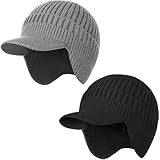
- Hybrid brimmed caps: Baseball-style panel hats with a sun visor and drop-down fleece ear bands for cold, sunny days.
The Classic Heavy-Duty Styles: Trapper, Ushanka, and Bomber Hats
When people picture a classic cold-weather hat with ear coverage, they usually imagine a heavy, fur-lined cap with long flaps dangling beside the cheeks. These hats go by three main names depending on their outer material and exact cut.
An ushanka is a Russian-style fur hat with fold-up ear flaps. The name comes from the Russian word for ears. These hats were designed for deep Arctic freezes, featuring a rounded crown and dense fur across the entire exterior. The side flaps are long enough to tie under the chin to block sub-zero wind. On milder days, you can tie the strings across the top of the crown or behind the neck, leaving your ears open while keeping your scalp warm.
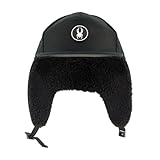
A trapper hat is the modern, outdoor-work version of the ushanka. Instead of an all-fur exterior, a trapper hat pairs a wind-blocking outer shell made of rugged nylon, polyester, or waxed canvas with soft faux fur or sherpa on the inside. Sherpa is a soft, woolly faux-fleece lining that traps body heat without feeling itchy. Trapper hats almost always include an adjustable chin strap with a snap or plastic buckle. This strap pulls the padded flaps firmly against your cheeks, preventing icy drafts from sneaking inside when you face strong winter winds.
A bomber hat, sometimes called an aviator hat, shares the silhouette of a trapper hat but has roots in early aviation. Pilots in open cockpits relied on these thick caps to survive freezing air at high altitudes. Traditional bomber hats use genuine leather or suede on the outside and real sheep shearling on the inside. Modern versions often use synthetic leather with fleece lining. They feel slightly heavier on your head than nylon trapper hats, but they stop freezing wind dead in its tracks and offer a classic vintage look.
Knit Styles: Chullos and Fleece-Lined Beanies
If you want ear coverage without the bulk or weight of a fur-lined trapper hat, knit styles provide a lighter, softer alternative. These designs pack easily into a coat pocket and stretch naturally over your head.
A chullo is a knit Andean beanie with earflaps and chin ties. Originally woven from alpaca or sheep wool in the high-altitude Andes mountains, the chullo is recognized by its snug conical crown and distinctive triangular ear flaps. Most chullos feature long braided yarn cords that hang down over your chest. You can let the tassels hang loose for a relaxed look, or tie them beneath your chin to keep the flaps anchored during brisk walks. They frequently showcase colorful geometric patterns, making them a popular choice for casual winter wear.
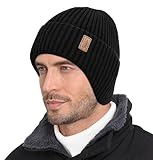
A standard earflap beanie adapts modern skull cap designs to solve a frustrating cold-weather problem. Regular knit beanies have a straight, level rim. As you walk, turn your head, or talk, the elastic fabric gradually creeps upward, exposing your lower earlobes to the cold. An earflap beanie prevents this by using a contoured lower edge. The sides dip downward in a smooth curve, keeping your ears completely covered even while you move around.
When picking a knit hat, always inspect the inside layer. Knit yarn has small air gaps between every stitch. A sharp winter gust will cut straight through loose acrylic, leaving your ears freezing within minutes. Look for a beanie with an inner fleece lining sewn behind the yarn. The soft microfleece blocks wind, holds warmth against your skin, and stops wool fibers from causing an itchy forehead. Knowing how to layer your headwear is just as important as knowing how to keep warm in winter outdoors during extended cold snaps.
Modern Hybrid Styles: Brimmed Caps and Panel Hats
Many people find that traditional beanies and heavy fur hats do not suit their daily routines. If you drive a truck, walk into low winter sunshine, or clear snow on bright mornings, hybrid caps blend sun glare protection with thermal ear coverage.
A winter baseball cap with ear flaps looks like a standard ball cap from the front, featuring a curved visor that shields your eyes from bright winter glare and falling sleet. Hidden along the sides and back is a fold-down band made of fleece or sherpa. During mild afternoons, you fold this band up inside the cap or flat against the outer crown. When the wind picks up, you flip the band down to cover your ears and the base of your skull.
A panel hat with ear flaps uses a low-profile five-panel or six-panel construction similar to modern outdoor caps. These hats are usually cut from water-repellent nylon or treated canvas, lined with warm fleece. Because the crown sits close to your scalp without puffy fur, it slips easily underneath a heavy coat hood without bunching up around your neck.
Specialized hybrid hats also address specific winter annoyances. For example, ponytail caps include a vertical opening in the back panel so you can pull long hair through without lifting the ear flaps off your ears. Other cold-weather caps feature detachable fabric face shields that clip onto side snaps. Using an integrated face piece helps you keep your face warm in winter during heavy blizzards without having to juggle a separate scarf or face mask.
Comparing Warmth, Wind Protection, and Bulk
Choosing between these styles comes down to balancing three factors: how cold it is, how windy it is, and how much you will be moving.
For stationary cold and extreme sub-zero weather, trapper hats and ushankas provide the strongest defense. If you are ice fishing, waiting for a commuter bus, or standing outside in below-zero wind chill, you need a wind-blocking outer shell and thick faux fur. The chin buckle clamps the side panels against your jaw, locking in heat and creating a barrier that wind cannot penetrate. The main drawback is bulk. These hats are large, heavy, and impossible to fit under tight hoods or sports helmets.
For active winter chores like shoveling snow, chopping firewood, or winter trail walking, a fleece-lined earflap beanie is usually the smartest pick. Heavy fur hats trap so much body heat that your scalp will begin sweating within fifteen minutes of hard labor. Cotton traps sweat and stays cold, and damp synthetic linings quickly make your head feel chilly once you pause to rest. A breathable knit hat with a wind-blocking fleece lining lets excess vapor escape while shielding your sensitive ear cartilage from wind chill.
Brimmed hybrid caps sit right between the two extremes. They do not provide the massive thermal cushion of a fur trapper, but they offer far better wind and weather defense than a light knit beanie. The front brim keeps snow flurries off your glasses, and the fold-down flaps protect your ears without adding awkward bulk to the top of your head.
Exact Search Terms to Find the Right Hat Online
Typing "warm winter hat" into an online search bar will mostly return standard beanies that leave your ears unprotected. If you want to pull up the exact styles covered here, use these specific search phrases:
- "Trapper hat with chin strap": Pulls up durable nylon or canvas hats lined with faux fur or sherpa, built for deep sub-zero conditions.
- "Russian ushanka fur hat": Finds full-fur or faux-fur caps with classic tie-up flaps on the crown and jaw.
- "Bomber hat shearling": Displays leather or suede aviator-style caps with plush shearling or fleece lining.
- "Chullo hat with ear flaps": Shows patterned knit beanies featuring triangular ear flaps and braided tassel ties.
- "Fleece lined earflap beanie": Brings up low-profile knit caps with contoured rims that cover the ears without hanging cords.
- "Winter baseball cap with drop down ear flaps": Finds brimmed sun caps with fold-out fleece or sherpa ear protectors.
- "Waterproof ear flap hat with face mask": Displays cold-weather hats equipped with removable snap-on shields for total facial protection.
What to Check Before Choosing an Ear Flap Hat
Before you purchase an ear flap hat for the upcoming winter, verify a few key functional details to ensure it will keep you comfortable when the thermometer drops.
First, look at the chin closure. Trapper and bomber hats use plastic quick-release buckles, metal snaps, or fabric ties. A plastic buckle or snap is much easier to open and close while wearing thick winter gloves. Fabric ties can freeze into hard, stiff knots if blowing sleet or melting snow wets the cords.
Second, examine the internal lining against your skin. A thick sherpa or brushed microfleece interior feels soft and immediately warm. Bare nylon shells or unlined knits feel cold on initial contact and let freezing drafts seep past your ears.
Third, confirm the sizing and adjustability. Unlike stretchy round beanies, structured trapper hats and brimmed caps do not give much stretch. Measure your head circumference around your temples with a flexible tape measure before ordering. A hat with an elastic back strap or an adjustable drawcord ensures the side flaps sit tight against your jawline rather than flaring out in the wind.

- BWP Score8.5
BWP Score is a ranking system developed by Bestwinterproducts.com. BWP score has no relationship or impact from any manufacturers or sales agent websites. Learn more
- BrandAoskey
- BWP Score9.3
BWP Score is a ranking system developed by Bestwinterproducts.com. BWP score has no relationship or impact from any manufacturers or sales agent websites. Learn more
- BrandZEXIAN
- BWP Score9.3
BWP Score is a ranking system developed by Bestwinterproducts.com. BWP score has no relationship or impact from any manufacturers or sales agent websites. Learn more
- BrandSpyder

- BWP Score9.0
BWP Score is a ranking system developed by Bestwinterproducts.com. BWP score has no relationship or impact from any manufacturers or sales agent websites. Learn more
- BrandWmcaps

- BWP Score7.4
BWP Score is a ranking system developed by Bestwinterproducts.com. BWP score has no relationship or impact from any manufacturers or sales agent websites. Learn more
- BrandSpyder

- BWP Score9.3
BWP Score is a ranking system developed by Bestwinterproducts.com. BWP score has no relationship or impact from any manufacturers or sales agent websites. Learn more
- BrandKejea

- BWP Score9.2
BWP Score is a ranking system developed by Bestwinterproducts.com. BWP score has no relationship or impact from any manufacturers or sales agent websites. Learn more
- BrandTOP-EX
- BWP Score7.3
BWP Score is a ranking system developed by Bestwinterproducts.com. BWP score has no relationship or impact from any manufacturers or sales agent websites. Learn more
- BrandWmcaps

- BWP Score7.1
BWP Score is a ranking system developed by Bestwinterproducts.com. BWP score has no relationship or impact from any manufacturers or sales agent websites. Learn more
- BrandWmcaps
Last update on 2026-10-03 / Affiliate links / Images, Product Titles, and Product Highlights from Amazon Product Advertising API
FAQs
What is the difference between a trapper hat and an ushanka?
An ushanka is traditionally covered completely in real or faux fur across the entire exterior and flaps. A trapper hat uses a water-repellent nylon, polyester, or canvas outer shell, placing the fur or fleece lining only on the inner side and the trim. Trapper hats are built for wet snow and rugged outdoor work, while ushankas provide maximum all-fur insulation in dry, freezing air.
Why do regular winter beanies keep sliding off my ears?
Standard beanies have a straight, flat rim that rests across the widest curve of your skull. When you chew, talk, or look around, your jaw and neck movements push the elastic knit upward. An earflap hat solves this by curving downward over the ears, anchoring the bottom hem securely around the lower jaw where it cannot creep up.
Can you wear an ear flap hat underneath a winter jacket hood?
Bulky faux-fur trapper hats and ushankas are usually too thick to fit comfortably inside a standard coat hood. If you plan to pull your hood up during heavy sleet or blizzards, choose a low-profile fleece-lined earflap beanie or a fitted panel cap. These streamlined designs insulate your ears while allowing a jacket hood to slide smoothly over your head.
What is sherpa lining on a winter hat?
Sherpa is a soft, woolly faux-fleece lining made from polyester that mimics the look and warmth of real sheep shearling. It traps pockets of warm air against your scalp, dries quickly if it gets damp from snow, and will not cause the itchy irritation that natural wool can create against sensitive ears.


Best Warm Winter Scarves 2026 For Cozy Comfort

Best Green Ski Goggles 2026 For Clear Vision On Slopes

12 Best Corner Electric Fireplace 2026: My Ultimate Guide To Pick One

Best Battery Powered Snow Blower 2026 For Effortless Snow Clearing

Best Ski Goggles Under 30 Inches For Crisp Vision And Comfort

Best Cooling Scarf 2026 For Instant Relief And Comfort

Fake Snow for Grass: Create a Realistic Winter Lawn Display

Dimplex Prism Wall Mount Fireplace: Sleek Heat With Modern Flame Style





