
What Are the Different Winter Hats Called?

Most shoppers assume any stretchy knit head covering is just a beanie. While that term is popular, cold-weather headwear divides into distinct styles: simple knit domes are beanies or watch caps, heavy flap caps are trapper hats, and full-coverage hoods are balaclavas. Calling every warm hat by the same generic label often leads to buying the wrong protection when bitter winds hit.
The exact name often depends on regional dialects, physical shape, and outdoor temperatures. A Canadian shopper might look for a toque, while folks in parts of the American South often ask for a toboggan. Hat construction matters just as much, because a slim skull cap fits under safety gear, but freezing gales require thick fold-down ear flaps. Here is how each style looks and performs so you can pick the right warmth.
Winter hats have specific names based on their shape
Walking into a clothing store or typing cold-weather gear into an online search bar can quickly become confusing. You see dozens of warm hats, but retailers label them with names like watch cap, toque, ushanka, skull cap, and balaclava. When you simply want to keep your head warm in freezing weather, guessing which name matches which style often leads to buying the wrong gear.
A thin runner cap will leave your ears aching in a twenty-degree breeze. A thick fur-lined hat will make your scalp sweat during a brisk walk to the train station. Knowing the exact name for each winter hat style solves this problem immediately. It allows you to search for the exact cut, fabric thickness, and coverage level you need for your local climate.
Winter headwear breaks down into three primary structural shapes. First are snug knit caps that pull directly down over the crown of the head. Second are structured earflap hats that drop fabric or fur panels over your ears and jaw. Third are full-coverage hoods that enclose your head, neck, and lower face all at once. Once you recognize these three groups, identifying the right hat takes only a few seconds.
Knit beanies and watch caps handle everyday cold
Knit hats are the most common winter headwear in North America. They stretch easily over your head, pack down small enough to slip into a coat pocket, and provide reliable warmth for daily commutes, running errands, and shoveling the driveway. But knit hats come in several distinct cuts, and their names change depending on how they are folded and where you live.
The classic cuffed beanie and watch cap
A cuffed beanie features a folded bottom rim of knitted fabric, known simply as the cuff. That folded rim creates a double layer of knit material directly over your forehead, temples, and ears. Because human ears have thin skin and very little natural fat insulation, blood vessels there constrict quickly in freezing air. That second knit layer gives your ears the extra barrier they need to prevent that sharp, throbbing ache caused by freezing wind.
You will often see this exact cuffed style sold as a watch cap. The name comes from naval sailors who wore dark, ribbed wool caps while standing watch on windy ship decks during cold ocean patrols. Modern watch caps are typically knit from soft acrylic yarn or wool blends that hug your scalp securely so gusty winds cannot lift them off. If your neck starts to get cold, you can also unroll the cuff downward to cover more of your lower hairline.
Skull caps sit tight against your head
A skull cap is a rounded, cuffless knit hat designed to sit flush against your scalp. Unlike a cuffed beanie, a skull cap has a smooth, dome-shaped silhouette with zero folded fabric bunching up around the ears or crown. It provides clean thermal coverage with minimal bulk.
Because skull caps lack thick folded seams, they work exceptionally well as helmet liners. Cyclists, skiers, snowboarders, and construction workers often wear a thin fleece or knit skull cap directly under a protective helmet. The thin material keeps the scalp warm without changing how the helmet fits or disrupting safety straps. Minimalists also favor skull caps for cold-weather running because they stay firmly in place without bouncing.
Toques and toboggans are regional names for beanies
If you travel across North America, you will hear people use entirely different regional words for a standard knit cap. In Canada, almost everyone refers to a knit winter hat as a toque, which rhymes with duke. The word has deep French-Canadian roots, and Canadians use it for virtually any knit winter cap, whether it has a folded cuff, a pom-pom on top, or a plain design.
In parts of the American South and southern Appalachia, locals traditionally call a knit cap a toboggan. In northern states and Canada, a toboggan is exclusively a long, flat wooden sled used for riding down snowy hills. But in Southern dialect, putting on your toboggan means pulling a warm knit hat down over your ears before stepping outside. Knowing these dialect terms helps you understand local recommendations and find what you need in regional shops.
Slouchy beanies leave extra room on top
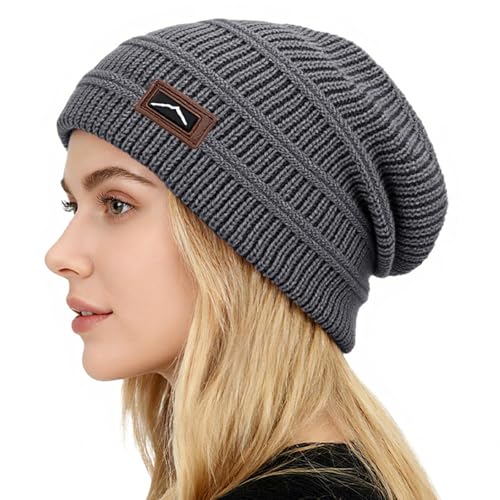
A slouchy beanie is knit with several inches of extra fabric length so the crown drapes loosely toward the back of your head. Instead of hugging the top of your skull, the fabric pools in a relaxed pouch behind your neck. This creates a casual, modern look that pairs easily with streetwear and winter jackets.
While slouchy beanies look stylish, they provide less wind resistance than snug watch caps. The loose gap at the top creates dead air space where breezes can enter through porous knit stitches. If you pick a slouchy beanie for freezing days, look for one that features a soft fleece lining inside to stop cold drafts from chilling your scalp. Picking the right headwear is an essential step when learning how to keep warm in winter outdoors, since an exposed scalp radiates body heat into the air very quickly.
Trapper hats and ushankas protect ears from freezing wind
When temperatures drop well below freezing and wind chills dip into the single digits, standard knit caps often struggle to keep you comfortable. Strong winds easily cut through standard knit yarn, and beanies can ride up as you walk, leaving your earlobes bare to the cold. Structured earflap hats solve this problem by dropping insulated barriers down over your ears, cheeks, and jaw.
How trapper hats keep ears completely covered
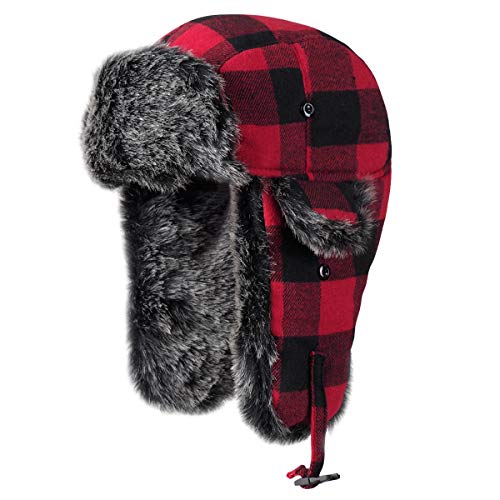
A trapper hat is a heavy-duty cold-weather hat featuring two long, insulated flaps that hang down on either side of your head. These flaps cover your ears completely and extend down past the jawline, where they can be strapped, tied, or buckled under your chin. Securing the flaps under your chin locks the hat firmly against your face so high winds cannot lift the fabric away.
Originally built for fur trappers, loggers, and hunters spending long days in deep northern snow, these hats combine a tough outer shell with thick faux fur or fleece lining. When the temperature warms up or you head indoors, you can fold the ear flaps upward and fasten them across the top of the hat. This gives you adaptable warmth without forcing you to take the hat off your head.
The ushanka brings classic fur flap warmth
An ushanka is a traditional Russian-style hat with fold-down ear flaps designed to survive brutal sub-zero winters. The name comes from ushi, the Russian word for ears. Like a trapper hat, an ushanka features a distinct front visor flap that rests against your forehead, along with two wide side flaps that tie under the chin or over the crown.
Traditional ushankas use dense sheepskin, wool felt, or thick fur to trap body heat. The dense fur creates an insulating air pocket that stops biting winds that would blow right through a regular knit hat. If you must stand or sit outside in freezing, stagnant winter air for hours at a time, an ushanka or heavy trapper hat provides far greater ear protection than any beanie on the market.
Aviator and trooper hats offer water resistance
Retailers often use the names aviator hat, bomber hat, and trooper hat interchangeably with trapper hats. While the overall silhouette is nearly identical, these models usually feature a rugged, wind-blocking outer shell made of treated nylon, polyester, or genuine leather. The inner lining remains soft faux fur or high-pile fleece for warmth.
Early airplane pilots in open-cockpit planes wore leather aviator caps with chin buckles to protect their heads from extreme wind speeds and sub-zero air at high altitudes. Today, modern trooper hats are popular for snowmobiling, ice fishing, and working outdoors in wet conditions because the outer shell sheds falling sleet and heavy snow instead of soaking through. If your ears ever become numb, stiff, or pale from prolonged wind exposure, always rewarm the skin slowly with lukewarm water. Never use scalding water, heating pads, or rough rubbing, which can damage delicate ear tissue.
Balaclavas and neck gaiters shield against biting frostbite
In extreme winter conditions involving blowing blizzard snow, sub-zero wind chills, or high-speed winter sports, standard hats leave too much bare skin exposed. Freezing air hits your nose, cheeks, and neck, leading to rapid windburn or frostbite. Full-coverage headwear eliminates these gaps completely.
Fleece balaclavas give full head and neck coverage
A balaclava is a pull-over hood covering the head and neck with a face opening. Depending on how you adjust it, a balaclava can leave your entire face open, expose only your eyes and nose, or leave just a narrow slit for your eyes. British soldiers first wore hand-knitted versions during the Battle of Balaclava in 1854 to endure freezing conditions during the Crimean War.
Modern balaclavas use thin, sweat-wicking synthetic fleece, breathable thermal knits, or windproof panels. They slide smoothly over your head and tuck deep inside your jacket collar, closing off the drafty opening around your neck where cold air usually enters. If you want to know how to keep face warm in winter, pairing a fleece balaclava with a pair of ski goggles creates a complete wind seal that shields every square inch of facial skin from freezing air.
Thermal neck gaiters pair with standard beanies
A thermal neck gaiter, also known as a fleece neck warmer, is a continuous tube of warm, stretchy fabric that slips down over your head to rest around your throat. While technically a neck accessory, a gaiter acts as an extension of your winter hat.
When wind picks up, you can pull the top edge of a neck gaiter up over your chin and nose while keeping a knit beanie pulled down to your eyebrows. This modular combination gives you nearly the same coverage as a full-face hood. But unlike a balaclava, a neck gaiter lets you vent excess heat quickly. If you get warm from shoveling snow or hiking uphill, you can slide the gaiter down to your collar in one second without having to remove your hat.
Choose your winter hat based on weather and activity
Finding the right winter hat comes down to matching the hat shape, fabric lining, and coverage level to the temperatures you face and how active you plan to be. If your winter routine consists of quick walks between heated buildings, driving to work, and running errands in thirty-degree weather, a classic cuffed beanie or knit watch cap is your best option. Look for hats knit from double-layer acrylic yarn or styles with a soft polyester fleece lining inside. The inner fleece blocks wind from filtering through the knit stitches and stops the yarn from itching your forehead.
If you face temperatures below twenty degrees, heavy falling snow, or gusty open winds, choose a structured trapper hat or an ushanka with fold-down ear flaps. Check the hat for a wind-blocking outer shell and a dependable chin strap with a buckle or snap button. Fastening the flaps under your chin prevents freezing gusts from lifting the material away from your ears and keeps your cheeks shielded from raw air.
Always consider how much you will be moving while wearing the hat. High-energy activities like snow shoveling, winter running, or snowshoeing generate substantial body heat. Wearing a heavy, fur-lined trapper hat during hard physical work can make you sweat heavily, leaving your hair soaked. Once you stop moving, that dampness cools rapidly, leaving you shivering. For active outdoor tasks, choose a breathable skull cap or a light beanie paired with a pull-up neck gaiter. Avoid plain unlined cotton caps in freezing weather, because cotton traps sweat and stays cold against your skin. Check for stretchy, resilient fabrics that cover your ears completely without sliding up as you turn your head.

- BWP Score9.6
BWP Score is a ranking system developed by Bestwinterproducts.com. BWP score has no relationship or impact from any manufacturers or sales agent websites. Learn more
- BrandWmcaps

- BWP Score9.6
BWP Score is a ranking system developed by Bestwinterproducts.com. BWP score has no relationship or impact from any manufacturers or sales agent websites. Learn more
- BrandWmcaps

- BWP Score9.4
BWP Score is a ranking system developed by Bestwinterproducts.com. BWP score has no relationship or impact from any manufacturers or sales agent websites. Learn more
- BrandFURTALK

- BWP Score9.4
BWP Score is a ranking system developed by Bestwinterproducts.com. BWP score has no relationship or impact from any manufacturers or sales agent websites. Learn more
- BrandHatromm

- BWP Score9.2
BWP Score is a ranking system developed by Bestwinterproducts.com. BWP score has no relationship or impact from any manufacturers or sales agent websites. Learn more
- BrandHONGTEYA
- BWP Score9.0
BWP Score is a ranking system developed by Bestwinterproducts.com. BWP score has no relationship or impact from any manufacturers or sales agent websites. Learn more
- BrandONWAY

- BWP Score9.0
BWP Score is a ranking system developed by Bestwinterproducts.com. BWP score has no relationship or impact from any manufacturers or sales agent websites. Learn more
- BrandOLIKER
- BWP Score9.0
BWP Score is a ranking system developed by Bestwinterproducts.com. BWP score has no relationship or impact from any manufacturers or sales agent websites. Learn more
- BrandZOORON

- BWP Score8.4
BWP Score is a ranking system developed by Bestwinterproducts.com. BWP score has no relationship or impact from any manufacturers or sales agent websites. Learn more
- BrandSyhood

- BWP Score8.4
BWP Score is a ranking system developed by Bestwinterproducts.com. BWP score has no relationship or impact from any manufacturers or sales agent websites. Learn more
- BrandSSAXIGC
Last update on 2026-10-03 / Affiliate links / Images, Product Titles, and Product Highlights from Amazon Product Advertising API


Best Warm Winter Scarves 2026 For Cozy Comfort

Best Green Ski Goggles 2026 For Clear Vision On Slopes

12 Best Corner Electric Fireplace 2026: My Ultimate Guide To Pick One

Best Battery Powered Snow Blower 2026 For Effortless Snow Clearing

Best Ski Goggles Under 30 Inches For Crisp Vision And Comfort

Best Cooling Scarf 2026 For Instant Relief And Comfort

Fake Snow for Grass: Create a Realistic Winter Lawn Display

Dimplex Prism Wall Mount Fireplace: Sleek Heat With Modern Flame Style





