
What Is a Winter Tire and When Do You Need One?

Driving on cold roads can feel stressful, but getting reliable traction is completely manageable once basic tire differences make sense. A winter tire relies on rubber that stays flexible in freezing weather, paired with deep tread grooves and tiny slits that bite into slick pavement. While standard tires turn stiff like hard plastic in the cold, this softer rubber grips the street so cars can stop predictably.
Needing them depends mostly on local thermometer readings and typical pavement conditions. The main turning point is forty-five degrees Fahrenheit, because everyday tires start losing grip below that mark, even on completely dry streets. Daily encounters with morning frost, slush, or packed neighborhood snow make that extra grip even more valuable. Here is what makes cold-weather tires work and how to know if your commute calls for a set.
Look at the Soft Rubber and Deep Tread to Understand True Winter Grip
A winter tire is built specifically to handle freezing temperatures, packed snow, and slick ice. While standard tires turn hard and slick as soon as frost arrives, a winter tire stays flexible. This flexibility allows the rubber to mold itself against tiny pavement imperfections and grip the road securely.
The grip starts with the compound (the rubber recipe of the tire). Normal summer and all-season tires contain rubber that turns rigid in cold weather, much like a plastic hockey puck on an ice rink. Winter tires use a specialized compound mixed with higher amounts of natural rubber and silica. This unique blend prevents the tread from freezing stiff, keeping it pliable like a soft pencil eraser even on sub-zero mornings.
Look closely at the tread surface and you will see thousands of sipes (tiny cuts in the rubber that grip ice). As your vehicle rolls forward, these micro-slits flex open to grab microscopic surface roughness. They also create a capillary action that draws away the thin layer of water sitting on top of ice, allowing the rubber to make direct contact with the road.
Deep tread channels work alongside these sipes to clear away slush and heavy snow. Standard tires easily pack full of wet snow, turning into smooth, spinning surfaces with zero traction. Winter tires feature wider, deeper grooves designed to scoop up snow and fling it away as the wheel turns. Snow also clings to snow better than rubber clings to snow, so these deep channels pack small pockets of snow into the tread to bite against the snowy road surface.
Inspect the Outer Sidewall for the Three-Peak Mountain Snowflake Symbol
Not every tire with aggressive tread is a genuine winter tire. If you are inspecting your current tires or shopping for replacements, check the sidewall (the flat outer side of the tire). Manufacturers stamp important safety markings and ratings directly into this outer rubber face.
Look for the three-peak mountain snowflake (cold-weather safety symbol). This mark shows an outline of a mountain with three peaks enclosing a single snowflake. Tires bearing this symbol have passed standardized traction evaluations on packed snow, confirming they meet strict winter performance standards.
Do not confuse this symbol with standard mud and snow markings. Here is a quick checklist to verify what you have:
- Look for the mountain snowflake symbol: This pictograph guarantees the tire uses a cold-weather rubber recipe designed for freezing temperatures.
- Examine "M+S" markings carefully: The letters M+S stand for mud and snow, but this designation only measures the percentage of open space in the tread pattern. It does not certify that the rubber stays soft in sub-freezing weather.
- Press your thumb into the tread blocks: On a cold morning, a true winter tire will feel soft and pliable under firm thumb pressure, whereas standard rubber feels rock hard.
- Check for dense tread siping: True winter tires are covered in hundreds of zigzagging slits across every single tread block from edge to edge.
If your tires only have the M+S letters without the three-peak mountain symbol, you are riding on standard all-season rubber. They might help you roll through a light autumn dusting, but they lack the cold-temperature grip needed for true winter driving.
Ditch All-Season Tires When Cold Pavement Stiffens Your Stopping Distance
Many drivers assume that all-season tires are suitable for every month on the calendar. In reality, all-season tires are built as a compromise. They are engineered to endure hot summer highway speeds while still shedding water during heavy spring rain showers.
Because all-season tires must resist intense summer heat, their rubber is naturally harder. When temperatures plunge, that harder rubber hardens even further. Think of trying to erase pencil marks on paper using a cold, dried-out rubber eraser that simply skates across the page and tears it. That is exactly what happens when an all-season tire meets freezing asphalt.
The difference in stopping distance between these two tire types can be startling. On snow-packed roads or invisible sheets of black ice, a car fitted with all-season tires can take dozens of extra feet to come to a complete halt from moderate speeds. That extra distance is often the difference between stopping safely behind a school bus and causing an unavoidable collision.
Even on completely dry winter roads with no snow in sight, cold pavement degrades all-season traction. When you step on the brakes to avoid an obstacle, rigid all-season rubber cannot conform to the asphalt surface. Winter tires compress and grip dry, freezing pavement quickly, giving you firm pedal feedback, predictable braking, and sharp steering control.
Follow the 45-Degree Rule to Time Your Seasonal Tire Swap
You do not need to wait for the first heavy snowstorm to put your winter tires on your car. In fact, waiting for snow is a risky habit that leaves you vulnerable during early cold snaps. Instead, use the 45-degree rule to plan your changeover.
Whenever daily temperatures consistently drop below 45 degrees Fahrenheit (about 7 degrees Celsius), it is time to install your winter tires. This temperature threshold marks the exact point where all-season rubber begins to stiffen and lose its elastic grip. Even if the sun is shining and the pavement is dry, air temperatures below 45 degrees mean your stopping distances are lengthening.
Early morning commutes often present hidden hazards long before snow falls. Bridges and overpasses freeze much faster than standard roadways because cold air circulates both above and below the bridge deck. Moisture from morning fog or light mist can instantly freeze into black ice on these elevated structures. Having your winter rubber already mounted ensures you maintain control when crossing these surprise slick spots.
When spring arrives, reverse the process. Watch your local forecasts as the season changes. Once daytime highs reliably stay above 45 degrees Fahrenheit for several weeks in a row, swap your regular tires back on. This prevents unnecessary tread wear and keeps your winter tires ready for the next cold season.
Avoid Dangerous Shortcuts Like Mixing Tires or Driving Them Through Summer
Trying to save money by taking shortcuts with winter tires often leads to expensive repairs or serious accidents. Winter driving demands balanced grip across all four corners of your vehicle.
Never install only two winter tires on the drive wheels of your vehicle. Some drivers think putting winter rubber on just the front wheels of a front-wheel-drive car or the rear wheels of a rear-wheel-drive car will provide enough traction. This creates a severe traction mismatch that makes your car unpredictable and dangerous.
- Two winter tires on the front only: Your front wheels will steer and accelerate well, but your rear wheels will have zero grip. The first time you brake or turn on a slippery curve, the back end of your car will swing outward like a pendulum, sending you into a spin.
- Two winter tires on the rear only: Your car will move forward easily from a standstill, but your front wheels will not be able to turn or stop. When you turn the steering wheel toward a corner, the car will simply push straight ahead into the snowbank.
- Always mount four matching winter tires: Installing a complete set of four tires keeps your vehicle stable, predictable, and responsive under emergency braking.
Another costly mistake is leaving your winter tires mounted during warm summer months. Hot highway pavement acts like sandpaper against the soft rubber compound. Driving winter tires in 80-degree summer heat can destroy their tread in just a few thousand miles. The flexible tread blocks also cause sluggish steering response and increased braking distances on warm, dry roads.
Finally, keep a close eye on your tire inflation pressure as the seasons shift. Cold air is denser than warm air, which causes internal tire pressure to drop by roughly 1 PSI (pound per square inch) for every 10-degree drop in outside temperature. Check your tire pressures once a month on cold mornings to keep the tread contacting the ground evenly. If you have to step out onto a freezing driveway to check your pressures, knowing how to keep warm in winter outdoors keeps an essential maintenance chore comfortable. Staying protected against the cold is just as vital as maintaining your car, much like knowing how to keep feet warm during winter when waiting inside a cold vehicle.
Choose Dedicated Winter Rubber or Emergency Traction Aids for Peace of Mind
Finding the right winter equipment starts by matching the gear to your typical driving conditions. Dedicated winter tires are the premier choice for anyone living in regions that experience regular freezing temperatures, routine snowfall, or frequent slush. When shopping, check your vehicle manufacturer placard located inside the driver side door jamb to confirm your correct tire size, load rating, and speed rating.
Always verify that any prospective tire carries the three-peak mountain snowflake symbol stamped directly onto the sidewall rubber. This marking ensures the tire is engineered specifically for severe snow service rather than general light utility.
For drivers who live in milder climates but occasionally travel over snowy mountain passes, temporary traction aids offer a handy alternative. Fabric tire socks and clip-on traction devices provide emergency grip to help you clear a steep driveway or comply with temporary mountain pass chain laws. If you select emergency traction aids or chains, always verify that your vehicle wheel wells have sufficient clearance so the devices do not hit suspension components or brake lines during sharp turns.

- BWP Score7.8
BWP Score is a ranking system developed by Bestwinterproducts.com. BWP score has no relationship or impact from any manufacturers or sales agent websites. Learn more
- BrandCooper

- BWP Score7.5
BWP Score is a ranking system developed by Bestwinterproducts.com. BWP score has no relationship or impact from any manufacturers or sales agent websites. Learn more
- BrandNEXEN

- BWP Score9.7
BWP Score is a ranking system developed by Bestwinterproducts.com. BWP score has no relationship or impact from any manufacturers or sales agent websites. Learn more
- BrandHILLCLYM

- BWP Score8.6
BWP Score is a ranking system developed by Bestwinterproducts.com. BWP score has no relationship or impact from any manufacturers or sales agent websites. Learn more
- BrandOrceed
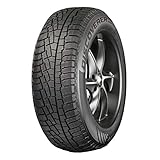
- BWP Score9.0
BWP Score is a ranking system developed by Bestwinterproducts.com. BWP score has no relationship or impact from any manufacturers or sales agent websites. Learn more
- BrandCooper

- BWP Score8.0
BWP Score is a ranking system developed by Bestwinterproducts.com. BWP score has no relationship or impact from any manufacturers or sales agent websites. Learn more
- BrandTlswshsy

- BWP Score7.5
BWP Score is a ranking system developed by Bestwinterproducts.com. BWP score has no relationship or impact from any manufacturers or sales agent websites. Learn more
- BrandFirestone
Last update on 2026-10-25 / Affiliate links / Images, Product Titles, and Product Highlights from Amazon Product Advertising API
FAQs
Can all-wheel drive replace the need for winter tires?
All-wheel drive helps your vehicle accelerate and move forward in deep snow by powering all four wheels, but it does not help you stop. Braking and steering depend entirely on the traction between your rubber tread and the road surface. A two-wheel-drive car fitted with four winter tires will steer and stop far better on snow and ice than an all-wheel-drive vehicle equipped with stiff all-season tires.
Can I leave winter tires on my car all year long?
Leaving winter tires on your car year-round is not recommended because warm weather rapidly wears out the soft rubber compound. Summer road temperatures soften the rubber excessively, which leads to mushy steering, longer stopping distances, and noisy highway travel. Swapping them off in the spring preserves their tread depth so they last for multiple winter seasons.
How many seasons do winter tires usually last?
A quality set of winter tires generally lasts between three and five seasons, depending on your annual mileage and local driving habits. Because you only use them for three to four months each year, their tread wears slowly compared to daily all-season tires. Replace them once the tread depth wears down to four-thirty-seconds of an inch, as shallow tread cannot properly bite into snow.
Why do winter tires make more humming noise on dry roads?
Winter tires make a distinct hum on clear pavement because of their deep, blocky tread patterns and thousands of open sipes. These open grooves and flexible tread blocks trap and release air rapidly as the tire rotates against the asphalt. This sound is completely normal and indicates that the aggressive tread is working exactly as designed.


Best Warm Winter Scarves 2026 For Cozy Comfort

Best Green Ski Goggles 2026 For Clear Vision On Slopes

12 Best Corner Electric Fireplace 2026: My Ultimate Guide To Pick One

Best Battery Powered Snow Blower 2026 For Effortless Snow Clearing

Best Ski Goggles Under 30 Inches For Crisp Vision And Comfort

Best Cooling Scarf 2026 For Instant Relief And Comfort

Fake Snow for Grass: Create a Realistic Winter Lawn Display

Dimplex Prism Wall Mount Fireplace: Sleek Heat With Modern Flame Style





