
Which Type of Room Heater Is Right for Your Space?

Decide how quickly the space needs to warm up and whether fan noise will bother you. That simple check points directly to the answer: a fan-forced ceramic heater gives immediate personal warmth right where you sit, while an oil-filled radiator provides silent, even heat that carries across an entire room for hours. Both solve cold spots, but they do it in completely different ways.
Specific living situations can tip the balance between those two styles. Bedrooms often require silent convection panels or sealed radiators so light sleepers can rest without a buzzing fan or clicking thermostat. Busy family areas with roaming pets or small children call for cool-touch housings and tip-over shut-offs rather than heavy metal fins that get hot to the touch. The breakdown below walks through how each heater type operates, helping you pick the safest, coziest option without driving up your electric bill.
Which heater style fits your room and daily schedule?
Picking the right heater starts with how you spend time in your room. If you sit at a desk for an hour, you need focused heat right away. If you sleep in a chilly bedroom all night, you need quiet, gentle warmth that stays steady until morning.
Heater styles match specific spaces because they move heat differently. A ceramic heater with an internal fan blows warm air across your legs within seconds. An oil-filled radiator slowly warms the air in the whole room and keeps it warm without making a sound. A radiant heater warms your skin and clothes directly, ignoring cold drafts.
Room size also shapes your choice. In American homes, standard electric space heaters draw up to 1,500 watts on high heat. A common sizing rule is roughly 10 watts per square foot of living space. That means a 1,500-watt heater can comfortably warm a closed bedroom of about 150 square feet. For a larger 300-square-foot living room, that same unit provides supplemental warmth near your couch, but cannot warm the entire open space alone.
Your daily routine decides the winner:
- For fast warmth at a desk or chair: Choose a ceramic heater that blows air directly toward you.
- For all-night bedroom heating: Choose an oil-filled radiator or a flat convection panel that operates silently.
- For drafty rooms or high ceilings: Choose a radiant heater that warms your body like sunlight.
How do ceramic fan heaters deliver fast personal warmth?
Ceramic fan heaters use a ceramic heating element that warms up in seconds. Electricity flows through internal ceramic blocks, generating fast heat that transfers to aluminum fins. A small fan blows air across these hot parts, sending a steady stream of warmth into your room.
This design works best when you need warmth right away. Picture walking into your home office on a cold morning. The central thermostat is set low and your hands are stiff. A ceramic heater near your feet brings fast relief within three seconds. Many tower models oscillate side to side, spreading warm airflow across your desk area instead of blasting a single spot.
Portability is another major advantage. Most ceramic models weigh under eight pounds and include built-in carry handles. You can easily pick the heater up from your desk at the end of the day and move it to a cold corner of your living room.
Ceramic fan heaters do have trade-offs. The internal fan makes a soft whirring sound that light sleepers might dislike at night. Fan heaters also move air constantly, which can kick up dust and dry out your eyes over several hours. When you switch a ceramic unit off, the warmth fades quickly because lightweight ceramic parts hold very little heat.
Why pick an oil-filled radiator or convection panel?
Oil-filled radiators and convection panels provide a silent radiator heater that circulates steady, lasting warmth without a blower fan. Instead of forcing air through a narrow vent, these units rely on natural air circulation. Cool floor air enters the bottom of the heater, warms up, and rises toward the ceiling. As that air cools near the walls, it sinks back down to be reheated.
Oil-filled radiators look like traditional radiators, but they are fully electric and permanently sealed. You never need to add or change the oil inside. The heating element warms the sealed fluid, which spreads warmth across wide metal fins. Convection panels work similarly, using a slim heating element inside a flat housing that sits on the floor or mounts to a wall.
These heaters are the top choice for bedrooms and nurseries because they operate in total silence. There is no fan motor running, no rattling grille, and no gust of dry air blowing across your bed. You get an even, comfortable blanket of warmth that does not disrupt sleep.
Another advantage is heat retention. The fluid inside an oil radiator holds heat long after the digital temperature dial turns off the electric current. The metal fins continue releasing warmth as they slowly cool, preventing sharp temperature drops.
The main drawback is speed. An oil radiator takes 15 to 30 minutes to warm its fluid and start heating the room. These units are also heavier, often weighing 15 to 25 pounds, though most roll on small wheels. The exterior metal fins can become quite warm, so keep pets and children clear.
When does a radiant heater make the most sense?
Radiant heaters use quartz tubes or infrared elements to deliver gentle heat that warms people and furniture directly like sunlight. They do not heat the air itself. Instead, they project invisible waves of thermal energy straight forward. When these waves strike an object, such as your body or an armchair, that surface absorbs the energy and warms up immediately.
This direct heating method solves a common problem: drafty rooms. If your room has loose window frames, cold floors, or poor wall insulation, warm air leaks outside quickly. Trying to warm that space with a fan heater feels like trying to fill a bucket with a hole in the bottom. A radiant heater ignores leaking air. You sit directly in front of the heater, and your body stays comfortably warm while the surrounding air stays cool.
Radiant heaters also work well in spaces with tall ceilings where heated air naturally rises out of reach. If you spend time in a drafty outbuilding or cold workspace, radiant units keep you warm without wasting power on empty air, much like a heater designed to warm freezing workspaces during winter projects.
The limitation of radiant heat is coverage. Radiant warmth travels strictly in a straight line of sight. When you sit directly in front of the unit, you feel toasty, but the moment you step away, the warmth vanishes. A radiant heater will not raise the overall air temperature of an entire bedroom, making it a poor choice for whole-room comfort.
How do you run your room heater safely?
Electric room heaters are safe when used with common sense, but their high electrical draw and concentrated heat require careful habits. Following a few practical rules protects your home and prevents electrical issues.
Follow these essential safety practices every time you run a space heater:
- Keep a strict 3-foot safety buffer: Place your heater at least 3 feet (36 inches) away from bedding, drapes, clothing, furniture, and loose papers. Never drape damp clothing over a heater to dry.
- Plug directly into a dedicated wall outlet: Standard portable space heaters draw up to 1,500 watts (about 12.5 amps on a standard 120-volt circuit). Running another high-draw device on that same 15-amp circuit will trip the breaker.
- Never use extension cords or power strips: Light-gauge cords cannot handle continuous heavy electrical loads. The cord can overheat, melt, and spark a fire. Always plug directly into a wall receptacle.
- Check for certified safety shutoffs: Ensure your heater has a tip-over safety switch that cuts power instantly if tilted, and an automatic overheat sensor that shuts the unit off if internal parts get dangerously hot. Look for a mark like UL, ETL, or CSA on the label.
- Place the heater on a flat, hard floor: Set the unit on bare wood, tile, or firm low-pile carpet. Never set a portable heater on soft bedding or tables where it could tip. If you need portable warmth while traveling, choosing an electric heater with safety shutoffs is just as critical to avoid hazards on uneven ground.
If your wall outlet feels hot to the touch, or if the power cord shows discoloration, turn the unit off immediately and unplug it. Allow it to cool completely before inspecting it, and consult a licensed electrician if the outlet feels warm or trips the breaker repeatedly.
What features should you check before buying your room heater?
Choosing the right room heater comes down to matching your floor space, your comfort needs, and everyday safety features. Portable ceramic heaters offer an exceptional mix of fast response and flexible heating for home offices, bedrooms, and family living spaces. Their compact size makes them easy to position in tight spots without cluttering your floor.
Before choosing a heater, confirm that it offers multiple power levels. Having a lower heat setting alongside the standard high heat setting allows you to dial back power draw once the room reaches a comfortable temperature. This helps manage electric bills while keeping your circuit breaker from tripping.
Look for a digital temperature dial that clicks on and off to hold your set warmth automatically. This feature keeps the room from overheating and saves you from adjusting knobs throughout the day. If you plan to heat a wider seating area, verify that the unit offers wide-angle oscillation to distribute air evenly.
Finally, check convenience details. An auto-off timer lets you fall asleep comfortably without running the heater all night. A clear display, carry handle, and cool-touch outer housing make daily use simple and safe for your household.

- BWP Score10.0
BWP Score is a ranking system developed by Bestwinterproducts.com. BWP score has no relationship or impact from any manufacturers or sales agent websites. Learn more
- BrandFLOWBREEZE
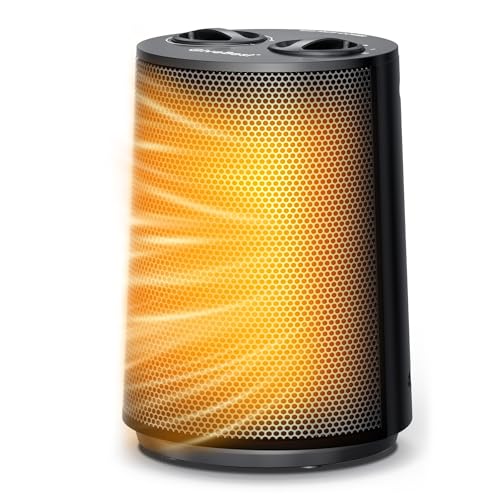
- BWP Score9.8
BWP Score is a ranking system developed by Bestwinterproducts.com. BWP score has no relationship or impact from any manufacturers or sales agent websites. Learn more
- BrandGiveBest
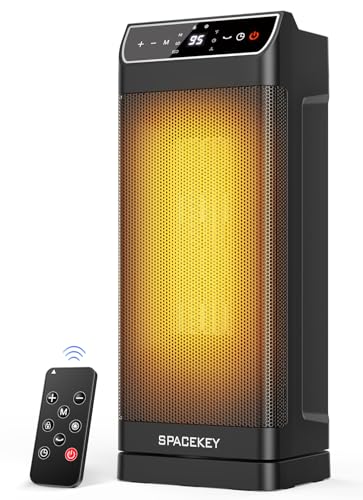
- BWP Score9.6
BWP Score is a ranking system developed by Bestwinterproducts.com. BWP score has no relationship or impact from any manufacturers or sales agent websites. Learn more
- BrandSpacekey
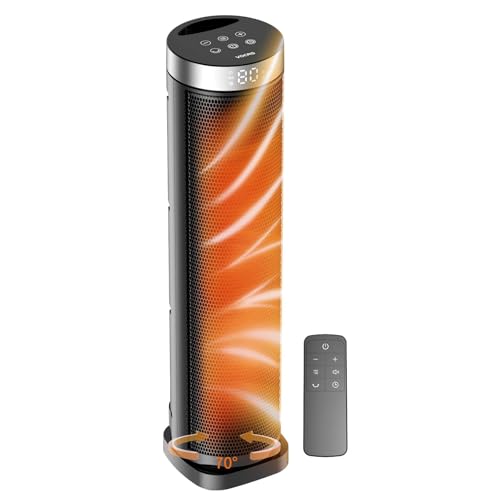
- BWP Score9.6
BWP Score is a ranking system developed by Bestwinterproducts.com. BWP score has no relationship or impact from any manufacturers or sales agent websites. Learn more
- BrandVOCRS

- BWP Score9.2
BWP Score is a ranking system developed by Bestwinterproducts.com. BWP score has no relationship or impact from any manufacturers or sales agent websites. Learn more
- BrandDREO

- BWP Score9.0
BWP Score is a ranking system developed by Bestwinterproducts.com. BWP score has no relationship or impact from any manufacturers or sales agent websites. Learn more
- BrandWINHL

- BWP Score8.8
BWP Score is a ranking system developed by Bestwinterproducts.com. BWP score has no relationship or impact from any manufacturers or sales agent websites. Learn more
- BrandAmazon Basics

- BWP Score8.8
BWP Score is a ranking system developed by Bestwinterproducts.com. BWP score has no relationship or impact from any manufacturers or sales agent websites. Learn more
- BrandDREO
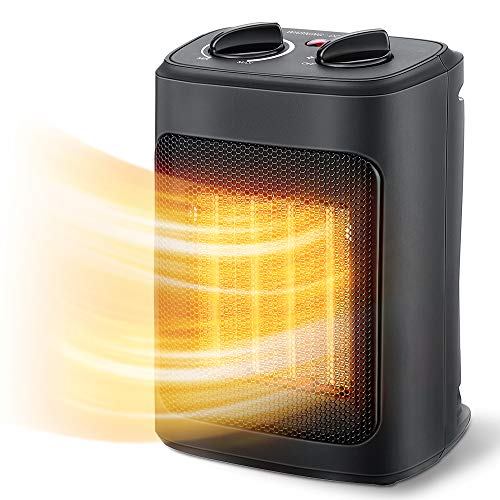
- BWP Score8.8
BWP Score is a ranking system developed by Bestwinterproducts.com. BWP score has no relationship or impact from any manufacturers or sales agent websites. Learn more
- BrandAikoper
Last update on 2026-09-29 / Affiliate links / Images, Product Titles, and Product Highlights from Amazon Product Advertising API
FAQs
Will a 1500-watt room heater cause my electric bill to spike?
Running a 1,500-watt space heater uses 1.5 kilowatt-hours of electricity per hour on high heat. Your operating cost depends on your local utility rate, which you can confirm on your monthly power bill. To keep costs low, heat only the room you are occupying and turn down your central thermostat.
Can any portable room heater warm up a large living room?
Standard portable heaters are limited to 1,500 watts by US household circuits. That wattage provides comfortable supplemental heat for a seating zone in a large living room, but cannot warm an open floor plan alone. For drafty outbuildings or open spaces, homeowners often look into specialized options like a heater for a small garage to handle larger air volumes.
Is it safe to run a room heater overnight in a bedroom?
You can safely run a heater overnight if it has verified safety shutoffs and plenty of open space. An oil-filled radiator is often the best choice for sleeping because it operates silently, has no glowing coils, and does not blow dry air. Always maintain a full 3-foot clearance from bedding and curtains, and confirm that the unit features both tip-over and overheat shutoff protection.
Why does my new heater produce a slight burning smell when first turned on?
A faint burning smell is normal during the first hour of running a brand-new space heater. Manufacturers coat internal elements with protective oils to prevent moisture damage during shipping, and this harmless coating burns off during initial use. If the odor continues after two hours or you notice smoke, shut the unit off immediately and unplug it from the wall.


Best Warm Winter Scarves 2026 For Cozy Comfort

Best Green Ski Goggles 2026 For Clear Vision On Slopes

12 Best Corner Electric Fireplace 2026: My Ultimate Guide To Pick One

Best Battery Powered Snow Blower 2026 For Effortless Snow Clearing

Best Ski Goggles Under 30 Inches For Crisp Vision And Comfort

Best Cooling Scarf 2026 For Instant Relief And Comfort

Fake Snow for Grass: Create a Realistic Winter Lawn Display

Dimplex Prism Wall Mount Fireplace: Sleek Heat With Modern Flame Style





