
What Is Winter Wheat Used For in the Kitchen and Garden?

A home cook scoops a handful of small, hard kernels from a burlap bag and pauses before measuring them out. Winter wheat is ground into flour for baking, simmered whole for hearty grain bowls, or planted in late fall to protect garden soil through the freezing months. Unlike spring varieties, this grain needs a period of winter chill to thrive, making it a reliable staple for both the pantry and the backyard.
How it gets used depends on the specific variety and the job at hand. Hard winter wheat contains strong gluten that gives crusty sandwich loaves their rise, while soft winter wheat creates tender pastries, cookies, and quick breads. Those same dry kernels can also be sprouted on a windowsill for fresh greens or scattered over garden beds as a living blanket. Matching the grain to the recipe or garden bed keeps baking light and cold-season soil healthy.
What is winter wheat and how is it used?
Winter wheat is a cereal grain planted across North America in the autumn. Unlike spring wheat, which goes into the soil after the final winter frost, winter wheat requires cold weather to grow properly. The seeds germinate in the fall, develop strong root systems, and sprout small green blades before freezing temperatures set in. Once winter arrives, the young plants go dormant and sleep safely beneath the snow. When the soil warms in early spring, the wheat wakes up, grows rapidly, and produces grain heads ready for harvest by early summer.
People use winter wheat in three main areas: kitchen cooking, home gardening, and livestock farming. In the kitchen, home cooks mill the kernels into flour or cook the whole unground kernels, which are known as wheat berries. In backyard gardens, people sow winter wheat as a cover crop, which means plants grown to protect bare soil over winter from harsh weather. On homesteads and farms, growers also plant it as forage, which refers to pasture greens eaten directly by farm animals such as chickens, sheep, and cattle.
Which winter wheat should you choose for home baking?
Choosing the right winter wheat makes the difference between an airy, golden loaf of bread and a dense, flat disc. Winter wheat is divided into two primary types: hard wheat and soft wheat. Each type has a distinct protein level that determines how dough behaves in your kitchen.
Hard winter wheat contains high protein levels, typically between 11 and 14 percent. When mixed with water and kneaded, this protein creates strong, stretchy gluten strands. That gluten network traps yeast gases, allowing bread dough to rise high and maintain its structure. If you bake crusty sandwich bread, rustic sourdough boules, rolls, or pizza crusts, hard red winter wheat gives you the chew, height, and nutty flavor you need.
Soft winter wheat contains less protein, usually between 8 and 10 percent. Lower protein creates weak gluten bonds, which produces tender, crumbly baked treats. Using high-protein bread flour for pastries makes dough rubbery and tough. Instead, soft red or soft white winter wheat produces delicate flour that yields flaky biscuits, tender muffins, pie crusts, and fluffy pancakes.
You will also notice red and white varieties. Red wheat has natural tannins in its bran layer, giving flour an amber hue and an earthy, classic whole-wheat taste. White wheat lacks these tannins, giving you a mild, naturally sweet flour that works wonders when baking treats for picky eaters.
How do you cook whole winter wheat berries?
You do not need a grain mill to enjoy winter wheat. Whole unground kernels, called wheat berries, make a hearty, satisfying whole grain dish. Because the outer bran and germ stay intact, wheat berries hold their shape during cooking and provide a pleasant, chewy bite.
Cooking wheat berries on the stovetop is as simple as cooking brown rice:
- Rinse the grain: Place one cup of dry wheat berries in a mesh strainer, rinse under cool water, and remove any stray husks.
- Soak overnight (optional): Soaking the kernels in a bowl of water overnight softens the tough bran and cuts cooking time in half.
- Simmer in liquid: Combine one cup of wheat berries with three cups of water or broth in a covered saucepan. Add a pinch of salt.
- Cook until tender: Bring to a boil, reduce the heat to low, cover tightly, and simmer. Unsoaked berries take 50 to 60 minutes, while soaked berries need about 35 minutes.
- Drain and rest: Pour off any excess liquid, cover the pot, and let the kernels steam off the heat for 10 minutes.
Cooked wheat berries work well in many everyday meals. Toss them cold with cucumbers, parsley, olive oil, and lemon juice for a refreshing grain salad. You can also stir warm berries into vegetable soups, fold them into casseroles, or serve them hot for breakfast with milk, walnuts, and honey.
Why should you plant winter wheat in your garden?
Leaving garden soil bare over the winter invites erosion, nutrient runoff, and aggressive spring weeds. Planting winter wheat in early to mid-autumn protects your garden beds just like a living blanket. As a cover crop, winter wheat develops an extensive network of fine roots that binds topsoil tightly, stopping heavy rain and winter winds from stripping your garden.
Winter wheat also improves soil fertility. Its deep roots gather leftover soil nutrients that would otherwise wash away into groundwater. In early spring, before the wheat forms tough stalks, you chop the green growth and turn it into the soil. As this green organic matter breaks down, it feeds soil microbes and creates fertile, spongy ground for your summer vegetables.
The dense green carpet also shades out cold-season weeds like chickweed and henbit. If you keep backyard chickens or rabbits, winter wheat greens provide fresh, nutritious forage when other pasture grass is dormant.
To plant, rake your beds clear of old summer plants, scatter the seeds evenly, and rake them in about one inch deep. Sow about four to six weeks before your first hard winter freeze. If you are prepping garden beds in crisp autumn weather, learning how to keep warm in winter outdoors helps you finish the job comfortably without rushing back inside.
Can you sprout winter wheat for fresh greens indoors?
You can grow fresh winter wheat greens indoors all year without an outdoor garden. Sprouting hard red winter wheat berries on a sunny windowsill provides tender wheatgrass for fresh juicing and wholesome greens for household pets.
Sprouting wheatgrass requires only a shallow tray, paper towels or potting soil, and clean water:
- Rinse and soak: Place a half cup of hard red winter wheat berries in a jar with cool water. Soak on the counter for 8 to 12 hours.
- Sprout the kernels: Drain the water thoroughly. Rinse and drain twice daily for two days until small white root tails appear.
- Plant in a tray: Line a shallow tray with an inch of moist potting soil or damp paper towels. Spread the sprouted seeds in a dense, single layer.
- Keep covered: Cover the tray with a damp towel or inverted tray for two days so the roots anchor firmly.
- Move to light: Uncover the tray and set it in bright, indirect sunlight. Mist daily with clean water to keep the roots damp.
- Harvest the blades: When the grass reaches 4 to 6 inches tall, cut the green blades near the base using kitchen scissors.
Fresh wheatgrass has a clean, sweet flavor that blends smoothly into morning smoothies. House cats, dogs, and caged birds also love chewing the tender shoots, which provide beneficial digestive fiber and keep curious pets away from indoor houseplants.
What should you check before buying winter wheat?
When buying winter wheat berries, choosing the right package depends entirely on how you plan to use the grain. Checking a few practical details helps you avoid common kitchen and gardening mistakes.
First, match the variety to your goal. Pick hard red winter wheat if you plan to mill bread flour, simmer whole grain pilafs, or sprout indoor pet grass. Choose soft white or soft red winter wheat if your goal is tender biscuits, pie crusts, and quick breads. For garden beds, bulk cover crop seed offers affordable ground protection.
Second, check the cleanliness and grade. If you intend to eat, mill, or sprout the berries, make sure the label confirms food-grade quality. Clean, food-grade grain has been mechanically sifted to remove dust, chaff, and small rocks. Non-GMO project verification and chemical residue certifications offer extra confidence for clean eating.
Third, choose an appropriate container size. Beginners often start with 2-pound or 5-pound bags, while dedicated home bakers prefer 25-pound bags or sealed plastic buckets. Make sure you have airtight containers and a cool, dry shelf to protect bulk grains from moisture and pantry pests. When baking indoors on freezing days, practical tips on how to keep warm in winter in the house will help keep your kitchen cozy while dough rises.

- BWP Score9.6
BWP Score is a ranking system developed by Bestwinterproducts.com. BWP score has no relationship or impact from any manufacturers or sales agent websites. Learn more
- BrandPalouse Brand

- BWP Score9.6
BWP Score is a ranking system developed by Bestwinterproducts.com. BWP score has no relationship or impact from any manufacturers or sales agent websites. Learn more
- BrandPalouse Brand

- BWP Score9.4
BWP Score is a ranking system developed by Bestwinterproducts.com. BWP score has no relationship or impact from any manufacturers or sales agent websites. Learn more
- BrandPalouse Brand

- BWP Score9.4
BWP Score is a ranking system developed by Bestwinterproducts.com. BWP score has no relationship or impact from any manufacturers or sales agent websites. Learn more
- BrandPalouse Brand

- BWP Score9.0
BWP Score is a ranking system developed by Bestwinterproducts.com. BWP score has no relationship or impact from any manufacturers or sales agent websites. Learn more
- BrandHOME GROWN

- BWP Score9.0
BWP Score is a ranking system developed by Bestwinterproducts.com. BWP score has no relationship or impact from any manufacturers or sales agent websites. Learn more
- BrandThunder Acres
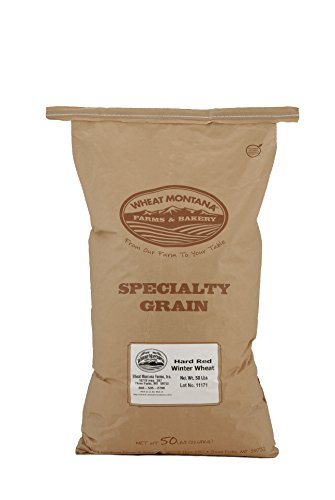
- BWP Score9.0
BWP Score is a ranking system developed by Bestwinterproducts.com. BWP score has no relationship or impact from any manufacturers or sales agent websites. Learn more
- BrandWheat Montana

- BWP Score8.8
BWP Score is a ranking system developed by Bestwinterproducts.com. BWP score has no relationship or impact from any manufacturers or sales agent websites. Learn more
- BrandGreat River Milling

- BWP Score8.8
BWP Score is a ranking system developed by Bestwinterproducts.com. BWP score has no relationship or impact from any manufacturers or sales agent websites. Learn more
- BrandDiscount Lawn Care

- BWP Score8.8
BWP Score is a ranking system developed by Bestwinterproducts.com. BWP score has no relationship or impact from any manufacturers or sales agent websites. Learn more
- BrandThunder Acres

- BWP Score-
BWP Score is a ranking system developed by Bestwinterproducts.com. BWP score has no relationship or impact from any manufacturers or sales agent websites. Learn more
- BrandGrain Place Foods
Last update on 2026-10-02 / Affiliate links / Images, Product Titles, and Product Highlights from Amazon Product Advertising API
FAQs
Can you use winter wheat berries like rice?
Yes, you can substitute cooked winter wheat berries for brown rice in almost any recipe. They offer a firmer, chewier bite and an earthy, nutty taste that complements casseroles, grain bowls, and stuffed peppers. Because wheat berries take longer to soften than white rice, simmer them separately before stirring them into quick skillet meals.
How long can you store dry winter wheat berries?
Whole, unground winter wheat berries can last 10 to 12 years in standard airtight containers stored in a cool, dark, dry pantry. When sealed in food-grade buckets with oxygen absorbers, they can remain fresh for up to 30 years because the outer bran protects the delicate germ inside. Once ground into fresh flour, store the flour in an airtight jar in the freezer to keep natural oils from spoiling.
What happens if you plant winter wheat in spring?
Winter wheat planted in spring will sprout and produce lush green leaves, but it will never form grain heads. The plant requires several weeks of freezing winter weather, known as vernalization, to trigger seed production. Without that cold rest, it stays leafy until summer heat dries it out, though some gardeners still plant it in spring as a short-term weed barrier.
Can pets eat sprouted winter wheatgrass safely?
Yes, sprouted winter wheatgrass is safe and healthy for cats, dogs, rabbits, and chickens. Cats enjoy chewing the fresh blades, which provide plant fiber that aids digestion and helps clear hairballs naturally. Always grow wheatgrass for pets in plain potting soil or damp paper towels without chemical plant food, and discard the tray if mold appears near the roots.


Best Warm Winter Scarves 2026 For Cozy Comfort

Best Green Ski Goggles 2026 For Clear Vision On Slopes

12 Best Corner Electric Fireplace 2026: My Ultimate Guide To Pick One

Best Battery Powered Snow Blower 2026 For Effortless Snow Clearing

Best Ski Goggles Under 30 Inches For Crisp Vision And Comfort

Best Cooling Scarf 2026 For Instant Relief And Comfort

Fake Snow for Grass: Create a Realistic Winter Lawn Display

Dimplex Prism Wall Mount Fireplace: Sleek Heat With Modern Flame Style





