
Why Do Dogs Shed in the Winter?

Indoor heat confuses a dog's biological clock. Constant furnace warmth and electric lighting signal the body that warm weather never ended. Because of this artificial climate, many house pets drop loose fur year-round instead of holding onto it. Other dogs simply blow out their lighter summer hair during the first cold weeks to make room for a thicker winter coat.
How much hair falls out depends on a few daily factors. Breeds with dense undercoats shed far more than single-coated dogs, especially when spending most of their time indoors. Dry indoor air also saps moisture from canine skin, causing itchy flakes and extra shedding. Knowing what drives this seasonal cycle makes it easy to protect that vital warmth while keeping indoor fur under control.
Indoor heat and artificial lighting trick dog coats into shedding
Wild dogs and outdoor animals shed their fur according to daylight hours, known in biology as the photoperiod. When autumn days shorten, natural light drops. This signal tells a dog's brain that freezing weather is coming, triggering a massive shed of their lighter summer hair so a dense, woolly coat can grow in its place.
Our family pets live in a completely different environment. They spend most of their time indoors under bright electric lights, television screens, and reading lamps. These artificial lights fool your dog's internal biological clock into thinking the days are still long and warm. As a result, the hair follicles never receive a clean, sharp seasonal signal to stop shedding, which leads to steady hair loss all year long.
Many dogs also drop fur during early winter as part of a natural cycle called blowing their coat. If your dog is clearing out the last remnants of their lightweight summer undercoat (the soft bottom fur layer), you will see heavy clumps of fur drifting across your floorboards in November or December. Once that old summer fur clears, the dense cold-weather coat can finally settle in beneath the guard hairs (the coarse outer topcoat that repels snow and moisture).
Forced-air furnaces, baseboard heaters, and wood-burning stoves make this indoor winter shedding even more noticeable. Winter heating pulls moisture out of your indoor air, often dropping indoor humidity levels down to desert-dry levels. When the air has no moisture, it quickly leaches hydration from your dog's skin. Dry skin weakens hair roots, causing dead hairs to break free and fall out in large amounts while producing fine dander (dry skin flakes) across their bedding.
Coat type also plays a major role in how much loose fur lands on your furniture. Double-coated breeds like German Shepherds, Golden Retrievers, Siberian Huskies, and Labradors have two separate layers of fur. They shed massive, woolly puffs of dead undercoat throughout early winter. Single-coated breeds like Poodles, Boxers, and Shih Tzus do not have a soft bottom layer, so their hair sheds in small, individual strands that are much easier to miss.
Healthy winter shedding differs sharply from serious skin problems
Normal winter shedding can look alarming when you find entire tufts of fur stuck to your socks, but it is usually completely harmless. Healthy seasonal hair loss occurs evenly across your dog's entire body, especially along the back, hips, chest, and neck. When you gently part the hair and inspect the skin beneath, you should see calm, pale pink, or naturally pigmented skin that feels smooth to the touch.
A coat shed becomes a concern when you spot alopecia (patchy hair loss that leaves distinct bare, bald spots). Normal shedding thins the coat or drops loose fuzz, but it never leaves exposed circles of naked skin. If your dog has patches where hair has disappeared completely, their hair loss is not caused by the season.
Watch your dog's daily behavior for clear signs of physical irritation. A dog experiencing standard seasonal shedding will relax normally and show zero distress. If you see your dog chewing on their paws, rubbing their muzzle raw against the carpet, or constantly scratching their sides with their hind feet, their skin is inflamed. Red sores, crusty scabs, dark greasy patches, and hot spots are immediate signs that something is wrong.
You can also tell a lot by looking closely at the flakes in their fur. A few tiny white specks usually point to harmless dander (dry skin flakes) caused by dry furnace air. But if the skin produces thick, greasy scales, or if the coat has a sour, yeasty smell, your dog may have a bacterial or fungal infection. Winter dryness can also weaken the skin barrier, making dogs more prone to secondary skin allergies.
Take your dog to a veterinarian whenever hair loss is paired with visible scabs, oozing sores, foul odors, or lethargy. Systemic health issues like thyroid imbalances, hormone disorders, or flea allergies can cause intense winter shedding that no grooming brush can fix. A vet can examine skin scrapings, check hormone levels, and prescribe medicated treatments before the skin becomes infected.
Three simple daily habits keep indoor pet hair under control
- Practice five-minute line brushing every morning. Do not simply glide a brush over the top of your dog's back, because surface brushing only touches the guard hairs (outer topcoat) and leaves the dead hair trapped beneath. Instead, part the fur gently with one hand down to the skin, then pull a wide-toothed comb or deshedding tool through the hair from the roots outward. This technique catches dead hairs from the undercoat (soft bottom fur layer) before they can drift around your home, while distributing natural body oils to soothe dry skin.
- Run a cool-mist humidifier in main living spaces. Winter heaters create an arid indoor climate that dries out your dog's skin barrier and supercharges shedding. Maintaining comfortable indoor air is a key part of understanding how to keep warm in winter in the house without creating a harsh, desert-like living environment. Running a humidifier near where your dog sleeps keeps moisture in their skin, stops excessive static electricity, and prevents brittle fur from snapping off at the root.
- Wipe paws and bellies clean with a damp cloth after cold walks. Sidewalks and roads in freezing weather are often coated in rock salt, chemical deicers, and muddy slush. When these chemicals cling to your dog's fur, they dry out the skin and trigger severe itching that causes dogs to scratch out clumps of hair. A fast wipe-down with a lukewarm, wet washcloth cleans away harsh salts before your dog can lick them off or irritate their skin.
Winter coat mistakes that harm natural insulation
- Shaving a double-coated dog down to the skin: Never shave a dog that has a dual-layer coat, even if the indoor hair piles become frustrating. The thick undercoat and protective guard hairs work together like home attic insulation, trapping warm air pockets close to the body in freezing temperatures and blocking icy wind chill. Knowing how to keep warm in winter outdoors comes down to trapping still air against the body, and shaving strips your dog of that exact defense. Once shaved, double coats often grow back coarse, patchy, and damaged, leading to worse shedding cycles in the future.
- Bathing your dog with hot water or washing too often: Giving your dog frequent hot baths strips away essential natural oils that keep their skin waterproof and hydrated. Hot water parches the skin surface, creating intense itchiness and dry dander (dry skin flakes). Limit full baths during cold weather to once every four to six weeks, and always wash your dog in lukewarm water rather than warm or hot water.
- Using human shampoo or scented hand soaps: Human skin has an acidic pH balance, while canine skin is close to neutral. Washing a dog with human soap damages their protective acid mantle, leaving them vulnerable to bacteria, flaking, and coat breakage. Always choose a pH-balanced, fragrance-free formula created strictly for pets.
- Placing dog beds right against heat sources: Do not place your dog's sleeping crate or padded bed directly above a forced-air floor register or beside a cast-iron radiator. Sleeping in direct hot air drafts bakes the dog's coat, triggers heavy undercoat drops, and makes skin itchy. Keep pet bedding at least three feet away from active vents, and consider using self-warming thermal pet mats that reflect natural body heat without drying the air.
The right deshedding tools and skin supplements relieve winter mess
Managing winter hair loss becomes much simpler when you have the right grooming supplies and skin care products on hand. Choosing gentle, well-made tools saves you hours of vacuuming while protecting your dog's coat from damage. Before you pick up supplies for the cold season, make sure you know what to check for so you get items suited to your pet's exact coat needs.
For everyday brushing, look for deshedding tools designed specifically for your dog's coat length and density. An undercoat rake with smooth, rounded stainless steel pins works best for thick double coats because it slides past the topcoat to catch dead fuzz without scratching the skin. If your dog has short, sleek fur, a handheld grooming blade or rubber curry brush pulls up dead hair comfortably. Check that any tool you choose feels gentle against the back of your hand and has an easy-to-clean design that releases trapped hair quickly.
When bath time comes around, shed-control shampoos and deep conditioners help release stuck undercoat directly into the tub instead of on your carpet. Look for moisturizing products made with soothing, plant-based ingredients like aloe vera, vitamin E, and colloidal oatmeal. A rich conditioner detangles knots, softens the coat, and rehydrates skin parched by indoor furnaces. Check the label to verify the formula is soap-free, paraben-free, and puppy-safe so it will not strip protective skin oils.
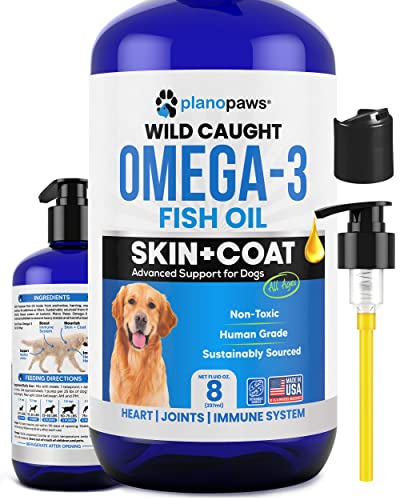
Dietary supplements provide vital moisture from the inside out. Liquid fish oils and soft chew supplements rich in omega-3 and omega-6 fatty acids nourish hair follicles, reduce seasonal itching, and keep the coat silky. Look for supplements made from wild-caught ocean fish like anchovies, sardines, or salmon that supply beneficial EPA and DHA fatty acids. Always inspect the package for clear weight-based dosing directions and clean ingredient lists free from artificial preservatives before adding any new supplement to your dog's daily meal.

- BWP Score9.4
BWP Score is a ranking system developed by Bestwinterproducts.com. BWP score has no relationship or impact from any manufacturers or sales agent websites. Learn more
- BrandTropiClean

- BWP Score9.2
BWP Score is a ranking system developed by Bestwinterproducts.com. BWP score has no relationship or impact from any manufacturers or sales agent websites. Learn more
- BrandSleekEZ

- BWP Score9.2
BWP Score is a ranking system developed by Bestwinterproducts.com. BWP score has no relationship or impact from any manufacturers or sales agent websites. Learn more
- BrandCHI
- BWP Score9.0
BWP Score is a ranking system developed by Bestwinterproducts.com. BWP score has no relationship or impact from any manufacturers or sales agent websites. Learn more
- Brandplanopaws

- BWP Score9.0
BWP Score is a ranking system developed by Bestwinterproducts.com. BWP score has no relationship or impact from any manufacturers or sales agent websites. Learn more
- BrandNature's Specialties

- BWP Score8.8
BWP Score is a ranking system developed by Bestwinterproducts.com. BWP score has no relationship or impact from any manufacturers or sales agent websites. Learn more
- BrandNative Pet

- BWP Score8.8
BWP Score is a ranking system developed by Bestwinterproducts.com. BWP score has no relationship or impact from any manufacturers or sales agent websites. Learn more
- BrandGrateful Pawz

- BWP Score8.8
BWP Score is a ranking system developed by Bestwinterproducts.com. BWP score has no relationship or impact from any manufacturers or sales agent websites. Learn more
- BrandDouxo

- BWP Score8.4
BWP Score is a ranking system developed by Bestwinterproducts.com. BWP score has no relationship or impact from any manufacturers or sales agent websites. Learn more
- BrandSynergyLabs

- BWP Score8.2
BWP Score is a ranking system developed by Bestwinterproducts.com. BWP score has no relationship or impact from any manufacturers or sales agent websites. Learn more
- BrandVet's Best

- BWP Score7.8
BWP Score is a ranking system developed by Bestwinterproducts.com. BWP score has no relationship or impact from any manufacturers or sales agent websites. Learn more
- BrandPet Vitamin Co
Last update on 2026-10-03 / Affiliate links / Images, Product Titles, and Product Highlights from Amazon Product Advertising API
.jpg)

Best Warm Winter Scarves 2026 For Cozy Comfort

Best Green Ski Goggles 2026 For Clear Vision On Slopes

12 Best Corner Electric Fireplace 2026: My Ultimate Guide To Pick One

Best Battery Powered Snow Blower 2026 For Effortless Snow Clearing

Best Ski Goggles Under 30 Inches For Crisp Vision And Comfort

Best Cooling Scarf 2026 For Instant Relief And Comfort

Fake Snow for Grass: Create a Realistic Winter Lawn Display

Dimplex Prism Wall Mount Fireplace: Sleek Heat With Modern Flame Style





