
best prescription ski goggles 2026: Clear Runs

Best prescription ski goggles solve one of skiing’s sneakiest headaches: Seeing clearly without stuffing everyday glasses into a tight foam frame. Fogged lenses, pressure points, crooked temples, and blurry distance signs can turn a fun run into a guessing game real fast. A smarter setup keeps vision stable while letting the face seal, lens tint, and helmet fit do their jobs. That matters a lot when flat light rolls in and every bump starts looking like mashed potatoes.
Prescription ski goggles usually come in two practical styles: Insert-ready goggles and OTG frames made to fit over glasses. Inserts often feel cleaner because they sit inside the goggle instead of jamming eyeglass arms against the temples. OTG designs can still make sense, especially for mild days or casual trips, but they need enough interior space and good airflow. Otherwise, well, fog has a way of showing up right when the trail gets busy.
Anti-fog performance deserves more attention than flashy mirror color. Double lenses, vented frames, and coatings help, but fit still calls the shots. A gap around the nose can invite cold air, while a frame pressed too tightly can trap moisture like a tiny greenhouse. So the better pick isn’t always the biggest lens or boldest tint; it’s the one that keeps breathing room without letting wind sneak in.
Lens tint also changes the whole ride. Low-light days usually feel better with yellow, rose, amber, or clear lenses because contrast matters more than dark shading. Bright alpine sun calls for darker lenses with stronger glare control, especially above the tree line. Swappable lenses are handy, though they add cost, and cheap magnetic systems may feel less reassuring during hard falls or rough travel.
Helmet compatibility can make or break comfort. A goggle that looks sharp on a product page might leave a forehead gap, pinch the bridge, or fight the helmet brim. Wider straps with grippy backing tend to stay put better, especially on long lift days. Still, oversized frames can overwhelm smaller faces, so bigger isn’t automatically better.
Best prescription ski goggles should feel steady, breathable, and easy to manage with gloves on. Small details matter: A secure insert slot, scratch-resistant storage, soft foam, and enough peripheral view for checking traffic before merging. The tradeoff is simple enough: More optical convenience often costs more upfront, but squinting through fog or crooked glasses can spoil a ski day faster than a cold sandwich in the lodge.

- BWP Score9.4
BWP Score is a ranking system developed by Bestwinterproducts.com. BWP score has no relationship or impact from any manufacturers or sales agent websites. Learn more
- BrandOutdoorMaster
- BWP Score9.0
BWP Score is a ranking system developed by Bestwinterproducts.com. BWP score has no relationship or impact from any manufacturers or sales agent websites. Learn more
- BrandOMEKOL
- BWP Score9.6
BWP Score is a ranking system developed by Bestwinterproducts.com. BWP score has no relationship or impact from any manufacturers or sales agent websites. Learn more
- BrandVANRORA

- BWP Score9.2
BWP Score is a ranking system developed by Bestwinterproducts.com. BWP score has no relationship or impact from any manufacturers or sales agent websites. Learn more
- Brandfindway

- BWP Score9.0
BWP Score is a ranking system developed by Bestwinterproducts.com. BWP score has no relationship or impact from any manufacturers or sales agent websites. Learn more
- BrandJULI Eyewear

- BWP Score9.0
BWP Score is a ranking system developed by Bestwinterproducts.com. BWP score has no relationship or impact from any manufacturers or sales agent websites. Learn more
- BrandOdoland

- BWP Score9.2
BWP Score is a ranking system developed by Bestwinterproducts.com. BWP score has no relationship or impact from any manufacturers or sales agent websites. Learn more
- BrandAVV
Last update on 2023-05-05 / Affiliate links / Images, Product Titles, and Product Highlights from Amazon Product Advertising API
Best Prescription Ski Goggles With OTG Comfort
Cold air sneaks in fast once regular glasses start fogging under a ski helmet, and that tiny annoyance can snowball into a rough afternoon on the mountain. Squinting through moisture while trying to spot icy patches or trail markers gets old in a hurry. The OutdoorMaster OTG Ski Goggles slide into that frustrating gap between bulky over-glasses designs and pricey custom prescription setups. Built for skiers and snowboarders who’d rather keep their normal eyewear on, these goggles focus on practical comfort instead of flashy gimmicks.
OutdoorMaster OTG Ski Goggles
OTG compatibility is the first thing that stands out here, especially for people tired of cramming eyeglass arms into tight goggles that pinch the temples after one or two runs. OutdoorMaster designed this frame to fit over glasses without creating that squeezed feeling around the nose bridge. The interior space feels roomy enough for many standard prescription frames, though oversized fashion glasses may still feel cramped. Smaller wire frames and medium rectangular glasses seem to pair best with the layout.
Comfort during longer sessions feels surprisingly balanced for a budget-friendly ski goggle. The soft TPU frame flexes instead of digging into the cheeks, and that matters more than people expect once temperatures drop below freezing. Hard plastic frames can become irritating halfway through a ski day, especially on chairlift rides with cold wind pushing directly against the face. This softer construction helps reduce that stiff pressure feeling without making the goggles feel flimsy.
Helmet compatibility also deserves credit because mismatched straps can create forehead gaps that let icy air leak inside. The extra-long elastic strap wraps cleanly around most ski and snowboard helmets without sliding around every few minutes. A loose strap can ruin visibility fast once goggles start shifting during turns, so the stable fit helps maintain a cleaner seal. Teens and adults sharing gear between trips may appreciate that flexibility too.
Daily usability feels refreshingly uncomplicated. Toss the goggles into the included carrying pouch, clip them onto a helmet, and they’re pretty much ready for the next run. No weird adjustment learning curve. No fragile lens swapping system to baby in the lodge.
Lens Clarity And Fog Control On The Slopes
Anti-fog performance matters far more than mirror coating color, and OutdoorMaster leans into practical visibility here. The dual-layer lens setup combines ventilation with an anti-fog coated inner lens, which helps reduce that cloudy buildup common during stop-and-go skiing. Warm breath trapped under scarves or balaclavas still creates challenges in wet snow conditions, but the goggles handle ordinary resort riding reasonably well. They don’t magically eliminate moisture forever, though honestly, no ski goggle truly does.
Optical clarity stays fairly clean across the viewing area, especially near the center of the lens where most riders focus their attention. Cheap goggles sometimes create subtle distortion around the edges that makes terrain feel oddly warped. This lens avoids most of that fishbowl effect, which helps while navigating moguls, tree runs, or crowded beginner areas. Visibility remains stable enough to reduce eye strain during long afternoons outside.
The VLT 10% grey lens with REVO silver coating leans toward bright conditions rather than flat storm days. Bluebird skies, sunny chairlift rides, and reflective afternoon snow suit this tint well because it cuts glare without turning the mountain unnaturally dark. Heavy snowfall or low-light evening sessions may require a brighter lens option, so buyers should keep realistic expectations about weather versatility. Darker lenses always involve tradeoffs.
Ventilation placement also helps maintain airflow without creating an icy draft directly into the eyes. Some low-cost ski goggles overdo vent spacing and end up channeling freezing air across the face during downhill sections. OutdoorMaster keeps things more controlled, balancing airflow with warmth in a way that feels comfortable for casual resort use. Aggressive backcountry riders chasing deep powder every weekend may want something more technical, but that’s a different category entirely.
Practical Features That Matter More Than Marketing
UV400 protection quietly does a lot of heavy lifting here. Bright snow reflects sunlight aggressively, and prolonged exposure can leave eyes feeling exhausted even after a short day outdoors. The full UV protection helps reduce that harsh glare fatigue while supporting better comfort during extended ski sessions. Riders often notice the difference later in the lodge once they remove the goggles and realize their eyes don’t feel completely fried.
Durability feels aimed at realistic mountain use rather than showroom perfection. Tossing goggles into a backpack, setting them on lodge tables, or clipping them onto helmets between runs all create wear over time. The TPU frame flexes instead of cracking easily under ordinary handling pressure, which helps the goggles survive travel days and beginner mistakes alike. Lens care still matters, naturally, especially with anti-fog coatings involved.
The included carrying pouch sounds basic on paper, but it genuinely helps reduce accidental scratches during transport. Ski gear tends to get jammed together fast in crowded car trunks or luggage bags. A simple pouch creates enough separation to keep the lens cleaner between trips. Little details like that often end up mattering more after a full season of use.
Long-term practicality also gets a boost from the customer-favorite lifetime warranty. Ski gear takes abuse, particularly during travel-heavy winter schedules, so extra support adds peace of mind without turning into a hard sales pitch. Gear failures rarely happen at convenient times, and replacement policies can make a noticeable difference once the season gets rolling.
Where These Goggles Fit Best
Best prescription ski goggles don’t always need the fanciest magnetic lens systems or ultra-premium pricing. Sometimes the bigger priority is simply staying comfortable while wearing prescription glasses all day without constant fogging or painful pressure points. OutdoorMaster OTG Ski Goggles fit nicely into that practical middle ground. They feel built for regular resort riders who want dependable visibility without spending a small fortune.
Casual ski trips, weekend snowboarding sessions, tubing hills, and family mountain vacations all match the strengths of these goggles. Riders who ski a handful of times each winter will probably appreciate the straightforward design more than hyper-technical features they rarely use. Hardcore alpine racers or dedicated backcountry skiers may eventually outgrow them, especially in rapidly changing weather conditions. Still, that doesn’t make this setup less useful for the majority of recreational riders.
Prescription eyewear compatibility remains the real selling point. Plenty of ski goggles claim OTG support while barely fitting slim reading glasses. OutdoorMaster leaves enough internal space to reduce that cramped, awkward feeling that causes glasses to shift around during movement. That extra breathing room helps both comfort and fog reduction at the same time.
Cold-weather gear discussions sometimes drift into completely unrelated hobbies, and oddly enough, fabric texture conversations pop up there more than expected. A softer material reference appears naturally in best yarn for sophie scarf, especially among people who care about winter layering comfort beyond the slopes. Different category, sure, but the overlap in cold-weather routines feels surprisingly familiar.
Tradeoffs still exist, naturally. The darker VLT 10% lens won’t feel ideal during storm-heavy ski days, and oversized prescription frames may push the fit limits. But for bright mountain conditions, everyday resort riding, and reducing the hassle of skiing with glasses, these goggles carve out a pretty sensible spot in the crowded winter gear market.
Best Prescription Ski Goggles For Cold Weather Runs
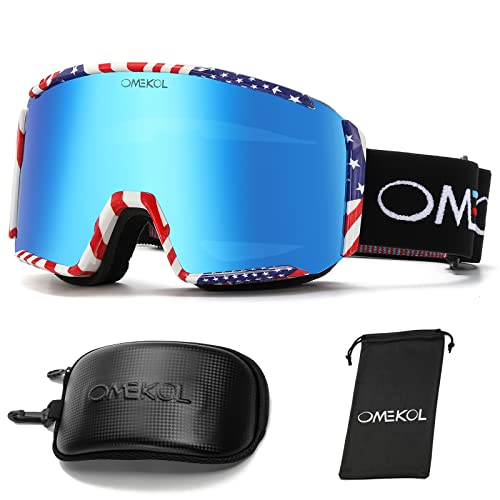
Fog creeping across the inside of ski goggles can wreck visibility faster than bad weather itself, especially after a few hard downhill runs. One minute the trail looks sharp, then suddenly every shadow on the snow blends together like wet chalk. The OMEKOL Double Layers Anti-Fog Ski Goggles try to tackle that exact frustration with a layered lens setup focused on airflow and moisture control. They lean toward practical mountain comfort instead of flashy extras that rarely matter once temperatures dip.
OMEKOL Anti-Fog Ski Goggles
Double-layer lens technology forms the backbone of this design, and honestly, that’s where these goggles earn most of their value. A single lens setup usually struggles once warm breath and cold air start colliding during active skiing or snowboarding. OMEKOL adds both internal and external anti-fog coatings to help slow condensation buildup before it turns into a cloudy mess. That extra layer management becomes noticeable during long lift rides followed by quick downhill bursts.
Wide field of view gives the goggles a more open feel than many compact ski models. Peripheral vision matters more than people think, especially around crowded lift exits or narrow trails where riders suddenly appear from the side. The lens shape keeps visibility fairly broad without introducing heavy distortion around the edges. Terrain changes, uneven snow patches, and icy ruts stay easier to track during movement.
Airflow design deserves some appreciation too. Vent holes positioned along the top and bottom sections help circulate air while reducing trapped moisture inside the frame. Cheap ski goggles often skip thoughtful ventilation placement, which leads to stale humid air sitting directly against the lens. OMEKOL’s approach feels more balanced, allowing steady circulation without blasting freezing wind directly into the eyes.
The lightweight structure also changes the overall feel during long sessions outdoors. Bulky goggles can create forehead fatigue after hours under a helmet, especially during rough terrain or repeated chairlift rides. These stay fairly easy on the face without feeling flimsy or loose. That subtle comfort difference tends to matter more late in the day once the mountain starts wearing people down.
Comfort That Handles Long Ski Sessions
Triple-layer sponge padding gives these goggles a softer landing against the skin compared to thinner foam designs. Cold wind sneaking through rough foam edges can become irritating fast, particularly during windy afternoons or snowmobile rides. OMEKOL uses high-density cushioning that molds against the face more naturally while helping retain warmth. The softer seal also reduces those annoying pressure spots near the cheeks and nose bridge.
Helmet compatibility feels pretty reliable thanks to the elastic strap design. Some ski goggles shift around constantly once paired with bulkier helmets, forcing riders to readjust every couple of runs. The strap here stretches enough to work with most adult helmet shapes while maintaining a snug fit. Loose goggles sliding downward during movement can ruin visibility quickly, so the stability matters.
Warmth retention plays a surprisingly big role in overall comfort. Goggles that vent too aggressively often leave the face exposed to icy airflow, especially on faster downhill sections. OMEKOL balances ventilation and insulation fairly well, creating enough airflow to reduce fog while still keeping the face protected from sharp winter wind. That middle ground suits ordinary resort conditions nicely.
OTG practicality may interest anyone juggling prescription eyewear under ski gear. The interior spacing feels accommodating for many smaller and medium-sized glasses, though oversized frames could feel tight depending on shape. A slimmer pair of prescription glasses tends to pair more comfortably inside the frame. Bigger fashion-style frames might push the fit limits a bit.
Visibility In Bright And Variable Conditions
UV protection quietly becomes one of the more valuable features during full-day ski trips. Snow reflects sunlight aggressively, and prolonged glare can leave eyes feeling strained long after leaving the slopes. OMEKOL includes 100% UV protection to help cut down that harsh reflection fatigue. Eyes stay more relaxed during bright afternoon sessions where sunlight bounces heavily off packed snow.
Lens clarity remains reasonably stable across changing terrain conditions. Some low-cost ski goggles create subtle visual warping that becomes distracting while carving through uneven snow or moguls. This lens keeps things cleaner through the central viewing zone where most riders naturally focus. Small bumps, changing texture, and icy patches stay easier to judge without second-guessing depth.
Snowmobile use actually makes sense here too because airflow management becomes even more important at higher speeds. Cold air rushing across poorly ventilated goggles often creates instant condensation problems once movement slows down. OMEKOL’s dual-layer anti-fog setup helps maintain visibility during those stop-and-start moments outdoors. That wider field of view also feels useful in open snowy terrain.
Weather limitations still exist, naturally. Heavy wet snowfall and extreme humidity can overwhelm almost any anti-fog system eventually. Riders spending entire weekends in storm-heavy mountain regions may still want backup lens wipes or alternate low-light goggles. These feel strongest in ordinary winter resort conditions rather than harsh expedition-style environments.
Small Details That Improve Everyday Use
The included protective case and carrying pouch help more than expected during travel. Ski gear gets tossed into car trunks, backpacks, and crowded lockers constantly, so lens scratches become a real concern over time. A proper case adds a little insurance against careless packing. Tiny practical additions like that usually age better than flashy cosmetic features.
Build flexibility keeps the goggles from feeling overly rigid during active movement. Hard frames sometimes create awkward pressure points once temperatures drop and materials stiffen. OMEKOL’s softer structure adapts more naturally around the face while still maintaining shape under a helmet. That flexibility also makes packing them into luggage less stressful.
One-year warranty coverage adds a layer of reassurance without turning into a loud marketing pitch. Winter sports gear deals with freezing temperatures, impacts, and rough transport conditions regularly. Replacement support can matter quite a bit once a season gets underway. Nobody enjoys scrambling for backup goggles halfway through a ski trip.
Cold-weather gear conversations sometimes drift into entirely different outdoor hobbies, especially once people start comparing towing power and water conditions after winter fades. An interesting crossover reference appears naturally in best jet ski for pulling a tube, where stability and visibility discussions oddly echo some of the same practical concerns found in snow sports equipment.
Where These Goggles Fit Best
Best prescription ski goggles don’t always need expensive interchangeable lens systems or ultra-technical mountain branding. Plenty of riders simply need clear visibility, stable comfort, and enough room for prescription glasses without constant fogging. OMEKOL focuses heavily on those basics, and honestly, that straightforward approach feels refreshing. The goggles handle casual ski trips, snowboard weekends, tubing hills, and recreational snowmobile outings without feeling overly complicated.
Budget-conscious winter gear often cuts corners in ventilation or foam comfort first, which creates problems later on the slopes. OMEKOL avoids some of those common shortcuts by putting noticeable attention into airflow channels and facial padding. The result feels more practical than flashy. Riders spending occasional weekends on the mountain may appreciate that balance more than premium features they’d rarely use.
Tradeoffs still matter, though. Extreme low-light days could benefit from a brighter lens option, and oversized prescription frames may not fit comfortably underneath. Serious backcountry riders chasing aggressive alpine conditions every week might eventually want something more specialized. Still, for ordinary winter recreation and reducing the headache of fogged-over visibility, these goggles carve out a pretty dependable lane.
VANRORA OTG Ski Goggles
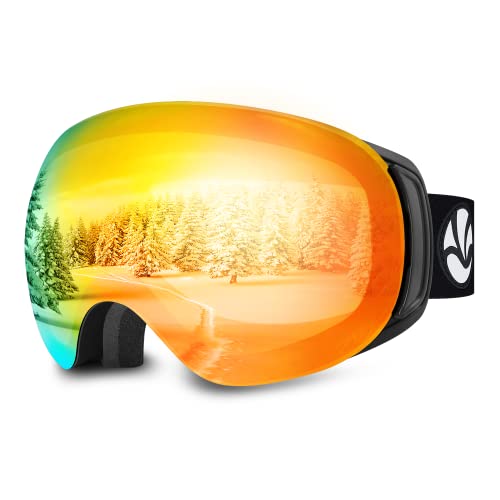
A lens that works beautifully at noon can feel awkward once clouds roll over the ridge, and that’s where many ski goggles start showing their limits. Bright glare, flat light, fog, helmet gaps, and prescription glasses all have a way of piling up at the worst possible moment. The VANRORA OTG Ski Goggles sit in the best prescription ski goggles conversation because they handle over-glasses wear while adding a magnetic lens system for changing light. That mix feels practical for riders who don’t want to choose between clear vision and flexible slope coverage.
VANRORA X-Mag Ski Goggles
Over-the-glass compatibility gives these goggles their everyday usefulness, especially for anyone who has dealt with glasses squeezing against the temples under a helmet. The medium fit works with most prescription eyewear, according to the provided details, but shape still matters. Slimmer rectangular frames usually settle more naturally than tall or chunky glasses. A little pre-trip fit check at home can save a lot of fiddling in the lodge.
The magnetic lens design is the feature that separates this pair from simpler OTG goggles. VANRORA uses a fast interchange system with 6 magnets, so lens swapping feels less fussy than old-school tab systems. The side-clip locking system adds a more secure hold once the lens is seated, which matters on bumpy runs or during quick helmet adjustments. Extra lenses are sold separately, so the flexibility is real, but it does come with added cost.
The included grey lens with Revo red coating has a VLT of 17%, which puts it in a brighter-light lane. Sunny groomers, open bowls, and glare-heavy snowfields are where this tint makes the most sense. Low-light storm days may call for yellow, clear, or photochromic lens options instead. That’s not a flaw so much as the usual tradeoff with darker lenses.
Prescription eyewear comfort depends heavily on how glasses sit inside the frame. These goggles are designed for OTG use, but oversized eyewear can still crowd the interior space or press against the nose. Medium-fit goggles rarely feel roomy for every face shape, so expectations should stay grounded. For many standard glasses, though, the setup sounds far less annoying than forcing regular eyewear into non-OTG goggles.
Lens Swapping And Light Control
Fast lens swapping can make a ski day feel less locked into one weather pattern. Mountain light changes quickly, and a sunny morning can turn into flat gray soup after lunch. The VANRORA system supports extra lens choices such as polarized, photochromic, yellow, clear, and matching replacement options, based on the product details. Having those choices available separately gives the goggles more room to grow beyond the included lens.
The 6-magnet layout helps make the lens change process feel cleaner than wrestling with stiff plastic notches in freezing temperatures. Gloves, cold fingers, and crowded lodge benches can make small lens tabs a pain in the neck. Magnetic alignment reduces that hassle, while the side-clip locking system keeps the design from feeling too loose. That pairing of speed and backup security is a smart touch.
VLT selection matters more than the lens color alone. A 17% VLT grey lens blocks quite a bit of light, which can feel comfortable in strong sun but too dim under heavy clouds. The product detail recommends using a VLT chart, and that advice is worth taking seriously. A darker lens won’t magically create contrast on snowy, shadowless afternoons.
Light-condition flexibility becomes the biggest reason to consider this model over a basic one-lens OTG goggle. Extra lenses being sold separately means the initial setup may not cover every ski day perfectly. Still, the frame gives a clear upgrade path without replacing the whole goggle. That’s handy for riders building a more complete winter kit piece by piece.
Anti-Fog Design And Clear Vision
Double-layer lens construction gives the goggles a better foundation against fog than single-lens designs. Warm air from the face and cold mountain air create condensation quickly, especially during stop-and-go riding. VANRORA adds a high-performance hydrophilic coating on the inner side to reduce fog formation. That coating helps manage moisture before it turns the view into a frosted windshield.
The ventilation system is built to move air through the inside of the goggles, and airflow is the quiet hero of fog control. Coatings help, sure, but trapped humidity still needs somewhere to go. Efficient airflow reduces the chance of moisture lingering against the lens during lift lines, slow traverses, or harder runs that heat the face up. Scarves pulled too high can still push warm breath upward, so fit habits matter too.
The curved spherical lens supports a wide field of vision, which feels useful on crowded slopes and fast merges. Tunnel vision can make skiing with prescription glasses feel more stressful than it needs to be. VANRORA’s design aims for an unobstructed, distortion-free view through an injection-molded polycarbonate lens. That kind of lens shape helps the mountain feel more open instead of boxed in.
Anti-scratch and impact-resistant lens traits add everyday reassurance, though care still matters. Tossing goggles loose into a boot bag is still asking for scuffs, even with stronger materials. The included microfiber pouch helps protect the lens between rides. Small storage habits can make a goggle feel newer for much longer.
Comfort, Helmet Fit, And Protection
Triple-layer face foam gives these goggles a softer seal around the cheeks and nose. Thin foam can feel fine in the store but turn irritating once wind, sweat, and helmet pressure enter the picture. The layered padding should help spread pressure more evenly across the face. That matters during long chairlift laps where tiny pressure points become hard to ignore.
The anti-slip silicone backed strap helps the goggles stay put on helmets instead of creeping upward or sliding down. Helmet compatibility can sound boring until a strap starts shifting every time the rider adjusts their hood. A grippier strap gives the whole setup a more planted feel. Less readjusting means fewer chances to smear the lens with gloves.
The TPU frame adds flexibility and safety-minded durability without turning the goggles into a stiff shell. Cold weather can make rigid frames feel uncomfortable, especially around the bridge of the nose. A more forgiving frame adapts better to face shape and helmet pressure. That softer behavior also helps during packing and travel.
Snow, wind, glare, and UV protection are all part of the package, based on the product details. That combination matters because prescription glasses alone don’t seal the face or block wind from the sides. Goggles create a protective pocket around the eyes while the lens handles glare control. A separate cold-weather style note sits naturally in how to tie mens silk scarf, since winter comfort often depends on small fit details around the neck and face.
Realistic Strengths And Tradeoffs
The biggest strength is the combination of OTG fit, magnetic lens swapping, anti-fog design, and helmet-friendly stability. Many goggles offer one or two of those pieces, but not every budget-conscious option ties them together this neatly. The VANRORA pair feels especially sensible for changing mountain light where one fixed lens can become limiting. It gives more control without turning the setup into a complicated science project.
The biggest tradeoff is that extra lenses cost more and are not included with the base package. The frame may support polarized, photochromic, yellow, and clear options, but that flexibility depends on separate purchases. Riders who only ski on bright days may be fine with the included 17% VLT lens. Anyone heading into cloudy, snowy, or night conditions should think carefully about lens needs before relying on one tint.
Fit limitations also deserve a fair mention. Medium fit with OTG compatibility works with most prescription eyewear, but “most” never means “all.” Thick frames, tall lenses, or wide temples can still cause pressure or alignment issues. A slimmer pair of glasses under the goggles will usually give the cleanest experience.
The VANRORA OTG Ski Goggles make the most sense for riders who want best prescription ski goggles practicality with a more adaptable lens platform. They aren’t trying to be the most stripped-down option, and they aren’t pretending one lens handles every mountain condition. The design feels strongest for resort skiing, snowboarding, and mixed-light days where clear vision, helmet grip, and over-glasses comfort all need to work together. That’s a pretty useful lane to occupy.
findway OTG Ski Goggles
Glasses under winter goggles can feel like a bad compromise, especially once fog, temple pressure, and helmet fit all start arguing at the same time. A clear run can turn into squinting, wiping, adjusting, and muttering under your breath before the first lift ride is even over. The findway OTG Ski Goggles fit into the best prescription ski goggles discussion because they’re built around over-glasses comfort, airflow, wide vision, and full UV protection. They aim to keep things practical for snowboarding, skiing, ice skating, mountain riding, and other cold-weather activities where clear sight isn’t optional.
findway OTG Ski Goggles
Oversized OTG design is the headline feature, and it makes sense for anyone who doesn’t want to mess with prescription inserts. The goggles are shaped to allow regular glasses underneath, which helps reduce the awkward squeeze that happens with standard ski goggles. That said, frame size still matters because bulky eyewear can crowd the inner space. Slimmer prescription glasses will usually feel more natural under this kind of setup.
Over-glasses comfort can make or break a day on the hill. If the goggle cavity is too shallow, eyeglass arms dig into the sides of the head and turn every run into a pressure test. findway’s larger OTG structure gives more breathing room around the eyewear, making it easier to keep prescription lenses in place. That’s especially useful during long lift lines, repeated helmet adjustments, and quick transitions between trails.
The frameless spherical design gives these goggles a more open visual feel than narrow boxy frames. A wider field of view helps with scanning slope traffic, catching edge changes, and spotting uneven snow before it causes trouble. The product description mentions a wide HD vision effect, which lines up with the spherical lens approach. Wider vision won’t replace good riding habits, but it does help reduce that boxed-in feeling.
Fit flexibility also extends across different winter activities. Skiing and snowboarding are the obvious uses, but the provided detail also mentions ice skating, rock climbing, motorcycling, mountain riding, aerial driving, and bungee jumping. That broad use case sounds ambitious, so expectations should stay sensible. The strongest match is still cold, windy, glare-heavy outdoor activity where eye coverage and prescription compatibility matter.
Airflow And Fog Control
Professional ventilation is one of the more important details in this goggle because fog is the enemy of every prescription-friendly setup. Warm air from the face, cold air outside, and glasses sitting underneath can create condensation fast. findway uses a smooth airflow system designed to bring fresh air in and push moisture out quickly. That’s the right idea because anti-fog coating alone can only do so much.
The double lens construction supports better fog resistance than basic single-lens goggles. The product detail says the inner lens is made with PRO long-lasting anti-fog performance materials from Italy, paired with the ventilation system. I’d avoid treating that as magic, though, because scarves pulled too high or wet snow conditions can still push moisture into the frame. Still, the combination of coating and airflow gives these goggles a stronger fog-control foundation.
Moisture exhaust becomes especially useful during stop-and-go riding. Hard carving heats the face up, then a slow lift line lets condensation settle against the lens. A goggle that moves damp air out efficiently feels calmer in those awkward moments. Less wiping also means less chance of damaging anti-fog coatings with rough gloves or dirty sleeves.
Real-world fog limits deserve a plain mention. No ski goggle stays perfectly fog-free in every condition, especially during wet snowfall, heavy sweating, or poor face covering placement. The findway system is designed to reduce fogging, not bend physics. Keeping vents uncovered and avoiding direct breath flow into the frame will still matter.
Lens Protection And Slope Visibility
Performance double lens construction gives these goggles several useful protective traits in one setup. The product description lists anti-scratch, anti-fog, impact resistance, full-face Revo mirror coating, and 100% UV protection. That combination suits bright snow conditions where glare and reflected sunlight can wear the eyes down fast. Prescription glasses alone won’t block side wind or snow glare this way.
100% UV protection matters because snow reflects light aggressively, especially on open slopes and high-altitude runs. Eye fatigue can sneak up after a few hours, even if the weather feels pleasant. The reflective Revo mirror coating adds glare control while giving the lens a more shielded feel in bright conditions. Darker or mirrored lenses may feel less helpful in stormy low-light weather, so lens choice still needs common sense.
Optical clarity gets support from the spherical lens and frameless design. A curved lens can help reduce the tunnel-like effect that makes some goggles feel cramped. The provided description calls out great optical clarity, and the design choices match that goal. Riders who rely on prescription glasses will likely care more about clean sightlines than loud styling anyway.
Impact resistance adds reassurance for busy winter days, but it shouldn’t be confused with indestructibility. Goggles still need careful storage, especially with mirror coatings that can show scuffs if tossed loose into a boot bag. The stronger lens design is useful for ordinary slope mishaps and wind protection. Good habits still keep the lens looking clearer over time.
Helmet Fit, Foam, And Daily Comfort
Helmet compatibility comes from the silicone-backed non-slip strap and extra-long adjustable design. A strap that creeps around on a helmet gets annoying fast, particularly during repeated lift rides or after adjusting a hood. The wider high-density 3D jacquard strap should help distribute tension more evenly. That steadier grip supports a better seal around the face.
Triple-layer foam gives the goggles a softer contact point against the skin. Thin foam can feel fine at first, then start pressing into the cheeks once cold wind and helmet pressure join the party. A layered foam build helps spread pressure while adding warmth around the face. Breathability still matters, so the foam has to work with the ventilation rather than trapping every bit of moisture.
The TPU frame adds flexibility, which is useful in cold conditions where rigid frames can feel harsh. A more forgiving frame can sit more naturally around different face shapes and helmet angles. The product detail also describes the materials as comfortable, warm, safe, and breathable. That mix feels practical rather than flashy, which fits the purpose of best prescription ski goggles better than cosmetic extras.
Youth sizing compatibility is worth noting because the product detail says the goggles fit kids over 10 years old, along with men and women. That doesn’t mean every child, teen, or adult face will get the same seal. Face shape, helmet style, and glasses size all affect comfort. Still, the broader fit range can be handy for families managing shared winter gear.
Pros And Cons From A Practical View
Pros start with OTG space, because wearing prescription glasses under goggles is the whole point here. The oversized interior gives regular eyewear more room than standard goggles, reducing the temple squeeze that ruins comfort. The frameless spherical lens also helps keep the view wide and less boxed in. For bright days, the Revo mirror coating and UV protection add useful glare defense.
Fog control is another clear strength, thanks to the ventilation system and double lens construction. The design focuses on moving moisture out quickly while using anti-fog lens materials to slow condensation buildup. That’s especially valuable for snowboarding and skiing, where body temperature changes constantly. A neutral maintenance reference appears in how to replace thermopile on gas fireplace, a separate cold-season topic where practical upkeep also matters more than flashy claims.
The main weakness is that oversized OTG goggles still won’t fit every pair of glasses perfectly. Thick frames, wide hinges, or tall lenses may press against the goggle interior. The product sounds generous in fit, but prescription eyewear varies too much for any OTG goggle to be universal. Testing glasses and helmet together before a trip would prevent surprises.
Another tradeoff sits in the mirrored lens style. A reflective lens can feel comfortable in bright snow, but darker glare-control lenses may not be the friendliest choice for night skiing, dense fog, or storm-heavy days. Riders who often deal with flat light may want a brighter lens option in their gear bag. The findway goggles feel strongest for clear, cold, and glare-heavy outings where protection and airflow take priority.
Best Use Cases And Expectations
Best prescription ski goggles should make winter movement feel less fussy, and this model leans into that goal with OTG space, ventilation, and wide vision. It suits recreational skiing and snowboarding where comfort matters as much as technical performance. The design also makes sense for occasional riders who don’t want to invest in custom prescription inserts. Keeping familiar glasses on can feel simpler and less expensive.
Multi-activity use gives the findway pair a broader role beyond ski resorts. Windy mountain rides, cold-weather skating, and snowy outdoor activities can all benefit from sealed eye protection. The goggles are not a substitute for sport-specific protective equipment in every scenario, though. Their strongest identity remains snow-focused visibility with prescription eyewear compatibility.
The 1-year guarantee adds a practical safety net if defects or quality problems appear. Winter gear gets knocked around in cars, bags, lockers, and chairlift lines, so support can matter. The product detail mentions refund or replacement support for defective or quality-related issues. That kind of backup feels useful, provided expectations stay tied to normal use.
Overall value rests on function rather than fancy storytelling. The findway OTG Ski Goggles bring together anti-fog airflow, double lens protection, wide spherical visibility, helmet-friendly strap design, and over-glasses fit. They won’t solve every low-light or oversized-frame problem, but they address the everyday annoyances that make skiing with prescription glasses feel clumsy. For bright slopes, cold wind, and regular resort use, the feature mix feels pretty sensible.
Juli OTG Ski Goggles
A bright lens can look slick in the mirror, but the real test starts once snow glare, helmet pressure, and prescription glasses all start competing for space. Fog creeps in, the bridge of the nose gets sore, and suddenly the trail ahead feels less like fun and more like guesswork. The Juli OTG Ski Goggles land in the best prescription ski goggles category because they focus on big inner space, a frameless view, ventilation, and lens flexibility. They’re built for riders who want clear slope visibility without ditching everyday glasses or paying for a separate prescription insert setup.
Juli OTG Ski Goggles
Prescription glasses compatibility is the main reason these goggles deserve attention. The larger inner space is designed to fit over most prescription glasses, which helps solve that familiar squeeze around the temples. Standard goggles often press eyewear into the side of the head, and that gets old before lunch. Juli’s OTG layout gives glasses more breathing room, though oversized frames may still feel a bit crowded.
The frameless design gives the goggles a cleaner, more open feel on the mountain. A bulky frame can make the view feel boxed in, especially while checking side traffic or reading terrain changes near the edge of vision. The big spherical lens helps create a wider view of the slopes without making the goggles look overly clunky. That matters when every shadow, rut, and moving skier needs quick attention.
The VLT 18.4% brown lens with REVO blue coating leans toward brighter outdoor conditions. Brown lenses can help add contrast on snowy terrain, while the mirrored coating helps manage glare in stronger light. This lens should feel most at home during sunny or partly cloudy ski days. Stormy afternoons or night skiing may call for a lighter spare lens from the detachable lens system.
Men, women, and youth sizing support makes these goggles feel more flexible for shared winter gear. The extra-long elastic strap also helps them work with different helmet setups. Still, face shape can change everything. A goggle that seals nicely on one person may leave a small gap around another person’s nose.
Detachable Lens Flexibility
The detachable lens system is the feature that gives these goggles more room to adapt. Ski weather rarely stays polite for an entire day, and a single tint can feel wrong once clouds move in or the sun drops behind the ridge. Juli offers spare lenses in different colors and VLT levels for different weather conditions and personal preference. Those spare lenses are the key to making the goggle system more useful across changing light.
Lens flexibility also helps avoid the “wrong tint all day” problem. A darker lens can feel comfortable in sharp sun, but it may flatten contrast once visibility drops. A lighter lens can make cloudy runs easier, but it may feel too bright in open snowfields. Having a detachable system gives the frame more long-term value, provided spare lenses are actually available and chosen carefully.
The tradeoff is that detachable lenses add one more thing to manage. Lenses need clean storage, careful handling, and a little patience during swaps. Scratches, fingerprints, and snow moisture can reduce clarity fast if the lens gets tossed into a jacket pocket. So, yes, flexibility helps, but it also rewards anyone who treats goggles like optics instead of random gear.
Personal preference plays a bigger role than many product pages admit. Some riders like warmer brown lenses because they make snow texture easier to read. Others prefer gray or yellow depending on their eyes and local weather. The Juli setup gives more choice than fixed-lens goggles, which is useful for winter conditions that refuse to behave.
Ventilation And Fog Control
Professional ventilation sits near the top of the list for prescription-friendly goggles. Glasses already add another surface inside the frame, so moisture management becomes even more important. Juli’s airflow system is designed to bring fresh air in and push moisture out quickly. That kind of movement helps reduce fogging during lift lines, hard runs, and stop-start riding.
Fog reduction depends on both the lens design and rider habits. Pulling a face covering too high can send warm breath straight into the goggle cavity, and even good ventilation may struggle with that. The Juli goggles are designed to optimize airflow over the inside of the lens, which gives them a better chance in normal ski conditions. Wet snow, heavy sweating, or blocked vents can still cause trouble.
The big spherical lens supports airflow and visibility at the same time. A cramped interior can trap humidity around both the goggle lens and prescription glasses. More room inside the frame gives moisture more space to move instead of sticking immediately to lenses. That’s a practical advantage for anyone who has wiped glasses with a glove and instantly regretted it.
Clear vision is the whole point here, not just a nice extra. Foggy goggles can turn an easy groomer into a guessing game, especially in flat light. The ventilation design helps keep the view usable for longer stretches. It won’t beat every weather condition, but it addresses the everyday fog problem in a sensible way.
Comfort, Helmet Fit, And Protection
The extra-long elastic strap gives these goggles better helmet compatibility. Helmet fit often gets overlooked until the goggles start sliding up, pulling down, or leaving a cold gap across the forehead. A longer strap gives more adjustment range across adult and youth helmets. That makes the goggles easier to settle into place without constant tugging.
Face comfort benefits from the large frame and OTG spacing. Glasses need enough room inside the goggles without forcing the frame outward or breaking the seal. The shape aims to protect the eyes from wind and snow while allowing prescription eyewear to sit underneath. That balance is tricky, because too much space can create gaps, while too little space causes pressure.
100% UV protection matters on bright snow because glare can wear the eyes down quickly. Prescription glasses may correct vision, but they don’t seal out wind or block reflected light from every angle. A proper ski goggle adds coverage around the face and helps reduce harsh light exposure. The REVO blue coating also gives the lens a reflective shielded look that suits sunny conditions.
Winter comfort often comes down to small gear details around the face, neck, and helmet line. One example worth noting is best mens gore tex walking shoes, a separate outdoor gear topic where weather protection and fit tradeoffs matter in a different way. The same practical mindset applies here: comfort isn’t just one feature, it’s how every contact point behaves after hours outside.
Pros And Cons In Real Use
Pros begin with the OTG fit, because wearing prescription glasses under goggles can be surprisingly annoying with the wrong frame. Juli’s big inner space helps reduce pressure and gives eyewear a better chance of sitting naturally. The frameless spherical lens also gives a broad, open view that feels useful on busy slopes. For resort riding, that combination makes the goggles feel more practical than basic compact models.
The detachable lens system is another clear strength. Different lens colors and VLT options can match changing weather better than one fixed lens. The included 18.4% brown lens with REVO blue coating sounds best suited for brighter conditions, while spare lenses can cover other light situations. That flexibility makes the goggle more adaptable across a ski season.
Cons start with lens management, because detachable systems need more care. Spare lenses cost extra, take up space, and require clean handling to avoid scratches. A rider who never wants to think about lens swaps may prefer a simpler one-lens goggle. Flexibility is helpful only if it fits the way the gear is actually used.
Fit is the other realistic limitation. The product says it fits over most prescription glasses, but “most” still leaves room for exceptions. Tall frames, thick hinges, or wide temples can create pressure inside even a larger OTG goggle. The best result usually comes from pairing these goggles with slimmer everyday glasses and a helmet that doesn’t push the frame downward.
Where These Goggles Make Sense
Best prescription ski goggles should reduce the friction of skiing with glasses, and the Juli OTG Ski Goggles aim right at that problem. They make sense for recreational skiing, snowboarding, and winter trips where clear vision matters more than premium branding. The detachable lens system adds appeal for changing light conditions. The oversized OTG design keeps the focus on comfort and usability.
Bright-day performance looks like the strongest lane for the included lens. The 18.4% VLT brown lens with REVO blue coating should help with glare and contrast in sunny or mixed-light snow. Low-light riders may want to think about spare lens options before relying on this one lens for every trip. That’s not a dealbreaker, just a normal lens-tint tradeoff.
Youth and adult compatibility adds useful flexibility for families or shared gear bags. The detachable strap and long elastic design help the goggles work with helmets across different setups. Still, fit should never be assumed from the product name alone. Face shape, glasses shape, and helmet fit all have a say.
The 30-day money back guarantee gives some reassurance if the fit or feel doesn’t match expectations. Ski goggles can look right on paper and still feel wrong once glasses and a helmet are involved. This model’s strongest points are OTG space, wide frameless vision, ventilation, UV protection, and lens adaptability. Its weaker spots are the usual suspects: extra lens costs, fit variables, and darker-lens limits in poor light.


Best Green Ski Goggles 2026 For Clear Vision On Slopes
Best Ski Goggles Under 30 Inches For Crisp Vision And Comfort

Best Backcountry Ski Goggles 2026 For Crystal Clear Vision

Best Frameless Ski Goggles Men for Clear Vision and All-Day Comfort
best yellow ski goggles Snow Clarity

Best EXP Vision Ski Goggles 2026 Ultimate Clarity Picks

Discover the Best Mens Ski Goggles of 2026
Best Slim Ski Goggles for Clear Vision, Lightweight Comfort, and a Low-Profile Fit





