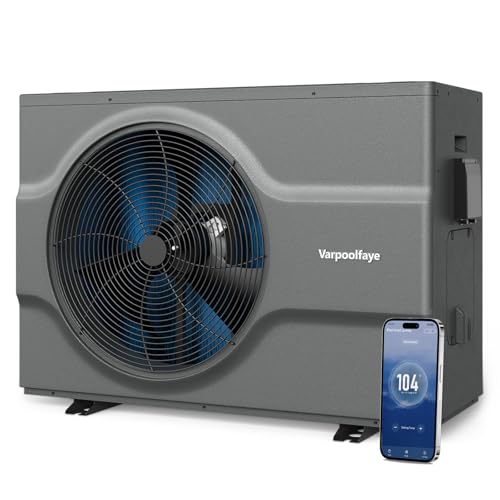
Stop letting 21,000 gallons sit lukewarm. Match an efficient 220V heat pump with proper BTU capacity and dependable app control to schedule steady warmth.
Warm your bedroom safely overnight with space heaters that shut off instantly when tipped on carpets and run quietly enough to keep light sleepers undisturbed.
Avoid noisy cycling and high electric bills. Select indoor heaters with power-scaling ECO modes and variable fan speeds for steady, draft-free bedroom warmth.
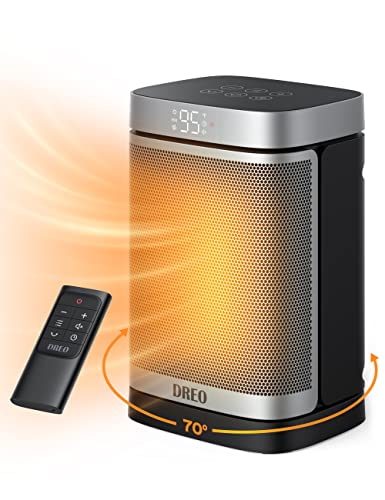
Stop wasting power on empty rooms. Match low-wattage ceramic heat and precise thermostats to drafty desks or bedrooms to stay warm without utility spikes.
Stop clicking relays and 2 a.m. hot flashes. Keep bedrooms comfortable with near-silent electric heaters featuring precision thermostats and auto-off timers.
Cold air cuts heat pump output and freezes coils. Pair low-ambient inverters with proper BTU sizing to keep outdoor pool water warm through chilly weather.
Stop fuel spills in your truck bed and keep crews warm. Select durable diesel heaters by carry handle strength, dual-voltage wiring, and cold-weather output.
Thin mountain air causes unadjusted diesel heaters to soot up and shut down. Pick altitude-ready units built for low battery draw and quiet overnight warmth.
Wake up to instant heat instead of shivering. Check 1500W PTC ceramic heaters for rapid warm-up speed, quiet motor ratings, and certified tip-over shut-offs.
Prevent mounting mix-ups and drafty rooms. Match Phoenix heater models by floor feet, wall brackets, Wi-Fi pairing, and safe-touch warmth for up to 300 sq ft.
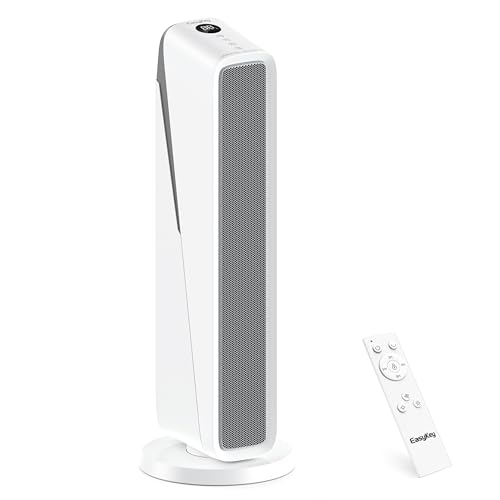
Heat a large room quickly without enduring a roaring blower fan. Balance wide oscillation with whisper-quiet operation below 35 dB to eliminate cold pockets.
Prevent thermal runaway when heating tight spaces. Choose portable heaters with certified thermal cutoffs that instantly kill power if air intakes get blocked.
Lower your winter energy bills and warm cold rooms by clearing airflow, sealing leaky duct joints, and avoiding vent mistakes that overwork your heater.
Cut central heating costs by adjusting thermostat habits, replacing clogged filters, and avoiding closed-vent mistakes that force your system to overwork.
Insulating bare heating ducts stops warmth escaping into cold attics. Rooms heat up faster, allowing your heater to run shorter cycles and cut utility bills.
Poor insulation lets heat leak out as fast as it is made, forcing your heater to run nonstop. Trapping warmth inside cuts electric bills and fixes cold spots.
Sealing drafty window gaps keeps heat inside so your room warms faster, letting your heater shut off sooner instead of running non-stop to fight the cold.
Convection heaters cut power draw when you trap rising heat. Stop cold drafts, place the heater properly, and let your thermostat cycle off to keep bills down.
Keep your room warm without high electric bills. Block cold drafts, position your heater where you sit, and use lower wattage settings instead of full blast.