Clearing dust from vents stops heaters from overheating and wasting power. Simple monthly cleaning habits protect internal parts and keep heating bills low.
Check and bleed your hot water radiators once a year in early autumn. Clear trapped air to stop cold spots and prevent costly water leaks before winter.
Get your central heat running again with safe checks for tripped switches, dirty filters, and thermostat glitches, plus clear signs you need a technician.
Vacuum dust from vents, check the cord for damage, and wipe the exterior safely to stop burning smells and keep your heater running without fire risks.
Run an infrared heater only while you are in the room to feel the warmth. Manage daily run times safely, protect your outlets, and avoid high electric bills.
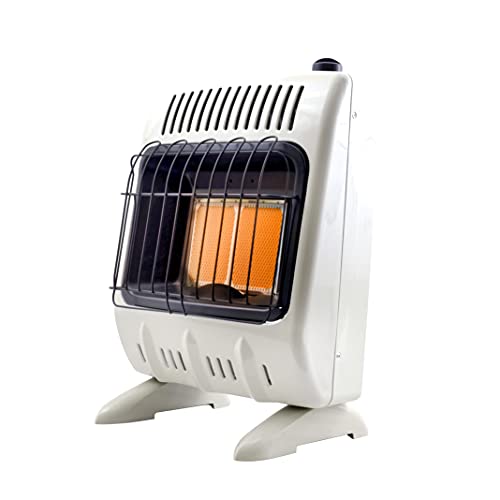
Match your fuel line first, pick between vented and pipe-free setups, and size heat output to warm your space safely without fumes or moisture buildup.
The thermostat measures air right around the heater instead of the rays warming your body. That temperature gap makes it cycle off before your room feels warm.
Cut power use on an oil radiator by using the lower wattage switch, letting the thermostat dial cycle off, and trapping stored heat inside a closed room.
Use the click method to set unnumbered dials, choose your digital degree target, and adjust your distance to stay warm without tripping your circuit breaker.
Portable infrared heaters send invisible heat waves directly to your body and furniture, warming you like sunlight instead of trying to heat drafty room air.
Solar heaters store daytime warmth in insulated water tanks, rock beds, or batteries so your home stays warm all night without overheating in peak sun.
Geothermal pulls steady heat from underground even through freezing winters, while solar heating depends on sunlight and needs a backup during cloudy weeks.
Smart plugs and thermostats turn heaters on when solar panels make extra power, warming your rooms automatically without pulling costly grid electricity.
Solar heaters cut fuel bills on sunny days, but traditional systems keep cold nights reliable. Weigh upfront costs, winter cloud cover, and hybrid setups.
Solar heaters cut energy bills by using free sunlight to ease furnace run time. See how cloudy days, freezing nights, and backup heat affect real savings.
Direct solar air heaters work efficiently by capturing sun warmth in a collector box, avoiding the drained batteries that plug-in electric heaters cause.
Solar heaters capture warmth directly from sunlight to heat indoor air, keeping electric heaters off all day to lower power bills even in freezing weather.