Clear mineral buildup from your tankless heater using household vinegar. Safely shut the valves, connect the pump, and flush the coils to restore hot water.
Cut the power or gas, shut off the cold water supply, and connect a garden hose to drain your water heater cleanly without ruined elements or water damage.
Flush a water heater once every year to clear mineral sediment, stop rumbling sounds, and prevent leaks. Hard water cuts that schedule down to six months.
Match a heat pump or gas furnace to your winter climate, inspect your ducts, and avoid square-foot sizing guesses to prevent cold rooms and high bills.
Mount a plug-in wall heater or wire a baseboard unit safely. Check fire clearances, prevent tripped breakers, and see when to call a licensed electrician.
Home gas heaters must be replaced entirely, while RV tanks can use bolt-in electric kits. Follow safe steps to shut off gas, drain the tank, and wire power.
A store shelf tag only covers the equipment. Local plumbing labor, fuel line hookups, and code permits determine your true water heater replacement bill.
Standard water heaters cannot vent sideways. Use a fan-assisted system to safely route exhaust pipe through an exterior wall and prevent toxic fume buildup.
Soft water stops crusty mineral scale, but it wears out your tank's protective rod much faster. See how regular checks keep your water heater from rusting.
Heat pump water heaters pull warmth from room air into the tank like a reverse fridge. See how the heating cycle works, cools the room, and runs in winter.
A 50-gallon tank gives 15 to 25 minutes of hot shower water or stays warm for 24 hours idle. Pinpoint why your tank runs cold too fast and what to check.
Bubbling noises mean steam is trapped under mineral buildup. Safely flush the sediment with a garden hose to quiet your water heater and prevent tank damage.
Most heat pump water heaters last 10 to 15 years, or up to 20 with proper care. Spot early failure signs and simple habits that protect your investment.
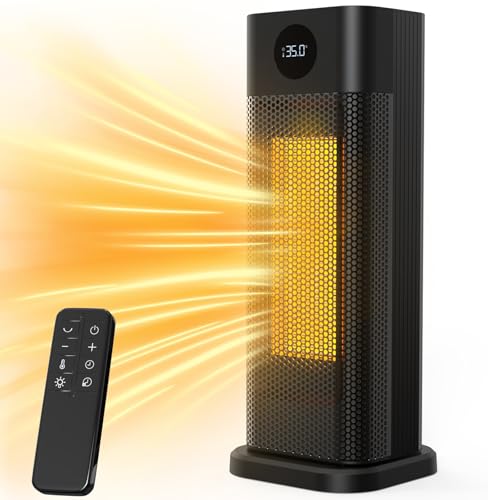
Stop scorching one spot while the rest of the room stays chilly. Match compact desk or tall floor heaters with 70-degree oscillation for quiet, even warmth.
A knocking water heater is not normal, but it will not explode. Mineral buildup usually traps boiling water. See how to spot the cause and flush the tank.
Modern heaters push warmth across the floor using internal blowers and oscillation before it rises. Place your unit low and clear to end chilly drafts.
Persistent burning odors, weak airflow, or sudden shutoffs mean trapped dust is overheating your heater. Spot the warning signs early and clean vents safely.
Stop burning odors by clearing trapped dust from your portable infrared heater. Vacuum vents and blow lint off fragile quartz tubes without using liquids.
Roof panels collect sun heat and circulate fluid into your storage tank, while an automatic backup heater keeps your showers hot on cloudy or freezing days.