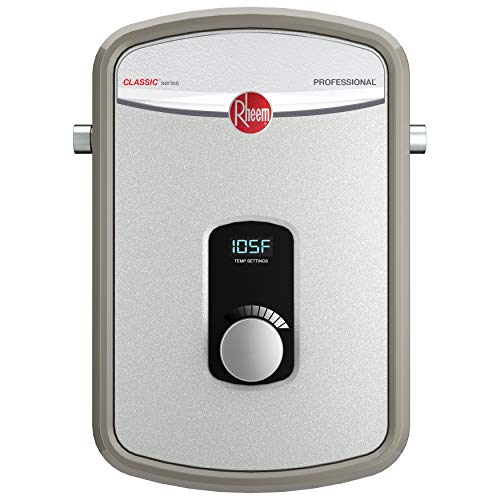
Turning on a tap activates internal heaters that warm water instantly as it flows. Understand how on-demand units work and what limits household hot water.
A recirculating pump pushes standing cool water back into the water heater so hot water waits at your tap, using a dedicated return pipe or a cold-line bypass.
Fix cold or scalding showers fast. Safely shut off power, check loose wiring, reset the unit, and replace a failed water heater sensor probe step by step.
Shut off the breaker to safely check your water heater without a meter. Inspect the reset button, look for broken metal loops, or use a basic continuity light.
Gas pool heaters burn fuel to warm metal tubes as the pump pushes water through. Safety switches monitor water flow and temperature to heat your pool quickly.
Clear chalky scale and sulfur odors with an easy vinegar soak. Shut off power safely, bypass your water lines, and flush out loose sediment without a mess.
Prevent burst pipes on your outdoor water heater by keeping power on, insulating exposed plumbing, trickling a faucet, and draining lines during outages.
Direct heat from a space heater can dry out your skin, cause red blotchy rashes, and burn you. Stay at least three feet away to keep warm without the risks.
Shut off the power and water supply, catch drips in a bucket, and rinse trapped grit from your tankless inlet screen or heat pump filter without leaks.
Restore hot water safely. Shut off the breaker to press the red reset button behind the upper panel, or reset the dial on a gas tank when water turns cold.
Solar heaters trap sun warmth directly or use panels to power a heating coil. Without battery storage, they only warm small spaces during sunny daylight.
Your pool pump pushes water through dark, sun-warmed mats and directly back into the pool. See how the simple loop works and if your existing pump can run it.
Aim for 10 watts of heating power per square foot. Adjust your oil heater wattage for ceiling height and drafts so your space stays warm without wasting power.
Cold vents, constant heat, or dripping coolant mean your heater control valve failed. Check hose temperatures under the hood before your engine overheats.
Side-wall venting requires a gas water heater with an exhaust fan. Check pipe slope, approved piping, and safe outdoor clearances to keep toxic fumes out.
Flush trapped grit to reseat a leaking water heater relief valve, calm sputtering faucets, and check tank temperature before deciding to replace the part.
Clear lingering gas safely, hold the pilot knob, and spark the burner to restore your hot water. Here is what to check if the flame goes out right away.