
How to Dress a Baby in Winter Without Overheating

Most people assume cold weather means bundling an infant in the thickest, puffiest coat available. In reality, heavy suits trap excess heat and create dangerous slack under safety straps. The simplest approach is to use thin, breathable layers, dressing your little one in just one more layer than an adult needs to stay comfortable.
The exact setup changes based on your setting. An infant napping in a quiet bedroom needs far less clothing than a baby riding in a stroller through biting wind. Traveling in a vehicle changes the routine again, because puffy padding must come off before the car seat harness clicks into place. Here is how to build the right layers for every winter situation so your baby stays safe, warm, and calm.
Add One More Layer Than You Wear Yourself
Babies lose body heat much faster than adults because their bodies have a large surface area compared to their weight. An infant's system for controlling body heat is also still developing. Young babies cannot shiver efficiently to create warmth when chilled, and their sweat glands cannot release excess heat quickly if they get too hot. This makes balancing winter clothes tricky for many parents.
The safest rule of thumb is simple: observe what keeps you comfortably warm in the room, then dress your baby in that exact outfit plus one extra thin layer. If you feel comfortable in a long-sleeve cotton shirt and jeans indoors, your baby will be comfortable in a short-sleeve cotton bodysuit worn under a long-sleeve footie pajama. That bottom bodysuit serves as the extra layer without trapping excess heat.
Indoor heating requires careful attention because overbundling inside a heated house causes dangerous overheating. Keep nursery temperatures set between 68°F and 72°F during winter. You do not need to turn your home into an oven to protect your child. If you want to know how to keep warm in winter in the house without running the thermostat high, focus on sealing drafty windows rather than piling thick sweaters onto your baby indoors.
For bedtime, loose blankets in the crib pose suffocation risks. Dress your baby in a fitted cotton onesie or footie pajama paired with a wearable blanket or fleece sleep sack. If your home drops toward 68°F on freezing nights, choose a slightly heavier fleece sleep sack rather than adding extra garments. The sleep sack keeps arms and legs warm without shifting over your baby's face.
Build Outdoor Warmth Using Three Breathable Layers
Taking your baby into winter air requires a deliberate layering strategy. Thick single garments trap too much heat and do not let moisture escape. If your baby gets hot and sweats, damp cotton turns cold against the skin once you stop moving. A three-layer system uses thin, breathable fabric that lets moisture out while trapping pockets of warm air close to the body.
Follow these steps from skin to outer shell when dressing your baby for cold-weather walks:
- Put on a breathable base layer. Start with a close-fitting cotton bodysuit that snaps at the crotch. This base layer sits flush against your baby's skin to manage moisture and prevents cold drafts from reaching their belly when lifted.
- Add an insulating middle layer. Dress your baby in soft pants and a long-sleeve shirt, or put them in a footed sleeper. For freezing days, a soft fleece two-piece set or a knit sweater jacket provides warmth without excess bulk.
- Dress them in a weather-shielding outer layer. For a stroller walk, put your baby in a bunting (a one-piece hooded fleece suit). When dealing with freezing winds, use an outer suit with a wind-blocking shell. If you want to review how to keep warm in winter outdoors as a family, blocking wind chill is always the most important step for staying comfortable.
- Protect the stroller from wind. Pull the stroller canopy down and attach a clear weather shield or an insulated footmuff. A stroller bunting bag acts like a sleeping bag that attaches directly to the frame, shielding your baby from freezing gusts without extra bulky clothing.
- Unzip outer layers immediately upon going indoors. When you step inside a warm store, café, or home, unzip the bunting or remove the stroller blanket right away. Leaving a bundled baby in a warm space leads to sweating, which turns dangerously cold the moment you step back outside.
Take Off Bulky Coats Before Buckling Car Seats
Many parents assume that dressing a baby in a thick snowsuit before strapping them into a car seat keeps them warm and safe during winter drives. In reality, thick coats and puffy snowsuits introduce a severe safety hazard inside a vehicle. A car seat harness must fit directly against your baby's body to hold them securely during an impact.
Puffy jackets create a dangerous illusion of security. These garments contain thick pockets of air designed to create fluff. When you strap your baby into a car seat wearing a puffy coat, you tighten the harness straps over that cushion of air. The harness feels snug, but that tightness is false. In a sudden stop or collision, the crash forces instantly compress the coat's fluff down to paper-thin thickness, leaving wide gaps of loose webbing. This slack can cause your baby to slide out of the harness.
Follow these steps to keep your baby warm and safe in their car seat:
- Dress your baby in thin, secure clothes. Keep your baby in indoor layers, such as a cotton bodysuit, soft pants, and a thin fleece jacket or thin cardigan. These garments do not compress under pressure and allow the harness to sit flush against the chest.
- Buckle and tighten the five-point harness. Fasten the chest clip at armpit level and pull the harness snug. Perform the pinch check: try to pinch the strap at your baby's collarbone using your thumb and index finger. If your fingers can pinch any strap webbing, the harness is too loose and must be tightened until your fingers slide smoothly off.
- Add warmth over the secure harness. Once your baby is buckled correctly, drape a warm blanket across their body, tucking the sides around their hips below the armpits. You can also slip their winter coat on backwards over their arms, covering their chest without running fabric behind their back.
- Use shower-cap style seat covers only. If you use an external car seat cover, choose a model with elastic edges that fits over the exterior shell of the seat like a shower cap. Never use aftermarket inserts or buntings that sit behind your baby's back or route harness straps through fabric slots, as they alter how the seat performs during sudden stops.
Protect Extremities With Fitted Hats Booties And Mittens
Babies lose heat rapidly from their heads, and their tiny hands and feet have less blood circulation than their body core. Cold breezes can cause discomfort and skin chapping within minutes. Keeping these small extremities covered with the right gear keeps your baby calm and warm throughout outdoor trips.
Use this checklist to protect your baby's head, face, hands, and feet in cold conditions:
- Fitted winter hat: Choose a soft fleece or knit beanie that covers the ears and fits securely around the head. Avoid hats with long cords or chin ties that present entanglement risks. Take the hat off as soon as you enter a warm car or building to prevent overheating.
- Skin barrier ointment: Biting winds cause chapped cheeks in cold weather. Apply a thin layer of thick barrier ointment (like petroleum jelly) across your baby's cheeks and chin before going outdoors. This locks in moisture and shields skin from wind chill. If you want to know how to keep face warm in winter, remember that scarves pose serious strangulation hazards for infants and should never be used on a baby.
- Stay-on mittens: Traditional infant mittens with separate thumbs fall off within minutes. Use thumbless fleece mittens equipped with wide elastic cuffs or adjustable hook-and-loop wrist straps. For babies under six months, tops and buntings with fold-over mitten cuffs built into the sleeves are the most reliable option.
- Secure fleece booties: Standard baby socks slip off tiny feet easily. Put thin cotton socks on your baby first, then pull on a pair of soft fleece booties with snap closures or adjustable velcro straps. These wrap firmly around the ankle, staying in place on kicking feet while shielding toes from cold air.
Feel The Back Of The Neck For Temperature Checks
Touching your baby's hands or feet to judge body temperature will mislead you. An infant's circulatory system directs blood flow toward vital organs in the torso and head rather than the limbs. As a result, baby hands and feet normally feel cool to the touch, even when their body core is perfectly warm and content.
Follow these steps to check your baby's true temperature accurately:
- Slide two fingers behind the collar. Gently slip two fingers down the back of your baby's shirt or sleeper, placing your fingers flat against the nape of their neck or between their shoulder blades.
- Feel for warm, dry skin. A baby dressed properly will feel pleasantly warm and dry on the back of their neck. If the skin feels warm and dry, your baby is comfortable, even if their fingers feel cool.
- Check for signs of overheating. If your baby's neck feels hot, damp, or slick with sweat, they are wearing too many layers. Other warning signs include flushed red cheeks, damp hair at the hairline, sudden fussiness, rapid breathing, or heat rash on the chest. Remove an outer layer or switch to a lighter sleeper immediately.
- Identify signs of cold distress. If the back of the neck feels cool or clammy, your baby is losing core heat. Young infants rarely shiver because their muscles lack the tone needed to produce heat through shivering. Instead, a baby experiencing cold stress becomes quiet, lethargic, weak, and uninterested in feeding. Their skin may look mottled or pale.
- Warm a cold baby safely. If your baby feels cold, bring them inside right away. Strip off damp clothing and place your baby bare-chested against your own bare chest, covering both of you with a blanket for skin-to-skin warming. Never use hot water bottles, heating pads, or hot baths, as infant skin burns easily. If your baby remains lethargic, has pale or bluish lips, or does not warm up, call emergency services or consult a doctor immediately.
Choose Practical Fleece Layers That Stay Secure
Dressing an infant for winter weather becomes simple when you select gear designed for daily parenting realities. The best winter clothing focuses on functional closures, breathable warmth, and stay-on designs that eliminate constant readjustments during outings.
Keep these practical features in mind when selecting cold-weather clothing for your baby:
- Full-length zippers on outer buntings: Look for one-piece fleece suits with diagonal or double zippers that run from the neck down through the legs. These allow you to open the suit completely flat for quick diaper changes without wrestling your baby out of their clothes in cold air.
- Zipper guards at the neckline: Verify that any fleece jacket, snowsuit, or sleep sack has a small fabric tab covering the top of the zipper. This guard shields sensitive chin skin from rubbing against hard zipper pulls or catching in the teeth.
- Adjustable ankle closures on booties: Choose fleece booties that feature two-snap settings or wrap-around hook-and-loop straps. These fasteners grip the narrow part of the ankle, keeping the booties from sliding off when your baby kicks their legs in a stroller.
- Integrated fold-over cuffs: Outfits with fold-over mittens and footies eliminate the need to hunt down tiny dropped mittens and loose socks. Flipping the cuff over covers little hands and feet instantly when the temperature drops.
- Roomy sizing for base layers: Select outerwear with enough ease through the torso and thighs to fit comfortably over a bodysuit and sleeper. Clothing that fits too tightly restricts movement and compresses insulating air layers, making it harder for your baby to stay warm.

- BWP Score9.6
BWP Score is a ranking system developed by Bestwinterproducts.com. BWP score has no relationship or impact from any manufacturers or sales agent websites. Learn more
- BrandHudson Baby
- BWP Score9.6
BWP Score is a ranking system developed by Bestwinterproducts.com. BWP score has no relationship or impact from any manufacturers or sales agent websites. Learn more
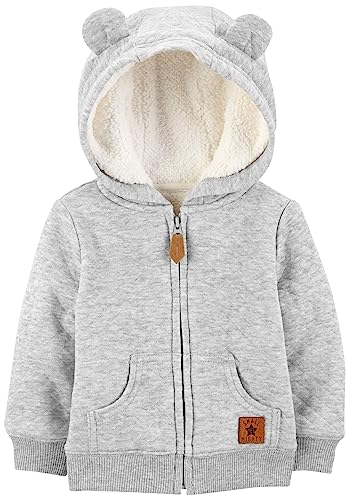
- BrandSimple Joys by Carter's

- BWP Score9.6
BWP Score is a ranking system developed by Bestwinterproducts.com. BWP score has no relationship or impact from any manufacturers or sales agent websites. Learn more
- BrandPro Goleem

- BWP Score9.2
BWP Score is a ranking system developed by Bestwinterproducts.com. BWP score has no relationship or impact from any manufacturers or sales agent websites. Learn more
- BrandBabymine

- BWP Score9.2
BWP Score is a ranking system developed by Bestwinterproducts.com. BWP score has no relationship or impact from any manufacturers or sales agent websites. Learn more
- BrandBabymine

- BWP Score9.2
BWP Score is a ranking system developed by Bestwinterproducts.com. BWP score has no relationship or impact from any manufacturers or sales agent websites. Learn more
- BrandFairy Baby

- BWP Score9.0
BWP Score is a ranking system developed by Bestwinterproducts.com. BWP score has no relationship or impact from any manufacturers or sales agent websites. Learn more
- BrandAiWMGL

- BWP Score9.0
BWP Score is a ranking system developed by Bestwinterproducts.com. BWP score has no relationship or impact from any manufacturers or sales agent websites. Learn more
- BrandFairy Baby

- BWP Score9.0
BWP Score is a ranking system developed by Bestwinterproducts.com. BWP score has no relationship or impact from any manufacturers or sales agent websites. Learn more
- BrandPousbo

- BWP Score9.0
BWP Score is a ranking system developed by Bestwinterproducts.com. BWP score has no relationship or impact from any manufacturers or sales agent websites. Learn more
- BrandHikido
Last update on 2026-10-04 / Affiliate links / Images, Product Titles, and Product Highlights from Amazon Product Advertising API
.jpg)

Best Warm Winter Scarves 2026 For Cozy Comfort

Best Green Ski Goggles 2026 For Clear Vision On Slopes

12 Best Corner Electric Fireplace 2026: My Ultimate Guide To Pick One

Best Battery Powered Snow Blower 2026 For Effortless Snow Clearing

Best Ski Goggles Under 30 Inches For Crisp Vision And Comfort

Best Cooling Scarf 2026 For Instant Relief And Comfort

Fake Snow for Grass: Create a Realistic Winter Lawn Display

Dimplex Prism Wall Mount Fireplace: Sleek Heat With Modern Flame Style





