
How To Dress An Infant For Sleep In Winter?

Keeping a baby comfortably warm on cold nights is much simpler than it seems, so there is no need to stress. A reliable rule is to dress an infant in one more light layer than an adult would wear in that same bedroom. In most cases, this means dressing the baby in a fitted cotton bodysuit or footie pajama topped with a sleeveless wearable blanket, keeping loose quilts and hats entirely out of the crib.
The right combination depends on the actual temperature of the nursery and the thickness of the sleepwear fabric. Every baby also balances body heat a little differently, meaning a child who runs warm will need lighter, breathable materials to prevent sweating. How the room holds heat through the night matters just as much. Here is how to balance those layers safely so everyone sleeps soundly until morning.
Dress your baby in one more layer than you need
When you step into the nursery on a cold winter night, your own comfort gives you the first clue. If you feel comfortable in a long-sleeve cotton shirt and pajama pants, your baby will feel best wearing those same clothing items plus one additional light layer. Adults rely on heavy duvets to stay warm in bed. Because an infant cannot safely sleep with loose bedding, that warmth must come entirely from safe, fitted layers worn on their body.
Babies need that extra layer because their internal heating system, known as thermoregulation (a baby's ability to balance body heat), is still developing during their first year. An infant has a large skin surface area compared to their body weight, causing them to lose heat much faster than older children or adults. When the bedroom cools down, a baby cannot shiver effectively or pull up a blanket to warm their limbs.
The safest way to provide that extra layer is with a wearable blanket (a sleeveless baby sleeping bag that zips over clothing). In a typical winter setup, you dress your baby in a light inner bodysuit, add a soft sleeper gown, and zip the wearable blanket over the top. This setup creates a stable pocket of warmth while keeping their arms free to move.
Crib safety must guide every bedtime choice. The crib should contain only a firm mattress and a tightly fitted sheet, with no bumpers, quilts, or loose blankets. Fitted, breathable layers ensure your baby stays warm all night without loose fabric bunching near their face or restricting their breathing.
Match bedtime clothing to your actual room temperature
The ideal nursery temperature for safe infant sleep in winter sits between 68°F and 72°F. Your hallway thermostat does not always reflect the true temperature inside the bedroom. A corner bedroom or a room with older windows can easily drop several degrees lower than the rest of the house. Place a digital room thermometer near the crib at mattress height so you know what your baby experiences. If drafty windows make the nursery chilly, look into simple methods for how to keep warm in winter in the house without waste to seal drafts safely.
Once you know your room temperature, use the TOG rating (the warmth level of a sleep sack or wearable blanket) to pick the right sleepwear. TOG stands for Thermal Overall Grade, a number showing how well fabric holds in heat. A rating of 0.5 to 1.0 TOG is thin for warm rooms, while 1.0 to 1.5 TOG suits moderate rooms between 68°F and 71°F. Sacks rated between 2.0 and 2.5 TOG work best for typical winter rooms kept between 65°F and 68°F. Sacks with a 3.0 to 3.5 TOG rating provide thick insulation for cold rooms below 65°F.
Use this guide to pair bedtime layers based on your nursery thermometer:
- Under 65°F (Chilly room): Long-sleeve cotton bodysuit, sleeper gown, and a 2.5 to 3.5 TOG wearable blanket.
- 65°F to 68°F (Cool room): Long-sleeve cotton bodysuit, soft sleeper gown, and a 2.0 to 2.5 TOG wearable blanket.
- 68°F to 71°F (Ideal room): Cotton sleeper gown paired with a 1.0 to 1.5 TOG wearable blanket.
- 72°F and warmer (Mild room): Short-sleeve bodysuit under a light 0.5 to 1.0 TOG wearable blanket, or a single cotton sleeper gown with bare legs underneath.
Outdoor temperatures reach their lowest point right before dawn. If your baby regularly wakes up fussing around 4:00 AM, check their chest to see if the room has cooled down past their sleepwear rating. Dressing them for that early morning low helps the whole family sleep through the night.
Check your infant's chest or neck instead of hands and feet
When a baby wakes up on a winter night, parents often touch their tiny fingers or toes. In almost every case, those hands and feet feel cool to the touch. This feeling sends many parents into a panic, assuming their infant is freezing. But cool hands and feet are completely normal and do not reflect their true core temperature.
An infant's blood circulation is still maturing. In a cool room, their body automatically directs warm blood toward the brain, heart, and vital organs. Because blood flow to the extremities is limited, hands, feet, ears, and the nose naturally stay cooler than the core. If you want to understand how adult extremities experience winter cold, you can read about how to keep feet warm during winter without discomfort, but you should never rely on baby hands to gauge infant warmth. Adding heavy sweaters because of cool fingers can cause your baby to overheat.
To check your baby's comfort accurately, follow these four simple steps:
- Slide two fingers under the neckline: Slip your fingers beneath the collar of your baby's sleep sack. Touch the skin at the base of their neck or across their upper chest without waking them.
- Feel for warm, dry skin: The skin on their chest should feel comfortably warm and dry. If their core feels warm and dry, their clothing is working properly.
- Check for dampness or excess heat: If your fingers detect moisture along their neck creases, your baby is too warm. Look for flushed cheeks or damp hair around the temples.
- Adjust clothing layers right away: If the chest feels cool, add a thin cotton undershirt. If the chest feels damp or hot, remove the sleep sack or switch to a lighter sleeper gown immediately.
Checking the back of the neck takes only two seconds and gives you an honest assessment of your baby's comfort. Make this quick check part of your routine before going to sleep yourself.
Keep loose bedding and hats completely out of the crib
The urge to bundle a baby up during cold weather can lead to dangerous sleep habits. Overheating poses a serious risk for babies because it impairs their arousal mechanism. When an infant gets too warm, they fall into an unnaturally deep sleep and may struggle to wake up if their breathing is compromised.
Keep your baby safe all winter by avoiding these common nursery mistakes:
- Never let your baby wear a beanie or knit hat to sleep indoors: Babies release excess body heat primarily through their head and face. Covering their head traps that heat inside their body and creates a suffocation hazard if the hat slips over their mouth or nose. Save hats for outdoor winter travel.
- Keep loose blankets and quilts out of the crib: Even a light swaddle blanket can unravel when a baby kicks. Loose fabric can cover an infant's airways while they turn during the night. A fitted wearable blanket provides identical warmth while staying safely secured over their shoulders.
- Position space heaters safely away from the crib: Keep space heaters at least three feet away from the crib, curtains, and furniture. Always plug space heaters directly into a wall outlet rather than an extension cord. Never aim the warm airflow directly into the crib, which dries out airways and creates hot spots.
- Avoid bulky snowsuits and weighted sleep products: Puffy outdoor snowsuits restrict natural chest movement. Weighted sleep sacks and weighted blankets place heavy pressure on an infant's fragile ribcage. Stick to lightweight, fitted layers that allow easy breathing.
Watch for common signs that your baby is too warm. Rapid breathing, red heat rash bumps along the neck, restlessness, and damp hair all indicate that your baby needs a lighter layer right away.
Choose breathable fabrics with quick access for night changes
Selecting the right winter sleepwear comes down to fabric breathability and smart construction. The goal is to provide reliable insulation while allowing air circulation, so your baby stays warm without collecting sweat against their skin. You also need sleepwear that lets you handle midnight diaper changes in seconds without exposing your baby to cold air.
Natural fabrics offer the best temperature regulation for infant sleep. Pure cotton remains the most popular choice for inner layers because it is soft, gentle on sensitive skin, and highly breathable. When an infant wears cotton, air moves freely through the fibers, preventing moisture buildup. Superfine merino wool is another outstanding natural option. Merino wool fibers trap small pockets of warm air in cool conditions while venting moisture if the room warms up. Rayon made from bamboo is another soft, stretchy option that feels gentle on newborn skin and breathes well throughout the night.
Synthetic materials like polyester fleece require careful use. Fleece is an effective insulator, but it does not breathe as easily as cotton. If a baby gets slightly too warm in a fleece sleeper, the fabric traps sweat against their skin, which can leave them feeling clammy and cold once the sweat cools. If you choose fleece, use it as an outer wearable blanket over a breathable cotton base layer rather than placing polyester directly on the skin.
Look for these practical design features before buying winter sleepwear:
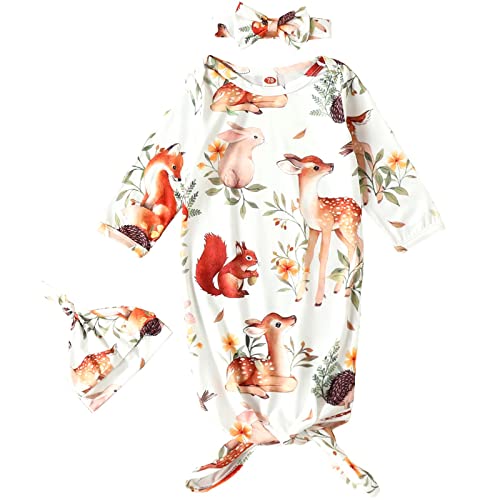
- Elastic bottom sleeper gowns: Gowns with open elastic hems let you slide the fabric up over the hips, change the diaper, and pull the gown back down. Your baby's chest and arms stay completely covered and warm throughout the change.
- Two-way zippers: Footed sleepers and sleep sacks with double-ended zippers allow you to unzip from the bottom up. This keeps the neckline closed and warm around the chest while you change the diaper below.
- Fold-over mitten cuffs: Sleeves with built-in fold-over cuffs protect newborn cheeks from scratches and keep cold hands covered without loose mittens that fall off in the crib.
- Protective zipper guards: Look for a small fabric tab covering the zipper pull at the neck to protect your baby's skin from cold metal and accidental pinches.

- BWP Score-
BWP Score is a ranking system developed by Bestwinterproducts.com. BWP score has no relationship or impact from any manufacturers or sales agent websites. Learn more
- BrandGerber

- BWP Score-
BWP Score is a ranking system developed by Bestwinterproducts.com. BWP score has no relationship or impact from any manufacturers or sales agent websites. Learn more
- BrandAMAWMW

- BWP Score-
BWP Score is a ranking system developed by Bestwinterproducts.com. BWP score has no relationship or impact from any manufacturers or sales agent websites. Learn more
- BrandAablexema

- BWP Score-
BWP Score is a ranking system developed by Bestwinterproducts.com. BWP score has no relationship or impact from any manufacturers or sales agent websites. Learn more
- BrandSimple Joys by Carter's

- BWP Score-
BWP Score is a ranking system developed by Bestwinterproducts.com. BWP score has no relationship or impact from any manufacturers or sales agent websites. Learn more
- BrandYoga Sprout
- BWP Score-
BWP Score is a ranking system developed by Bestwinterproducts.com. BWP score has no relationship or impact from any manufacturers or sales agent websites. Learn more
- BrandAMAWMW

- BWP Score-
BWP Score is a ranking system developed by Bestwinterproducts.com. BWP score has no relationship or impact from any manufacturers or sales agent websites. Learn more
- BrandCarter's

- BWP Score-
BWP Score is a ranking system developed by Bestwinterproducts.com. BWP score has no relationship or impact from any manufacturers or sales agent websites. Learn more
- BrandMerqwadd

- BWP Score-
BWP Score is a ranking system developed by Bestwinterproducts.com. BWP score has no relationship or impact from any manufacturers or sales agent websites. Learn more
- BrandHudson Baby

- BWP Score-
BWP Score is a ranking system developed by Bestwinterproducts.com. BWP score has no relationship or impact from any manufacturers or sales agent websites. Learn more
- BrandIHCVHQX

- BWP Score-
BWP Score is a ranking system developed by Bestwinterproducts.com. BWP score has no relationship or impact from any manufacturers or sales agent websites. Learn more
- BrandWoolino
Last update on 2026-10-04 / Affiliate links / Images, Product Titles, and Product Highlights from Amazon Product Advertising API
FAQs
Can my baby sleep in a fleece footie pajama set during winter?
Your baby can sleep in fleece pajamas if your nursery is cool, but monitor them closely for sweating. Fleece does not breathe as well as cotton, so it can trap moisture against your baby's skin if the room warms up overnight. If you use fleece pajamas, avoid adding a heavy sleep sack over them, or choose a breathable cotton inner layer under a fleece wearable blanket instead.
How can I tell if my baby is waking up because they feel cold?
A baby who wakes up from the cold usually fusses, curls their knees toward their chest, and feels cool on their upper chest or the back of their neck. If you slide two fingers under their sleep sack and their skin feels chilly, their layers are not providing enough warmth. Try adding a light cotton bodysuit under their sleeper or moving to a sleep sack with a higher TOG rating the next night.
Should my baby wear socks under a sleeper gown or wearable blanket?
Babies generally do not need socks if they wear footed pajamas or a closed wearable blanket that traps warm air around their feet. If you dress your baby in an open-bottom sleeper gown, a pair of soft cotton socks can help keep their toes cozy. Make sure the socks fit snugly so they do not slip off in the crib, and avoid tight elastic bands that press into your baby's ankles.
What should I do if the power goes out and the house gets cold?
If your home loses heat during a winter storm, move your baby's crib into the smallest interior room, which holds heat better than rooms with exterior walls. Dress your baby in multiple breathable layers, such as a bodysuit, sleeper gown, and a heavy 2.5 or 3.5 TOG sleep sack. Never bring an infant into bed with loose adult comforters. If indoor temperatures fall below 60°F, keep your baby warm with skin-to-skin contact under your shirt while you stay awake, or seek emergency shelter.


Best Warm Winter Scarves 2026 For Cozy Comfort

Best Green Ski Goggles 2026 For Clear Vision On Slopes

12 Best Corner Electric Fireplace 2026: My Ultimate Guide To Pick One

Best Battery Powered Snow Blower 2026 For Effortless Snow Clearing

Best Ski Goggles Under 30 Inches For Crisp Vision And Comfort

Best Cooling Scarf 2026 For Instant Relief And Comfort

Fake Snow for Grass: Create a Realistic Winter Lawn Display

Dimplex Prism Wall Mount Fireplace: Sleek Heat With Modern Flame Style





