
How to Heat a Basement in Winter and Stop Heat Loss

Most people assume that cranking the main furnace or running a basic space heater will warm up a cold basement. That rarely works, because uninsulated concrete absorbs heat faster than a small heater can produce it. The real fix is to seal cold foundation drafts before adding dedicated supplemental heat. Stopping outdoor air leaks keeps the warmth from vanishing the moment it enters the room.
The right setup depends on how you use the area. A finished living room with insulated drywall needs steady, balanced warmth to stay comfortable for hours. An unfinished utility zone with bare walls and water pipes only requires reliable freeze protection to prevent costly plumbing breaks. Existing ductwork and dampness also play a big role. Here is how to stop heat loss and choose the best heat source for your setup.
Why Basements Lose Heat So Quickly in Cold Weather
Basements stay cold in winter because two natural forces work against them simultaneously: cold surrounding soil and upward air movement.
Unlike upper floors exposed to shifting air, basement foundation walls sit pressed against cold earth. Ground soil holds winter chill deep beneath the surface, often staying between 40°F and 50°F. Concrete foundation walls act like an enormous thermal sponge. Concrete does not stop heat; it absorbs warmth from indoor basement air and draws it directly into the frozen dirt outside. Without interior wall insulation, heat drains away as quickly as your heating system produces it.
At the same time, air moves through your home in what builders call the stack effect. Warm air is light and buoyant, so it floats upward toward your upper floors and attic. As rising warm air escapes through small gaps in upper ceilings, it creates low pressure at the basement level. This suction pulls icy outside air inward through cracks around foundation sills and framing joints.
Your central thermostat makes this uneven temperature worse. Most thermostats sit in a central hallway on the first floor. As the furnace runs, the main floor reaches 68°F or 70°F quickly, shutting the system down before warm air reaches downstairs. Learning how to keep warm in winter in the house starts with recognizing that central heating rarely warms a basement without dedicated help and draft sealing.
Five Steps to Stop Basement Drafts Before Adding Heat
Turning on extra heaters before blocking air leaks is like running an air conditioner with a window open. Stopping cold drafts takes priority because blocking cold wind lets the heat you add stay in the room.
-
Inspect the rim joists around the foundation perimeter.
A rim joist is the wooden outer frame resting on top of the concrete foundation wall around the ceiling edge of your basement. Walk the perimeter with a bright light and check where wood framing meets masonry. Look for cobwebs fluttering in moving air, visible daylight, or dark dust trails where air enters. Reason: This joint between wood framing and concrete is rarely airtight, making it the largest entry point for outdoor winter air.
-
Seal rim joist cavities with rigid foam and expanding sealant.
Measure each open joist bay along exterior basement walls. Cut blocks of two-inch rigid foam insulation board to match each bay. Press each foam block tight against the outer rim joist, then spray expanding foam sealant around all four edges. Reason: Rigid foam creates a thermal barrier that stops conductive cold, while expanding foam fills small wood crevices to stop air leaks completely.
-
Weatherproof basement hopper and slider windows.
Clean dust and cobwebs from window tracks and frames. Apply stick-on foam weatherstripping along the sash where the window closes against the frame. Apply a shrink-wrap window insulation kit (clear plastic window film) over the entire window frame using double-sided tape, then shrink it smooth with a hair dryer. Reason: Single-pane basement windows transfer outdoor cold inside quickly; plastic film creates an insulating dead air space.
-
Fill utility penetrations through exterior walls.
Check the sill plate (the wooden board resting on top of the concrete foundation) where pipes, electrical wires, gas lines, or outdoor faucets penetrate exterior walls. Fill openings wider than a quarter inch with expanding foam, and seal smaller gaps with exterior-grade silicone caulk. Reason: Open utility holes pull outdoor air directly across water lines, increasing freeze risks.
-
Install draft barriers at the basement stairway door.
Slide an under-door draft stopper under the interior door leading from the main floor to the basement. Add stick-on foam weatherstripping along the top and side door stops where the door closes. Reason: This stops cold basement air from spilling into main living areas while keeping upstairs warmth from sinking down an open stairwell.
Choosing the Right Heat Source for Your Basement Setup
Once your foundation is sealed, your choice of heat depends on how you use the room. Finished living rooms need quiet, steady warmth, while unfinished utility areas require durable equipment focused on freeze protection or rapid spot heating.
Heating a Finished Living Space or Home Office
Finished basements need balanced warmth that keeps people comfortable without drying the air or creating loud fan noise.
Wall-mounted electric panel heaters hang directly on interior drywall, keeping power cords off the floor and preserving living space. Many wall units feature digital thermostats and economy modes that modulate heat output to hold a set temperature automatically. Some models include oscillation louvers that distribute warm air evenly from top to bottom.
Electric baseboard heaters use convection (natural warm air circulation). Installed along cold exterior walls near the floor, baseboards warm cold air sliding down the wall. As this air warms, it rises toward the ceiling and circulates naturally across the room, forming a thermal blanket along cold outer edges.
Portable oil-filled radiator heaters work well for home offices and sitting areas. An electric element warms an internal reservoir of diathermic oil, producing gentle radiant heat (direct warmth on surfaces and people rather than moving air). Because oil retains heat, the unit continues warming the room even when the element cycles off. If the cold subfloor chills your feet while working, pairing an oil-filled radiator with practical habits for keeping your feet warm during winter keeps you comfortable without overheating the room.
Heating an Unfinished Utility Room, Workshop, or Storage Zone
Unfinished basements feature bare concrete, exposed floor joists, and moisture risks. Heating the entire air volume of an unfinished space is expensive, so focus your heating equipment on localized work areas or plumbing defense.
Fan-forced electric workshop heaters built with rugged steel bodies deliver quick warmth for active projects. When you head downstairs to work on tools or hobbies, a forced-air heater directs heat straight to your workbench and breaks up heavy, cold floor air.
Ceiling-mounted utility heaters supply permanent warmth without consuming floor space. Hardwired ceiling units run on 240-volt circuits and blow heated air downward, preventing warmth from staying trapped against ceiling joists. Overhead mounting keeps heating elements clear of sawdust, storage boxes, and foot traffic.
Freeze-protection utility heaters safeguard well pumps, water meters, and laundry pipes. These compact convection units have built-in digital thermostats you can set between 40°F and 50°F. The heater remains off until surrounding air drops near freezing, kicking on automatically to protect plumbing without running up electric bills.
Safe Operation and Freeze Protection Checklist
Basements present unique safety concerns because they often hold storage bins, mechanical equipment, and water lines. Follow this safety checklist whenever operating supplemental heaters downstairs.
- Maintain three feet of clearance: Keep cardboard boxes, plastic totes, laundry piles, and scrap wood at least three feet away from all sides of any heater. Never drape wet clothing or gloves across a heater to dry.
- Plug directly into wall outlets: Never connect a high-wattage space heater to an extension cord or power strip. Heavy electrical current drawn through light-duty cords causes overheating, melted plastic, and fire risks.
- Verify automatic safety shut-offs: Confirm that portable heaters include an automatic tip-over shut-off switch and an overheat thermal cut-out switch. These mechanisms cut power immediately if the unit tips or an object blocks airflow.
- Set freeze-protection thermostats to at least 45°F: While water freezes at 32°F, air inside exterior wall cavities or near drafty rim joists can sit ten degrees colder than room center. Setting your thermostat between 45°F and 50°F protects hidden plumbing.
- Insulate exposed water lines: Slip tubular foam pipe sleeves over exposed copper or plastic pipes along exterior walls. Tape the seams tightly to keep cold foundation drafts from touching bare pipe surfaces.
- Install working alarms: Place a smoke alarm in the main basement area, and install a battery-backed carbon monoxide detector on a central wall if your home uses gas heating, gas water heaters, or an attached garage.
- Know when to call a professional: If running a heater trips an electrical breaker, stop using that outlet. Installing hardwired 240-volt ceiling units or electric baseboards requires a licensed electrician to verify panel capacity and run dedicated wiring.
What to Look for in a Basement Supplemental Heater
When selecting a supplemental heater for a cold basement, focus on practical features that fit your room layout and heating schedule.
Choose heaters with built-in adjustable digital thermostats. Models with precise temperature settings or automatic energy-saving modes prevent units from running continuously once the space warms up, cutting monthly electricity costs. For utility spaces, verify that the thermostat can be dialed down into the 40°F to 50°F range for economical freeze protection.
Match the mounting style and housing to the environment. In finished living spaces, slim wall-mounted heaters keep cords off the floor and leave living areas open. For workshops and unfinished utility rooms, choose heavy-gauge steel bodies that withstand shop wear, or ceiling-mount brackets that keep coils away from floor dust. Finally, always verify that the unit carries recognized safety marks, such as UL or ETL listings, confirming that its electrical components meet standard safety codes.

- BWP Score9.0
BWP Score is a ranking system developed by Bestwinterproducts.com. BWP score has no relationship or impact from any manufacturers or sales agent websites. Learn more
- BrandDR. INFRARED HEATER

- BWP Score8.8
BWP Score is a ranking system developed by Bestwinterproducts.com. BWP score has no relationship or impact from any manufacturers or sales agent websites. Learn more
- BrandCOMFORT ZONE

- BWP Score8.8
BWP Score is a ranking system developed by Bestwinterproducts.com. BWP score has no relationship or impact from any manufacturers or sales agent websites. Learn more
- BrandMr. Heater

- BWP Score8.8
BWP Score is a ranking system developed by Bestwinterproducts.com. BWP score has no relationship or impact from any manufacturers or sales agent websites. Learn more
- BrandJNDRO

- BWP Score8.8
BWP Score is a ranking system developed by Bestwinterproducts.com. BWP score has no relationship or impact from any manufacturers or sales agent websites. Learn more
- BrandAEGONAN

- BWP Score8.6
BWP Score is a ranking system developed by Bestwinterproducts.com. BWP score has no relationship or impact from any manufacturers or sales agent websites. Learn more
- BrandPELONIS

- BWP Score8.6
BWP Score is a ranking system developed by Bestwinterproducts.com. BWP score has no relationship or impact from any manufacturers or sales agent websites. Learn more
- BrandDREO

- BWP Score8.6
BWP Score is a ranking system developed by Bestwinterproducts.com. BWP score has no relationship or impact from any manufacturers or sales agent websites. Learn more
- BrandDura Heat

- BWP Score7.6
BWP Score is a ranking system developed by Bestwinterproducts.com. BWP score has no relationship or impact from any manufacturers or sales agent websites. Learn more
- BrandCadet
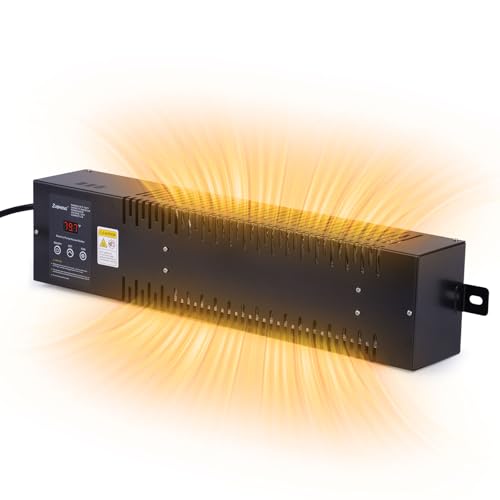
- BWP Score6.8
BWP Score is a ranking system developed by Bestwinterproducts.com. BWP score has no relationship or impact from any manufacturers or sales agent websites. Learn more
- BrandZuomeng
Last update on 2026-10-04 / Affiliate links / Images, Product Titles, and Product Highlights from Amazon Product Advertising API
Frequently Asked Questions
Why does my basement stay cold when the upstairs furnace is running?
Warm air floats toward upper floors, while cold soil continuously pulls heat through concrete foundation walls. Because central thermostats sit on the main floor, the furnace shuts off once the living room warms up, before downstairs reaches a comfortable temperature. Dedicated supplemental heat and rim joist draft sealing balance these two zones.
Can I safely leave a basement heater running overnight?
You can run an electric heater overnight safely only if it includes an automatic overheat cut-out, tip-over protection, and an accurate built-in thermostat. The unit must plug directly into a wall outlet and sit on a flat surface with three feet of clear space around it. Never leave unvented fuel heaters that burn propane or kerosene running unattended.
What temperature should an unfinished basement be kept at during winter?
An unfinished utility basement should be kept between 45°F and 50°F throughout winter. This temperature range provides a reliable safety buffer that keeps plumbing pipes, water heaters, and well tanks from freezing without wasting electricity heating unused space. If you store paint, canned food, or electronics, maintain at least 55°F.
Will running a dehumidifier help warm up a cold basement?
A standard compressor dehumidifier releases slight warmth from its motor and coils, raising basement air temperature by one or two degrees. More importantly, damp air feels colder against your skin than dry air at the exact same thermometer reading. Lowering moisture removes the damp chill, making supplemental heat feel much warmer.


Best Warm Winter Scarves 2026 For Cozy Comfort

Best Green Ski Goggles 2026 For Clear Vision On Slopes

12 Best Corner Electric Fireplace 2026: My Ultimate Guide To Pick One

Best Battery Powered Snow Blower 2026 For Effortless Snow Clearing

Best Ski Goggles Under 30 Inches For Crisp Vision And Comfort

Best Cooling Scarf 2026 For Instant Relief And Comfort

Fake Snow for Grass: Create a Realistic Winter Lawn Display

Dimplex Prism Wall Mount Fireplace: Sleek Heat With Modern Flame Style





