
How to Keep a Camper Warm and Dry in the Winter?

Trap heat and stop drafts first. Campers lose warmth rapidly through thin glass windows, uninsulated entry doors, and open rooftop vents. Staying comfortable means you must block drafty spots with thick covers, run a steady heater, and leave a small ceiling vent cracked open. That tiny crack lets damp air escape before indoor moisture turns into dripping water drops along cold walls.
The right approach changes with your campsite setup. Having a campground electrical hookup lets you run clean space heaters freely, while camping off the grid requires careful management of limited propane and battery power. Bitter wind and basic single-pane windows also pull warmth out much faster than a calm freeze. Here is how to seal air leaks, heat safely, and keep your living space warm all winter.
Cold Drafts Enter Through Thin Gaps and Unsealed Cutouts
Most campers and travel trailers are built with lightweight materials that transfer heat quickly. Unlike a standard residential house with thick fiberglass batts in the walls, an RV has thin exterior paneling and single-pane glass. When the outside temperature drops below freezing, cold air finds every loose seam, cutout, and seal. If you want to keep the living space comfortable, you first need to identify the exact spots where cold air leaks inside.
Drafts do not just bring in cold air. They force your heating system to run constantly, draining your propane tanks and running down your house batteries. Inspecting these trouble zones takes only a few minutes, but it prevents sudden temperature drops when the wind picks up overnight.
- Entry door perimeter: Check the rubber weatherstripping around the main door frame. Over time, road vibration and sun exposure cause this rubber to flatten, crack, or peel away. If you can see daylight through the closed door, cold air is pouring straight into your living room.
- Slide-out rubber gaskets: Inspect the wiper seals along the sides, top, and bottom of every slide-out room. Leaves, twigs, and road grime often get trapped under these rubber flaps, creating open channels that invite freezing breezes.
- Roof vents and skylights: Look up at your ceiling exhaust fans and shower domes. These thin plastic lids radiate cold air directly down into your sleeping quarters and allow warm indoor air to escape like an open chimney.
- Under-cabinet plumbing cutouts: Open the lower cabinet doors beneath your kitchen sink and bathroom vanity. Manufacturers cut large holes in the subfloor to route water pipes and electrical wiring. These openings often connect directly to unheated underbelly storage bays.
- Window frames and weep holes: Feel along the edges of single-pane sliding windows. In addition to heat radiating through the glass itself, the small drainage weep holes at the bottom of the exterior frame let drafts blow inward during heavy winter winds.
To pinpoint tricky air leaks, hold a light tissue or paper towel near the seams of your closed windows and doors on a windy afternoon. If the paper flutters, you have an active air leak. Never cover or seal your permanent floor-level propane drop vents or refrigerator exterior exhaust panels. Those openings are engineered safety cutouts designed to exhaust dangerous gases.
Cover Windows Doors and Vents to Block Escaping Warmth
Once you locate the primary draft paths, the next job is blocking them before the sun sets. Glass windows and thin exterior doors act like giant ice blocks in freezing weather. Putting up an insulated thermal barrier (a thick insulated layer that blocks heat transfer) keeps indoor warmth where it belongs.
Follow these practical steps to insulate your camper openings without making permanent alterations to your rig:
- Reseal loose frames with stick-on foam weatherstripping: Wipe down the metal frames of your entry door and windows with rubbing alcohol to remove grease and road film. Press fresh adhesive foam stripping firmly along the inner jamb. When the door or window latches shut, the foam compresses to stop moving drafts.
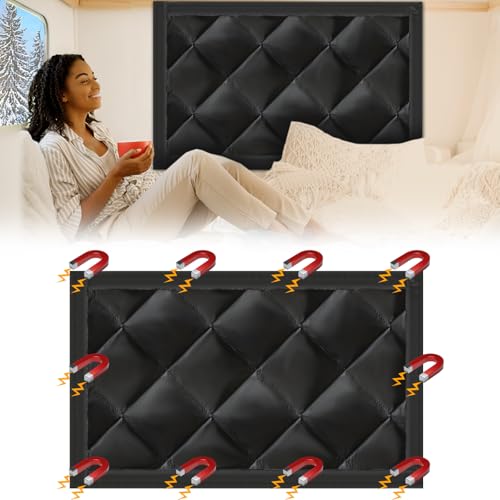
- Fit insulated thermal blankets over large windows: Single-pane glass transfers heat rapidly. Cover each window with a quilted thermal cover made from dense cotton fill and wind-blocking fabric. Position the cover so it overlaps the metal window frame completely, securing it with pre-cut magnetic strips or heavy-duty hook-and-loop fasteners to seal the perimeter.
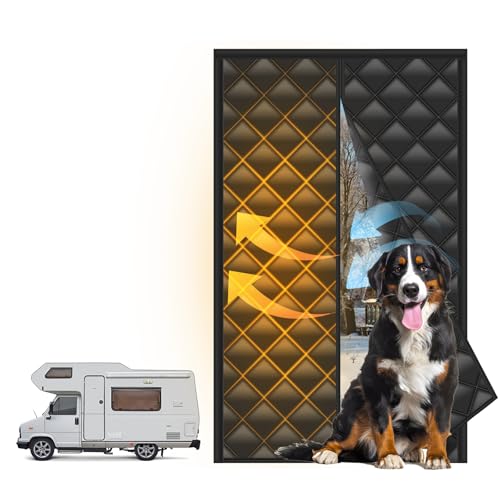
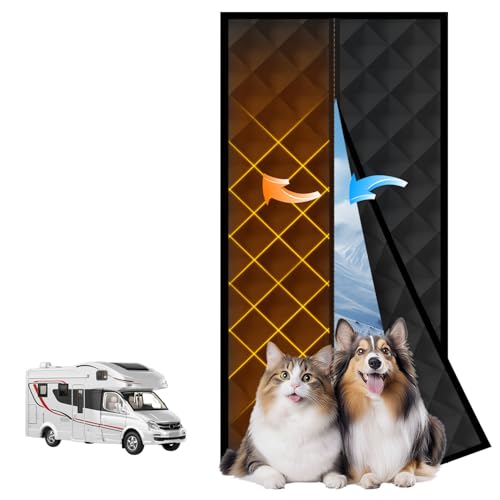
- Hang a magnetic thermal door curtain inside the main entrance: Camper doors are notorious for bleeding heat through thin interior cores. Mount an insulated door blanket directly over the inside door casing. The built-in magnetic center seam snaps shut automatically when you step in and out, creating a buffer zone that stops outdoor chill from invading your main cabin.
- Plug roof vents with dense foam inserts: Standard 14-inch ceiling vents lose a massive amount of rising heat. Press a thick foam vent cushion directly into the vent opening from inside the camper. The snug friction fit blocks drafts instantly while preventing frost from collecting on the plastic outer lid.
- Cover bare vinyl floors with thick rugs or foam tiles: Uninsulated camper floors pull heat directly out of your body when you walk across the room. Lay down woven area rugs, runner mats, or interlocking foam floor squares across high-traffic paths. You can also explore practical tips on how to keep feet warm during winter to remain comfortable while relaxing inside.
Take time to press every cover flat against the wall surfaces. Any loose corner or gap around an insulated blanket allows cool air to sneak behind the fabric and circulate across the floorboards.
Match Your Heat Source to Your Power Supply Safely
Heating an RV in sub-freezing weather requires balancing comfort, fuel supply, and absolute safety. The method you use depends entirely on whether you are plugged into an electrical pedestal or relying on internal propane tanks and house batteries.
When you have a reliable shore power connection (a campground electrical outlet connection), electric space heaters are often the most practical option. A ceramic heater with an internal fan or an oil-filled radiant heater provides steady, clean warmth without burning through your propane supply. Electric heaters also produce dry warmth, which helps reduce damp indoor air. Always place space heaters on a solid, flat floor surface at least 3 feet away from bedding, curtains, and furniture. Plug your heater directly into a dedicated camper wall receptacle. Never run an electric heater through a light household extension cord or a plastic power strip, as these components can overheat quickly and melt.
When you are camping off-grid without electrical hookups, your camper furnace is your primary heat source. These built-in furnaces run on liquid propane and use 12-volt battery power to drive the air blower. In freezing weather, a standard camper furnace can burn through a 20-pound propane cylinder in two to three days, while the blower motor can flatten a single lead-acid battery overnight. To conserve battery power off-grid, keep the furnace thermostat set between 55°F and 62°F, and rely on heavy wool blankets or thermal sleeping bags to stay warm in bed.
Some campers use portable indoor-safe propane radiant heaters to warm small living areas without draining battery power. While these radiant units burn clean, they still consume indoor oxygen and release moisture directly into the room. If you operate an indoor propane radiant heater, you must leave a ceiling vent cracked open at least an inch and keep a window slightly ajar to provide fresh airflow.
Safety equipment is non-negotiable in cold weather. Check the test buttons on your smoke detector and carbon monoxide alarm once a month to ensure the batteries work properly. Carbon monoxide is an invisible, odorless gas that builds up quickly in enclosed spaces. If an alarm sounds or you detect the foul rotten-egg smell of a propane leak, turn off your heaters immediately, shut off the main propane valve outside at the tank, and step into the fresh air. Call a qualified RV service technician to inspect your gas lines before lighting any appliance again.
Ventilate Damp Air to Stop Water Drops on Cold Walls
Many camper owners wake up in the winter to find their window frames dripping wet and their exterior walls slick with moisture. This happens because of condensation (damp air turning into water drops on cold walls). When warm, humid air inside your living space hits cold, uninsulated camper walls, the water vapor turns directly into liquid.
Everyday activities create surprising amounts of water vapor in small spaces. Breathing, boiling water for coffee, washing dishes, and taking hot showers release gallons of moisture into the air each week. Unvented propane heaters also emit moisture vapor as a normal byproduct of combustion. If that humidity has nowhere to go, it collects on cold glass, soaks into mattresses, drips behind cabinets, and eventually creates dangerous mold and mildew.
The secret to stopping condensation is controlled ventilation. While it feels counterintuitive to open a vent during freezing weather, you must let damp air escape. Keep one roof vent cracked open approximately a quarter of an inch all day and night. This tiny gap allows humid, rising air to flow out before it settles against the chilly ceiling.
Run your kitchen exhaust fan whenever you boil water on the stove, and leave your bathroom exhaust fan running for at least 15 minutes after taking a hot shower. If you cook inside frequently, consider using an electric kettle or keeping pots tightly covered with lids. For long-term winter living, keeping moisture under control follows the same principles used in traditional structures. You can learn more about balancing heat and airflow in our guide on how to keep warm in winter in the house.
Using a compact electric dehumidifier or placing moisture-absorbing calcium chloride tubs inside closed closets helps pull hidden dampness out of stagnant corners. Keep a microfiber towel near your front windows, and wipe down aluminum frames and glass surfaces each morning. Keeping interior surfaces dry protects your wall framing and prevents musty odors from settling into your upholstery.
Skirt the Camper Base and Protect Fresh Water Lines
Even with sealed windows and a dependable heater, a camper will stay uncomfortably cold if freezing wind whips underneath the chassis. The open gap between the camper frame and the frozen ground acts like a wind tunnel, cooling the subfloor and threatening your plumbing system.
Freezing water expands, which splits plastic fittings, cracks water filters, and ruins holding tanks. Use this checklist to protect your camper underbelly and fresh water supply through winter freezes:
- Install an RV skirt around the lower frame: An RV skirt is a protective barrier around the camper base that blocks wind and traps dead air underneath the rig. You can install snap-on heavy vinyl skirts, rigid foam insulation boards, or heavy-duty tarps weighted down with sandbags. Blocking sub-zero wind beneath the floor dramatically reduces heat loss through the floorboards.
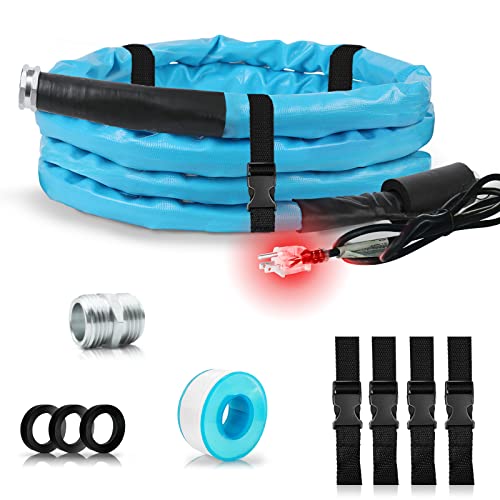
- Use a thermostatically controlled heated water hose: A standard garden or drinking water hose freezes solid within hours once temperatures drop below 32°F. Connect an insulated, heated drinking water hose equipped with an automatic thermostat. These hoses heat up automatically when the air reaches freezing, keeping fresh water flowing into your city water port.
- Disconnect the city water line during extreme cold snaps: If severe sub-zero weather threatens to freeze the campground water spigot itself, fill your internal fresh water tank completely. Once the tank is full, disconnect your exterior hose, drain it, and store it in a heated compartment. Run water exclusively from your internal fresh tank using the camper 12-volt water pump.
- Keep holding tank dump valves closed: Never leave your gray or black tank valves open to the sewer connection in freezing weather. Water trickling slowly through an open sewer line will freeze into an ice bridge, blocking the hose completely. Keep the valves shut so waste collects inside the tanks, and dump only when the tanks are at least two-thirds full.
- Open lower cabinet doors overnight: Water lines are frequently tucked along the cold outer walls behind bathroom and kitchen cabinets. On bitter sub-freezing nights, prop cabinet doors open so warm cabin air circulates directly around the plumbing lines and water pump.
Inspect your exterior low-point drain valves and outdoor shower connections. Wrap exposed plastic pipe stubs with closed-cell foam pipe insulation to prevent wind chill from freezing stationary water pockets.
Choose Thick Insulated Covers and Freeze-Proof Exterior Gear
Investing in reliable cold-weather accessories saves you from fighting drafts and frozen plumbing all season long. When shopping for thermal curtains and exterior protective equipment, prioritize durable construction and reliable weather resistance over thin, temporary materials.
For entry doors and windows, look for quilted covers built with a tough exterior fabric, such as high-density Oxford cloth, wrapped around thick cotton or polyester batting. A multi-layer cover with a built-in reflective thermal barrier helps bounce radiant heat back into your living space while blocking outdoor drafts. Check that door blankets feature continuous, heavy-duty magnetic closures down the center seam and wide adhesive loop strips along the edges. Strong magnets ensure the curtain snaps shut tightly without leaving drafty gaps when people or pets enter.
Always measure your camper door frames and window glass carefully before buying covers. Note the difference between the clear opening dimensions and the outer metal frame. A thermal door curtain needs at least an inch of extra width and height on each side so the adhesive strips can anchor securely to the surrounding wall paneling.
When selecting a heated drinking water hose, make sure it is clearly labeled as drinking-water safe and lead-free. Look for hoses equipped with an intelligent internal thermostat that turns the heating element on automatically when temperatures drop near freezing, and shuts off when the weather warms. Check the manufacturer low-temperature rating to ensure the hose is built to handle the lowest winter temperatures expected in your camping region, and verify that the hose length reaches comfortably from your camper intake to the campground spigot without putting tension on the electrical cord.

- BWP Score9.4
BWP Score is a ranking system developed by Bestwinterproducts.com. BWP score has no relationship or impact from any manufacturers or sales agent websites. Learn more
- BrandArcturus

- BWP Score9.4
BWP Score is a ranking system developed by Bestwinterproducts.com. BWP score has no relationship or impact from any manufacturers or sales agent websites. Learn more
- BrandEJYTRVT
- BWP Score9.4
BWP Score is a ranking system developed by Bestwinterproducts.com. BWP score has no relationship or impact from any manufacturers or sales agent websites. Learn more
- BrandEZIRVLIFE
- BWP Score9.2
BWP Score is a ranking system developed by Bestwinterproducts.com. BWP score has no relationship or impact from any manufacturers or sales agent websites. Learn more
- BrandBeeveer
- BWP Score9.0
BWP Score is a ranking system developed by Bestwinterproducts.com. BWP score has no relationship or impact from any manufacturers or sales agent websites. Learn more
- BrandOEBLD

- BWP Score9.0
BWP Score is a ranking system developed by Bestwinterproducts.com. BWP score has no relationship or impact from any manufacturers or sales agent websites. Learn more
- Brandaugblinds

- BWP Score9.0
BWP Score is a ranking system developed by Bestwinterproducts.com. BWP score has no relationship or impact from any manufacturers or sales agent websites. Learn more
- BrandRV MUST HAVES

- BWP Score9.0
BWP Score is a ranking system developed by Bestwinterproducts.com. BWP score has no relationship or impact from any manufacturers or sales agent websites. Learn more
- BrandESUDNT
- BWP Score9.0
BWP Score is a ranking system developed by Bestwinterproducts.com. BWP score has no relationship or impact from any manufacturers or sales agent websites. Learn more
- BrandCCBASEBALL

- BWP Score8.4
BWP Score is a ranking system developed by Bestwinterproducts.com. BWP score has no relationship or impact from any manufacturers or sales agent websites. Learn more
- BrandYoSonwChing
Last update on 2026-10-02 / Affiliate links / Images, Product Titles, and Product Highlights from Amazon Product Advertising API


Best Warm Winter Scarves 2026 For Cozy Comfort

Best Green Ski Goggles 2026 For Clear Vision On Slopes

12 Best Corner Electric Fireplace 2026: My Ultimate Guide To Pick One

Best Battery Powered Snow Blower 2026 For Effortless Snow Clearing

Best Ski Goggles Under 30 Inches For Crisp Vision And Comfort

Best Cooling Scarf 2026 For Instant Relief And Comfort

Fake Snow for Grass: Create a Realistic Winter Lawn Display

Dimplex Prism Wall Mount Fireplace: Sleek Heat With Modern Flame Style





