
How to Keep Your Home Warm and Stop Drafts in Winter

Check door frames and window edges for moving air before touching the thermostat. Cold air seeps through small gaps and pushes warm air outside faster than a heater can replace it. The fastest fix is to block escaping heat around leaks right away, capture free daytime sunlight, and trap warmth in the rooms you use most.
The exact steps change based on your home. Renters need temporary draft covers and removable film, while owners can apply permanent caulk and weather stripping (sticky foam tape that seals window and door gaps). Heating setups matter too, since forced air, which blows warm air through metal vents, requires balanced airflow, while radiators need clear space around them. Drafty single-pane windows or uninsulated basements also demand extra attention. Here is how to stop the chill, balance indoor air, and stay comfortable all season.
Hunt Down Drafts and Seal Leaky Door and Window Frames
Cold air rarely breaks into a home through open spaces. It sneaks in through tiny cracks around window frames, loose door jambs, electrical outlets, and baseboards. When your heating system runs, warm air naturally rises and looks for an escape route through your attic or upper floors. As that warm air leaks out the top, it creates low pressure down low, which sucks freezing outside air through every unsealed seam in your lower level.
You do not need to replace all your windows to fix this problem. You can find and seal these hidden gaps yourself in an afternoon using basic supplies from any local hardware store. Follow these five steps to stop cold air at the boundary of your home.
- Find the moving air with a simple draft check. Light an incense stick or hold a single ply of facial tissue near the edges of closed windows and exterior doors. Move slowly around the frame on a breezy or freezing day. If the smoke wavers sideways or the tissue flutters toward the room, you have pinpointed an active air leak.
- Clean the frame surfaces thoroughly. Adhesives will not stick to dusty, greasy wood or peeling paint. Wipe down the inner edges of door jambs and window sills with a damp rag and a drop of dish soap, then let the wood dry completely. A clean surface ensures your sealing materials stay stuck all through 2026 without peeling away mid-winter.
- Apply stick-on foam weatherstripping along door stops and window sashes. Weatherstripping is simply sticky foam or rubber tape that seals door and window gaps when they shut. Measure the length of your door frame, cut the strip with household scissors, peel the backing paper, and press the foam firmly against the door stop where the door slab makes contact. When you close the door, the latch should click securely while the foam compresses into a snug, airtight barrier.
- Cover drafty window panes with clear plastic window film. Single-pane glass and aging double-hung sashes lose huge amounts of warmth right through the glass surface. A shrink-wrap window insulation kit creates an airtight pocket of still air that acts just like an extra pane of glass. Apply the included double-sided tape around the window trim, press the plastic film to the tape, and blow warm air from a handheld hair dryer across the surface until every wrinkle smooths out crystal clear.
- Block floor gaps with an under-door draft stopper. An under-door draft stopper is a fabric roll or sweep that blocks cold air under a door. Exterior doors often have a visible sliver of daylight beneath the threshold where frigid gusts slide straight across your floors. Slide a twin-roll fabric draft stopper directly under the door bottom, or screw an aluminum-and-rubber door sweep to the bottom exterior edge so it lightly rubs the threshold when closed.
Open Your Curtains to the Sun and Shut Out the Dark Cold
Your windows work as giant thermal transfer points. During daylight hours, the sun acts as a natural heater that costs nothing. Direct sunlight pouring through glass converts into radiant heat, gently warming your rugs, furniture, and walls. But as soon as the sun dips beneath the tree line, cold outdoor glass turns into a heat sink that rapidly pulls warmth straight out of your living space.
Managing your window coverings on a daily schedule changes the temperature of your rooms by several degrees without touching the thermostat. Treat your curtains like a daily valve for natural solar heat.
- Open south-facing blinds and curtains early in the morning. In North America, windows that face south and west receive the strongest winter sunlight throughout the day. Draw back heavy drapes as soon as the sun clears the horizon so sunlight can directly strike interior surfaces and warm up your floors.
- Keep north-facing window shades tightly closed all day. Windows pointing north receive virtually no direct winter sunlight. Because they only see shade and cold wind, keeping thick curtains closed over north-facing glass prevents indoor heat from escaping.
- Shut all curtains the moment dusk arrives. When the sun sets, outdoor temperatures plunge quickly. Closing all your blinds, shades, and drapes before dark creates an insulating air pocket between the cold glass pane and your warm room.
- Hang dense, tightly woven thermal curtains that reach the floor. Thin decorative drapes let air circulate behind them, which cools down against the glass and flows out the bottom onto your feet. Heavy velvet, insulated blackout drapes, or wool fabrics that touch the floor trap that falling air and keep the chill contained against the window.
Flip Your Ceiling Fan Switch and Balance Warm Air Vents
Warm air is lighter than cold air, so it naturally rises toward your ceiling while cold, heavy air sinks to your floorboards. If your living room has high ceilings, you might feel chilly on the couch even when the air near the light fixture is uncomfortably hot. You can reclaim that trapped heat without spending an extra dime on fuel by redirecting existing airflow.
Look at the motor base of your ceiling fan to find the small direction switch. Turn the fan off completely, wait for the blades to stop spinning, and push the switch into the reverse position. In winter, your fan blades should spin in a clockwise direction at the absolute lowest speed setting.
Clockwise rotation pulls cool air upward from the floor through the center of the room. This gentle upward motion pushes the warm air hovering near the ceiling outward toward the walls and downward into the living space where you actually sit. Setting the fan on the lowest speed ensures that this air movement feels like a gentle redistribution of heat rather than a drafty breeze that cools your skin.
If you have forced air heating, which is a heating system that blows warm air through metal vents, pay close attention to vent balancing. Never close all the vents in unused rooms, because restricting too much airflow increases pressure inside the ductwork, which can damage your furnace fan or crack your heat exchanger. Instead, partially close the metal louvers in vacant spare rooms or little-used basements. This redirects a higher volume of warm air into the rooms where your family spends the most time.
Finally, inspect every return air grille in your living areas. Return vents are large metal grates on walls or floors that suck room air back to the furnace. If a heavy couch, low bookshelf, or thick area rug blocks a return vent, your heating system struggles to pull cold air off the floor. Keep at least twelve inches of open clearance in front of all grates so your heating equipment breathes freely.
Close Doors to Empty Rooms to Trap Heat Where You Live
Heating an entire home to a balmy temperature when you only spend time in two or three rooms burns through fuel unnecessarily. You can keep your core living areas far warmer by creating dedicated heat zones within your floor plan. The goal is to shrink the amount of space your furnace or boiler needs to satisfy at any given moment.
Take a walk through your house and identify spaces that nobody uses during the day, such as guest bedrooms, craft rooms, laundry rooms, and formal dining areas. Shutting the interior doors to these zones stops warm air from wandering into unoccupied corners. When you isolate those empty spaces, the heat circulating from your registers stays concentrated in your kitchen, living room, and home office.
Compare this zoned approach to heating a large, open house without interior divisions. In a wide-open floor plan, warm air disperses over hundreds of square feet of chilly drywall and uninsulated flooring. By contrast, a closed bedroom or family room maintains its temperature with much less effort because the heat bounces back off nearby interior walls. If you want to dive deeper into practical daily routines, review simple methods on how to keep warm in winter in the house without driving up your energy bills.
Pay special attention to stairwells and basement doors. Cold basement air is dense and constantly tries to leak under access doors into your main living quarters. Keep your basement door firmly shut, and place a draft stopper along its bottom seam to lock out that underground chill. If you spend long hours sitting at a desk on cold floors, you can also learn how to keep feet warm during winter to stay completely comfortable without cranking the main thermostat.
Layer Your Bedding and Block Floor Drafts for Warmer Nights
Nighttime brings the coldest outdoor temperatures of the twenty-four-hour cycle. Many people respond by turning their thermostat higher before bed, which results in a dry throat, restless sleep, and a massive utility bill. A far smarter strategy is to set your thermostat several degrees lower overnight and build a warm microclimate directly around your bed.
Use this practical checklist to prepare your bedroom and sleeping space for freezing nights:
- Swap standard cotton sheets for brushed cotton flannel. Smooth percale or sateen sheets feel icy when you first slide into bed and take several minutes of body heat to warm up. Flannel sheets have a brushed surface that traps small pockets of warm air, feeling cozy the exact second your skin touches the fabric.
- Build a three-tier blanket stack on your bed. Start with your flannel top sheet, add a thick middle layer made of wool or plush fleece, and finish with a heavy stitched quilt or down comforter. The middle layer traps your natural body heat, while the heavy top layer provides slight weight that keeps the warmth from drifting out the edges as you shift.
- Protect your extremities while reading or falling asleep. Cold extremities make your entire body feel restless. Slipping on a loose pair of soft sleeping socks helps maintain steady blood circulation so you fall asleep much faster; you can pick up helpful advice on how to keep toes warm in the winter to avoid that freezing sensation in bed.
- Cover bare hard-surface floors with thick area rugs. Wood, tile, and vinyl planks pull heat straight out of a room and feel bitter under bare feet. Placing a high-pile woven rug next to your bed creates an insulating thermal break between your feet and the cold subfloor beneath.
- Slide a fabric draft barrier across your bedroom doorway. Even with the bedroom door shut, cool hallway air often rolls under the gap at the bottom. Tucking a draft stopper along the inside base of your bedroom door keeps your warm sleeping bubble intact until morning.
Choose Practical Draft Blockers and Warm Layers for Extra Comfort
When you want to stop cold air from invading your home without hiring a contractor, simple personal warming layers and physical draft blockers make an immediate difference. These items create targeted thermal barriers right where cold air enters or right where your body needs relief, allowing you to lower the central thermostat while staying perfectly warm.
A magnetic thermal door curtain is one of the most effective tools for sealing drafty entry points, basement stairwells, or uninsulated back doors. These heavy fabric panels hang directly over a door frame and feature a central slit lined with strong magnetic strips. When you walk through, the magnets snap shut behind you instantly, blocking biting wind and preventing warm room air from escaping into unheated garages or porches.
Before purchasing a thermal door curtain, always measure the exact width and height of your door opening, making sure to include the outer wooden trim where the mounting strips will attach. Look for curtains filled with thick cotton batting and wrapped in heavy-duty, wind-resistant outer fabric. The magnetic closure should run the entire vertical length of the seam so gusts of wind cannot blow the center seam apart.
For your living room or home office, heavy plush throw blankets and electric heated blankets provide targeted warmth where you rest. Using an electric heated throw while watching television or working at a desk warms your body directly for just pennies an hour. When choosing an electric blanket, always verify that it carries an independent safety mark like ETL or UL listing. Check that it offers an automatic shut-off timer, overheat protection sensors, and multiple heat settings so you can easily adjust the warmth without getting too hot.

- BWP Score9.2
BWP Score is a ranking system developed by Bestwinterproducts.com. BWP score has no relationship or impact from any manufacturers or sales agent websites. Learn more
- BrandElytsemoh

- BWP Score-
BWP Score is a ranking system developed by Bestwinterproducts.com. BWP score has no relationship or impact from any manufacturers or sales agent websites. Learn more
- BrandTouchat

- BWP Score-
BWP Score is a ranking system developed by Bestwinterproducts.com. BWP score has no relationship or impact from any manufacturers or sales agent websites. Learn more
- BrandFNOVCO

- BWP Score-
BWP Score is a ranking system developed by Bestwinterproducts.com. BWP score has no relationship or impact from any manufacturers or sales agent websites. Learn more
- BrandN/A

- BWP Score-
BWP Score is a ranking system developed by Bestwinterproducts.com. BWP score has no relationship or impact from any manufacturers or sales agent websites. Learn more
- BrandCozyLux
- BWP Score-
BWP Score is a ranking system developed by Bestwinterproducts.com. BWP score has no relationship or impact from any manufacturers or sales agent websites. Learn more
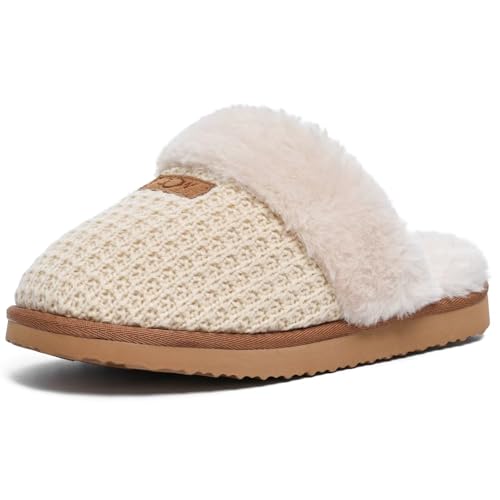
- BrandOOW

- BWP Score-
BWP Score is a ranking system developed by Bestwinterproducts.com. BWP score has no relationship or impact from any manufacturers or sales agent websites. Learn more
- BrandQrastlu

- BWP Score-
BWP Score is a ranking system developed by Bestwinterproducts.com. BWP score has no relationship or impact from any manufacturers or sales agent websites. Learn more
- BrandHOW'S MY HOUSE

- BWP Score-
BWP Score is a ranking system developed by Bestwinterproducts.com. BWP score has no relationship or impact from any manufacturers or sales agent websites. Learn more
- BrandTHE ONE HOME DECO

- BWP Score-
BWP Score is a ranking system developed by Bestwinterproducts.com. BWP score has no relationship or impact from any manufacturers or sales agent websites. Learn more
- BrandTouchat

- BWP Score-
BWP Score is a ranking system developed by Bestwinterproducts.com. BWP score has no relationship or impact from any manufacturers or sales agent websites. Learn more
- BrandDREAMNINE
Last update on 2026-10-02 / Affiliate links / Images, Product Titles, and Product Highlights from Amazon Product Advertising API
FAQs
Why does my home still feel cold when the thermostat is set high?
Your home feels cold because moving air and cold wall surfaces steal heat from your body much faster than still air does. If hidden cracks around windows, exterior doors, and floorboards allow drafts to blow inside, that moving air creates a wind-chill effect indoors. Additionally, uninsulated windows and thin exterior walls absorb radiant heat from your skin, leaving you feeling chilly even if the air registered on your wall thermometer says seventy degrees.
Is it better to leave interior doors open or closed during the winter?
Keep doors closed to unused rooms, but keep doors open between occupied rooms that share a single central heating zone. Closing off vacant guest rooms, utility spaces, and basements traps your valuable heat in the rooms where you actually spend your day. But if a room contains the main thermostat or an essential cold air return register, keep that door open so air circulates properly throughout your active living area.
Will running a ceiling fan in the winter create a chilling breeze?
A ceiling fan will not create a chilling breeze if you set it to spin clockwise on its absolute lowest speed setting. In clockwise mode, the angled blades pull cool room air gently upward toward the motor, which pushes the pool of rising warm air along the ceiling, down the side walls, and into your seating area. As long as the fan runs on low, you will feel warmer air moving downward without any direct wind blowing against your skin.
How can I safely run a space heater without raising safety concerns?
Place portable electric space heaters on a flat, hard floor surface and maintain at least three feet of empty clearance in all directions from curtains, bedding, rugs, and furniture. Always plug the space heater directly into a permanent wall outlet rather than using an extension cord or power strip, which can overheat under high electrical draw. Look for modern safety features including automatic tip-over shutoff switches and built-in overheat sensors, and never leave a portable heater running unattended or while you sleep.


Best Warm Winter Scarves 2026 For Cozy Comfort

Best Green Ski Goggles 2026 For Clear Vision On Slopes

12 Best Corner Electric Fireplace 2026: My Ultimate Guide To Pick One

Best Battery Powered Snow Blower 2026 For Effortless Snow Clearing

Best Ski Goggles Under 30 Inches For Crisp Vision And Comfort

Best Cooling Scarf 2026 For Instant Relief And Comfort

Fake Snow for Grass: Create a Realistic Winter Lawn Display

Dimplex Prism Wall Mount Fireplace: Sleek Heat With Modern Flame Style





