
How to Keep Outdoor Dogs Warm in the Winter?

Keeping an outside dog comfortable in freezing weather comes down to a dry, draft-free shelter lifted off the frozen ground and filled with deep straw. How far you need to go beyond that setup depends on how harsh your winter gets. Blankets soak up damp air and freeze stiff, while dry straw traps warm pockets of air around your dog. Extra food and a continuous bowl of unfrozen water give their body the daily calories needed to fight off the chill.
A thick-coated dog handles a frosty morning much better than a lean hound, an older pet, or a young pup. Driving sleet and sharp wind chills also steal heat quickly, while having a safe outdoor outlet allows for a chew-proof heating pad during deep freezes. Here is how to set up a weather-tight shelter, keep drinking water thawed, and know when conditions become too dangerous to stay outside.
The Short Version
- Build a compact, raised shelter: Choose a dog house only slightly larger than your dog, lift it four inches off the ground to stop heat loss, and seal the door with a flexible vinyl flap.
- Use dry straw for bedding: Pack the shelter with clean straw, which has hollow stalks that trap warm air and shed moisture. Never use blankets, towels, or hay, which soak up water and freeze solid.
- Provide unfrozen water and extra calories: Use a pet-safe heated water bowl so your dog never dehydrates, and increase winter food by 15 to 25 percent to fuel their internal furnace.
- Watch the temperature limits: Bring your dog inside whenever temperatures plunge below 20 degrees Fahrenheit, during wet winter storms, or if you notice shivering, whining, or lethargy.
Shelter Essentials: Setting Up a Draft-Free Dog House
An outdoor dog house must act like a thermos, trapping your dog's natural body heat inside while locking out wind, sleet, and damp ground. A huge dog house might look luxurious, but it is actually a hazard in freezing weather. Your dog's body is the only radiator in that space. If the house is too large, the heat dissipates into thin air, leaving the interior just as cold as the outside yard.
Use this practical checklist to make sure your outdoor shelter can handle freezing winter conditions:
- Size the space properly: Your dog should have just enough room to stand up, turn around completely, and curl up tightly into a ball. As a general rule of thumb, the house should be no more than 25 percent taller and longer than your dog. Excess air space is wasted space that steals warmth.
- Raise the floor off the ground: Frozen dirt, gravel, and concrete pull heat straight out of the shelter through direct contact. Just as people learn when figuring out how to keep feet warm during winter, cold ground drains warmth faster than cold air. Prop the dog house three to four inches off the ground using treated wood skids, concrete blocks, or built-in legs to create a dead-air space beneath the floorboards.
- Offset the doorway: Never place the entrance hole directly in the center of the front wall. When a doorway is centered, incoming wind blows straight onto your dog. Place the doorway to one side, or build an interior baffle wall that forces the dog to turn a corner before reaching their sleeping area.
- Install a heavy-duty door flap: Hang thick, overlapping strips of vinyl, heavy rubber, or heavy-duty marine canvas over the entrance. The flaps must give way easily when your dog pushes through, but snap back into place immediately to seal out howling drafts.
- Angle the roof and insulate the walls: Ensure the roof slopes downward toward the back so melting snow and freezing rain drain away from the door. Line the inner walls and ceiling with rigid foam insulation panels, sealing all seams with outdoor tape so drafts cannot whistle through cracks.
- Position the house carefully: Face the entrance toward the south or east, away from prevailing northern winter winds. Tuck the dog house against the side of your home, a garage, or a sturdy wooden fence line to block severe wind chill.
Remember that breathing produces warm moisture. If a shelter is completely airtight, that moisture condenses on the walls, runs down into the bedding, and turns into frost. Drill two small vent holes, each about one inch wide, high up beneath the roof overhang on opposite sides. This allows humid air to escape while keeping the lower sleeping nest completely dry and draft-free.
The Bedding Choice: Why Clean Straw Beats Blankets and Hay
Bedding makes or breaks an outdoor dog shelter. Many well-meaning dog owners pack their dog houses with old wool blankets, fleece throws, pillows, or towels. In an outdoor winter setting, soft fabric is one of the most dangerous things you can use.
Dogs track snow, ice balls, and damp mud inside on their paws and fur. Cotton and wool absorb that liquid like a sponge. Once fabric absorbs moisture, it loses all insulating ability. The wet cloth flattens out, freezes into a stiff block of solid ice, and actively saps body heat away from your dog's belly and chest. Within hours, your dog is lying directly on top of frozen ice.
You must also know the critical difference between clean straw and hay. People often mix up these two agricultural products, but they perform very differently in the cold:
- Dry straw (the best choice): Straw consists of the dry, yellow, hollow grain stalks left behind after harvesting wheat, barley, or oats. Because each individual stalk is a hollow tube of cellulose, straw traps millions of tiny pockets of warm, dead air. Straw repels liquid, meaning snow and moisture slide off to the bottom while the top layers stay dry. A dog can burrow deep into straw, building an insulated nest that seals in heat.
- Feed hay (dangerous for bedding): Hay is dried green pasture grass harvested for livestock feed. Hay is not hollow. It absorbs moisture from the air, from snow, and from dog urine very quickly. Within days, wet hay packs down flat, begins to decompose, and develops thick aspergillus mold. This mold creates foul odors and can trigger serious respiratory infections in dogs. Worse, the damp hay freezes into a rock-solid, frigid mat.
- Wood shavings and cedar chips: While wood shavings absorb odors, they pack down flat, stick to wet fur, and cannot be formed into a nesting bowl. Cedar shavings can also release strong aromatic oils that irritate a dog's eyes, skin, and airway when confined in a small space.
To pack the shelter correctly, buy a fresh, sweet-smelling bale of golden wheat or oat straw from a local farm supply store. Break apart the flakes and fluff the straw generously until the dog house is loosely filled halfway to the ceiling. Your dog will naturally circle around and press down the center, creating a warm, deep nest surrounded by tall, insulating straw walls. Inspect the bedding weekly, pull out any damp patches near the entrance, and replace the straw with fresh material every three to four weeks.
Fueling the Body: Calorie Increases and Fresh, Unfrozen Water
An outdoor dog stays warm through metabolic combustion. Your dog's body burns food energy to produce internal body heat, maintaining a natural core temperature between 101 and 102.5 degrees Fahrenheit. In bitter winter weather, that internal furnace works overtime.
Outdoor dogs burn substantially more calories in the winter just keeping their vital organs warm. As a baseline, dogs kept outdoors in freezing conditions need between 15 and 25 percent more food than they consume during mild spring or autumn weather. If your dog is an active working breed, such as a livestock guardian dog or a sled dog, their daily calorie needs can jump by 40 to 50 percent during extended cold snaps.
Switch to a nutrient-dense diet with higher fat and protein ratios. Fat is the cleanest, most efficient fuel source for canine thermogenesis (the biological process of generating heat). Divide their daily food ration into two or three smaller meals spaced throughout the day. Digesting food continuously keeps your dog's metabolism elevated, providing a steady stream of internal warmth through the coldest hours of the night.
Water is just as important as food. Many owners do not realize that dehydration dramatically increases the risk of hypothermia (dangerously low body temperature). When a dog is dehydrated, their blood volume drops, and circulation slows down. The body can no longer pump warm blood efficiently out to the ears, tail, paws, and skin.
The biggest obstacle in winter is keeping drinking water liquid. Here is how to handle winter hydration safely:
- Never use metal bowls: A dog's wet tongue or lips can instantly freeze and stick to bare steel or aluminum, causing painful tissue tears when the dog pulls away.
- Avoid brittle plastic dishes: Rigid plastic cracks when water expands into ice, creating sharp plastic edges that cut gums and paws.
- Use a pet-safe heated water bowl: The most reliable solution is an outdoor-rated, thermostatically controlled heated water bowl. These bowls use low wattage to keep water just above freezing, preventing ice dams without making the water hot. Always route the power cord through rigid metal conduit or choose a model with a steel-wrapped, chew-proof wire.
- The two-rubber-bowl rotation: If you do not have electrical access outdoors, buy two heavy, flexible rubber livestock bowls. Fill one with warm water. When it freezes, bring it inside, turn it upside down, and stomp on it to pop the ice plug out easily. Meanwhile, set out the second bowl with fresh, warm water. You must swap these bowls at least three to four times a day.
Never expect a dog to eat snow to quench their thirst. Melting snow in the mouth drains huge amounts of precious body heat, lowering the dog's internal core temperature and pushing them closer to cold stress.
Adding Heat Safely: Pet-Rated Warmers Versus Fire Hazards
When sub-zero cold strikes, passive insulation may not be enough for your dog house. Adding supplemental heat can keep your pet safe, but doing it incorrectly presents an extreme danger. Every single winter, dozens of dogs die and outbuildings burn down because owners set up unsafe heating equipment in outdoor kennels.
You must understand what equipment to strictly avoid:
- Clamp-on heat lamps: Never hang a heat lamp, brooder bulb, or ceramic infrared lamp inside or directly above a dog house. A wagging tail, a startled jump, or a sudden gust of wind can easily knock the lamp down into dry straw bedding. Straw catches fire in seconds, creating a deadly trap with no escape. Heat lamps can also cause severe thermal burns on your dog's skin if the dog sleeps directly beneath the hot bulb.
- Human space heaters: Portable ceramic space heaters, fan-forced electric heaters, and oil-filled radiators have no place inside an outdoor dog house. They draw heavy electric currents, tip over easily, lack water resistance, and feature soft plastic cords that a bored dog will chew through in minutes.
- Human electric blankets and heating pads: Electric pads designed for people get far too hot for pets, often reaching temperatures that cause deep tissue burns. They also lack chew protection and are not sealed against damp outdoor environments, creating severe shock and electrocution risks.
If you want to add heat, use only certified equipment designed specifically for outdoor animal shelters:
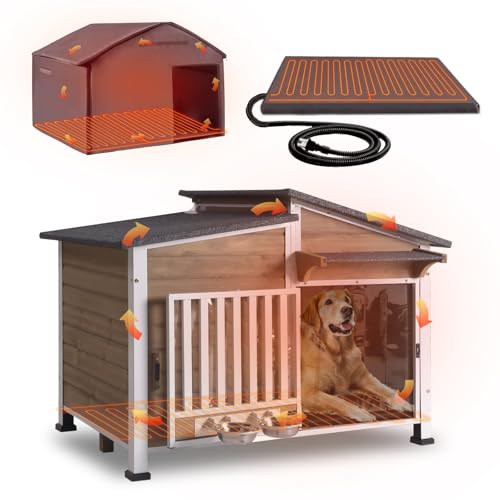
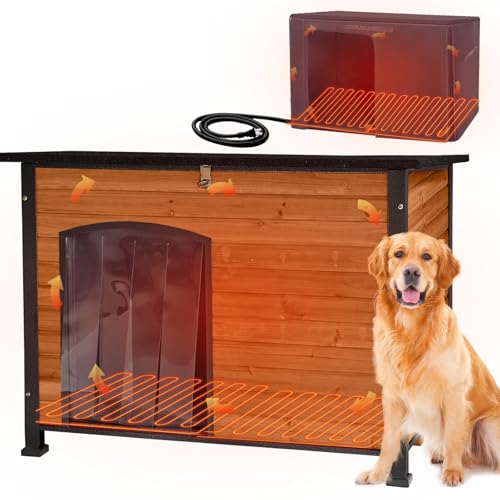
1. Outdoor-rated heated pet pads: Choose a rigid or semi-flexible heating pad sealed in heavy-duty, water-resistant ABS plastic or thick vinyl. These units feature an automatic internal thermostat that maintains a safe, steady warmth, typically holding between 85 and 115 degrees Fahrenheit. Look for a model with a steel-wrapped, chew-proof power cord that prevents curious teeth from reaching live electrical wires. Position the pad so it covers only half of the dog house floor. Your dog must always have the freedom to move off the heated surface if they become uncomfortably warm.
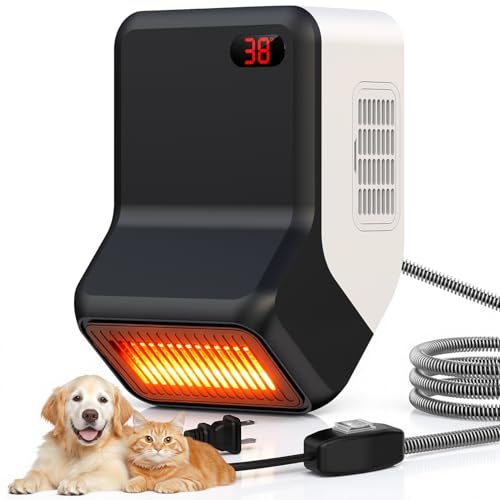
2. Shielded kennel box heaters: These wall-mounted metal units attach high on the interior wall of the shelter, well out of reach of bedding. They enclose the heating element behind a heavy steel grill, circulate warm air with a small internal fan, and feature built-in overheat protection that shuts the unit off automatically if airflow is blocked. All power lines must run through steel conduit back to an outdoor GFCI outlet (ground fault circuit interrupter, a safety outlet that cuts power instantly during an electrical short).
3. Cordless self-warming thermal mats: If you do not have safe electrical access at your outdoor dog run, use a self-warming pet pad. These mats do not plug in. Instead, they contain an internal layer of reflective mylar insulation, similar to an emergency space blanket, sandwiched between layers of thick fleece. When your dog lies down, the metallic core reflects their own radiant body heat back up into their underside, preventing the cold floor from stealing their warmth.
Red Flag Conditions: Spotting Cold Stress and Knowing When to Bring Them In
No outdoor shelter, no matter how well built, can protect every dog in extreme weather. A dog's cold tolerance depends heavily on their physical build, age, coat type, and general health. Dense double-coated breeds, such as Siberian Huskies, Alaskan Malamutes, Great Pyrenees, and Bernese Mountain Dogs, have thick undercoats that insulate them down to very low temperatures. Lean, short-haired breeds, such as Boxers, Greyhounds, Dobermans, and Pit Bulls, have almost no natural insulation and should never live outdoors during winter.
Puppies under six months old, senior dogs suffering from arthritis, and underweight dogs cannot regulate their body temperature effectively. Their bodies lose heat much faster than they can manufacture it.
Pay close attention to these five numbered steps to identify cold distress and take immediate protective action:
- Check for early physical signs of cold stress: Watch your dog's posture and behavior during outdoor visits. If your dog is continuously shivering, whining, barking at the door, pacing restlessly, or holding their paws up off the frozen ground one by one, they are struggling. Another telltale sign is a dog curled into an extremely tight ball with their nose tucked firmly beneath their tail to trap warm breath.
- Inspect thin-skinned areas for frostbite: Frostbite occurs when the body restricts blood flow to peripheral tissues to keep the internal organs alive. Check the tips of your dog's ears, their tail tip, their paw pads, and their private areas. Frostbitten skin looks pale, gray, yellowish, or bluish, and feels cold and hard to the touch. If you suspect frostbite, never rub the area, as ice crystals in the skin cells will tear delicate tissue. Rewarm the area gently with lukewarm water, never hot water.
- Recognize advanced hypothermia: Hypothermia is a medical emergency that occurs when core body temperature drops below 99 degrees Fahrenheit. As cold deepens, violent shivering will suddenly stop. The dog becomes clumsy, slow-moving, and lethargic. Their eyes may appear glassy and fixed, with dilated pupils. Breathing slows to shallow gasps, and the gums turn pale or blue.
- Enforce strict temperature limits: When the ambient air temperature drops below 20 degrees Fahrenheit, or when severe wind chill makes it feel that cold, all outdoor dogs must come inside. Heavy wet snow, freezing rain, and high winds dramatically accelerate heat loss. Just as you need extra layers when considering how to keep warm in winter outdoors, animals lose their natural thermal protection the moment their fur becomes soaked through to the skin.
- Provide an emergency indoor transition space: If your dog is not house-trained or is used to living outdoors, you do not have to give them full run of your living room. Set up a warm, safe sanctuary in an insulated garage, utility room, basement, or enclosed mudroom. If you already understand how to keep warm in winter in the house during sudden cold snaps, you know that keeping your pet in a draft-free room with a thick dog bed and fresh water will keep them safe until severe storms pass.
If you find your dog unresponsive or showing severe signs of hypothermia, wrap them in dry, warm bath towels, place warm water bottles wrapped in cloths against their chest and belly, and transport them immediately to an emergency veterinary clinic.
What to Look for in Outdoor Dog Winter Gear
When selecting winter equipment to protect an outdoor dog, focus on durability, weatherproofing, and electrical safety. The outdoors in winter is a punishing environment where frozen moisture and active chewing can quickly ruin ordinary household gear.
For outdoor dog houses and kennel covers, look for sturdy, weather-resistant structures built from treated cedar, solid fir, or double-walled resin. The roof must be waterproof, preferably finished with asphalt shingles or a composite overhang that channels moisture backward. Look for models featuring removable roof panels or hinged tops, which allow you to easily reach inside, fluff fresh straw bedding, and clean out the corners. If you are winterizing an existing wire crate or chain-link run, choose a heavy-duty waterproof kennel cover crafted from thick Oxford fabric that blocks biting wind and driving snow while still offering adjustable side ventilation flaps.
When shopping for electric heated pads or kennel heaters, electrical safety comes first. Verify that any heating pad features an internal thermostat designed to hold a steady temperature suitable for pets, rather than continuous high heat. The cord must be fully protected by a flexible steel spring wrap or rigid conduit to stop chewing. For wall heaters, check that the unit uses a low-wattage design with rounded safety corners, a wire guard that prevents direct nose contact with hot surfaces, and an automatic overheat shutoff sensor. Always verify the manufacturer's warranty terms and check that all electrical components carry recognized safety listings for wet or outdoor environments.
- BWP Score10.0
BWP Score is a ranking system developed by Bestwinterproducts.com. BWP score has no relationship or impact from any manufacturers or sales agent websites. Learn more
- BrandGUTINNEEN

- BWP Score10.0
BWP Score is a ranking system developed by Bestwinterproducts.com. BWP score has no relationship or impact from any manufacturers or sales agent websites. Learn more
- BrandGeneric

- BWP Score10.0
BWP Score is a ranking system developed by Bestwinterproducts.com. BWP score has no relationship or impact from any manufacturers or sales agent websites. Learn more
- BrandGeneric

- BWP Score9.2
BWP Score is a ranking system developed by Bestwinterproducts.com. BWP score has no relationship or impact from any manufacturers or sales agent websites. Learn more
- BrandIECOii

- BWP Score9.2
BWP Score is a ranking system developed by Bestwinterproducts.com. BWP score has no relationship or impact from any manufacturers or sales agent websites. Learn more
- BrandPetace

- BWP Score9.0
BWP Score is a ranking system developed by Bestwinterproducts.com. BWP score has no relationship or impact from any manufacturers or sales agent websites. Learn more
- Brandvecomfy
- BWP Score9.0
BWP Score is a ranking system developed by Bestwinterproducts.com. BWP score has no relationship or impact from any manufacturers or sales agent websites. Learn more
- BrandAivituvin

- BWP Score8.8
BWP Score is a ranking system developed by Bestwinterproducts.com. BWP score has no relationship or impact from any manufacturers or sales agent websites. Learn more
- BrandLovelonglong

- BWP Score8.6
BWP Score is a ranking system developed by Bestwinterproducts.com. BWP score has no relationship or impact from any manufacturers or sales agent websites. Learn more
- BrandETOFIXEE

- BWP Score8.4
BWP Score is a ranking system developed by Bestwinterproducts.com. BWP score has no relationship or impact from any manufacturers or sales agent websites. Learn more
- BrandAivituvin

- BWP Score8.2
BWP Score is a ranking system developed by Bestwinterproducts.com. BWP score has no relationship or impact from any manufacturers or sales agent websites. Learn more
- BrandLovelonglong
- BWP Score6.6
BWP Score is a ranking system developed by Bestwinterproducts.com. BWP score has no relationship or impact from any manufacturers or sales agent websites. Learn more
- BrandRibgwo
Last update on 2026-10-02 / Affiliate links / Images, Product Titles, and Product Highlights from Amazon Product Advertising API
Frequently Asked Questions
How cold is too cold for an outdoor dog to stay outside?
Most healthy, double-coated breeds can handle dry temperatures down to 32 degrees Fahrenheit without trouble if they have a dry, wind-blocked shelter packed with straw. However, when ambient temperatures or wind chill values drop below 20 degrees Fahrenheit, the risk of hypothermia and frostbite rises sharply for all breeds. Short-haired dogs, small breeds, puppies, and senior dogs should never remain outdoors unattended once temperatures drop below 40 degrees Fahrenheit.
Can I use blankets inside an outdoor dog house?
No, you should never use fabric blankets, towels, or old rugs inside an outdoor dog house. Dogs naturally track wet snow and slush into their sleeping quarters on their paws and coat. Fabric absorbs that moisture, flattens out, and quickly freezes into a solid, frigid sheet of ice that pulls heat directly away from your pet's body. Use clean, dry straw instead, which naturally repels moisture and traps warm air within its hollow stalks.
How much extra food should I feed my outdoor dog in winter?
Outdoor dogs generally need 15 to 25 percent more food during winter months to fuel the metabolic heat required to keep their bodies warm. Working dogs or pets exposed to deep sub-freezing temperatures may require up to 50 percent more daily calories. Choose a high-protein, high-fat dog food, and divide their daily ration into two or three smaller meals so their metabolism stays active throughout the day and night.
How do I stop my outdoor dog's water bowl from freezing without electricity?
If you cannot safely run a grounded outdoor power cord for a pet-safe heated water bowl, use heavy, flexible rubber livestock bowls instead of plastic or metal dishes. Rubber acts as a mild thermal insulator, slows down freezing, and allows you to easily pop out frozen ice disks by flexing the sides. Set out warm water, replenish it three to four times a day, and tuck the bowl inside the shelter entryway or against a sunny, wind-protected wall to slow down ice formation.


Best Warm Winter Scarves 2026 For Cozy Comfort

Best Green Ski Goggles 2026 For Clear Vision On Slopes

12 Best Corner Electric Fireplace 2026: My Ultimate Guide To Pick One

Best Battery Powered Snow Blower 2026 For Effortless Snow Clearing

Best Ski Goggles Under 30 Inches For Crisp Vision And Comfort

Best Cooling Scarf 2026 For Instant Relief And Comfort

Fake Snow for Grass: Create a Realistic Winter Lawn Display

Dimplex Prism Wall Mount Fireplace: Sleek Heat With Modern Flame Style





