
How to Keep a Room Warm in Winter

Ice-cold floorboards and a faint rattle at the windowpane often greet anyone walking into a chilly bedroom while the central furnace hums away in the background. The fastest way to fix the chill is to block hidden air leaks around windows and doorways, then let your warm air vents push heat freely into the space. Layering heavy textiles over bare surfaces keeps that hard-earned warmth from slipping right back outside.
The exact fix depends on where the cold sneaks inside and how your room is set up. A steady breeze blowing under a bedroom door calls for a different trick than frosty glass radiating winter air, and a sofa pushed tight against a radiator can starve the whole area of warmth. Renters also need damage-free options that protect wall paint and window trim. Pinpointing where your room bleeds heat makes it simple to lock in comfort without driving up your energy bills.
Finding Where Cold Air Leaks Into Your Room
You crank the thermostat, hear your central heating system turn on, and feel warm air in the hallway, yet your bedroom or living space remains stubbornly cold. The issue is rarely a broken heater. Most of the time, the problem comes down to cold air infiltration. Cold outdoor air is dense and heavy. It presses against the exterior of your home, searching for any microscopic opening around window frames, sliding sashes, loose baseboards, and door thresholds. Once outside air slips inside, it sinks to the floor, chills your feet, and forces your heated indoor air upward and out through ceiling joints or uninsulated attic hatches.
Finding these hidden entry points does not require expensive tools or specialized gear. You can locate nearly every cold air leak in a single afternoon using simple checks around the room. Start by using the back of your hand. The skin on the back of your fingers is far more sensitive to temperature changes than your palms. Slowly run your hand along window frames, baseboard seams, and door perimeters on a cold, breezy afternoon. You will feel an unmistakable cool draft wherever outdoor air breaks through the wall barrier.
Another reliable trick is the tissue paper check. Take a single square of lightweight facial tissue or toilet paper and hold it loosely by one corner between your fingertips. Hold it still near the edges of closed window sashes, under electrical faceplates on exterior walls, and along the bottom edge of your door. If the tissue flutters, wavers, or pulls sideways toward the room, you have found an active cold air leak. You can also run a flashlight check with a family member after dark. Stand inside the darkened room while your helper shines a bright flashlight around closed doors or outer window moldings. If slivers of light shine through, freezing air is moving through those exact openings.
Run through this quick inspection checklist to pinpoint hidden cold air leaks before spending any money on heating fixes:
- Window sashes and meeting rails: Check where the two moving window frames meet in the center and where the lower sash rests against the sill.
- Exterior wall electrical faceplates: Feel around light switches and wall outlets on exterior-facing walls where wall cavity insulation is often missing.
- Interior and exterior doorways: Examine the bottom gap and side jambs of the room entry door for moving air.
- Baseboard trim lines: Inspect the seam where your drywall meets the floor molding, especially along cold outer walls.
- Ceiling and attic seams: Look at edges around drop-down attic stairs, recessed light cans, or ceiling vents that connect to unheated spaces.
Sealing Windows and Managing Daily Sunlight to Trap Heat
Window glass and loose frames represent the largest path of heat loss in any residential space. Glass is a poor insulator compared to an insulated wall. Even when a window is closed tight, freezing outdoor temperatures rapidly cool the glass pane. Indoor warm air bumps against the cold glass, cools off immediately, and drops toward the floor. This cycle creates a continuous loop of falling cool air that feels just like an open window. When cracked window caulking or loose latches let outside air enter, heat loss happens twice as fast.
Stopping this heat loss requires physical layers that trap pockets of still air against the glass. Follow these steps to seal your windows and hold heat inside the room:
- Clean the window frames thoroughly: Wipe down all inner wood or vinyl surfaces with mild dish soap and warm water, then dry them with a clean cloth. Dust, dirt, and oily residues prevent adhesives from sticking, which causes gap tapes and shrink films to peel loose during freezing nights.
- Apply stick-on foam gap tape along moving joints: Stick dense foam or rubber gap tape (foam weatherstripping) along the bottom sill, inside the side tracks, and across the top meeting rail. When you latch the window shut, the foam compresses tightly into the crack, blocking moving air.
- Install clear plastic window film over the casing: Apply double-sided mounting tape to the flat outer face of the wooden window molding. Press the clear plastic sheet firmly against the tape, keeping it reasonably smooth. Next, wave an everyday household hairdryer on warm heat across the plastic. The heat shrinks the film drum-tight, creating an airtight dead-air space that insulates just like a double-pane window while still letting light through.
- Hang a heavy insulating cover or thermal curtain: Hang a thick, multi-layer fabric curtain lined with dense cotton or fleece over the window opening. Mount the curtain rod several inches above the molding and extend the rod beyond both sides of the frame. Ensure the fabric drops all the way to the floor or rests flat on the sill so cold air cannot drop out from beneath the curtain.
Once your windows are sealed, managing natural sunlight each day keeps the space warm without running up your electric bill. Think of your windows as free solar heaters during the day and cold thermal leaks after dark. On clear winter mornings, open heavy curtains on windows that receive direct sunlight. Let the natural sunshine stream into the room to warm your floors, rugs, and furniture. As soon as the sun dips below the horizon or shadows hit the glass, immediately close your insulating curtains and tuck the edges against the wall. Closing your window coverings before twilight locks in the radiant heat absorbed during the afternoon and keeps freezing evening temperatures from chilling the room.
Blocking Floor Drafts, Clearing Vents, and Balancing Airflow
Cold floors and open doorways can undermine all the effort you spend sealing windows. Heavy, freezing air sinks to the lowest level of the home and creeps across hallway floors. If your room sits above an unheated crawlspace, a cold basement, or an uninsulated garage, cold air sweeps under your doorway and spreads across the room. An open gap beneath an interior door acts like an open funnel. An unsealed space of even half an inch allows gallons of frigid air to pour in every hour, chilling your ankles and lowering the overall room temperature.
You can stop this floor-level breeze immediately by setting a weighted under-door draft stopper against the bottom of your closed door. Look for a dense, bead-filled stopper with a wedge shape that stays flush against both the floor and the door surface when closed. If your room opens directly to a freezing entryway, unheated porch, or basement staircase, hang a magnetic thermal door curtain in the doorway. These thick, insulated fabric panels seal themselves shut with magnetic strips after you pass through, keeping cold hallway air separated from your living space.
Bare flooring is another major reason a room feels cold even when the air temperature seems adequate. Hardwood, laminate, vinyl, and tile draw warmth straight out of your bare feet, signaling to your body that the whole room is uncomfortable. You can find useful steps for how to keep feet warm during winter by protecting your skin from icy floors. Cover large stretches of bare flooring with thick area rugs, especially in high-traffic spots beside your bed or desk. Always place a dense felt rug pad beneath the carpet. The felt creates an insulating barrier of air that keeps subfloor chill from rising into the rug fibers.
Next, check your warm air vents to make sure you are not choking off your heat supply. A very common heating mistake is blocking the warm air register with large furniture. If a couch, low bed frame, dresser, or long drape rests directly over or in front of a warm air vent, that object absorbs the warmth while the rest of the room stays freezing. Move furniture at least 12 to 18 inches away from floor registers, baseboard heaters, and radiators. If a vent must sit beneath a piece of furniture, snap an inexpensive curved plastic air deflector over the register to steer warm air outward into the center of the room. Good airflow habits support keeping warm in winter in the house without waste by allowing your furnace or heat pump to warm the room without extra strain.
Finally, reverse the direction of your ceiling fan. Warm air naturally rises toward the ceiling, leaving the coolest air down where you sit and sleep. Check the small directional toggle switch on the side of your ceiling fan motor and set it to turn clockwise at the lowest speed setting. A clockwise rotation creates a gentle updraft that pulls cool air up through the middle of the room, forcing the pocket of warm air trapped along the ceiling down along the perimeter walls. This redistributes heat back down to living level without creating a chilly downward breeze.
Choosing the Right Window Covers and Draft Blockers
When you live in a rental property or want an affordable solution without hiring a contractor, temporary draft-proofing gear provides immediate comfort. You do not need to replace old window frames or renovate walls to make a cold room cozy. Removable insulation kits and physical gap blockers create reliable thermal boundaries that stop outside air infiltration right away.
Different types of temporary room insulation serve different needs around the room:
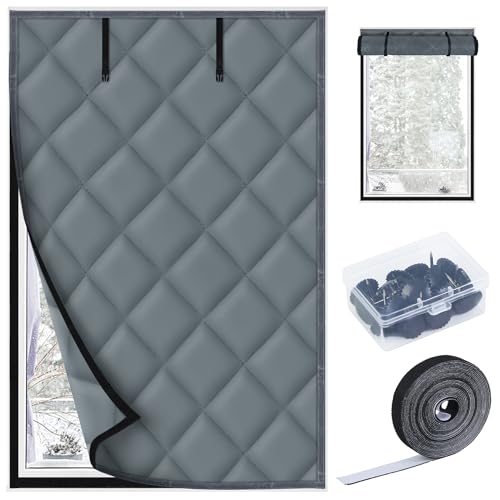
- Multi-layer fabric window blankets: These thick insulating covers feature dense cotton or fleece padding inside durable Oxford cloth shells. They fasten directly to window casings with hook-and-loop tape, and many styles include roll-up straps so you can still open the window for fresh air on mild afternoons.
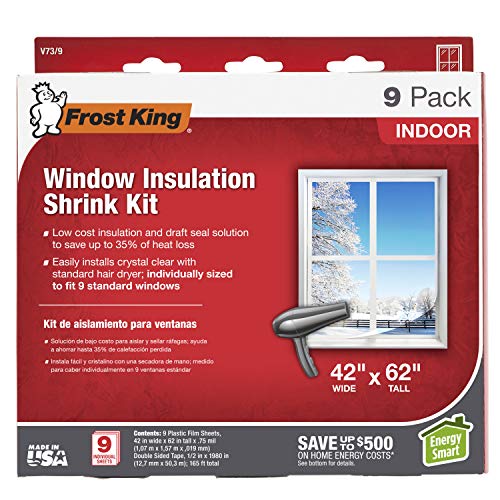
- Clear plastic shrink-film kits: These transparent sheets attach to the outer molding with double-sided tape and shrink tight when warmed with a hairdryer. They form an airtight seal that stops moving air completely while letting natural daylight fill the room.
- Weighted under-door draft stoppers: Filled with dense materials like glass beads or sand, these weighted fabric tubes press firmly against the threshold to block drafts under interior and exterior doors.
- Magnetic thermal doorway curtains: Designed for high-traffic doorways connecting to unheated spaces, these insulated panels close automatically behind you with built-in magnets.
Before purchasing any insulation kit or draft stopper, measure your spaces carefully to ensure a proper fit. Measure the entire window casing from the outside edges of the wooden trim, not just the glass pane. Most thermal blankets and shrink films attach to the flat face of the molding, requiring several extra inches of width and height beyond the glass itself. For doors, measure the width of the door slab and check the height of the gap between the bottom of the door and the floor. Choose a draft stopper tall enough to seal the space securely without jamming when the door swings open. Finally, consider your rental rules. Look for products that rely on non-damaging adhesive strips or removable hook-and-loop fasteners rather than nails or pushpins that could leave holes in landlord-owned woodwork.

- BWP Score9.6
BWP Score is a ranking system developed by Bestwinterproducts.com. BWP score has no relationship or impact from any manufacturers or sales agent websites. Learn more
- BrandFanfanwin
- BWP Score9.6
BWP Score is a ranking system developed by Bestwinterproducts.com. BWP score has no relationship or impact from any manufacturers or sales agent websites. Learn more
- BrandMqiielle

- BWP Score9.0
BWP Score is a ranking system developed by Bestwinterproducts.com. BWP score has no relationship or impact from any manufacturers or sales agent websites. Learn more
- BrandNABOWAN

- BWP Score9.0
BWP Score is a ranking system developed by Bestwinterproducts.com. BWP score has no relationship or impact from any manufacturers or sales agent websites. Learn more
- Brandaugblinds

- BWP Score9.0
BWP Score is a ranking system developed by Bestwinterproducts.com. BWP score has no relationship or impact from any manufacturers or sales agent websites. Learn more
- BrandAEOCOO

- BWP Score9.0
BWP Score is a ranking system developed by Bestwinterproducts.com. BWP score has no relationship or impact from any manufacturers or sales agent websites. Learn more
- BrandNNG

- BWP Score9.0
BWP Score is a ranking system developed by Bestwinterproducts.com. BWP score has no relationship or impact from any manufacturers or sales agent websites. Learn more
- BrandZCPTZ

- BWP Score9.0
BWP Score is a ranking system developed by Bestwinterproducts.com. BWP score has no relationship or impact from any manufacturers or sales agent websites. Learn more
- BrandGeneric
- BWP Score8.6
BWP Score is a ranking system developed by Bestwinterproducts.com. BWP score has no relationship or impact from any manufacturers or sales agent websites. Learn more
- BrandFrost King

- BWP Score8.2
BWP Score is a ranking system developed by Bestwinterproducts.com. BWP score has no relationship or impact from any manufacturers or sales agent websites. Learn more
- Brandgulrear
Last update on 2026-10-02 / Affiliate links / Images, Product Titles, and Product Highlights from Amazon Product Advertising API
FAQs
Why is one room in my home always colder than the others?
A single cold room usually suffers from air leaks around older window sashes, missing insulation in exterior walls, or a heating duct that sits farthest from the central furnace. Rooms located over unheated garages, crawlspaces, or those with high ceilings also lose heat faster than interior rooms. Blocked warm air vents, closed balancing dampers in ductwork, and loose door thresholds can also choke off warm airflow to that specific space.
Can I use bubble wrap to insulate my bedroom windows?
Bubble wrap serves as an effective, low-cost insulating cover on cold window glass. Spray a light mist of clean water directly onto the glass pane, then press the flat side of the bubble wrap against the wet window. The water creates natural surface tension that holds the plastic securely in place without tape or glue. While it blurs your view to the outside, the trapped air pockets inside the bubbles slow down heat loss through the pane.
Is it safe to leave a portable space heater running all night?
Leaving an electric space heater running while sleeping is generally unsafe unless the unit includes modern automatic safety shut-offs for tipping over and overheating. Always keep a clear space of at least 3 feet around all sides of the heater, away from bedding, curtains, and furniture. Plug the heater directly into a wall outlet rather than an extension cord or power strip, which can overheat and pose a severe fire hazard. For continuous nighttime warmth, sealing window air leaks and layering heavy blankets is always the safer choice.


Best Warm Winter Scarves 2026 For Cozy Comfort

Best Green Ski Goggles 2026 For Clear Vision On Slopes

12 Best Corner Electric Fireplace 2026: My Ultimate Guide To Pick One

Best Battery Powered Snow Blower 2026 For Effortless Snow Clearing

Best Ski Goggles Under 30 Inches For Crisp Vision And Comfort

Best Cooling Scarf 2026 For Instant Relief And Comfort

Fake Snow for Grass: Create a Realistic Winter Lawn Display

Dimplex Prism Wall Mount Fireplace: Sleek Heat With Modern Flame Style





