
How to Keep Skin Hydrated in the Winter and Stop Flaking

Stepping out of a morning shower, someone feels their legs turn tight, chalky, and itchy the second the bathroom door opens. The quickest solution is to seal moisture into damp skin within three minutes using a thick, fragrance-free cream before that surface water evaporates. Waiting even ten minutes allows dry indoor air to pull that fresh hydration away, leaving the skin feeling stiff and scratchy.
What works best depends on how damaged the skin barrier is, since raw, cracked knuckles need a heavy ointment rather than a regular pump lotion. Daily shower habits and heating systems also shift the balance, because scalding water and forced-air vents strip natural body oils faster than standard creams can replace them. Making a few gentle shifts in how you wash and moisturize will restore soft, calm skin throughout the coldest months.
Why does winter weather pull so much moisture from skin?
Outdoor winter air holds far less moisture than warm summer air. When temperatures drop below freezing, the atmosphere cannot hold onto water vapor, leaving outdoor air sharp, crisp, and dry. Stepping indoors brings another challenge. Forced-air furnaces, baseboard heaters, and wood stoves blow dry heat through your home, pulling out whatever humidity remains.
Your skin sits between these two drying forces. The outer layer of skin, called the stratum corneum, functions like a brick wall. Skin cells are the bricks, and natural fats act as the mortar holding them together. In harsh weather, dry air pulls moisture straight out of this layer. This process is called transepidermal water loss (moisture evaporating into dry air).
When water evaporates faster than your body replaces it, that cellular mortar begins to break down. Microscopic gaps open between skin cells, allowing internal water to escape. Without enough surface oil to block dry air, your skin becomes tight and rough. That is why your face feels tight right after washing, and why your shins and arms itch by midday.
How does the three-minute bathing rule trap water?
Stepping into a steaming hot shower after being out in the cold feels comforting, but hot water is one of the quickest ways to strip dry winter skin. High water temperatures dissolve your skin's natural protective sebum (the body's built-in oil shield). Hot water also disrupts your outer skin layer, letting moisture rinse down the drain. Once you step out, whatever water remains on your skin evaporates quickly into cool bathroom air.
To stop this rapid drying, build your daily bathing routine around the three-minute rule:
- Turn the shower faucet down until the water is lukewarm, and limit your washing time to ten minutes or less.
- Use a mild, fragrance-free cleanser only where needed, such as your underarms, groin, and feet, leaving arms and legs alone to protect their natural oils.
- Step out of the tub and gently pat your body with a clean cotton towel, leaving skin damp rather than rubbing it dry.
- Smooth on your moisturizing cream or barrier balm within three minutes of turning off the tap.
Applying moisturizer while skin is still damp creates a physical seal. The cream traps surface water against your skin cells before dry bathroom air can steal it away. If you wait ten or fifteen minutes until your skin feels completely dry, that moisture vanishes before you can seal it in.
Should you switch from light lotion to thick cream?
The light, watery lotion that kept your skin smooth during summer rarely holds up against freezing weather. Standard pump lotions usually contain high amounts of water and minimal oil. When you rub thin lotion onto parched winter skin, that added water quickly evaporates into heated indoor air, leaving your skin tight again within minutes.
Cold months call for richer formulas that physically reinforce your outer barrier. Moisturizing creams and ointments usually come in tubs or tubes because higher oil content makes them too thick for a pump. When choosing a winter moisturizer, look for three essential types of ingredients:
First, look for humectants (sponge-like ingredients that pull water into the skin), such as glycerin and hyaluronic acid. These attract moisture from the surrounding environment and bind it to the surface of your skin.
Second, look for ceramides (natural fats that glue skin cells together). When cold winds break down your barrier, topical ceramides fill the microscopic cracks between your cells to stop water leakage.
Third, check for occlusives (protective shields that stop water from evaporating), such as petrolatum, shea butter, squalane, or dimethicone. These ingredients form a physical blanket over your skin that locks in the humectants beneath.
If you are prone to clogged pores, a lighter ceramide lotion can work on your face during the day. But for your body, arms, and legs, a dense cream that stays put on your fingertips will deliver far better protection against flaking.
What indoor habits protect skin from dry furnace air?
Applying moisturizer treats your skin directly, but your indoor environment plays a huge role in how hydrated you stay. When your furnace runs day and night, indoor humidity levels often drop below twenty percent. A few practical adjustments around the house keep that parched indoor air from leaching moisture from your body:
- Run a clean cool-mist humidifier in your bedroom while you sleep, keeping indoor humidity between thirty and fifty percent so your skin does not dry out overnight.
- Move your bed, desk, and favorite chairs at least three feet away from heating vents and space heaters. If you want to stay comfortable without blasting dry heat all day, learn how to keep warm in winter in the house through smart draft prevention and layered warmth.
- Switch to gentle, fragrance-free laundry detergents and skip fabric softener sheets, which leave chemical coatings that irritate dry skin.
- Wear a smooth cotton base layer under scratchy wool sweaters or heavy knits, avoiding direct friction that triggers severe scratching cycles.
- Keep a tube of rich hand cream next to every sink so you can rehydrate your skin every single time you wash your hands.
These simple adjustments take pressure off your skin barrier, allowing your daily moisturizer to do its job without fighting dry air every hour.
How do you fix cracked knuckles, lips, and windburn?
Certain areas of your body endure far more stress in winter than others. Your hands have fewer oil glands than your chest or back, and frequent handwashing strips away whatever natural sebum they produce. Your lips have almost no oil glands at all and lack the protective outer skin layer found across the rest of your body.
When your knuckles become raw, cracked, or bleed, regular lotion will often sting without healing the wound. You need an intensive barrier repair routine. Before bed, wash your hands in lukewarm water, leave them damp, apply a ceramide cream, and coat the cracked joints with a thick barrier ointment (like petroleum jelly). Pull on a pair of clean, breathable cotton gloves and leave them on while you sleep. This method seals the cracks and speeds up skin healing overnight.
For chapped lips, stop licking them immediately. Saliva contains digestive enzymes that eat away at delicate lip skin, and evaporating saliva leaves lips drier than before. Apply a pure petrolatum-based ointment throughout the day and apply a generous coat right before sleep.
When spending time outdoors, freezing gusts can strip moisture in minutes and cause painful windburn. Knowing how to keep face warm in winter by wearing a fleece neck warmer or balaclava creates a physical barrier against the wind. Before stepping into freezing air, dab a thin layer of barrier ointment over your cheekbones, nose bridge, and chin to shield delicate facial skin from the biting chill.
What skin warning signs need a doctor visit?
Most winter skin dryness resolves with lukewarm showers, humidifiers, and thick ceramide creams. However, deep fissures can allow environmental bacteria or fungi to enter your skin, turning simple dryness into a serious health concern. You should watch for clear signs that your dry skin needs evaluation by a doctor or board-certified dermatologist:
- Deep fissures or cracks on your hands, feet, or lips that bleed persistently and show no signs of improvement after a full week of consistent barrier ointment use.
- Skin that becomes hot to the touch, noticeably swollen, or develops spreading red borders.
- Cracks that ooze clear fluid, weep, or form honey-colored crusts and yellow pus, which indicate a bacterial infection like impetigo or cellulitis.
- Severe itching that disrupts your sleep, affects your daily routine, or leaves you with raw, scratched skin open to infection.
- Flaring patches of eczema or psoriasis that burn intensely whenever you apply plain, fragrance-free moisturizers.
If you see red streaks traveling up your arm or leg from a cracked skin fissure, or if your skin irritation comes with a fever or chills, seek medical care right away. Those symptoms point to an infection that requires prescription antibiotics rather than over-the-counter creams.
What should you look for in winter skin products?
Restoring dry winter skin does not require an expensive ten-step routine, but selecting the right formulation makes a noticeable difference. When shopping for winter skin care, prioritize products created specifically to repair and maintain your skin's protective barrier.
Start by evaluating the packaging and texture. Creams and ointments packaged in jars or heavy squeeze tubes usually contain higher ratios of protective oils and skin-repairing fats compared to thin pump lotions. Check the front label for the words fragrance-free rather than unscented. Fragrance-free products contain no added perfume chemicals, whereas unscented formulas often rely on masking fragrances that can sting sensitized, raw skin.
Next, scan the ingredients for barrier-supporting powerhouses. Formulations containing ceramides, hyaluronic acid, glycerin, and petrolatum deliver the balanced mix of water attraction and moisture locking that cold winter air demands. Steer clear of formulas that list drying alcohols, heavy artificial dyes, or aggressive exfoliating acids high on the ingredient list until your skin barrier feels completely comfortable and calm again.

- BWP Score9.6
BWP Score is a ranking system developed by Bestwinterproducts.com. BWP score has no relationship or impact from any manufacturers or sales agent websites. Learn more
- BrandCetaphil

- BWP Score9.4
BWP Score is a ranking system developed by Bestwinterproducts.com. BWP score has no relationship or impact from any manufacturers or sales agent websites. Learn more
- BrandCeraVe

- BWP Score9.4
BWP Score is a ranking system developed by Bestwinterproducts.com. BWP score has no relationship or impact from any manufacturers or sales agent websites. Learn more
- BrandCeraVe

- BWP Score9.4
BWP Score is a ranking system developed by Bestwinterproducts.com. BWP score has no relationship or impact from any manufacturers or sales agent websites. Learn more
- BrandCeraVe
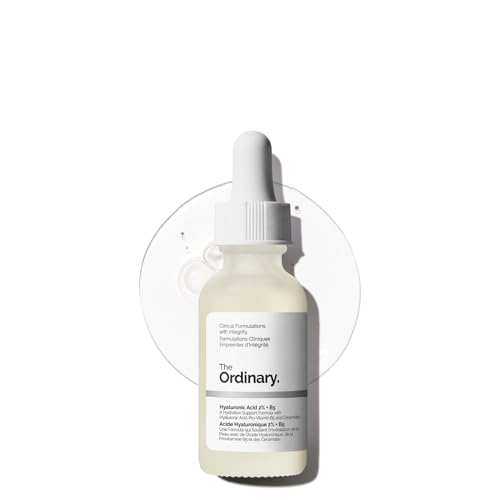
- BWP Score9.4
BWP Score is a ranking system developed by Bestwinterproducts.com. BWP score has no relationship or impact from any manufacturers or sales agent websites. Learn more
- BrandThe Ordinary
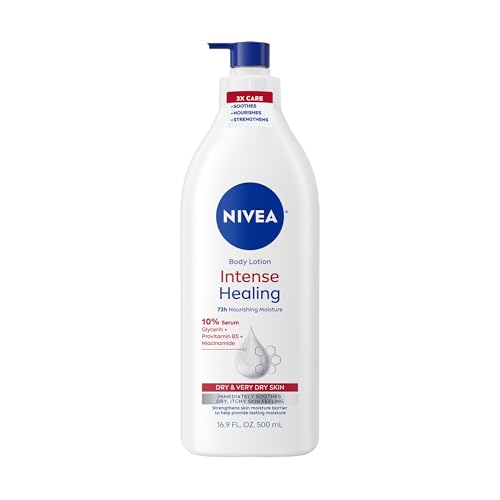
- BWP Score9.4
BWP Score is a ranking system developed by Bestwinterproducts.com. BWP score has no relationship or impact from any manufacturers or sales agent websites. Learn more
- BrandNIVEA

- BWP Score9.4
BWP Score is a ranking system developed by Bestwinterproducts.com. BWP score has no relationship or impact from any manufacturers or sales agent websites. Learn more
- BrandGood Molecules

- BWP Score9.4
BWP Score is a ranking system developed by Bestwinterproducts.com. BWP score has no relationship or impact from any manufacturers or sales agent websites. Learn more
- Brande.l.f.

- BWP Score9.2
BWP Score is a ranking system developed by Bestwinterproducts.com. BWP score has no relationship or impact from any manufacturers or sales agent websites. Learn more
- BrandLa Roche-Posay

- BWP Score9.2
BWP Score is a ranking system developed by Bestwinterproducts.com. BWP score has no relationship or impact from any manufacturers or sales agent websites. Learn more
- BrandThe Ordinary

- BWP Score9.0
BWP Score is a ranking system developed by Bestwinterproducts.com. BWP score has no relationship or impact from any manufacturers or sales agent websites. Learn more
- Brandmedicube

- BWP Score8.0
BWP Score is a ranking system developed by Bestwinterproducts.com. BWP score has no relationship or impact from any manufacturers or sales agent websites. Learn more
- BrandWarm Skin
Last update on 2026-10-02 / Affiliate links / Images, Product Titles, and Product Highlights from Amazon Product Advertising API
FAQs
Does drinking extra water stop winter skin flaking?
Drinking plenty of water is essential for your general health, but drinking extra water will not stop winter skin from flaking. Winter flaking happens because low humidity and freezing winds strip moisture and natural oils from your outer skin surface, not because your internal organs lack hydration. Unless you are clinically dehydrated, water you drink will not reach the outer dead skin layer in amounts that overcome dry air. You must use topical creams and barrier ointments to physically seal moisture onto your skin.
Can you still exfoliate dry skin during the winter?
You should pause harsh physical scrubs and strong chemical peeling acids while your skin is dry, irritated, or flaking. Scrubbing flaking skin rips away healthy cells before they are ready to shed, weakening your skin barrier and worsening redness. Instead, focus entirely on repairing your barrier with rich creams for several days until tightness disappears. Once your skin feels calm, you can gently remove loose flakes once a week using a soft, damp washcloth, followed immediately by moisturizer.
Why does skin itch so much more at night?
Skin naturally loses more water while you sleep because your body temperature rises slightly and blood vessels dilate overnight. Indoor heating also cycles constantly through the night, driving bedroom humidity down to its lowest levels. Without daytime tasks to distract your brain, your nervous system registers itch signals much more intensely. Running a bedroom humidifier and applying a thick ceramide cream right before climbing into bed will help keep nighttime itching under control.
Is petroleum jelly safe to use on your face?
Pure petroleum jelly is non-comedogenic, meaning its molecular size is too large to sink into or clog your facial pores. It sits on top of your skin as an inert barrier shield that prevents moisture from evaporating into dry winter air. Using a thin layer over your regular face cream works well to heal raw windburn or parched patches around your nose and cheeks. But if you have oily skin or active acne, you may prefer reserving heavy ointments for your lips, hands, and dry body spots.


Best Warm Winter Scarves 2026 For Cozy Comfort

Best Green Ski Goggles 2026 For Clear Vision On Slopes

12 Best Corner Electric Fireplace 2026: My Ultimate Guide To Pick One

Best Battery Powered Snow Blower 2026 For Effortless Snow Clearing

Best Ski Goggles Under 30 Inches For Crisp Vision And Comfort

Best Cooling Scarf 2026 For Instant Relief And Comfort

Fake Snow for Grass: Create a Realistic Winter Lawn Display

Dimplex Prism Wall Mount Fireplace: Sleek Heat With Modern Flame Style





