
How to Keep Your Skin Moisturized in the Winter

Stepping out of a warm bathroom often brings an immediate tightness across the legs and a sharp sting around dry knuckles. The easiest fix is to seal moisture into damp skin with a thick cream or ointment within three minutes of washing. Rich creams create a protective shield, stopping bathwater from evaporating into crisp winds or radiator-heated rooms before your skin can drink it in.
The exact routine depends on where you feel the burn and how your home is heated. Cracked hands and chapped lips need heavy, waxy ointments, while the face benefits from softer barrier creams. Long, steaming showers and harsh foaming soaps also strip natural skin oils far faster than forced-air heaters do. Understanding why your skin dries out makes it simple to adjust your daily habits and keep your body comfortable all season long.
Why Cold Outdoor Air and Indoor Radiators Strip Skin Moisture
Winter air creates a double challenge for your body. Outside, cold air cannot hold much moisture. When temperatures drop, outdoor humidity plunges. Then you step inside, where forced-air furnaces, electric baseboard units, or steam radiators blast dry heat. While that indoor warmth feels comfortable, it warms up already dry air, dropping indoor humidity levels down to ten or fifteen percent. That is drier than the air in many deserts.
Your skin acts like a sponge. Leaving a wet sponge in a dry room makes the air pull water out until the sponge turns stiff. The exact same thing happens to your skin in winter. Dry indoor and outdoor air constantly draws water up through your skin layers. In plain terms, this is moisture escaping into dry air.
Your skin normally defends itself with a protective barrier. Think of skin cells like bricks in a wall, and natural skin fats that hold cells tight (ceramides) as the mortar between them. When that fatty mortar is intact, water stays locked inside your body, and irritants stay out. Your skin feels soft, smooth, and flexible.
Winter weather erodes that mortar from two directions. Freezing wind chills strip away surface lipids whenever you step outside without protective layers. At the same time, dry indoor heat evaporates the water that plumps up your skin cells. When the cells shrink and the fats dry out, tiny cracks open across your skin. That is why your skin feels tight, looks chalky, and starts to itch.
Many people reach for their everyday pump lotion when itching starts, only to find it stops working after twenty minutes. Most light pump lotions contain high amounts of water, alcohol thinners, and very little oil. In humid summer months, that thin formula feels fine. But in dry winter air, the water in that thin lotion simply evaporates into the room. Without a heavy layer that seals water in, a watery lotion leaves your skin just as dry and vulnerable as before.
The Three-Minute Rule: How to Seal In Hydration on Damp Skin
A common winter mistake is stepping out of a shower, drying off completely with a towel, and waiting until later to apply lotion. By the time you leave the bathroom, dry air has already pulled water off your body. The secret to keeping skin comfortable is trapping moisture before it can vanish, using the three-minute rule.
Hot water quickly strips your skin barrier. While a steaming shower feels great after being out in the cold, hot water melts away natural skin oils just like hot water cleans grease off a dirty pan. If your skin feels numb from the outdoor cold, never blast it with hot water, which can damage delicate tissue. Rewarm your skin gently using comfortable, lukewarm water instead.
Once you turn off the faucet, a three-minute countdown begins. The bathroom is filled with warm steam, and your skin is saturated with water. If you apply a rich moisturizer within three minutes of shutting off the tap, you trap that hydration beneath a protective shield. Follow these four steps every time you bathe:
- Turn off the shower and pat your skin lightly with a clean towel. Leave your arms, legs, and chest slightly damp with a visible sheen of water droplets. Never rub your skin roughly, because friction scratches tender skin and wipes away the hydration you want to trap.
- Open your tub of moisturizer immediately while you are still standing in the warm bathroom. Do not wait until you walk into a cooler bedroom or get fully dressed.
- Smooth a generous scoop of cream over your damp skin using downward strokes. Applying the cream over damp skin locks that surface water against your cells before it can evaporate into the dry air.
- Give the cream two minutes to absorb and form its protective seal before pulling on your clothes.
To make this routine work, your daily bathroom habits need a winter tune-up:
- Keep daily showers between five and ten minutes to prevent water from over-soaking and weakening your outer skin layer.
- Lower the water temperature until it feels comfortably lukewarm rather than steaming hot on your shoulders.
- Keep the bathroom door closed while bathing so warm steam stays trapped inside the room while you moisturize.
- Swap harsh deodorizing bar soaps and heavily perfumed body washes for gentle, fragrance-free cleansers that do not strip natural oils.
- Lather soap only where dirt and odor collect, such as your underarms and groin, while letting plain warm water rinse your drier arms and legs.
- Store your cream container right by the shower so you never have to search through cabinets while your skin dries out.
Choosing Between Lotions, Creams, and Ointments for Raw Spots
Not all moisturizers do the same job. Browsing the skincare aisle, you will see thin pump bottles, tubs of cream, and tubes of thick ointment. Picking the right texture for each body part makes the difference between lasting relief and constant scratching.
Pump lotions have high water content and low oil content. They flow easily because they are thin. While they absorb fast, that water evaporates into dry winter air within minutes, lacking the rich fats needed to rebuild a damaged barrier.
Creams are thicker formulas sold in wide jars or tubs. They balance water with rich oils, creating a dense texture that does not run when scooped. A rich cream replenishes natural skin fats that hold cells tight (ceramides) and leaves a lasting film that locks in moisture for hours. Rich creams are the best daily choice for your arms, legs, chest, and torso.
Ointments are heavy, petroleum-based formulas that contain little to no water. A thick barrier ointment (like petroleum jelly) sits directly on the skin like a protective wrap. It acts as a tight shield that stops moisture escaping into dry air completely. While too greasy for full-body daily wear, ointments are the best tool for healing cracked knuckles, bleeding fingertips, chapped lips, and split heels.
Different parts of your body need different care:
Your face takes the direct brunt of winter winds. Use a gentle, fragrance-free cream morning and night. When walking outdoors in severe wind chill, shielding bare skin is vital; you can explore simple steps on how to keep face warm in winter by wrapping up with a soft thermal neck gaiter or scarf to prevent windburn.
Your arms and legs have fewer oil glands and dry out fastest. Coat them in a rich moisturizing cream twice a day, especially right after bathing.
Hands and feet take the hardest punishment. Frequent handwashing and cold winds strip hand oils fast, while feet take constant pounding inside stiff winter boots. If you struggle with cracked heels or cold toes, checking how to keep feet warm during winter helps keep circulation steady while preventing painful cracks from splitting.
When knuckles split, fingertips peel, or heels crack until they sting, standard creams are not enough. Use this overnight repair method:
- Soak your cracked hands or feet in lukewarm water for five minutes, then pat them so the skin stays slightly damp.
- Apply a thin layer of cream containing an ingredient that draws water into skin (such as glycerin) to deliver hydration into the raw fissures.
- Cover the cracked area with a generous layer of thick barrier ointment or petroleum jelly, working it directly into the splits.
- Slip on a pair of clean 100-percent white cotton gloves or soft cotton socks. The cotton holds the ointment against your skin all night without rubbing off onto your sheets.
- Sleep with the cotton covers on, and rinse your hands or feet gently with lukewarm water in the morning. Repeat this nightly for three or four days until the painful splits fully close.
What to Look for in Winter Skin Protectants and Barrier Creams
During cold snaps, you need formulas designed to physically block moisture loss rather than light summer refreshers. When shopping for winter skin products, skip tall pump bottles and choose wide-mouth tubs or squeeze tubes. If you tip a container sideways and the product runs out, it is too thin to hold up against biting winds and indoor heat.
Look at the ingredient label to ensure the product performs three key jobs:
First, look for an ingredient that draws water into skin, commonly known as a humectant. Examples include glycerin and hyaluronic acid. These moisture magnets pull water from deeper skin layers and hold it near the surface.
Second, look for ingredients that repair your natural barrier. Seek formulas that supply natural skin fats that hold cells tight, labeled as ceramides, along with nourishing plant butters like shea butter. These fatty compounds slip into tiny cracks between skin cells, rebuilding the protective mortar that dry air strips away.
Third, make sure the formula includes a heavy layer that seals water in. Ingredients like petrolatum, dimethicone, or mineral oil form a physical seal over your skin. This barrier keeps cold air out and stops surface hydration from evaporating into dry rooms.
Equally important is knowing what to leave on the shelf. Avoid products with synthetic perfumes, heavy fragrances, or drying alcohols. Fragrance is the leading cause of burning and stinging on raw winter skin. If a lotion smells strongly of flowers or holiday spice, keep it away from sensitive, itchy patches. Simple, fragrance-free creams and ointments provide the gentlest, most reliable relief.
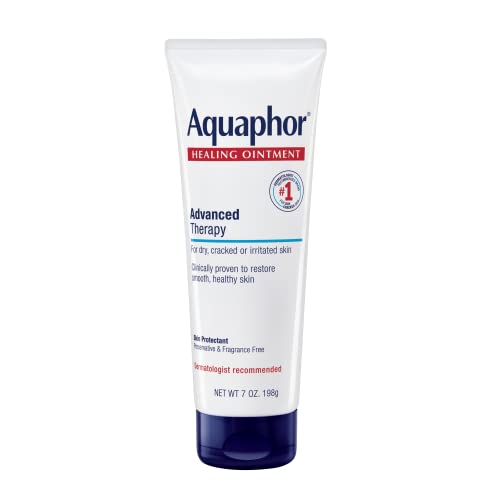
- BWP Score9.6
BWP Score is a ranking system developed by Bestwinterproducts.com. BWP score has no relationship or impact from any manufacturers or sales agent websites. Learn more
- BrandAquaphor

- BWP Score9.6
BWP Score is a ranking system developed by Bestwinterproducts.com. BWP score has no relationship or impact from any manufacturers or sales agent websites. Learn more
- BrandCetaphil

- BWP Score9.6
BWP Score is a ranking system developed by Bestwinterproducts.com. BWP score has no relationship or impact from any manufacturers or sales agent websites. Learn more
- BrandPalmer's

- BWP Score9.6
BWP Score is a ranking system developed by Bestwinterproducts.com. BWP score has no relationship or impact from any manufacturers or sales agent websites. Learn more
- BrandAquaphor

- BWP Score9.4
BWP Score is a ranking system developed by Bestwinterproducts.com. BWP score has no relationship or impact from any manufacturers or sales agent websites. Learn more
- BrandCeraVe

- BWP Score9.4
BWP Score is a ranking system developed by Bestwinterproducts.com. BWP score has no relationship or impact from any manufacturers or sales agent websites. Learn more
- BrandCeraVe

- BWP Score9.4
BWP Score is a ranking system developed by Bestwinterproducts.com. BWP score has no relationship or impact from any manufacturers or sales agent websites. Learn more
- Brandeos

- BWP Score9.4
BWP Score is a ranking system developed by Bestwinterproducts.com. BWP score has no relationship or impact from any manufacturers or sales agent websites. Learn more
- BrandCeraVe

- BWP Score9.2
BWP Score is a ranking system developed by Bestwinterproducts.com. BWP score has no relationship or impact from any manufacturers or sales agent websites. Learn more
- BrandThe Ordinary

- BWP Score9.0
BWP Score is a ranking system developed by Bestwinterproducts.com. BWP score has no relationship or impact from any manufacturers or sales agent websites. Learn more
- BrandBio-Oil

- BWP Score8.0
BWP Score is a ranking system developed by Bestwinterproducts.com. BWP score has no relationship or impact from any manufacturers or sales agent websites. Learn more
- BrandWarm Skin
Last update on 2026-10-02 / Affiliate links / Images, Product Titles, and Product Highlights from Amazon Product Advertising API
FAQs
Why does my skin itch more at night during the winter?
Your skin naturally loses more water overnight because body temperature rises slightly while you sleep, which speeds up surface evaporation. At the same time, central heating systems run through the night, driving bedroom humidity down to very dry levels. The dry air pulls water from your skin, and the friction of turning against dry bedding irritates sensitive nerve endings. Applying a rich cream right before bed and running a small cool-mist humidifier in your room helps stop the nightly itch.
Can drinking extra water cure dry winter skin?
Drinking water is important for your general health, but drinking extra glasses will not cure dry winter skin on its own. Cold-weather skin dryness is an outside problem caused by dry outdoor air, indoor heating, and hot water stripping away your surface lipids. Even if your body is hydrated, that water evaporates through your skin barrier into dry room air unless you seal it in. You must trap that moisture from the outside using a rich cream or thick barrier ointment.
When should I see a doctor for dry or cracked winter skin?
You should contact a doctor or dermatologist if your skin shows signs of infection, such as deep cracks that bleed continuously, yellow crusts, swelling, or pus. You should also seek medical care if your skin is intensely red, painful to touch, or so itchy that it keeps you awake at night despite using thick ointments for two weeks. In those situations, you may be dealing with severe eczema or a skin infection that requires prescription soothing care to heal properly.


Best Warm Winter Scarves 2026 For Cozy Comfort

Best Green Ski Goggles 2026 For Clear Vision On Slopes

12 Best Corner Electric Fireplace 2026: My Ultimate Guide To Pick One

Best Battery Powered Snow Blower 2026 For Effortless Snow Clearing

Best Ski Goggles Under 30 Inches For Crisp Vision And Comfort

Best Cooling Scarf 2026 For Instant Relief And Comfort

Fake Snow for Grass: Create a Realistic Winter Lawn Display

Dimplex Prism Wall Mount Fireplace: Sleek Heat With Modern Flame Style





