
How to Keep Your House Warm and Stop Drafts in Winter

The fastest way to hold heat inside any room is to block cold drafts at windows and doors before touching the thermostat. Where that outdoor chill sneaks in determines which fix will make the biggest difference. Pushing the heat setting higher rarely works when warm air constantly escapes through thin glass, unsealed thresholds, and tiny gaps around frames. Sealing those leaks traps natural heat inside and keeps living spaces cozy all day long.
Renters often rely on temporary plastic window film and foam tape that peels off cleanly, while homeowners can tackle permanent door sweeps and fresh caulking. Your heat source also changes the plan, because a couch parked over a warm air vent wastes heat that radiators or baseboards distribute differently. Finding those problem spots first will help you trap the heat you pay for so every room stays warm through the coldest stretch of the season.
Find Hidden Air Leaks Before Touching The Thermostat
Cranking your thermostat when rooms feel chilly rarely solves the problem. When cold air enters through unsealed gaps, your furnace works overtime just to replace warm air that escapes outside. You end up paying steep heating bills while living spaces remain drafty.
Finding the source of those leaks takes ten minutes on a cold or windy afternoon. Walk through your home and inspect these primary trouble spots:
- Window frames and sashes: Run the back of your hand along the seams where glass meets wood and where trim meets drywall. Hold a thin slip of tissue paper or an incense stick near joints to see if moving air wafts it.
- Exterior door frames and thresholds: Look for slivers of daylight around closed doors. Cold air often rushes across the floor beneath the door slab where the threshold has worn down.
- Electrical outlets on outer walls: Exterior wall cavities often lack adequate insulation around electrical boxes. Place your palm flat against switch and outlet plates to feel if cold air is seeping through the openings.
- Baseboards along outside walls: Small gaps between floorboards and baseboard trim allow cold crawlspace or basement air to slip directly into living rooms.
- Attic access hatches: Warm air naturally rises. An unsealed attic hatch acts like an open chimney, letting your most expensive heated air escape straight into the roof space.
- Plumbing cutouts under sinks: Look inside kitchen and bathroom cabinets where water pipes enter through exterior walls. Oversized drywall cutouts let cold wall cavity air blow freely into the room.
Seal Window And Door Gaps In Five Steps
Once you locate the drafts, you can seal the worst offenders in an afternoon. You do not need special tools or carpentry skills to create a dependable barrier against the cold.
- Clean and dry all mounting surfaces: Wipe down window trim and door jambs with a damp cloth and rubbing alcohol. Adhesive cannot stick to dusty surfaces, so a clean frame keeps seals in place all winter.
- Apply stick-on foam weatherstripping to door jambs: Foam gap tape comes in rolls with peel-off backing. Cut the foam tape with scissors and press it firmly along the inside door stop. The foam compresses when the door latches, blocking air from whistling past the frame.
- Slide an under-door draft stopper under exterior doors: A fabric draft blocker or slide-on door sweep fills the gap between the bottom of the door and the threshold. If you rent, a slide-on twin draft guard hugs both sides of the door slab without screws.
- Cover drafty windows with clear plastic window wrap: A shrink-wrap window insulation kit creates an airtight pocket over single-pane glass. Stick double-sided tape along the outer casing, press the clear plastic window film onto the tape, and trim the excess. Warm the film evenly with a standard hair dryer on medium heat until the wrinkles pull tight. This trapped air pocket acts like a second pane of glass.
- Hang an insulated fabric blanket or thermal curtain: Mount heavy curtains so they extend at least three inches past the window frame on each side and drop to the sill. Fastening the sides close to the wall prevents cold air from spilling into the room.
Use Sunlight And Ceiling Fans To Trap Free Heat
Sealing leaks stops heat from escaping, but you also need to manage how warmth moves through your home. Sunlight and basic airflow adjustments provide free warmth that takes pressure off your furnace.
The sun delivers substantial radiant warmth even in freezing weather. Open blinds and curtains on south-facing and west-facing windows by mid-morning so direct sunlight can warm your floors and furniture. As soon as the sun dips in late afternoon, close thick curtains immediately to trap that stored warmth inside. Leaving glass uncovered after dark allows radiant heat to escape back outside.
Ceiling fans can also keep rooms warmer when set correctly. Warm air rises because it is lighter than cold air, leaving your floor colder. Look on your ceiling fan motor housing for a small directional toggle switch. Turn the fan off, flip the switch, and run the fan on low. In winter, blades should rotate clockwise. This clockwise motion gently pulls cool floor air upward and pushes trapped warm air down the walls without creating a chilly breeze.
Closing off unused rooms focuses heat where you spend time. If you have an empty guest room or storage space, close the interior door to keep warm air in living areas. In homes with forced-air heating, keep the warm air vent slightly open rather than snapping it shut. Shutting vents completely creates unbalanced duct pressure that strains your furnace blower motor. While your home holds onto that heat, pairing house adjustments with practical habits to keep warm in winter in the house keeps you comfortable without constant furnace adjustments.
Clear Vents And Filters To Keep Warm Air Flowing
Your heating equipment cannot warm your living space efficiently if airflow is blocked or filters are dirty. A few simple maintenance checks keep your heating system running smoothly without calling a technician.
- Inspect and swap furnace filters: Check your central heating filter monthly in winter and replace it every 30 to 90 days. A filter coated in dust restricts airflow, forcing the system to run longer to reach your target temperature. Severe clogs can even cause the furnace to overheat and cut out.
- Move furniture away from warm air vents: Verify that sofas, bookcases, toy chests, and long drapes sit at least 12 inches away from supply registers. When furniture covers a vent, it traps heated air beneath the piece instead of circulating it into the room.
- Keep return air grilles completely uncovered: Central heating systems rely on return grilles to pull cool room air back to the furnace for reheating. Blocking return grilles with heavy dressers or storage boxes starves the blower fan and creates uneven temperatures.
- Bleed trapped air out of hot water radiators: If you have radiators, touch them carefully while the heat runs. If the bottom feels hot while the top stays cold, trapped air bubbles are preventing hot water from circulating. Insert a radiator key into the bleed valve near the top, turn it counterclockwise until you hear a quiet hiss, and close it when a drop of water appears.
- Follow clearance rules for portable heaters: If you run an electric space heater in a chilly bedroom, keep it at least 3 feet away from bedding, curtains, and furniture. Always plug the heater directly into a wall outlet rather than an extension cord or power strip, which can overheat.
If your furnace makes loud clanking sounds, blows cool air while running constantly, or shows a yellow burner flame instead of a clean blue flame, shut off the thermostat and call a licensed heating technician.
Block Cold Stairwells And Closed Rooms From Living Areas
Certain areas of a house act like cold sponges, absorbing room heat and pulling freezing air upward into your main living quarters. Open basement stairwells, unheated mudrooms, and drafty attached garages are the most common culprits.
Cold air is heavier than warm air, so basements naturally sit at colder temperatures. When warm air escapes through attic leaks, it creates suction that pulls cold basement air up through open stairwells and unsealed floor gaps. This chimney effect leaves ground-floor rooms noticeably chilly. Frigid floors are the main reason people struggle with cold feet indoors. Understanding how to keep feet warm during winter helps, but physically blocking basement air drafts stops the chill at the source.
Comparing methods to isolate these cold zones helps you pick the right fix:
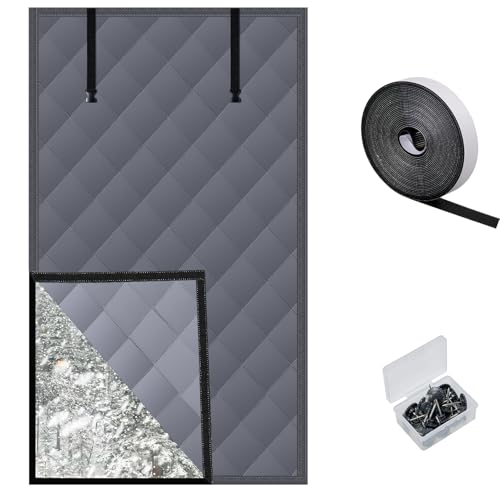
- Magnetic thermal door curtains versus standard interior doors: A hollow-core wooden door leaves perimeter gaps that let cold drafts seep through. A magnetic thermal door curtain made of thick insulated fabric blankets seals completely around the frame with adhesive hook-and-loop tape. The center seam uses strong magnets that open easily as you walk through and snap closed behind you.
- Heavy floor-length thermal curtains versus bare open arches: If you have an open archway leading to an unheated entryway or basement stairs with no door frame, mount a sturdy curtain rod at the ceiling. Hang a thick insulated fabric blanket that reaches the floor to stop cold floor drafts from rolling into your living room.
- Under-door draft stoppers versus fixed rubber sweeps: For doors leading into an unheated garage or laundry room, an under-door draft stopper that hugs both sides of the door slab offers a tool-free seal. Permanent rubber sweeps screwed into the bottom of the door provide a longer-lasting seal for high-traffic exterior doors, but they require measuring and drilling.
Pick The Right Sealing Supplies For Your Living Space
Draft-proofing your home does not require expensive remodeling or specialized contractors. Inexpensive hardware supplies create dependable air barriers that lower your heating bills and keep your family comfortable in freezing weather.
When selecting draft-proofing supplies, match the tool to the specific opening you need to seal:
- Clear plastic window film kits: These kits work best for large picture windows, older double-hung windows, and single-pane glass. Verify the roll dimensions before buying so you have enough material to cover all drafty frames, and confirm that the mounting tape uses surface-safe adhesive that will not strip paint or wood stain when removed in spring.
- Stick-on foam weatherstripping: Choose foam gap tape or dense brush weatherstripping for door frames, sliding window tracks, and attic hatches. Measure the width and depth of the gap around your closed door before purchasing to ensure the foam is thick enough to compress without forcing you to slam the door.
- Magnetic thermal door curtains: These insulated doorway covers are ideal for blocking unheated entryways, cold basement stairs, and drafty patio doors. Look for models constructed with durable, windproof outer fabric, thick interior cotton or polyester padding, and full-length magnetic closures that reseal themselves automatically.
- Reflective insulation sheets and thermal window blankets: For basement utility rooms, garage windows, or attic openings where you do not need daylight, reflective foil sheets and quilted fabric covers provide strong cold-blocking power. Check that the package includes adhesive pads or hook-and-loop fasteners for a clean installation.
Always measure your door frames, window openings, and sill gaps with a tape measure before ordering supplies. Selecting the correct size ensures an airtight seal that holds steady through the coldest winter storms.

- BWP Score10.0
BWP Score is a ranking system developed by Bestwinterproducts.com. BWP score has no relationship or impact from any manufacturers or sales agent websites. Learn more
- BrandBLOCE

- BWP Score9.2
BWP Score is a ranking system developed by Bestwinterproducts.com. BWP score has no relationship or impact from any manufacturers or sales agent websites. Learn more
- BrandElytsemoh

- BWP Score9.0
BWP Score is a ranking system developed by Bestwinterproducts.com. BWP score has no relationship or impact from any manufacturers or sales agent websites. Learn more
- BrandDuck
- BWP Score9.0
BWP Score is a ranking system developed by Bestwinterproducts.com. BWP score has no relationship or impact from any manufacturers or sales agent websites. Learn more
- BrandNNG

- BWP Score8.8
BWP Score is a ranking system developed by Bestwinterproducts.com. BWP score has no relationship or impact from any manufacturers or sales agent websites. Learn more
- BrandXFasten

- BWP Score8.8
BWP Score is a ranking system developed by Bestwinterproducts.com. BWP score has no relationship or impact from any manufacturers or sales agent websites. Learn more
- BrandDuck

- BWP Score8.8
BWP Score is a ranking system developed by Bestwinterproducts.com. BWP score has no relationship or impact from any manufacturers or sales agent websites. Learn more
- BrandUpinFun

- BWP Score8.8
BWP Score is a ranking system developed by Bestwinterproducts.com. BWP score has no relationship or impact from any manufacturers or sales agent websites. Learn more
- BrandAGHITG

- BWP Score8.6
BWP Score is a ranking system developed by Bestwinterproducts.com. BWP score has no relationship or impact from any manufacturers or sales agent websites. Learn more
- BrandTlany

- BWP Score8.4
BWP Score is a ranking system developed by Bestwinterproducts.com. BWP score has no relationship or impact from any manufacturers or sales agent websites. Learn more
- BrandN/A

- BWP Score8.0
BWP Score is a ranking system developed by Bestwinterproducts.com. BWP score has no relationship or impact from any manufacturers or sales agent websites. Learn more
- BrandMellroom
Last update on 2026-10-02 / Affiliate links / Images, Product Titles, and Product Highlights from Amazon Product Advertising API


Best Warm Winter Scarves 2026 For Cozy Comfort

Best Green Ski Goggles 2026 For Clear Vision On Slopes

12 Best Corner Electric Fireplace 2026: My Ultimate Guide To Pick One

Best Battery Powered Snow Blower 2026 For Effortless Snow Clearing

Best Ski Goggles Under 30 Inches For Crisp Vision And Comfort

Best Cooling Scarf 2026 For Instant Relief And Comfort

Fake Snow for Grass: Create a Realistic Winter Lawn Display

Dimplex Prism Wall Mount Fireplace: Sleek Heat With Modern Flame Style





