
What Are Cute Winter Boots That Keep Feet Warm and Dry?

Cold wind whips down the sidewalk as slush splashes against a pair of thin leather shoes, soaking straight through to freezing toes. Cute winter boots solve that everyday problem by pairing flattering, low-bulk shapes with real weather protection. Styles like fuzzy mini booties, tailored alpine hikers, and sleek quilted boots keep feet toasty and dry without the heavy clunk of traditional snow gear.
The best match depends on the specific winter conditions you face and what you wear each morning. Deep, wet slush calls for completely waterproof outer shells, while dry, freezing days only need soft wool or fleece linings. Grooved rubber soles protect you on slick crosswalks, while slimmer ankle cuts pair smoothly with both casual leggings and tailored work pants. Here is how to choose boots that look great and stand up to the cold.
Which cute boot styles work best in winter?
You do not need to wear giant, clunky rubber boots all season just to stay warm. Modern cold-weather boots blend flattering shapes with practical warmth, so you can look stylish while walking on chilly sidewalks.
Fuzzy mini boots are a favorite everyday choice. These ankle-height booties stop right around the ankle bone. They feature soft suede or fabric uppers (the upper is the outside material covering your foot and ankle) and are lined with plush shearling (a soft, fluffy wool or faux fur lining). With their low, neat shape, they look great with leggings or casual jeans and feel as light as house slippers. They work best on dry, freezing days when running quick errands.
Sleek lace-up hikers bring an outdoor alpine look without the heavy bulk of mountain gear. These boots usually feature metal eyelets, contrasting laces, and soft fleece padding around the collar. The front laces let you tighten the boot around your ankle for solid support on uneven paths. They pair nicely with straight-leg denim, warm tights, and parkas, giving you a sporty winter style that handles light slush.
Low-profile quilted snow booties borrow the puffy look of a down winter coat. These boots use stitched fabric or nylon panels with warm interior insulation. Many styles feature a simple side zipper or an easy slip-on collar, so you can pull them on quickly. Their streamlined cut prevents your feet from looking oversized, making them a natural match for puffer jackets and everyday winter clothes.
Can cute winter boots actually keep your feet warm?
A boot can look cozy on the outside while leaving your toes numb after ten minutes on cold pavement. Many fashion boots add a decorative ring of faux fur around the opening, but the warm lining stops right below the ankle. True warmth requires insulation that wraps your whole foot, especially around the toes where blood flow slows down first.
The ground pulls heat away much faster than cold air. When you walk on frozen concrete, heat escapes straight through the bottom of your shoe. A warm boot needs a thick, dense midsole to act as a barrier between your foot and the icy sidewalk. If the sole is paper-thin, cold seeps directly upward, no matter how fluffy the lining looks.
Keeping your feet warm also means keeping them dry. Wet feet lose heat up to twenty-five times faster than dry feet, making slush the fastest way to get freezing toes. That is why checking the weather rating matters:
Water-resistant boots are treated so light rain or dry snow beads on the outside fabric. They handle light flurries, but water leaks through the seams if you step into a deep slush puddle. Waterproof boots are completely sealed with taped seams and waterproof liners so melting snow and dirty street puddles never reach your socks.
The right socks complete the setup. Avoid cotton socks, because cotton traps sweat and stays cold. Instead, choose moisture-wicking wool-blend socks that breathe and pull dampness away from your skin. If you regularly battle freezing toes, learning how to keep toes warm in the winter will help you select the right sock layers and thermal insoles without crowding your shoes.
How do you stop from slipping on icy walkways?
Slipping on hidden ice or a wet entryway floor is painful and dangerous. Many fashion boots come with smooth, hard plastic soles that turn into slick skis on frozen ground. To walk safely, you need a sole built to grip slick winter surfaces.
Before heading out, check the bottom of your boots against this safety checklist:
- Inspect the tread depth: Tread is the grooved rubber pattern on the bottom that grips the ground. Look for pronounced rubber lugs with deep channels that push melting slush and loose snow out to the sides.
- Check rubber flexibility: Press your thumb into the rubber sole. Soft, flexible rubber keeps its grip on cold pavement, while stiff, hard plastic freezes into a rigid block that slides on wet stone.
- Look for traction sipes: Sipes are tiny zigzag slits cut into the rubber blocks. As you step down, these slits open slightly to bite into slick surfaces and squeeze water away.
- Choose wide, stable heels: Avoid narrow heels or completely flat, smooth soles. A wide, low heel or a slight wedge distributes your body weight evenly, giving you steady balance on icy walkways.
Checking the sole helps you stay upright all season long. Knowing how to keep feet warm during winter while keeping your footing lets you move between snowy paths and indoor floors with ease.
How do you style winter boots with everyday outfits?
Styling winter boots comes down to balancing proportions. Winter clothes are naturally thick, with heavy coats, knit scarves, and layered sweaters. If your boots are too small, your feet look lost; if they are massive, they take over your entire outfit.
Leggings and skinny jeans pair seamlessly with fuzzy mini boots and mid-calf styles. Because the fabric sits snug against your legs, you can tuck the hem directly into the boot opening. This creates a clean line that keeps cold air off your ankles. If you need extra warmth, explore how to keep legs warm in winter by pairing fleece-lined tights with your boots.
Straight-leg jeans and wide-leg work trousers look best with sleek lace-up hikers or low-profile slip-on booties. Let the pant leg fall naturally over the top of the boot, showing off the toe and front lacing. This keeps your trousers from bunching at the ankles. If the hem is slightly long, fold a neat single cuff to show off the boot trim and keep your pants off wet ground.
Color choice also helps tie your wardrobe together. Warm chestnut and camel shades add a cozy, relaxed feel that pairs with denim, cream knits, and green parkas. Classic black creates a sharp, streamlined look that fits casual offices. Soft winter white or stone gray adds a bright contrast to dark puffer coats on gray days.
How do you protect boots from salt and slush?
Road salt and dirty sidewalk slush are harsh on cute footwear. Salt pulls moisture out of suede, leather, and fabric, leaving behind stiff, chalky white stains. Without prompt care, salt weakens the material and leaves permanent marks.
Keep your boots clean and lasting longer with these simple care steps:
- Apply a repellent spray first: Before wearing boots in the snow, spray the uppers with a water-and-stain repellent spray designed for your boot material. Apply a light, even mist and let it dry overnight.
- Wipe away fresh slush promptly: When coming inside, use a damp cloth to wipe away wet street grime and salt residue before it soaks into the fibers.
- Dissolve salt rings with vinegar: If white salt lines appear on dry boots, mix equal parts white vinegar and cold water. Dab a soft cloth into the liquid and gently sponge the stains until they dissolve.
- Dry naturally at room temperature: Keep wet boots away from direct heat like radiators, space heaters, or vents. High heat warps rubber soles and makes suede brittle. Stuff the shoes with plain paper towels and let them air dry naturally.
- Brush the nap once dry: Use a soft suede or nylon brush to gently stroke the outer fabric in one direction. This fluffs the nap back up and restores the original look.
What should you check before buying your next pair?
You do not need heavy mountaineering gear to get through the colder months in style. Budget-friendly lined ankle booties, mini suede boots, and hiker-style snow shoes deliver the right balance of warmth, safety, and everyday appeal.
Before choosing your next pair, confirm these practical details:
- Check full interior lining: Look inside the boot to confirm that the warm shearling or fleece lining extends all the way down through the footbed and toes, not just around the ankle collar.
- Allow toe clearance for thick socks: If you plan on wearing wool-blend winter socks, verify the fit. You need room to wiggle your toes freely; boots that pinch your toes reduce blood circulation and make feet cold faster.
- Pick the right closure: Think about your daily routine. Side zippers allow for quick on-and-off when leaving the house, slip-on ankle cuffs offer easy convenience, and front laces provide a customizable, secure fit around your ankle.
- Check the sole flexibility: Feel how the boot bends under the ball of your foot. A sole that is stiff like a board makes walking tiring, while a flexible sole lets your foot move naturally across packed snow.

- BWP Score8.8
BWP Score is a ranking system developed by Bestwinterproducts.com. BWP score has no relationship or impact from any manufacturers or sales agent websites. Learn more
- BrandLitfun

- BWP Score8.7
BWP Score is a ranking system developed by Bestwinterproducts.com. BWP score has no relationship or impact from any manufacturers or sales agent websites. Learn more
- BrandIarus
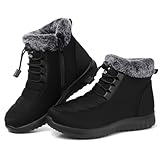
- BWP Score9.6
BWP Score is a ranking system developed by Bestwinterproducts.com. BWP score has no relationship or impact from any manufacturers or sales agent websites. Learn more
- BrandSHIBEVER

- BWP Score8.6
BWP Score is a ranking system developed by Bestwinterproducts.com. BWP score has no relationship or impact from any manufacturers or sales agent websites. Learn more
- BrandSHIBEVER

- BWP Score7.4
BWP Score is a ranking system developed by Bestwinterproducts.com. BWP score has no relationship or impact from any manufacturers or sales agent websites. Learn more
- BrandCLIFFS BY WHITE MOUNTAIN

- BWP Score7.5
BWP Score is a ranking system developed by Bestwinterproducts.com. BWP score has no relationship or impact from any manufacturers or sales agent websites. Learn more
- BrandSHIBEVER
Last update on 2026-10-03 / Affiliate links / Images, Product Titles, and Product Highlights from Amazon Product Advertising API
FAQs
Are mini suede boots warm enough for freezing snow?
Mini suede boots with thick fleece or shearling linings provide great warmth in freezing temperatures, but they work best on dry ground. Suede absorbs moisture easily, so walking through wet, melting slush can leave stains and soak through to your socks. If you need to walk through deep snow, choose a waterproof boot with a taller shaft that keeps wet snow from falling inside the collar.
What is the difference between water-resistant and waterproof boots?
Water-resistant boots have a surface coating that sheds light drizzle and dry snow flurries, letting moisture bead up and run off. Waterproof boots feature fully sealed seams and an impermeable barrier that blocks water completely, even when stepping into deep slush puddles. For melting city slush and heavy rain, waterproof boots are the only style that guarantees dry feet.
Can you wear thick wool socks with fitted boots?
You can wear wool socks with fitted boots as long as your feet still have space to breathe. Squeezing thick socks into tight shoes compresses the material and restricts blood flow, which paradoxically leaves your feet feeling colder. If you love thick thermal socks, look for boots with a slightly wider toe box or size up by half a size.
How do you safely warm up feet after coming inside?
If your feet are cold and numb after being outdoors, remove your boots and damp socks right away. Rewarm your skin gradually by soaking your feet in lukewarm water or wrapping them in a soft fleece blanket at room temperature. Never place cold, numb feet directly on a heating pad, space heater, or hot radiator, because numbed skin can burn easily before you feel the heat.


Best Warm Winter Scarves 2026 For Cozy Comfort

Best Green Ski Goggles 2026 For Clear Vision On Slopes

12 Best Corner Electric Fireplace 2026: My Ultimate Guide To Pick One

Best Battery Powered Snow Blower 2026 For Effortless Snow Clearing

Best Ski Goggles Under 30 Inches For Crisp Vision And Comfort

Best Cooling Scarf 2026 For Instant Relief And Comfort

Fake Snow for Grass: Create a Realistic Winter Lawn Display

Dimplex Prism Wall Mount Fireplace: Sleek Heat With Modern Flame Style





