
What Temperature Should You Set Your Thermostat in Winter?

There is no need to stress over the number on the wall dial, because keeping warm without running up a massive bill is simpler than it seems. The ideal setting for most homes is 68 degrees Fahrenheit while awake, dropped down to between 60 and 65 degrees when everyone is sleeping or out for the day. That temporary drop cuts waste, provided the dial stays above 55 degrees so water pipes never freeze.
A few everyday details will shift those targets. Infants and aging relatives often need living spaces kept between 68 and 72 degrees to stay safe. Very dry indoor air and drafty windows can also make a room feel colder than the dial reads. Homes with heat pumps need smaller adjustments, too, so the system does not kick on expensive backup electric heating coils. Here is how to find the right winter temperature for your household, comfort level, and equipment.
Dial Your Thermostat to 68 Degrees During the Day and Drop It at Night
Setting your thermostat to 68 degrees Fahrenheit while you are awake and at home strikes the best balance between comfort and cost. Most heating systems can maintain this level without burning through fuel continuously, and it keeps living areas warm enough for everyday activities. If you feel slightly cool at this setting, putting on a light sweater, a fleece pullover, or warm house slippers solves the chill without nudging the dial higher.
When bedtime arrives, drop the thermostat to somewhere between 60 and 65 degrees. Cooler room air promotes deeper sleep because the human body naturally sheds heat as it rests. Thick blankets, warm flannel sheets, and winter pajamas trap your warmth right in the bed, so heating the empty air in the room is unnecessary. Lowering the heat overnight also gives your heating equipment a long rest period during the coldest hours of the night.
Use that same lower range whenever the house sits empty during the workday. If everyone leaves for four hours or more, keeping the temperature around 62 to 65 degrees cuts unnecessary fuel use. This practice is known as a setback (lowering the thermostat for several hours to save energy). Practicing regular setbacks every day can easily trim your monthly heating bill without requiring you to shiver while you relax in the evening.
Protect Vulnerable Family Members and Water Pipes With Safe Minimum Limits
While lower temperatures save money, certain household situations require strict minimum limits to prevent health risks or structural damage. Cold air affects infants, older adults, and hidden water lines much differently than it affects healthy adults. Use this simple checklist to determine the safest minimum setting for your home:
- Infants and nurseries: Keep the room between 68 and 72 degrees. Babies cannot regulate their body heat as effectively as older children, and sleeping in cold rooms stresses their systems. Dress infants in fleece sleep sacks or wearable blankets over simple footed sleepers, and avoid placing thick, loose blankets in the crib.
- Elderly family members: Maintain living spaces between 68 and 70 degrees at all times. Aging bodies have slower blood circulation and thinner skin layers, which increases the risk of indoor hypothermia even at temperatures that younger adults find tolerable.
- Vacant homes and winter travel: Never turn your thermostat completely off or set it below 55 degrees when leaving for a winter trip. Setting the dial lower than 55 degrees allows cold pockets to form inside exterior wall cavities where water supply lines run.
- Deep freeze emergencies: When outdoor wind chill values drop well below zero, keep your indoor heat at a steady 68 degrees day and night. Open vanity and kitchen cabinet doors beneath sinks on outside walls so warm room air reaches copper and plastic supply pipes.
Following these minimum limits ensures that your drive to lower utility bills never creates dangerous health conditions or thousands of dollars in water damage from cracked plumbing.
Lower the Temperature Without Worrying About Overworking Your Furnace
A common winter myth claims that dropping your thermostat during the day or night forces your furnace to work twice as hard to heat the house back up, canceling out any savings. This belief leads many people to leave their thermostat locked at one high number all winter long. The physics of home heating actually works in the exact opposite direction.
Heat naturally flows toward cold. When the inside of your home is hot and the winter air outside is freezing, heat escapes through ceilings, walls, and windows very quickly. Think of your home as a bucket with small water leaks: the fuller the bucket, the faster water squirts out of the holes. When you allow your home to cool down to 62 degrees, the temperature difference between inside and outside shrinks, which dramatically slows down your home's rate of heat loss.
Your furnace or boiler also does not have an accelerator pedal. It runs at the same steady burn rate and blower speed whether it is lifting the temperature by one degree or seven degrees. The energy required to bring the house back up to 68 degrees is far less than the massive amount of fuel required to keep the home hot all day while heat constantly escapes. Letting the temperature fall while you sleep or work always results in a net fuel savings.
Fix Dry Air and Drafts Instead of Cranking the Heat
If your thermostat reads 68 degrees but your living room feels chilly, the temperature setting might not be the actual problem. Indoor humidity and cold air drafts play a huge role in how warm a room feels against your skin. Addressing these hidden comfort drains lets you feel warmer without pushing the dial up to 72 degrees.
Winter air holds very little moisture, and running a furnace dries it out even further. When indoor air becomes excessively dry, moisture evaporates off your skin much faster, producing a constant evaporative cooling effect that leaves you shivering. You can check your home's moisture level with a hygrometer (indoor humidity monitor). Bringing indoor humidity up to a healthy range of 30 to 50 percent using a room humidifier allows your skin to retain heat, making 68 degrees feel noticeably warmer.
Hidden drafts also steal body heat through constant air movement. Check around the edges of exterior doors and windows for air leaks. Placing an under-door draft stopper against entry thresholds and adding stick-on foam weatherstripping along window frames stops cold gusts instantly. For older single-pane windows, a clear shrink-wrap window insulation kit blocks incoming chills and creates a pocket of dead air that acts like double-pane glass.
Personal habits also make a huge difference in staying cozy indoors. If you find your feet getting cold on bare wood or tile floors, learn how to keep feet warm during winter by pairing moisture-wicking wool-blend socks with lined slippers. Combining personal insulation with practical tips on how to keep warm in winter in the house will keep your household warm all season long without driving up your energy expenses.
Check Your Heating System Type Before Making Big Adjustments
The type of heating equipment installed in your home dictates how aggressively you should adjust your winter temperature. What works perfectly for a standard gas furnace can cause unexpected electric bills if applied to a modern heat pump.
Standard forced-air systems that run on natural gas, propane, or heating oil produce high-temperature air quickly. These systems recover from an eight-degree setback in thirty to forty-five minutes without any penalty. If you have a conventional furnace, you can drop your thermostat freely at night or while you head to work, knowing the unit will heat the home back up quickly and economically.
Electric heat pumps require a gentler touch. Heat pumps work by extracting ambient warmth from outside air and moving it indoors, which is exceptionally efficient but happens at a gradual pace. If you turn a heat pump thermostat down eight degrees and then bump it back up all at once, the system's control board will sense that the temperature is rising too slowly. To compensate, it will switch on auxiliary heat (backup electric heating coils).
These backup electric coils consume massive amounts of electricity, similar to running multiple large toasters at once. To avoid triggering expensive backup heating, limit your heat pump setbacks to two or three degrees at a time. Alternatively, choose a modern control unit designed specifically to bring heat pumps up to temperature smoothly using only the outdoor compressor.
Upgrade to Automated Controls and Room Monitors for Steady Comfort
Managing winter temperatures by hand means remembering to twist the dial before heading to bed and waiting around in a cold house while the furnace warms up in the morning. Equipping your home with automated controls removes this daily hassle and eliminates human error from your energy budget.
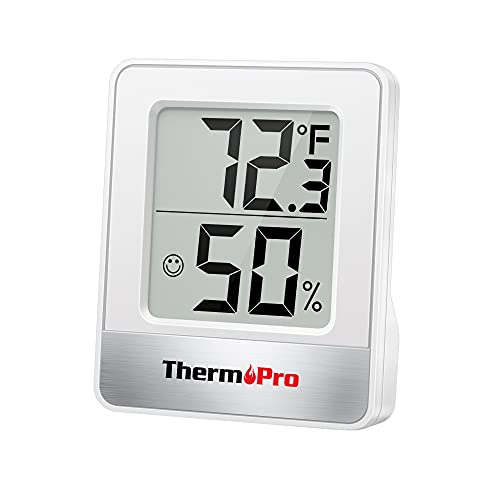
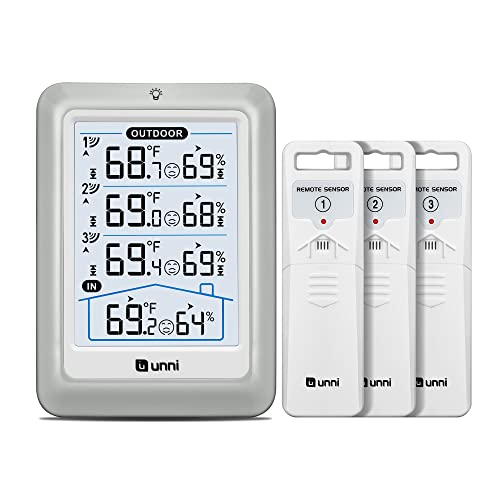
Programmable and digital wall controls allow you to schedule your preferred temperatures around your daily routine. The system can lower the heat automatically right as you fall asleep, warm the house back to 68 degrees just before your morning alarm rings, and drop back down after you leave for the day. Standalone humidity monitors placed in bedrooms or living areas provide an instant, accurate picture of your actual comfort levels so you know whether to turn on a humidifier or adjust your clothing.
Before selecting a new wall unit, verify how many heating stages your system uses and whether your furnace relies on gas, oil, or a heat pump. Check the wiring behind your existing wall plate to see if you have a continuous power wire or need a battery-operated model. Look for clear backlit displays that remain easy to read in dark hallways, and choose simple interfaces that let you change settings quickly without navigating complicated menus.
- BWP Score9.2
BWP Score is a ranking system developed by Bestwinterproducts.com. BWP score has no relationship or impact from any manufacturers or sales agent websites. Learn more
- BrandTempPro

NonProgrammable Thermostat for Home, Digital Energy-Saving Thermostat,Single-Stage Systems, 1 Heat/1
View on Amazon- BWP Score9.2
BWP Score is a ranking system developed by Bestwinterproducts.com. BWP score has no relationship or impact from any manufacturers or sales agent websites. Learn more
- BrandMiuputake

- BWP Score9.0
BWP Score is a ranking system developed by Bestwinterproducts.com. BWP score has no relationship or impact from any manufacturers or sales agent websites. Learn more
- BrandSuuwer

- BWP Score9.0
BWP Score is a ranking system developed by Bestwinterproducts.com. BWP score has no relationship or impact from any manufacturers or sales agent websites. Learn more
- BrandHeagstat

NonProgrammable Thermostat for Home, Digital Energy-Saving Thermostat,Single-Stage Systems, 1 Heat/1
View on Amazon- BWP Score9.0
BWP Score is a ranking system developed by Bestwinterproducts.com. BWP score has no relationship or impact from any manufacturers or sales agent websites. Learn more
- BrandRiseem

- BWP Score8.8
BWP Score is a ranking system developed by Bestwinterproducts.com. BWP score has no relationship or impact from any manufacturers or sales agent websites. Learn more
- BrandSensi
- BWP Score8.8
BWP Score is a ranking system developed by Bestwinterproducts.com. BWP score has no relationship or impact from any manufacturers or sales agent websites. Learn more
- BrandU UNNI

BN-LINK Digital Cooling Thermostat Controller, Temperature Controlled Outlet for Attic
View on Amazon- BWP Score8.8
BWP Score is a ranking system developed by Bestwinterproducts.com. BWP score has no relationship or impact from any manufacturers or sales agent websites. Learn more
- BrandBN-LINK

New! Honeywell Home Programmable Thermostat, Single-Stage, 1 Heat/1 Cool Compatibility,
View on Amazon- BWP Score8.8
BWP Score is a ranking system developed by Bestwinterproducts.com. BWP score has no relationship or impact from any manufacturers or sales agent websites. Learn more
- BrandHoneywell Home

DEWENWILS Digital Temperature Controller, Heavy Duty 15A/1800W Thermostat Outlet Plug,
View on Amazon- BWP Score8.8
BWP Score is a ranking system developed by Bestwinterproducts.com. BWP score has no relationship or impact from any manufacturers or sales agent websites. Learn more
- BrandDEWENWILS

- BWP Score8.6
BWP Score is a ranking system developed by Bestwinterproducts.com. BWP score has no relationship or impact from any manufacturers or sales agent websites. Learn more
- BrandCoiiwsei
- BWP Score7.4
BWP Score is a ranking system developed by Bestwinterproducts.com. BWP score has no relationship or impact from any manufacturers or sales agent websites. Learn more
- BrandSpringfield
Last update on 2026-10-02 / Affiliate links / Images, Product Titles, and Product Highlights from Amazon Product Advertising API
FAQs
What is the best temperature to sleep at during winter?
Setting your thermostat between 60 and 65 degrees provides the most comfortable sleeping environment for healthy adults. The human body naturally cools down as it falls asleep, and cooler bedroom air supports uninterrupted rest. Pair this temperature with flannel sheets, warm pajamas, and heavy winter blankets to keep your body warm without heating the entire house.
How low can I let the heat drop when I leave for work or vacation?
When leaving for work or daily errands, lower your thermostat to between 60 and 65 degrees to save fuel. If you are leaving on vacation, keep the thermostat set no lower than 55 degrees. Dropping below 55 degrees risks freezing water pipes inside exterior walls, under cabinets, or in unheated crawl spaces.
What is the safest room temperature for a baby in winter?
Keep your nursery temperature set between 68 and 72 degrees for infants. Babies struggle to regulate their own body heat, making them sensitive to both chilly drafts and accidental overheating. Dress your baby in a fitted sleeper paired with a wearable blanket or fleece sleep sack, and keep loose blankets out of the crib.
Why does my house feel cold even when the thermostat says 68 degrees?
Dry air and hidden drafts are the most common reasons a home feels cold at 68 degrees. Low indoor humidity speeds up moisture evaporation from your skin, which creates a noticeable cooling sensation. Adding moisture with a humidifier to reach 30 to 50 percent relative humidity, along with sealing drafts around doors and windows, will make 68 degrees feel warm and comfortable.


Best Warm Winter Scarves 2026 For Cozy Comfort

Best Green Ski Goggles 2026 For Clear Vision On Slopes

12 Best Corner Electric Fireplace 2026: My Ultimate Guide To Pick One

Best Battery Powered Snow Blower 2026 For Effortless Snow Clearing

Best Ski Goggles Under 30 Inches For Crisp Vision And Comfort

Best Cooling Scarf 2026 For Instant Relief And Comfort

Fake Snow for Grass: Create a Realistic Winter Lawn Display

Dimplex Prism Wall Mount Fireplace: Sleek Heat With Modern Flame Style





