
What Is the Warmest Jacket for Freezing Winter Weather?

Nothing beats a thigh-length down parka. Natural feathers create fluffy air pockets that trap your own body heat better than any single layer of fabric can. Extending that thick insulation down over your hips stops icy drafts from riding up your back, while a wind-resistant outer shell keeps bitter gusts from blowing away your warmth.
Your everyday conditions can still shift what works best. Wet snow and freezing slush will flatten standard feathers, making a dense waterproof synthetic coat much warmer for soggy coastal winters. Standing motionless at a frigid train platform also calls for more heavy-duty bulk than walking the dog around the block. Knowing these differences helps you pick the right cut and build before the temperature drops.
Long Down Parkas Trap More Heat Than Short Jackets
Waist-length jackets leave your lower body completely exposed to freezing air. When winter wind hits your waist, cold air easily blows straight up under the hem. That upward draft steals the warm air your body worked hard to create.
A longer cut makes a dramatic difference because it shields your hips, seat, and upper thighs. Your body pumps large amounts of warm blood through major blood vessels in your thighs and groin. When icy wind blows against thin trousers, that blood cools down rapidly before circulating back to your core, triggering full-body shivering. You can pair a longer coat with proven ways to keep legs warm in winter for complete lower-body protection.
Parkas also use baffles (stitched pockets that keep insulation from shifting) to hold heat evenly across your body. Without these sewn compartments, loose feathers or fiber fill would settle at the bottom of the coat, leaving your shoulders and back with zero padding. High-end winter parkas often use box-shaped baffles instead of stitching straight through the fabric. Stitched-through seams leave thin, uninsulated lines where cold wind can seep in, while box compartments keep an even layer of insulation across every square inch.
A coat that reaches mid-thigh also acts as an insulated barrier whenever you sit down on freezing car seats, park benches, or bus stop shelters. That extra foot of fabric prevents hard, cold surfaces from pulling heat directly from your body. For everyday winter survival in sub-freezing weather, extra coat length is far more effective than adding extra layers under a short jacket.
Down Beats Synthetic Fill Only in Dry Subzero Cold
Natural down consists of the fluffy under-feathers from ducks or geese. These tiny plumules have thousands of microscopic crisscrossing fibers that trap pockets of warm air. Down is measured by fill power (a feather fluffiness rating that traps body heat). A higher fill power number means each ounce of down puffs up thicker and traps more warmth without adding physical weight.
Down has one major weakness: moisture. If wet snow, freezing rain, or heavy sweat reaches natural down, the delicate feather clusters stick together and collapse into a sodden clump. Once down is wet, it loses all its air pockets and cannot hold your body heat. Drying out a wet down jacket can take days, making it risky in damp, freezing conditions.
Synthetic insulation (a man-made polyester fill that stays warm when damp) solves this moisture problem. These polyester fibers mimic natural down clusters, but they behave like tiny, springy plastic strands. If slush, wet sleet, or perspiration soaks the jacket, the synthetic fibers hold their structure and keep trapping air pockets. Synthetic fill dries out much faster than natural feathers and handles rough daily wear with minimal fuss.
Choosing between the two depends entirely on your local winter weather. If you face bone-dry subzero temperatures in places like Minnesota, North Dakota, or the mountain West, high-loft down gives you unbeatable warmth and comfort. If your winter brings slush, damp ocean air, or temperatures hovering right around 32 degrees Fahrenheit with freezing drizzle, a thick synthetic jacket will keep you far warmer.
Windproof Shells and Tight Closures Stop Biting Drafts
Many people buy thick, puffy coats and still shiver because biting wind blows straight through the fabric. Insulation cannot do its job if moving air flushes through it. To stay truly warm, a jacket needs a protective shell (the outer fabric layer of the jacket) made of dense, wind-blocking material that stops cold gusts in their tracks.
Zippers are another common place where jackets leak heat. Every standard zipper has hundreds of tiny gaps between its teeth that let icy drafts hit your chest. The warmest coats feature a storm flap (a fabric strip covering the zipper to block drafts). This flap snaps or fastens securely over the zipper track, forming a solid barrier against freezing air.
Heat also escapes through open cuffs and loose neck openings. When cold air blows up your sleeves, it chills your wrists and quickly cools your arms. Look for coats with internal stretchy knit cuffs or adjustable wrist straps that tighten over your gloves. A tall stand collar lined with soft fleece cushions your throat and shields your neck from wind without needing an oversized scarf.
Your hood needs proper adjustments as well. An oversized, unsealed hood will catch the wind like a sail and blow right off your head. A truly warm jacket includes drawcords on the sides and back of the hood so you can pull the brim tight around your forehead and cheeks. Pairing a snug storm hood with methods to protect your face from winter chill prevents frostnip during blizzard conditions.
Here is a quick checklist of closure details to inspect on any winter coat:
- Zipper protection: Confirm a fabric storm flap covers the main front zipper from collar to hem.
- Sleeve seals: Check for adjustable wrist straps or stretchy internal cuffs that seal snugly around your wrists.
- Hem drawcords: Look for internal pull cords at the bottom hem to cinch the jacket against upward drafts.
- Collar height: Make sure the collar stands upright and zips all the way to your chin to block your throat.
- Hood cinch cords: Ensure the hood has drawstrings to adjust the opening around your face during high winds.
Standing Still Requires Much Thicker Insulation Than Moving Fast
Your body produces heat like an internal furnace, and your activity level changes how much insulation you need. When you walk briskly, shovel heavy snow, or hike uphill, your large leg and back muscles generate significant warmth. In those active moments, a lightweight insulated windbreaker or ski jacket often provides plenty of warmth without causing you to overheat.
Standing motionless at an icy bus stop or watching an outdoor winter sports game is completely different. When your muscles are resting, your body generates very little heat. In that situation, you need a heavy, thick parka with maximum loft to trap every single bit of warmth your core produces. A jacket that feels comfortable during a brisk walk will leave you shivering after ten minutes of standing still in the wind.
Sweating inside a winter coat is dangerous. Cotton shirts trap sweat against your skin and stay cold, rapidly lowering your body temperature once you slow down. If you walk into a heated store or subway car wearing an arctic-grade parka, you will begin sweating quickly. Once you step back outside into freezing gusts, that damp fabric chills your skin immediately.
To prevent overheating, look for a coat with a two-way front zipper that unzips from the bottom up. Opening the lower zipper gives your hips extra room to move and vents excess heat while keeping your chest and neck covered. Learning how to keep warm in winter outdoors means choosing outer layers you can vent easily so moisture never collects next to your skin.
Look for Windproof Shells and Insulated Storm Hoods
When searching for a winter jacket that provides genuine warmth, focus on coats designed with wind-blocking outer shells and generous protective lengths. A durable outer fabric with a water-resistant finish stops wet snow from soaking through to the inner filling, while tight weave patterns keep biting wind from penetrating the core.
Interior linings play a major role in how warm a coat feels the second you put it on. Coats lined with soft fleece or quilted thermal fabrics immediately trap body heat, eliminating that cold, slippery nylon shock on chilly mornings. A thick fleece lining through the body, collar, and hood creates an extra barrier against drafts while adding day-long comfort.
Check the hardware and adjustability across the entire garment before deciding. Ensure the jacket includes an adjustable storm hood that stays in place during gusty snow squalls, along with hook-and-loop wrist closures that tighten easily over bulky winter gloves. An internal drawcord hem helps you customize the fit around your waist to block drafts completely.
Finally, confirm that the jacket leaves enough room through the chest and shoulders for comfortable layering. A winter coat should fit smoothly over a midweight sweater or thermal long underwear without feeling constricting. Squeezing into a coat that is too tight compresses the insulation, flattens the air pockets, and ultimately makes you feel much colder.

- BWP Score9.4
BWP Score is a ranking system developed by Bestwinterproducts.com. BWP score has no relationship or impact from any manufacturers or sales agent websites. Learn more
- BrandTACVASEN

- BWP Score9.4
BWP Score is a ranking system developed by Bestwinterproducts.com. BWP score has no relationship or impact from any manufacturers or sales agent websites. Learn more
- BrandMAOYSSEN

- BWP Score9.4
BWP Score is a ranking system developed by Bestwinterproducts.com. BWP score has no relationship or impact from any manufacturers or sales agent websites. Learn more
- BrandMAOYSSEN

- BWP Score9.2
BWP Score is a ranking system developed by Bestwinterproducts.com. BWP score has no relationship or impact from any manufacturers or sales agent websites. Learn more
- BrandMAGCOMSEN

- BWP Score9.2
BWP Score is a ranking system developed by Bestwinterproducts.com. BWP score has no relationship or impact from any manufacturers or sales agent websites. Learn more
- BrandMAGCOMSEN

- BWP Score9.2
BWP Score is a ranking system developed by Bestwinterproducts.com. BWP score has no relationship or impact from any manufacturers or sales agent websites. Learn more
- BrandMAGCOMSEN

- BWP Score9.2
BWP Score is a ranking system developed by Bestwinterproducts.com. BWP score has no relationship or impact from any manufacturers or sales agent websites. Learn more
- BrandMOERDENG
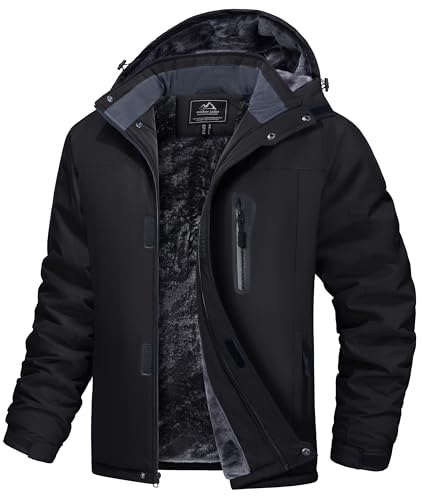
- BWP Score9.2
BWP Score is a ranking system developed by Bestwinterproducts.com. BWP score has no relationship or impact from any manufacturers or sales agent websites. Learn more
- BrandMAGCOMSEN

- BWP Score9.0
BWP Score is a ranking system developed by Bestwinterproducts.com. BWP score has no relationship or impact from any manufacturers or sales agent websites. Learn more
- BrandMOERDENG
Last update on 2026-10-02 / Affiliate links / Images, Product Titles, and Product Highlights from Amazon Product Advertising API


Best Warm Winter Scarves 2026 For Cozy Comfort

Best Green Ski Goggles 2026 For Clear Vision On Slopes

12 Best Corner Electric Fireplace 2026: My Ultimate Guide To Pick One

Best Battery Powered Snow Blower 2026 For Effortless Snow Clearing

Best Ski Goggles Under 30 Inches For Crisp Vision And Comfort

Best Cooling Scarf 2026 For Instant Relief And Comfort

Fake Snow for Grass: Create a Realistic Winter Lawn Display

Dimplex Prism Wall Mount Fireplace: Sleek Heat With Modern Flame Style





