
What Is the Warmest Winter Coat for Freezing Weather?

The absolute warmest option is a long parka packed with thick down and wrapped in a windproof outer shell. That changes the moment wet snow or freezing rain falls, because soaked down clumps together and loses its heat-trapping power. In damp conditions, a heavy synthetic coat takes the lead instead.
How warm you stay also depends on your daily routine. Standing at a frigid bus stop demands a calf-length coat that shields your thighs from bitter gusts, while shoveling snow or hiking requires breathable layers so sweat does not chill your skin. Wind protection and draft-sealing cuffs matter just as much as insulation thickness. Here is what to look for so icy winter winds never cut through your layers again.
Down Versus Synthetic Insulation: Which Traps More Heat?
The warmest coats rely on two main types of insulation: natural bird down or man-made synthetic fibers. Both work by capturing pockets of still air, which your body warms up like an invisible heat shield. The more air a coat holds still, the warmer you stay when the wind howls.
Natural down comes from the soft under-feathers of ducks and geese. It delivers the highest warmth for its weight because its fluffy clusters create thousands of tiny air chambers. When shopping for down, you will see a number called fill power. In simple terms, fill power measures down fluffiness and heat-trapping ability. A coat rated at 750 or 800 fill power uses large, springy plumules that puff up thick while staying light as a cloud. A lower rating, such as 450 or 500, requires significantly more feather weight to produce the same warmth.
Natural down has one serious weakness: moisture. If freezing rain, wet sleet, or heavy perspiration gets into natural down, the fluffy clusters collapse into a soggy lump. Once flattened, down holds zero trapped air and loses almost all its warmth. Drying out a wet down coat takes days, leaving you shivering in the meantime.
Synthetic insulation uses fine polyester threads engineered to mimic natural down clusters. While synthetic fill is slightly heavier than high-grade down for the same level of warmth, it handles wet weather far better. The plastic fibers do not collapse when wet. If you get caught in slush or sweat during a hard walk, a synthetic coat continues to trap body heat. For bone-dry sub-zero freezes, high-loft down wins on pure warmth. For wet, icy days hovering near 32 degrees Fahrenheit, synthetic fill keeps you safer.
Why Length and Loft Matter More Than Coat Weight
Many people assume that a heavy, stiff winter jacket must be the warmest option. In reality, a stiff coat that weighs five pounds can leave you shivering, while a fluffy two-pound parka keeps you toasty. What actually matters is loft, which is the thickness and puffiness of insulation. Thickness creates the barrier between your body and the sub-zero air outside. If a coat is flat or dense, heat escapes straight through the fabric.
To keep that puffy thickness evenly spread across your body, coat makers build baffles. Baffles are stitched pockets that hold insulation in place so it cannot slide down into the hem and leave cold spots over your shoulders or chest. Look closely at how those pockets are sewn. Many budget coats use stitched-through seams, where the outer shell fabric is sewn directly to the inner lining. That needle line pinches the insulation down to zero thickness, letting cold air leak right in. The warmest severe-weather coats use box baffles, where tiny internal fabric walls allow the insulation to expand to its full loft across every square inch.
Coat length is just as decisive as thickness. A waist-length jacket leaves your hips, groin, and upper thighs exposed to the elements. Every time you bend over, reach for groceries, or sit on a cold bench, the jacket rides up and dumps your warm air into the winter breeze. A parka that reaches your mid-thigh or knees traps heat around the largest muscles and major blood vessels in your legs. When you understand how to keep legs warm in winter, you realize that covering your upper legs prevents cold blood from cycling back into your chest and chilling your core.
Shell Fabrics: Stopping Wind Chill and Freezing Moisture
Even the thickest down insulation cannot protect you if icy wind blows directly through the fabric. Wind chill strips away the pocket of warm air your body works hard to generate. A warm winter coat must have a wind-blocking outer shell made of tightly woven nylon or polyester.
Outer fabrics generally fall into two categories: water-resistant shells and fully waterproof shells. Water-resistant shells use a tightly woven weave treated with a chemical coating that causes light snow to bead up and roll off. They breathe well, making them comfortable for walking in dry, crisp sub-zero conditions. But in a wet snowstorm, that light coating will eventually saturate, allowing moisture to seep into the insulation underneath.
Fully waterproof shells use a laminated barrier with sealed seams that block rain, slush, and heavy wet snow completely. The trade-off is breathability. If an outer fabric blocks all air movement, moisture from your sweat gets trapped inside the coat. When moisture builds up on your shirt, you will feel chilled the moment you slow down. When learning how to keep warm in winter outdoors, picking a breathable shell that blocks wind without turning into an airtight plastic bag is essential for staying dry and warm.
Five Physical Checks to Confirm a Coat Traps Heat
Before you commit to a heavy winter coat, inspect its physical design using these practical checks to ensure it will not leak heat.
- Pinch the seams across the shoulders and chest. Feel along the stitch lines with your fingers to see if the insulation goes all the way through, or if you can feel your fingertips touching with only thin fabric between them. Reason: Pinched stitch-through seams create cold lines where freezing air leaks directly onto your body.
- Inspect the zipper for a heavy storm flap. Look for a storm flap, which is a wide fabric strip over or behind a zipper to block wind, ideally secured with snaps or hook-and-loop fasteners. Reason: Metal and plastic zipper teeth have tiny gaps between them that let freezing gusts blast straight through your chest.
- Examine the wrist cuffs for internal seals. Check inside the coat sleeves for stretchy ribbed knit cuffs or adjustable tabs that hug your wrists snugly. Reason: Wide, open sleeves act like funnels that suck freezing air up your arms every time you move your hands.
- Pull up the hood and check the adjustment cords. Look for a hood with thick insulation, drawcords around the face opening, and a depth cinch at the back of the head. Reason: A loose hood acts like a parachute in the wind, blowing off your head and letting cold air pour down the back of your neck.
- Look for an internal waist cinch or hem drawcord. Reach inside the coat to confirm there is an elastic cord you can tighten around your waist or lower hem. Reason: Sealing the bottom edge stops chimney drafts, where cold air gets pulled up from underneath while warm air escapes out the top.
Matching the Coat to Your Winter: Dry Deep-Freeze Versus Wet Slush
The single warmest coat for one climate might leave you shivering in another. Choosing the right build depends entirely on the type of winter weather your region experiences.
In sub-zero dry climates, such as the Upper Midwest, northern plains, and interior mountain regions, temperatures regularly drop below zero degrees Fahrenheit. The snow in these regions is light, dry, and powdery. Here, the absolute warmest coat is a calf-length parka packed with high-loft down and wrapped in a windproof, breathable shell. Moisture from outside is rarely an issue because water stays frozen solid. Maximum loft and coverage are all that matter to survive standing still in biting wind chills.
In coastal climates, such as the Pacific Northwest or mid-Atlantic cities, winter temperatures hover between 28 and 38 degrees Fahrenheit. Snow is heavy and wet, often mixing with freezing drizzle or slush. In these damp environments, a high-fill down coat without a waterproof shell is risky. A thick parka built with synthetic insulation and a fully taped waterproof shell keeps you significantly warmer. The synthetic fibers continue to insulate even if wet slush splashes against you or melts on your shoulders.
Activity level also changes what coat keeps you warmest. If you spend winter standing waiting for a commuter train, you generate very little body heat and need maximum bulk, long length, and high insulation loft. But if your winter involves clearing heavy snow or walking briskly, an ultra-thick parka will quickly overheat you. Sweating into your coat will leave you dangerously cold later. Pairing a slightly lighter insulated shell with a fleece neck warmer and knowing how to keep face warm in winter provides better temperature balance for active days.
What to Look for in a Severe Cold Coat
When you are ready to choose an insulated winter parka, prioritize fit and practical closure details over fashion styling. The coat should fit comfortably over your normal cold-weather layers, such as a thick sweater or thermal long underwear, without feeling tight across your upper back or armpits. If a coat feels snug when you cross your arms, it will compress the insulation fibers against your body. Compressed insulation cannot trap air, which destroys its warming power.
Check the hand pockets before making a final choice. The warmest coats feature deep, fleece-lined hand pockets placed beneath the insulation layer, allowing your hands to share body heat from your torso. Look for durable two-way front zippers that allow you to unzip the bottom of a knee-length coat slightly when sitting down in a car or on a train. This feature protects the zipper teeth from tearing out under strain while preserving the coat's long heat-trapping shape when standing.

- BWP Score9.6
BWP Score is a ranking system developed by Bestwinterproducts.com. BWP score has no relationship or impact from any manufacturers or sales agent websites. Learn more
- BrandTYBBNY

- BWP Score9.4
BWP Score is a ranking system developed by Bestwinterproducts.com. BWP score has no relationship or impact from any manufacturers or sales agent websites. Learn more
- BrandYufawow

- BWP Score9.4
BWP Score is a ranking system developed by Bestwinterproducts.com. BWP score has no relationship or impact from any manufacturers or sales agent websites. Learn more
- BrandMOERDENG

- BWP Score9.2
BWP Score is a ranking system developed by Bestwinterproducts.com. BWP score has no relationship or impact from any manufacturers or sales agent websites. Learn more
- BrandMOERDENG

- BWP Score9.2
BWP Score is a ranking system developed by Bestwinterproducts.com. BWP score has no relationship or impact from any manufacturers or sales agent websites. Learn more
- BrandMOERDENG

- BWP Score9.2
BWP Score is a ranking system developed by Bestwinterproducts.com. BWP score has no relationship or impact from any manufacturers or sales agent websites. Learn more
- BrandMOERDENG

- BWP Score9.2
BWP Score is a ranking system developed by Bestwinterproducts.com. BWP score has no relationship or impact from any manufacturers or sales agent websites. Learn more
- BrandHEEKPEK

- BWP Score9.2
BWP Score is a ranking system developed by Bestwinterproducts.com. BWP score has no relationship or impact from any manufacturers or sales agent websites. Learn more
- BrandColumbia

- BWP Score9.0
BWP Score is a ranking system developed by Bestwinterproducts.com. BWP score has no relationship or impact from any manufacturers or sales agent websites. Learn more
- BrandMOERDENG

- BWP Score8.8
BWP Score is a ranking system developed by Bestwinterproducts.com. BWP score has no relationship or impact from any manufacturers or sales agent websites. Learn more
- BrandFitouch

- BWP Score8.8
BWP Score is a ranking system developed by Bestwinterproducts.com. BWP score has no relationship or impact from any manufacturers or sales agent websites. Learn more
- BrandColumbia
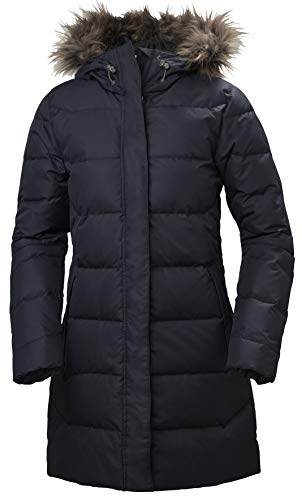
- BWP Score8.4
BWP Score is a ranking system developed by Bestwinterproducts.com. BWP score has no relationship or impact from any manufacturers or sales agent websites. Learn more
- BrandHelly Hansen
Last update on 2026-10-02 / Affiliate links / Images, Product Titles, and Product Highlights from Amazon Product Advertising API
FAQs
Does a heavier coat always mean it is warmer?
No, a heavy coat is often just made of dense, low-grade fabrics like stiff cotton canvas or cheap polyester batting. True warmth comes from loft, which is the thickness of trapped dead air held by fluffy down or fine synthetic fibers. A lightweight, high-loft down coat will keep you much warmer than a heavy, flat winter jacket.
What fill power number should I look for in severe cold?
For bitter sub-zero temperatures, look for a fill power between 650 and 800. These ratings offer large, springy down clusters that trap an immense amount of body heat without adding extra weight. Lower ratings can still keep you warm, but the coat must be packed with more total feathers, making it heavier and bulkier to wear.
How should a warm winter coat fit across the chest and shoulders?
A winter coat should fit with enough room to comfortably wear a heavy fleece or wool sweater underneath without feeling tight. You should be able to cross your arms and reach forward without the fabric pulling tightly across your back. If the coat fits like a glove, it will squeeze down the insulation and create cold spots.
Can you wash a high-loft winter coat without ruining the insulation?
Yes, but you must follow specific care rules to protect the loft. Wash the coat in a front-loading machine on a gentle cycle using mild detergent designed for down or synthetic gear. Dry the coat thoroughly on low heat with clean dryer balls or clean tennis balls, which bounce against the baffles to break up clumps and restore full puffiness.


Best Warm Winter Scarves 2026 For Cozy Comfort

Best Green Ski Goggles 2026 For Clear Vision On Slopes

12 Best Corner Electric Fireplace 2026: My Ultimate Guide To Pick One

Best Battery Powered Snow Blower 2026 For Effortless Snow Clearing

Best Ski Goggles Under 30 Inches For Crisp Vision And Comfort

Best Cooling Scarf 2026 For Instant Relief And Comfort

Fake Snow for Grass: Create a Realistic Winter Lawn Display

Dimplex Prism Wall Mount Fireplace: Sleek Heat With Modern Flame Style





