
What Is the Warmest Winter Parka for Bitter Cold?

Most people assume that the heaviest, thickest jacket on the rack is automatically the warmest choice. In reality, the truly warmest winter parka relies on high-loft insulation inside a completely windproof shell with a cut that extends past your thighs. Real warmth comes from trapping a thick layer of calm body heat inside sealed pockets while blocking biting gusts at the hood, cuffs, and front zipper.
Finding the right setup depends on your daily weather and how much you move. Frigid, dry arctic air calls for deep natural down that holds maximum heat, while freezing sleet demands water-resistant insulation that will not collapse when damp. Standing still in sub-zero wind also requires a longer coat down to your knees compared to walking or working outdoors. Here is how heat, wind protection, and fit work together to stop deep winter cold.
The Short Version
- The warmest winter parka pairs thick, high-loft insulation with a completely windproof outer fabric layer to stop freezing gusts from stripping away your body heat.
- Mid-thigh or knee-length coverage protects major blood vessels in your hips and legs, offering far more real warmth than a waist-length jacket.
- Draft seals make all the difference: insulated hoods, snug wrist gaskets, and wide storm flaps over zippers keep freezing air from leaking inside.
- Choose high-fill-power down for dry sub-zero freezes, or dense synthetic insulation if you regularly face wet snow, sleet, and freezing rain.
Trapping Body Heat: How Loft and Dead Air Create Real Warmth
Winter parkas do not produce heat on their own. Your body acts like a furnace, constantly releasing warmth into the air around your skin. A winter coat functions like home insulation. Its job is to capture that warmth and slow down the rate at which cold air steals it away.
Maximum warmth depends on loft, which is the thickness and fluffiness of insulation. When insulation puffs up, it creates millions of tiny microscopic spaces. These pockets capture air and hold it still. Trapped still air, known as dead air, is an exceptional thermal barrier because heat moves through it very slowly. Dense materials let warmth escape quickly, but a thick cushion of dead air keeps that heat resting against your torso.
If insulation gets squashed flat, those microscopic air pockets disappear, allowing cold to reach your body. This is why a puffy jacket often feels much warmer than a heavy, stiff coat. The puffy parka simply holds more dead air.
How the coat is stitched also matters. Parkas hold filling inside baffles, which are fabric pockets holding the insulation so it cannot slide down. Cheaper coats use sewn-through stitching, joining the outer shell directly to the inner lining. That needle line leaves zero insulation, creating cold stripes where wind cuts through. Serious cold-weather parkas use box baffles instead. These are three-dimensional fabric compartments built like miniature walls inside the coat, letting the insulation stay thick across every seam.
Down Versus Synthetic Insulation: Picking the Right Fill for Your Climate
The two main insulation types are natural down feathers and synthetic polyester fibers. Both keep you warm, but they react differently to winter moisture.
Down comes from the soft undercoating of geese or ducks. It provides the highest warmth for its weight. Down quality is graded by its down fluffiness rating, called fill power. You will often see numbers like 600 or 750 on product tags. Fill power measures how many cubic inches one ounce of down expands to occupy. Higher numbers mean the down clusters are larger, fluffier, and trap more dead air per ounce.
Down is the champion in dry, sub-zero cold. It packs small and stays fluffy for years when cared for properly. But moisture is its weakness. If rain, wet snow, or heavy sweat reaches natural down, the clusters collapse into soggy lumps. Once flattened, down loses its dead air pockets and provides almost no warmth until completely dry.
Synthetic insulation uses fine polyester fibers spun to mimic down. While synthetic fill is heavier for the same level of warmth, it handles moisture easily. The fibers do not soak up water, so they stay puffed up and keep trapping heat even during wet snow or sleet.
- Dry sub-zero regions: If your winters bring bitter sub-zero temperatures and dry powder snow, a down parka offers unmatched lightweight warmth.
- Wet, slushy regions: If your local winter stays near 32°F with freezing rain, slush, and damp winds, thick synthetic insulation keeps you safer and warmer.
The Outer Shell: Why Blocking Wind Matters Just as Much as Insulation
A coat can have inches of fluffy filling and still leave you shivering on a windy sidewalk. That failure usually comes down to the shell, which is the outer fabric layer of the jacket.
Wind strips heat away faster than still air ever could. A calm day at 15°F is manageable, but a 20 mph wind drives the wind chill down into sub-zero territory. If the outer shell is porous, cold gusts blow straight through the weave. The wind flushes out the warm dead air trapped in the insulation, chilling you within minutes.
The warmest parkas use a completely windproof outer shell. Sturdy nylon or polyester backed by wind-blocking barriers stops gusts at the surface. This shield keeps your warm dead air undisturbed inside the baffles.
A quality shell must also balance snow protection with breathability. It needs to shed falling flakes before they soak the filling. It must also let personal sweat escape. If body moisture gets trapped inside, it dampens your shirts and turns icy cold once you stop walking. Pairing a windproof shell with the right base and middle layers from our guide on how to keep warm in winter outdoors keeps your internal temperature steady without collecting sweat.
Five Draft Leaks to Check on Any Winter Parka
Even thick insulation fails if freezing air sneaks in through open gaps. When checking any cold-weather parka, inspect these five critical draft spots:
- The Hood: A warm hood needs full insulation, not just a thin nylon layer. Look for drawstrings at the back and sides so you can cinch it close to your head. A stiff brim or faux fur trim breaks the wind and creates a pocket of calm air around your face. For severe wind chill, see how to keep face warm in winter for extra protection tips.
- Wrist Cuffs: Loose sleeves pump warm air out every time you move your arms. Look for internal knit gaskets or stretchy ribbed cuffs that hug your wrists snugly. These seal cold air out while sliding smoothly inside your winter gloves.
- Zipper Storm Flap: Zipper teeth leave hundreds of tiny gaps where wind whistles through. A protective parka uses a storm flap, which is a fabric strip covering the zipper against wind. The best coats feature a wide flap with snaps on the outside and an insulated draft tube behind the zipper inside.
- Seams: Check where the baffles are stitched. If you can pinch the seam and feel only two flat layers of fabric, wind will push through those lines. Look for taped seams or box-baffle construction that prevents cold stitch lines.
- Hem Length: Short jackets leave your hips and upper thighs exposed. Major arteries run close to the surface in your thighs, so chilling your legs cools your whole body quickly. A parka extending to mid-thigh or knee level keeps your lower core shielded. Pair your coat with strategies on how to keep legs warm in winter to stay comfortable head to toe.
Sizing for Warmth: Why a Tight Coat Leaves You Freezing
Buying a coat that fits too snugly is an easy mistake. A slim silhouette may look sharp, but a tight fit destroys the coat's ability to hold heat.
Compression crushes insulation loft. Loft requires space to puff up and hold dead air. When a parka stretches tightly across your shoulders, chest, or hips, your body squeezes the filling flat against the outer shell. Those squashed zones lose their air pockets and become cold spots where heat escapes directly into the winter air.
A tight fit also interferes with blood circulation. Your cardiovascular system pumps warm blood to keep your extremities comfortable. When tight sleeves, tight armpits, or a stiff chest compress your tissue, blood flow slows down. Less warm blood reaches your hands and arms, leaving your fingers painfully cold.
A winter parka must leave room for layering. You need enough interior space to comfortably fit thermal long underwear and a thick fleece or wool middle layer without feeling squeezed.
To verify the right fit, put on a thick sweater before trying the coat. Zip it fully, raise your arms, and hug your chest. The cuffs should still cover your wrists, the back should not pull tight like a drum, and you should feel a loose cushion of air around your torso.
What to Look for in an Extreme-Cold Parka Before Buying
Finding a winter parka that actually stops bitter cold comes down to prioritizing protective build over lightweight fashion. Start by checking the insulation thickness. The coat should feel noticeably puffy and bounce back promptly when gently squeezed.
Next, confirm that the outer shell fabric explicitly blocks wind and repels snow. Make sure the length extends past your hips, ideally reaching mid-thigh or your knees to protect your lower body.
Finally, inspect the closures. Ensure a wide storm flap completely covers the front zipper, the hood adjusts snugly around your face, and the cuffs feature soft internal gaskets. When these protective details come together, a parka creates an unbroken pocket of warmth that keeps you comfortable through bitter sub-zero weather.

- BWP Score10.0
BWP Score is a ranking system developed by Bestwinterproducts.com. BWP score has no relationship or impact from any manufacturers or sales agent websites. Learn more
- BrandWestern Mountaineering

- BWP Score9.6
BWP Score is a ranking system developed by Bestwinterproducts.com. BWP score has no relationship or impact from any manufacturers or sales agent websites. Learn more
- BrandTYBBNY

- BWP Score9.4
BWP Score is a ranking system developed by Bestwinterproducts.com. BWP score has no relationship or impact from any manufacturers or sales agent websites. Learn more
- BrandThe North Face

- BWP Score9.0
BWP Score is a ranking system developed by Bestwinterproducts.com. BWP score has no relationship or impact from any manufacturers or sales agent websites. Learn more
- BrandALPINE NORTH

- BWP Score9.0
BWP Score is a ranking system developed by Bestwinterproducts.com. BWP score has no relationship or impact from any manufacturers or sales agent websites. Learn more
- BrandHelly Hansen

- BWP Score9.0
BWP Score is a ranking system developed by Bestwinterproducts.com. BWP score has no relationship or impact from any manufacturers or sales agent websites. Learn more
- BrandThe North Face

- BWP Score8.8
BWP Score is a ranking system developed by Bestwinterproducts.com. BWP score has no relationship or impact from any manufacturers or sales agent websites. Learn more
- BrandFitouch

- BWP Score8.8
BWP Score is a ranking system developed by Bestwinterproducts.com. BWP score has no relationship or impact from any manufacturers or sales agent websites. Learn more
- BrandALPINE NORTH

- BWP Score8.8
BWP Score is a ranking system developed by Bestwinterproducts.com. BWP score has no relationship or impact from any manufacturers or sales agent websites. Learn more
- BrandRefrigiWear

- BWP Score8.6
BWP Score is a ranking system developed by Bestwinterproducts.com. BWP score has no relationship or impact from any manufacturers or sales agent websites. Learn more
- BrandThe North Face

- BWP Score8.6
BWP Score is a ranking system developed by Bestwinterproducts.com. BWP score has no relationship or impact from any manufacturers or sales agent websites. Learn more
- BrandHelly Hansen
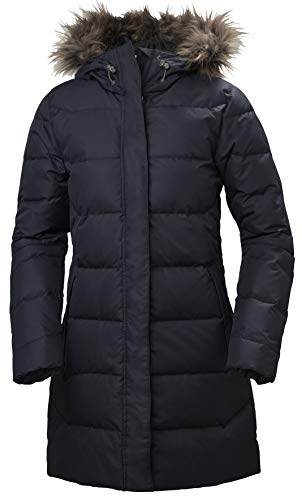
- BWP Score8.4
BWP Score is a ranking system developed by Bestwinterproducts.com. BWP score has no relationship or impact from any manufacturers or sales agent websites. Learn more
- BrandHelly Hansen
Last update on 2026-10-02 / Affiliate links / Images, Product Titles, and Product Highlights from Amazon Product Advertising API
Frequently Asked Questions
Why do I still feel cold even in a very thick winter coat?
A coat can feel heavy while still letting cold air in. If the outer shell is not windproof, gusts blow straight through the seams and zipper, carrying off the warm air inside. A coat that fits too tightly also flattens its internal insulation, destroying the air pockets needed to hold body heat.
Is a higher down fill power always warmer than a lower number?
Not always. Fill power only measures how fluffy one ounce of down expands, not how much down is inside the coat. A heavy coat packed with a large amount of 600 fill power down can easily be warmer than a thin jacket using only a little 800 fill power down. Real warmth depends on both fill power and the total weight of the insulation.
Does a longer parka make a noticeable difference in warmth?
Yes, coat length makes a dramatic difference in staying warm. Your hips and thighs carry large blood vessels that lose heat rapidly when exposed to freezing winds. A mid-thigh or knee-length parka blocks drafts from blowing under your jacket and shields your lower core from severe wind chill.
Can you wear a down parka in wet snow without ruining it?
You can wear a down parka in wet snow if the coat has a water-resistant or waterproof outer shell. The shell stops wet snow from soaking through to the feathers inside. If moisture does soak into the down, the clusters will clump together and lose their loft until fully dried.


Best Warm Winter Scarves 2026 For Cozy Comfort

Best Green Ski Goggles 2026 For Clear Vision On Slopes

12 Best Corner Electric Fireplace 2026: My Ultimate Guide To Pick One

Best Battery Powered Snow Blower 2026 For Effortless Snow Clearing

Best Ski Goggles Under 30 Inches For Crisp Vision And Comfort

Best Cooling Scarf 2026 For Instant Relief And Comfort

Fake Snow for Grass: Create a Realistic Winter Lawn Display

Dimplex Prism Wall Mount Fireplace: Sleek Heat With Modern Flame Style





