
What Is Winter Formal Attire and How to Stay Warm?

A crisp invitation card sits on the kitchen counter, calling for winter formal attire just as frost creeps across the window glass. Put simply, winter formal attire is elegant evening wear adapted for cold weather, swapping breezy party fabrics for substantial textures like dark wool suits, plush velvet blazers, and sweeping floor-length dresses.
The exact outfit depends on the event and the forecast. A high school dance usually welcomes dressy knee-length cocktail dresses and neat suits, whereas a winter wedding or gala calls for traditional floor-length gowns and dark ties. Freezing winds, drafty venues, and slushy sidewalks also mean planning polished outer layers, such as warm wraps and tailored wool coats, so travel remains comfortable. Here is how to meet the dress code easily without shivering through the night.
Winter Formal Expectations: School Dances Versus Adult Galas
Winter formal attire changes depending on who hosts the event and how formal the venue is. For high school students, a winter formal or snowball dance usually falls right between homecoming and prom. Homecoming is often semi-formal with short party dresses, while prom calls for full formal ballgowns. A high school winter formal sits comfortably in the middle. Students can wear elegant knee-length cocktail dresses, structured midi dresses, or tailored dark suits. Full-length dresses are welcome, but simple and elegant silhouettes keep you from feeling overdressed on a school dance floor.
Adult events hold to stricter traditions. A charity gala, an upscale holiday gathering, or an evening winter wedding typically calls for true formalwear. When an invitation specifies formal or black-tie optional (a dress code where a dark suit or tuxedo is acceptable), guests are expected to dress with care. Women generally wear floor-length evening gowns, formal midi dresses, or dressy evening pantsuits. Men wear dark wool suits with silk neckties, or traditional tuxedos. Casual daytime separates, polo shirts, and summer sundresses will look noticeably out of place in these settings.
The layout of the venue also dictates how you should dress. A modern hotel ballroom or country club banquet hall generally keeps temperatures steady around 70°F once you leave the lobby. Historic estates, drafty community centers, or rustic event barns often have cold drafts, high ceilings, and stone floors that hold winter chill all evening. Entryways and coat check areas also catch gusts of freezing air every time the front doors open. Thinking through these details helps you choose an outfit that stays warm during arrivals without overheating while dancing.
Weather adds an extra hurdle that warm-weather celebrations never face. You must plan for sub-freezing winds, icy sidewalks, and blowing snow between your vehicle and the ballroom doors. Stepping outside in paper-thin materials without a warm outer layer leads to shivering before the night even begins. Dressing well for a winter formal means balancing ballroom polish with smart cold-weather protection.
Best Fabrics, Rich Colors, and Outfit Choices
Warm-weather formalwear relies on airy, breezy materials like linen, seersucker, and lightweight cotton. In the cold months, those fabrics look out of season and let frigid drafts blow right against your skin. Dry winter air also creates static cling that makes thin textiles bunch up awkwardly. Winter formal attire works best with heavier fabrics that hold their structure, insulate your body, and drape smoothly.
The most dependable cold-weather formal fabric is velvet (a thick, soft fabric with a plush surface). Velvet naturally traps body heat, shields you from breezy indoor drafts, and catches evening lighting with a soft, rich sheen. Other excellent fabrics include heavy satin, jacquard, brocade, wool-crepe, and lined tweed. These dense materials create clean lines, resist wrinkling under heavy winter coats, and keep you comfortable in drafty ballrooms.
Your color palette should match the winter season. Soft pastel pinks, pale yellows, and bright neon shades belong in spring and summer. Cold-weather formals call for deep, saturated jewel tones. Emerald green, ruby red, sapphire blue, royal plum, and deep wine red bring warmth to dimly lit dining rooms. Classic black, charcoal grey, and midnight navy are always sharp choices. You can also incorporate metallic finishes like burnished gold, champagne, and silver to mirror the festive winter atmosphere without feeling overdone.
For women, length and clever layering provide instant comfort. A floor-length gown naturally blocks drafts around your legs and gives you space to hide warm base layers underneath. Learning how to keep legs warm in winter without feeling bulky allows you to wear skin-toned fleece-lined tights under a long skirt without adding thickness. If you prefer separates, a tailored women's suit offers warmth and modern elegance. Look for a blazer featuring a peaked lapel (the folded collar flap on a blazer or suit jacket) in dark velvet or wool, paired with matching wide-leg trousers.
Sleeves make a massive difference in how warm you feel during seated dinners. Long lace sleeves, three-quarter sleeves, or off-the-shoulder cuts with wide fabric bands provide coverage that strapless gowns lack. If you choose a sleeveless dress, plan to bring a structured evening jacket, a tailored blazer, or a matching wrap to cover your shoulders when you are away from the dance floor.
For men, a winter formal calls for a dark suit made from mid-weight or heavy wool. Wool naturally breathes while insulating your torso against brisk winds. Charcoal grey, dark navy, and black are the most reliable suit colors. Pair your suit with a crisp white cotton dress shirt, a dark silk tie or bowtie, and black leather dress shoes. A matching wool suit vest adds an extra layer of insulation over your chest while keeping your dress shirt neatly tucked. If the invitation states black-tie optional, a classic black tuxedo with satin lapels gives you a sharp, elevated look.
Checklist for choosing winter formal fabrics and colors:
- Choose heavy, insulating fabrics like plush velvet, structured satin, brocade, or wool crepe.
- Leave breathable summer textiles like linen, seersucker, and sheer cotton at home.
- Pick deep seasonal jewel tones like emerald, burgundy, sapphire, and classic black.
- Verify that skirts or trousers have enough room to conceal a thin thermal base layer.
- Opt for three-quarter or full-length sleeves to stay comfortable during seated dinners.
Cold-Weather Outerwear, Footwear, and Commute Strategies
The biggest challenge of a winter formal is traveling between your house, your car, and the event doors. A common misstep is throwing an everyday ski parka or bulky sports puffer over formal evening wear. While warm, an athletic coat clashes heavily with formal attire and looks awkward in entrance photos. Choosing the right outerwear allows you to stay warm while keeping your look cohesive.
A tailored wool overcoat in black, charcoal, or camel is the best choice for both men and women. Look for a coat that reaches down to your knees or lower. A longer hem blocks biting crosswinds and prevents long gowns or suit trousers from picking up street grit. For shorter walks between the car and the door, an elegant faux-fur wrap (a wide dressy scarf draped over the shoulders) or a heavy cashmere shawl adds instant warmth. Fastening the wrap with a decorative brooch keeps it securely in place so your hands remain free.
Sidewalks covered in ice, slush, and rock salt pose a real hazard for formal shoes. Thin leather soles absorb wet slush quickly, and high heels can easily slip on hidden patches of black ice. Discovering how to keep feet warm during winter without discomfort ensures you do not spend the party nursing numb toes.
The simplest way to protect your footwear is to use commuter shoes. Wear warm, insulated snow boots with rubber grip soles for the drive and the walk across wet parking lots. Carry your formal heels, dress flats, or leather dress shoes in a simple cloth bag. When you reach the venue coat check, take two minutes to swap your snow boots for your dress shoes. Your formal footwear stays clean and free of salt stains, and your feet stay warm throughout the party.
If you prefer not to carry spare shoes, pick formal footwear built for cold weather. Choose closed-toe pumps, sturdy block heels, or dressy heeled booties with rubber-traction soles. Men should pair dark leather dress shoes with moisture-wicking wool-blend dress socks rather than paper-thin nylon dress socks. Wool retains warmth even if you step in a shallow slush puddle near the doorway.
Outdoor group photos also require quick preparation. If your friends want outdoor pictures in the snow, leave your heavy coats on until the photographer frames the shot. Drop the coat for twenty or thirty seconds, smile for the photos, and put your outer layers right back on. If cold winds pick up, reviewing how to keep warm in winter outdoors will help you handle rapid temperature changes safely.
What to Look for When Choosing Winter Formal Attire
Selecting the right garments for a winter formal comes down to finding pieces that combine cold-weather comfort with formal style. Look for dresses and suits made from structured, dense fabrics such as velvet, heavy tweed, or lined satin. Make sure any dress or skirt you choose has a smooth, full inner lining. A quality lining stops the outer fabric from clinging to your tights and provides an extra barrier against cold drafts as you move across the room.
Pay close attention to hemline height and overall cut. Gowns that sweep the floor look stunning indoors, but hems that drag on the ground will soak up dirty snow and chemical salt during your arrival. Choosing a dress hemmed one inch above the ground keeps the fabric clean and dry. For suits and blazer dresses, look for structured shoulders and lapels that retain their crisp shape under an overcoat. Check the fabric stretch across the back and arms to verify you can sit, dance, and celebrate comfortably without feeling restricted.

- BWP Score8.8
BWP Score is a ranking system developed by Bestwinterproducts.com. BWP score has no relationship or impact from any manufacturers or sales agent websites. Learn more
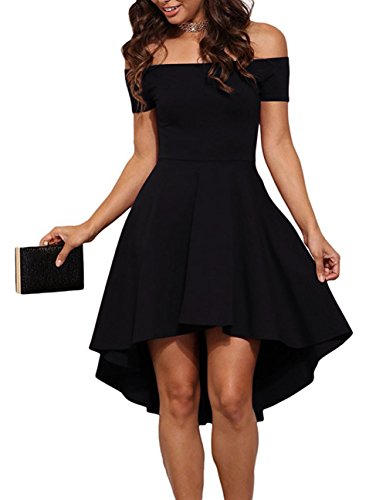
- BrandMEROKEETY
- BWP Score8.6
BWP Score is a ranking system developed by Bestwinterproducts.com. BWP score has no relationship or impact from any manufacturers or sales agent websites. Learn more
- BrandSarin Mathews

- BWP Score8.4
BWP Score is a ranking system developed by Bestwinterproducts.com. BWP score has no relationship or impact from any manufacturers or sales agent websites. Learn more
- BrandBerydress

- BWP Score8.4
BWP Score is a ranking system developed by Bestwinterproducts.com. BWP score has no relationship or impact from any manufacturers or sales agent websites. Learn more
- BrandMemoriesea

- BWP Score8.2
BWP Score is a ranking system developed by Bestwinterproducts.com. BWP score has no relationship or impact from any manufacturers or sales agent websites. Learn more
- BrandSimple Flavor

- BWP Score8.2
BWP Score is a ranking system developed by Bestwinterproducts.com. BWP score has no relationship or impact from any manufacturers or sales agent websites. Learn more
- BrandPRETTYGARDEN

- BWP Score8.2
BWP Score is a ranking system developed by Bestwinterproducts.com. BWP score has no relationship or impact from any manufacturers or sales agent websites. Learn more
- BrandTRONSTORE

- BWP Score7.8
BWP Score is a ranking system developed by Bestwinterproducts.com. BWP score has no relationship or impact from any manufacturers or sales agent websites. Learn more
- BrandHobemty

- BWP Score7.6
BWP Score is a ranking system developed by Bestwinterproducts.com. BWP score has no relationship or impact from any manufacturers or sales agent websites. Learn more
- BrandHobemty
Last update on 2026-10-02 / Affiliate links / Images, Product Titles, and Product Highlights from Amazon Product Advertising API
FAQs
Do I have to wear a floor-length dress to a winter formal?
Floor-length gowns are only required for strict black-tie or white-tie events. High school winter formals, holiday parties, and semi-formal weddings readily welcome knee-length cocktail dresses and midi dresses. If you choose a shorter hemline, pick a heavier fabric like velvet or brocade and wear warm tights to protect your legs from cold drafts.
Can you wear open-toed shoes or sandals to a winter formal?
Closed-toe shoes are the preferred choice for winter events because they protect your feet from cold drafts and freezing sidewalks. Strappy open-toed heels can work if the event is held entirely inside a heated venue with valet parking, but they often look out of place during cold months. Polished pumps, dressy ankle boots, or closed-toe flats offer better comfort and warmth.
Is a tuxedo required for men attending a winter formal?
A tuxedo is only required if the invitation specifically states black-tie. If the event is formal or black-tie optional, a tailored dark wool suit in charcoal, navy, or black works very well. Pair your suit with a crisp white dress shirt, a dark silk necktie or bowtie, and polished leather shoes.


Best Warm Winter Scarves 2026 For Cozy Comfort

Best Green Ski Goggles 2026 For Clear Vision On Slopes

12 Best Corner Electric Fireplace 2026: My Ultimate Guide To Pick One

Best Battery Powered Snow Blower 2026 For Effortless Snow Clearing

Best Ski Goggles Under 30 Inches For Crisp Vision And Comfort

Best Cooling Scarf 2026 For Instant Relief And Comfort

Fake Snow for Grass: Create a Realistic Winter Lawn Display

Dimplex Prism Wall Mount Fireplace: Sleek Heat With Modern Flame Style





