
When Is Winter in Iceland and How Long Does It Last?

Winter in Iceland runs from November through March, with October and April serving as chilly transition months. How harsh the season feels mostly depends on which part of the island you visit and how much daylight you need. December and January bring the deepest freeze and the shortest daylight, often offering just four to five hours of weak sun each day.
Travelers chasing the northern lights usually welcome those long, dark nights, while anyone planning a scenic road trip benefits from the extra daylight in late winter. Geography also changes your trip. Southern shores stay comparatively mild, but northern and eastern valleys face severe blizzards and icy mountain passes that shut down until spring. Here is a clear breakdown of how Iceland changes month by month so you can pick the safest window for your travels.
The Iceland Winter Calendar and How the Seasons Shift
In practical terms, the Icelandic winter spans five full months, starting in November and lasting through March. Even so, winter often feels longer because the chilly transition months on either side bring harsh weather. The shoulder season (the chilly transition months between summer and deep winter) covers October and April, bringing sharp sub-freezing snaps, cold rain, and sudden blizzards.
October acts as the official gateway into cold weather. Mountain peaks receive their first permanent snow, and daylight shrinks quickly. Lowland roads generally stay clear in early October, but sudden sleet and freezing nights create slick black ice on rural routes.
November brings true winter conditions across the entire island. Sub-freezing temperatures become regular once the sun dips below the horizon. Snow starts sticking to coastal highways, rural fields freeze, and strong winds push inland from North Atlantic weather fronts.
December and January bring midwinter. These are the darkest, quietest, and stormiest months of the year. The landscape turns into a stark sweep of ice, snow, and frozen waterfalls. Frequent gale-force winds cause road closures and demand flexible travel plans.
February keeps the deep cold and snowpack of midwinter, but daylight returns rapidly. March marks the end of core winter, offering eleven to twelve hours of sun. Even with longer days, March often brings deep snowdrifts and heavy blizzards before April begins the spring thaw.
Daylight Hours and Temperatures Across the Winter Months
Many travelers worry that Iceland plunges into total pitch darkness all winter. In reality, Iceland never experiences total twenty-four-hour darkness, even during the winter solstice in late December.
Midwinter brings four to five hours of low, golden sunlight, framed by an hour of twilight before sunrise and after sunset. The sun skims along the southern horizon, casting long shadows across the snow. This low light is gorgeous for photos, but you must plan your driving around a narrow window of daylight.
Here is what you can expect for average daylight across the winter season:
- October: 9 to 11 hours of daylight, losing about six minutes of light each day.
- November: 6 to 8 hours of daylight, with sunset arriving earlier each afternoon.
- December: 4 to 5 hours of daylight, bottoming out around the winter solstice.
- January: 4.5 to 7 hours of daylight, gaining light noticeably toward the end of the month.
- February: 7 to 9.5 hours of daylight, offering enough light for daytime road trips.
- March: 10 to 13 hours of daylight, reaching an equal balance of day and night.
- April: 13.5 to 16 hours of daylight, with short and bright nights.
Icelandic temperatures stay surprisingly moderate because the North Atlantic Current carries warm ocean water past the southern coast. Average coastal winter temperatures in Reykjavik and Vik hover between 28°F and 35°F. Inland areas and northern fjords get colder, often falling into the teens.
The main danger is wind chill (how cold the air feels on bare skin due to gusting wind). A 40-mile-per-hour gale can make a 32°F afternoon feel like 12°F on bare skin. If you plan to visit waterfalls or glaciers, check our advice on how to keep warm in winter outdoors to build a solid three-layer clothing system.
Protecting your face and head is just as critical. Frigid wind cuts through thin fabrics quickly. Wearing a thermal neck gaiter or fleece balaclava and learning how to keep your face warm in winter prevents painful wind burn while you explore.
Essential Daily Steps for Safe Winter Driving in Iceland
Driving in Iceland between November and March requires daily caution. Sudden storms turn clear black asphalt into sheer ice within minutes. Follow these practical steps every day to stay safe and avoid getting stranded on isolated rural roads.
- Check official road condition and weather forecast portals every morning.
Icelandic weather changes rapidly, and clear morning skies can turn into a violent blizzard by midday. Verifying road reports tells you if your route is open, icy, or blocked by snow drifts before you leave your hotel.
- Confirm that your rental vehicle has four-wheel drive and studded winter tires.
Winter highways often have sheets of river ice and hard-packed snow. Studded tires have small metal pins that dig into hard ice, giving you the grip that regular all-season rubber cannot provide.
- Stay strictly off all mountain routes and interior F-roads.
All F-roads (rough mountain dirt tracks closed all winter) become impassable snowfields during the cold months. Entering a closed mountain road is illegal, cancels your vehicle insurance, and leaves you stranded without emergency plowing.
- Hold your car door firmly with two hands every time you get in or out.
Coastal viewpoints and open parking areas face fierce wind gusts. A sudden gale can grab an unsecured door and wrench it backwards against the hinges, bending the car frame and shattering the door mounts.
- Keep your fuel tank at least half full throughout your drive.
Rural gas stations sit thirty to fifty miles apart, and village pumps can lose power during heavy snow. Keeping extra fuel in your tank prevents you from running out if an unexpected road closure forces a long detour.
- Store warm clothing, drinking water, and snacks inside the passenger cabin.
If your car slides into a snowbank, freezing winds can ice the trunk lock shut in minutes. Keeping warm layers and food inside the cabin ensures you stay safe while waiting for local recovery teams.
- Cut your driving speed in half before single-lane bridges and shaded curves.
Bridges and north-facing hillside turns freeze much faster than open roads because cold air flows underneath the deck. Slowing down early gives you time to spot black ice and yield safely to oncoming traffic.
Best Months for Catching Northern Lights and Exploring Ice Caves
Timing your winter visit depends on what you want to experience most: watching the northern lights or walking inside natural glacier ice caves. Both activities need winter conditions, but their best windows differ slightly.
The northern lights (aurora borealis) need dark, clear night skies. The viewing season runs from late September through early April. But November, December, January, and February offer the longest periods of darkness. In midwinter, darkness settles by 4:30 PM and lasts past 9:30 AM the next morning. This gives you many hours to watch for auroras without staying awake past midnight.
Natural blue ice caves depend on prolonged freezing weather. In summer, rushing meltwater cuts deep channels through glaciers like Vatnajökull. When freezing temperatures arrive in late autumn, the water stops flowing and freezes solid, leaving stable tunnels of dense blue ice.
Glacier guides typically open ice caves to visitors from November through late March. Visiting in deep midwinter ensures the cave structures stay frozen solid. In October or late April, warmer temperatures can cause standing water inside caves or weaken glacier roofs, leading tour operators to cancel trips.
For the best balance between daylight adventures and dark night skies, late February through late March is ideal. You get eight to eleven hours of daylight for waterfalls and black sand beaches, plus plenty of dark nighttime hours for aurora viewing. Read our guide on how to keep feet warm during winter to keep your toes comfortable while standing on frozen ground at night.
Choosing Reliable Route Maps and Winter Guidebooks
Planning an Iceland winter road trip requires reliable navigation aids that work without battery power. Smartphone batteries drain rapidly when exposed to freezing air, and cell reception cuts out along remote fjords and high mountain passes.
A physical travel guidebook and a folded paper road map provide vital safety backups in your rental car. When shopping for a map, choose folded maps printed on durable, water-resistant synthetic paper. Melting snow and blowing sleet inside your vehicle will quickly ruin ordinary paper maps. Look for maps that clearly highlight paved primary highways like Route 1 and mark off-limits winter dirt tracks.
When picking a guidebook, select one that includes dedicated winter itineraries rather than general summer road trips. A good guide details realistic driving times between towns in short daylight, highlights year-round service stations and geothermal pools, and lists emergency contacts. Having this information on paper helps you adjust your route smoothly if winter storms close your planned road.

- BWP Score9.6
BWP Score is a ranking system developed by Bestwinterproducts.com. BWP score has no relationship or impact from any manufacturers or sales agent websites. Learn more
- BrandRick Steves

- BWP Score9.6
BWP Score is a ranking system developed by Bestwinterproducts.com. BWP score has no relationship or impact from any manufacturers or sales agent websites. Learn more
- BrandDK
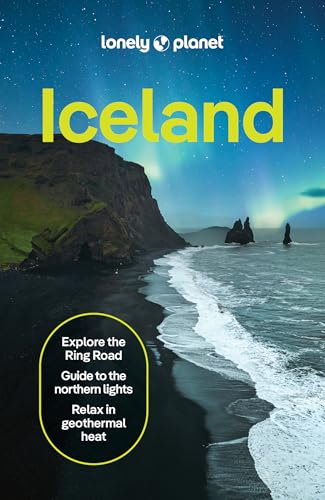
- BWP Score9.2
BWP Score is a ranking system developed by Bestwinterproducts.com. BWP score has no relationship or impact from any manufacturers or sales agent websites. Learn more
- BrandLonely Planet

- BWP Score9.2
BWP Score is a ranking system developed by Bestwinterproducts.com. BWP score has no relationship or impact from any manufacturers or sales agent websites. Learn more
- BrandN/A

- BWP Score9.2
BWP Score is a ranking system developed by Bestwinterproducts.com. BWP score has no relationship or impact from any manufacturers or sales agent websites. Learn more
- BrandRick Steves

- BWP Score9.0
BWP Score is a ranking system developed by Bestwinterproducts.com. BWP score has no relationship or impact from any manufacturers or sales agent websites. Learn more
- BrandN/A

- BWP Score8.8
BWP Score is a ranking system developed by Bestwinterproducts.com. BWP score has no relationship or impact from any manufacturers or sales agent websites. Learn more
- BrandMajosta
- BWP Score8.8
BWP Score is a ranking system developed by Bestwinterproducts.com. BWP score has no relationship or impact from any manufacturers or sales agent websites. Learn more
- BrandMajosta

- BWP Score8.4
BWP Score is a ranking system developed by Bestwinterproducts.com. BWP score has no relationship or impact from any manufacturers or sales agent websites. Learn more
- BrandN/A

- BWP Score7.2
BWP Score is a ranking system developed by Bestwinterproducts.com. BWP score has no relationship or impact from any manufacturers or sales agent websites. Learn more
- BrandN/A

- BWP Score-
BWP Score is a ranking system developed by Bestwinterproducts.com. BWP score has no relationship or impact from any manufacturers or sales agent websites. Learn more
- BrandMajosta

- BWP Score-
BWP Score is a ranking system developed by Bestwinterproducts.com. BWP score has no relationship or impact from any manufacturers or sales agent websites. Learn more
- BrandLonely Planet
Last update on 2026-10-16 / Affiliate links / Images, Product Titles, and Product Highlights from Amazon Product Advertising API
FAQs
Can you see the northern lights in Iceland during October or April?
Yes, you can see the northern lights in both October and April. While these shoulder months do not have the eighteen hours of darkness seen in midwinter, they still provide seven to nine hours of night. Dark skies away from city lights regularly reveal bright aurora displays.
Does it snow constantly in Reykjavik during the winter months?
No, Reykjavik does not stay covered in deep snow all winter. The capital sits on the southwestern coast, where Atlantic winds keep temperatures hovering near freezing. This creates cycles of snowfall, rain, thawing, and freezing that produce slippery ground ice rather than constant snowdrifts.
Is the entire Ring Road open and drivable throughout the winter?
The Ring Road (Route 1) is cleared regularly, but storms frequently close high mountain passes in northern and eastern Iceland for hours or days at a time. If you plan to drive the entire loop in winter, keep your schedule flexible and plan extra buffer days for weather delays.
What kind of footwear do you need for an Iceland winter trip?
You need sturdy, waterproof hiking boots that rise above your ankle to keep out snow and slush. Wear them with moisture-wicking wool-blend socks to trap body warmth, and pack slip-on rubber ice cleats. Ice cleats fit easily over your boots and give you firm traction on icy walkways near waterfalls.
.jpg)

Best Warm Winter Scarves 2026 For Cozy Comfort

Best Green Ski Goggles 2026 For Clear Vision On Slopes

12 Best Corner Electric Fireplace 2026: My Ultimate Guide To Pick One

Best Battery Powered Snow Blower 2026 For Effortless Snow Clearing

Best Ski Goggles Under 30 Inches For Crisp Vision And Comfort

Best Cooling Scarf 2026 For Instant Relief And Comfort

Fake Snow for Grass: Create a Realistic Winter Lawn Display

Dimplex Prism Wall Mount Fireplace: Sleek Heat With Modern Flame Style





