
Which Way Should a Ceiling Fan Spin in Winter to Stay Warm?

Standing in wool socks by the thermostat, a homeowner feels cold air skimming across the floor while costly heat stays trapped against the ceiling. In winter, the blades should turn clockwise at the lowest speed. This gentle motion creates an updraft, drawing cool air up toward the center of the room and easing warm air down the walls without causing a breeze.
A couple of details change how this setup works in everyday practice. High speeds always create a brisk wind chill, so keeping the dial on low is essential for staying comfortable. Extra-tall cathedral ceilings also move heat differently than standard eight-foot rooms. How the direction changes depends on the fixture, too, since some units use a small toggle switch on the motor housing while others rely on a wall control or handheld remote. Here is how to check the rotation from the floor and adjust the setting safely.
Why Clockwise Rotation and Updraft Keep Rooms Warmer
Warm air naturally rises because it is lighter and less dense than cold air. When your furnace or space heater kicks on, the heated air floats straight up to your ceiling. In a typical home, that trapped layer of warm air stays stuck near the ceiling drywall, while the cooler, heavier air pools down by your ankles and across your seating areas.
In the summer, your ceiling fan spins counterclockwise, turning right to left across the top of its rotation. That forward motion creates a downdraft, which is a column of air blowing straight down into the living area. The moving air speeds up the evaporation of moisture on your skin, creating a refreshing wind chill that helps you feel cooler during hot afternoons.
In winter, that downward breeze is the exact opposite of what you want. Blowing air straight down makes you feel chilled, prompting you to nudge the thermostat higher and burn extra fuel. Discovering how to keep warm in winter in the house starts with reversing that airflow pattern so your existing heat circulates properly without chilling the people below.
When you set your ceiling fan to spin clockwise, the angled blades pull cool room air gently upward toward the motor. This upward movement is called an updraft. As that cool air lifts into the center of the fan, it gently pushes the warm air pooling at the ceiling outward toward the edges of the room.
The displaced warm air has nowhere to go once it reaches the corners, so it travels down along the exterior walls and sweeps softly across the floor. By circulating heat along the perimeter rather than dumping it directly onto your sofa or bed, the fan redistributes trapped warmth without creating a draft on your bare skin.
How to Check and Change Your Fan Direction Safely
Figuring out which way your fan is spinning can be tricky when looking up from beneath the blades. A ceiling fan rotates clockwise when the blades travel in the same direction as the hands on an analog wall clock, moving from left to right across the top of the circle.
You can verify your fan's rotation and airflow with a quick visual inspection from the center of the room. Here is a simple checklist to confirm you have the correct winter setting:
- Blade movement: Stand directly under the fan and look up. The blades should move from the 12 o'clock position toward the 3 o'clock position, sweeping left to right along the top arc.
- Airflow sensation: Stand still under the spinning fan for thirty seconds. You should feel zero direct breeze pushing against your face, arms, or scalp.
- Wall draft: Walk over to an exterior wall a few feet from the fan. You should feel a very gentle downward drift of air moving along the wall surface.
- Paper check: Hold a small strip of tissue or lightweight paper flat on your open palm beneath the fan. In a proper winter updraft, the paper should remain calm or lift slightly rather than flutter violently downward.
If your fan is blowing air straight down, you need to change its rotation. Follow these straightforward steps to reverse the motor safely:
- Cut the power: Turn the fan off using the wall switch or pull cord. Wait for the blades to come to a complete, motionless stop. Never reach up to touch or adjust a fan while the blades are still coasting.
- Locate the reverse control: For fans with a manual switch, check the side of the metal motor housing just below the blades or above the light kit. You will see a small slider switch that shifts either up and down or left to right. If your fan uses a handheld remote or smart wall panel, look for a button marked with opposing arrows or a reverse icon.
- Flip the switch: Slide the toggle switch firmly into the opposite position. If using a remote, press the reverse button according to your unit's instructions. Some modern remotes require you to hold the button for three full seconds while the fan is powered on.
- Select the lowest speed: Turn the fan back on and immediately set it to its lowest possible speed setting. Look up from the floor to confirm the blades are now traveling clockwise.
Fan Speed Rules and Ceiling Height Exceptions
Running your ceiling fan in the correct clockwise direction is only half the battle. The speed setting you choose determines whether the fan warms your living space or turns it into a drafty wind tunnel. In winter, your fan must run on its lowest available speed setting.
High speeds create turbulence regardless of which way the blades turn. When blades spin rapidly in reverse, they pull air upward with so much force that the air rushing down the walls bounces aggressively off the baseboards and rolls across the floor. That fast-moving air feels like a draft on your ankles and feet, undoing the benefits of redistributing the heat. Learning how to keep feet warm during winter depends on avoiding these floor-level air currents.
Low speed maintains a slow, continuous circulation. The air moves just fast enough to equalize the room temperature between the ceiling and the rug, but slow enough that your skin cannot register any breeze. If your fan has three speeds, use low. If your modern unit offers six speeds, select level one or two for gentle winter circulation.
Ceiling height also changes how airflow behaves in cold weather. Standard eight-foot or nine-foot flat ceilings respond best to the standard rule: clockwise rotation on the lowest speed. In these rooms, the fan sits close enough to the floor that any downward draft would immediately chill people sitting below.
Two-story great rooms and cathedral ceilings with heights between twelve and twenty feet present a unique challenge. In these soaring spaces, hot air rises so high that a gentle clockwise updraft may not have the push required to drive that heat down twenty feet to the furniture level.
If you have high vaulted ceilings, begin by trying the standard clockwise rotation on low speed. If the living area still feels cold while the upper landing feels overheated, try switching the fan to counterclockwise on the absolute lowest speed. In very tall rooms, the gentle downward push from a low-speed forward rotation can deliver heat down to floor level before the air has a chance to create an uncomfortable breeze.
Choosing a Fan Upgrade When Your Current Unit Cannot Reverse
Some older ceiling fans lack a reversing motor altogether, while others have manual switches placed so high on cathedral ceilings that reaching them requires an unstable ladder. Upgrading to a modern ceiling fan designed for year-round climate balance eliminates these cold-weather headaches and improves household heating comfort.
When selecting a new ceiling fan for winter use, look for models powered by quiet direct-current motors. These motors use minimal electricity and usually feature at least six distinct speed settings rather than the standard three. Having access to ultra-low speeds allows you to establish a whisper-quiet updraft that circulates trapped ceiling heat without stirring up noticeable floor drafts.
Convenience matters during seasonal transitions. Look for units that include a dedicated reverse button on a handheld remote, a paired wall control, or a smartphone app. Being able to switch between summer cooling and winter heat circulation from the floor keeps you off tall stepladders and makes seasonal adjustments effortless.
Room size and ceiling clearance should guide your choice. For low eight-foot ceilings, flush mount or hugger designs keep the blades safely elevated while preserving airflow dynamics. For smaller bedrooms, home offices, or walk-in closets, compact screw-in socket fans provide convenient dual-season airflow and lighting in tight spaces without the need for complex electrical rewiring.

- BWP Score10.0
BWP Score is a ranking system developed by Bestwinterproducts.com. BWP score has no relationship or impact from any manufacturers or sales agent websites. Learn more
- BrandCYANAVIS

- BWP Score9.8
BWP Score is a ranking system developed by Bestwinterproducts.com. BWP score has no relationship or impact from any manufacturers or sales agent websites. Learn more
- BrandAHAWILL

- BWP Score9.2
BWP Score is a ranking system developed by Bestwinterproducts.com. BWP score has no relationship or impact from any manufacturers or sales agent websites. Learn more
- BrandHoneywell

- BWP Score9.0
BWP Score is a ranking system developed by Bestwinterproducts.com. BWP score has no relationship or impact from any manufacturers or sales agent websites. Learn more
- BrandPassky

- BWP Score8.8
BWP Score is a ranking system developed by Bestwinterproducts.com. BWP score has no relationship or impact from any manufacturers or sales agent websites. Learn more
- BrandBell+Howell

- BWP Score8.8
BWP Score is a ranking system developed by Bestwinterproducts.com. BWP score has no relationship or impact from any manufacturers or sales agent websites. Learn more
- BrandWZZIW

- BWP Score8.8
BWP Score is a ranking system developed by Bestwinterproducts.com. BWP score has no relationship or impact from any manufacturers or sales agent websites. Learn more
- BrandKlmeiday

- BWP Score8.8
BWP Score is a ranking system developed by Bestwinterproducts.com. BWP score has no relationship or impact from any manufacturers or sales agent websites. Learn more
- BrandBAYSQUIRREL
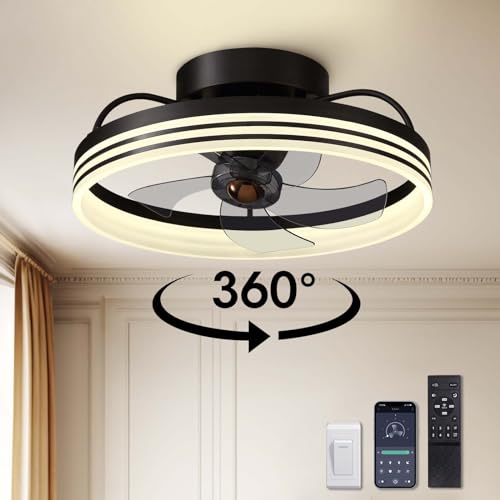
- BWP Score8.2
BWP Score is a ranking system developed by Bestwinterproducts.com. BWP score has no relationship or impact from any manufacturers or sales agent websites. Learn more
- BrandLUDOMIDE
Last update on 2026-10-01 / Affiliate links / Images, Product Titles, and Product Highlights from Amazon Product Advertising API
FAQs
Does running a ceiling fan in reverse actually lower heating bills?
Yes, circulating warm air with a reverse ceiling fan can help lower heating expenses when paired with smart thermostat adjustments. Moving trapped ceiling heat down into the living space makes the room feel warmer at body level. This allows you to turn your thermostat down by two or three degrees without feeling cold, which reduces how often your furnace or heat pump runs throughout the winter.
What should you do if your ceiling fan has no reverse switch or remote button?
If your ceiling fan cannot run in reverse, turn it completely off for the winter season. Running a forward-only fan in cold weather forces a downdraft straight into your living space, creating a wind chill that makes you feel colder and drives up heating usage. Keep the unit powered off until warm weather returns, or consider replacing it with a modern reversible model.
Can you leave a ceiling fan running clockwise all day in winter?
You can safely leave a ceiling fan running on low speed throughout the day in rooms you actively use to keep the temperature balanced from floor to ceiling. Unlike summer cooling, where fans only cool people through skin evaporation, winter updraft circulation continuously blends warm air layers across the room. Turn the fan off in unoccupied rooms with closed doors to prevent wasting electricity.


Best Warm Winter Scarves 2026 For Cozy Comfort

Best Green Ski Goggles 2026 For Clear Vision On Slopes

12 Best Corner Electric Fireplace 2026: My Ultimate Guide To Pick One

Best Battery Powered Snow Blower 2026 For Effortless Snow Clearing

Best Ski Goggles Under 30 Inches For Crisp Vision And Comfort

Best Cooling Scarf 2026 For Instant Relief And Comfort

Fake Snow for Grass: Create a Realistic Winter Lawn Display

Dimplex Prism Wall Mount Fireplace: Sleek Heat With Modern Flame Style





