
Why Does Skin Get Dry in Winter and How to Fix It?

Sudden itchiness and flaking in cold weather is rarely a sign of anything serious, so there is no need to panic. The problem starts because freezing outdoor air carries almost no humidity, and indoor heaters pull moisture straight out of your body. Steaming showers and harsh soaps then wash away the natural oils that shield your skin, leaving it completely exposed.
How severe that dryness gets depends on your daily environment and routine. Blasting forced-air heat parches a room far faster than radiators, while direct exposure to freezing wind speeds up water loss. Lingering under scalding shower water or having an underlying condition like eczema also makes the tightness worse. Here is a look at what strips your outer defenses and the straightforward habits that keep you comfortable all season.
Understand How Cold Air and Furnace Heat Rob Your Skin
Cold winter air cannot physically hold much water vapor. When temperatures drop, outdoor humidity plummets. As soon as you step outside, that parched air acts like a sponge, drawing water straight out of your skin. We call this transepidermal water loss, which simply means moisture escaping into dry air. Biting winter wind speeds up this loss by stripping away the tiny layer of humidity that naturally hovers over your skin. If you spend time outside in freezing weather, knowing how to keep face warm in winter with a soft fleece balaclava or neck warmer blocks cold gusts and protects your skin from raw windburn.
Moving indoors rarely solves the problem on its own. Furnaces and space heaters warm cold air, dropping indoor humidity down to desert levels, often between 10 and 20 percent. The dry air pulls moisture from your hands, face, and legs. To stay comfortable without drying out your skin, check practical ways on how to keep warm in winter in the house, such as using door draft stoppers and window film, so you do not have to blast the heat at full blast all season.
Stop the Daily Habits That Strip Away Natural Body Oils
Freezing weather starts the dryness, but everyday habits often turn mild tightness into cracked, painful skin. When you feel chilled, your natural reaction is to warm up fast, but common washing habits frequently wash away your body's natural defense shields.
Check your daily habits against this list to spot what might be drying you out:
- Taking scalding showers: Hot water dissolves protective skin fats the exact same way hot dishwater melts bacon grease off a skillet. Keep showers warm or lukewarm, and wrap things up in under ten minutes.
- Using deodorizing bar soaps: Standard bar soaps often contain harsh detergents that strip away natural oils. Switch to a fragrance-free, soap-free body wash that cleans without leaving your skin feeling tight.
- Scrubbing peeling skin with loofahs: Rubbing flaky skin with rough washcloths or brushes tears away healthy cells that are trying to rebuild, making redness and itching worse.
- Wearing rough wool against bare skin: Coarse fabrics cause constant friction against dry legs and arms, sparking an itch-scratch cycle. Wear a smooth, sweat-wicking base layer under heavy wool knits.
- Letting bare skin air-dry after washing: Stepping out of the shower and walking around in a towel allows dry room air to evaporate surface water right off your body.
Spot the Difference Between Common Dry Flakes and a Broken Skin Barrier
Treating dry winter skin starts with knowing whether you have mild dryness or a damaged skin barrier. Your skin barrier is your body's protective outer shield. Picture a brick wall: your skin cells are the bricks, and ceramides (the natural skin fats that glue cells together) act as the mortar holding the wall tight and watertight.
Standard winter dryness stays on the surface. Your shins or elbows might look slightly ashy, and your skin might feel tight after washing. There are no open fissures, and standard lotions do not sting when applied. A rich moisturizer usually softens this kind of dryness in a day or two.
A broken skin barrier goes much deeper. When bitter cold, indoor heating, and harsh soaps strip away that fatty mortar, the brick wall cracks open. Water escapes rapidly, and irritants penetrate deep into sensitive tissue.
Look for these signs of a broken protective outer shield:
- Stinging and burning: Even gentle, fragrance-free lotions cause a sharp burning sensation that lasts for several minutes after application.
- Rough, raw texture: The skin turns red, feels like coarse sandpaper, and looks irritated without being touched.
- Painful splits on knuckles or heels: The skin loses elasticity and cracks open under movement, causing small, bleeding fissures on fingers or heels.
- Deep itching: The itching feels deep below the surface, keeps you awake at night, and flares up whenever your skin changes temperature.
Follow a Simple Daily Routine to Trap Moisture and Calm Itching
Rebuilding dry winter skin does not require complex routines. You only need steady steps that save your natural oils and lock water into your skin cells. Follow this routine every day until your skin feels soft and calm:
- Lower the water temperature: Turn the shower handle until the water is warm or lukewarm, never steaming. Keep your shower time between five and ten minutes, and keep the bathroom door shut to trap humid steam inside.
- Cleanse only where needed: Use a gentle, fragrance-free cleanser on your underarms, groin, and feet. Let soapy water rinse over your arms and legs without scrubbing them directly.
- Pat dry gently: When you finish washing, pat your skin lightly with a soft towel. Do not rub yourself dry. Leave your skin noticeably damp, with tiny beads of water resting on the surface.
- Apply cream within three minutes: Within three minutes of stepping out of the shower, smooth a rich moisturizing cream across your damp skin. The cream seals that water into your outer layer before dry air can pull it away.
- Layer ointment on cracked areas: If your knuckles, heels, or cuticles have open cracks, dab a thick barrier ointment (like petroleum jelly) directly over your cream to seal out air and let tissue heal.
- Run a bedroom humidifier at night: Place a cool-mist humidifier near your bed. Running it while you sleep keeps the air moist, preventing dry heat from dehydrating your skin overnight.
Swap Watery Lotions for Thick Barrier Creams and Ointments
A common winter mistake is using the exact same light lotion you used during summer. Standard lotions come in pump bottles because they contain mostly water and very little protective oil. When you smooth thin lotion over parched winter skin, that water evaporates into dry air in just a few minutes, pulling your skin's remaining moisture away with it.
Cold weather demands richer formulas that balance hydration with physical barrier protection. Moisturizers generally fall into three types:
Light lotions: These products contain high water content and absorb fast without leaving residue. But they lack the heavy lipids needed to block winter moisture loss. Keep light lotions for warm, humid summer months.
Rich moisturizing creams: Sold in tubs or squeeze tubes, creams contain a balanced blend of water and natural oils. They provide humectants (sponge-like ingredients that draw water into skin) such as glycerin and hyaluronic acid, along with ceramides (natural skin fats that glue cells together). A rich cream feels substantial, absorbs cleanly, and creates an all-day shield without staining clothing.
Thick barrier ointments: Made mostly of petrolatum or mineral wax, ointments contain very little water. They act as pure occlusives (a thick coating that seals moisture inside). Because they create a waterproof seal, ointments are unmatched for repairing cracked knuckles, split heels, and raw windburned lips. They feel greasy on skin, so applying them right before bed is usually the most practical choice.
Know When to Call a Doctor for Severe Cracking or Infection
Most winter skin dryness clears up with lukewarm water, humidifiers, and rich creams. However, deep fissures can allow bacteria to enter, leading to infections or triggering skin conditions like eczema that require medical care.
If your skin is split or bleeding, take safe action first. Rinse the area gently with lukewarm water, apply a dab of plain petroleum jelly, cover it with a clean bandage, and avoid scratching. Never pick at loose skin or scratch with fingernails, as that drives surface bacteria into open cracks.
Check for these warning signs that mean you should call a doctor or dermatologist:
- Signs of bacterial infection: Yellow crusts, oozing yellow fluid, swelling, skin that feels hot to the touch, or red streaks spreading outward from a crack.
- Cracks that will not heal: Fissures on your hands or feet that bleed repeatedly, cause sharp pain, and fail to improve after a week of ointment.
- Severe itching that stops sleep: Itching so intense that it wakes you up, disrupts your day, or leads to scratching until you bleed.
- Rapidly spreading rashes: Sudden patches of bright red, inflamed, or weeping skin across large areas of your body.
Choose the Right Winter Moisturizer by Checking the Ingredients Label
Finding the right winter moisturizer comes down to reading the ingredient list rather than the claims on the front of the box. Look for rich creams sold in tubs or squeeze tubes rather than pump bottles, as thicker formulas contain the dense oils your skin needs in cold weather.
When checking the label, look for ceramides (the natural skin fats that glue cells together) to rebuild your protective outer shield. Look for humectants (sponge-like ingredients that draw water into skin) such as glycerin or hyaluronic acid, which hold water against your cells. For severe dryness and cracking, choose formulas that feature skin protectants like petrolatum, shea butter, or soothing colloidal oatmeal to create a physical barrier against dry air.
Finally, check the label for potential irritants. Choose products marked fragrance-free rather than unscented, because unscented products often contain masking fragrances that can sting broken skin. Avoid products containing drying alcohols, synthetic dyes, or exfoliating acids until your skin barrier has completely healed and stopped stinging.

- BWP Score9.4
BWP Score is a ranking system developed by Bestwinterproducts.com. BWP score has no relationship or impact from any manufacturers or sales agent websites. Learn more
- BrandCeraVe

- BWP Score9.4
BWP Score is a ranking system developed by Bestwinterproducts.com. BWP score has no relationship or impact from any manufacturers or sales agent websites. Learn more
- BrandCeraVe

- BWP Score9.4
BWP Score is a ranking system developed by Bestwinterproducts.com. BWP score has no relationship or impact from any manufacturers or sales agent websites. Learn more
- BrandCeraVe

- BWP Score9.4
BWP Score is a ranking system developed by Bestwinterproducts.com. BWP score has no relationship or impact from any manufacturers or sales agent websites. Learn more
- BrandAveeno
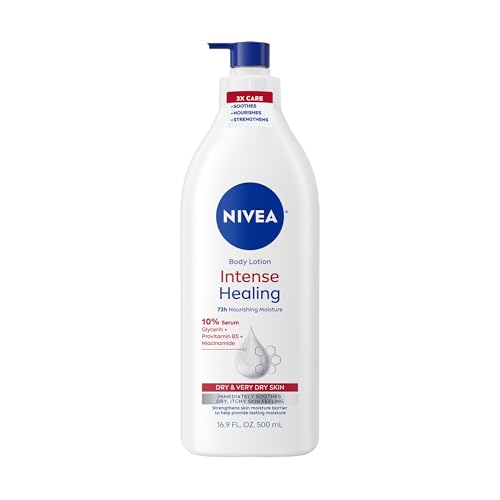
- BWP Score9.4
BWP Score is a ranking system developed by Bestwinterproducts.com. BWP score has no relationship or impact from any manufacturers or sales agent websites. Learn more
- BrandNIVEA

- BWP Score9.4
BWP Score is a ranking system developed by Bestwinterproducts.com. BWP score has no relationship or impact from any manufacturers or sales agent websites. Learn more
- BrandNIVEA
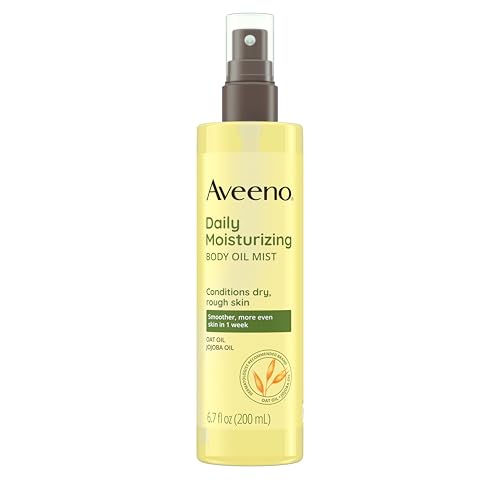
- BWP Score9.2
BWP Score is a ranking system developed by Bestwinterproducts.com. BWP score has no relationship or impact from any manufacturers or sales agent websites. Learn more
- BrandAveeno

- BWP Score9.2
BWP Score is a ranking system developed by Bestwinterproducts.com. BWP score has no relationship or impact from any manufacturers or sales agent websites. Learn more
- BrandThe Ordinary

- BWP Score9.2
BWP Score is a ranking system developed by Bestwinterproducts.com. BWP score has no relationship or impact from any manufacturers or sales agent websites. Learn more
- BrandAveeno

- BWP Score9.0
BWP Score is a ranking system developed by Bestwinterproducts.com. BWP score has no relationship or impact from any manufacturers or sales agent websites. Learn more
- BrandBio-Oil

- BWP Score8.8
BWP Score is a ranking system developed by Bestwinterproducts.com. BWP score has no relationship or impact from any manufacturers or sales agent websites. Learn more
- BrandAmLactin
Last update on 2026-10-03 / Affiliate links / Images, Product Titles, and Product Highlights from Amazon Product Advertising API
FAQs
Why does dry skin itch worse at night during the winter?
Your body's natural temperature and blood circulation increase slightly in the evening, making sensitive nerve endings in your skin feel more active. At the same time, your home heating runs steadily overnight, pulling moisture from bedroom air. Without daytime distractions, you also notice tight, prickling sensations much more.
Does drinking more water throughout the day cure dry winter skin?
Drinking plenty of water supports general health, but it will not cure winter skin dryness on its own. The real issue is dry air and hot water pulling moisture out through your outer skin barrier. You must physically trap water on the surface with rich creams and thick ointments to keep it from evaporating.
Can you put a thick barrier ointment on your face without clogging pores?
Yes, you can apply pure barrier ointments to dry facial spots, especially around your lips, nose, and cheeks. Pure petrolatum molecules are too large to clog pores on their own. If your skin is prone to breakouts, apply the ointment as a thin spot treatment over raw patches rather than coating your whole face.
How long does it take to repair a damaged winter skin barrier?
With lukewarm showers and daily cream application, most people feel relief from tightness within two to three days. Rebuilding your protective outer shield fully takes two to four weeks, matching your natural skin cell turnover. Sticking with your moisturizing routine all season keeps the barrier strong until spring.


Best Warm Winter Scarves 2026 For Cozy Comfort

Best Green Ski Goggles 2026 For Clear Vision On Slopes

12 Best Corner Electric Fireplace 2026: My Ultimate Guide To Pick One

Best Battery Powered Snow Blower 2026 For Effortless Snow Clearing

Best Ski Goggles Under 30 Inches For Crisp Vision And Comfort

Best Cooling Scarf 2026 For Instant Relief And Comfort

Fake Snow for Grass: Create a Realistic Winter Lawn Display

Dimplex Prism Wall Mount Fireplace: Sleek Heat With Modern Flame Style





