
Why Is Static Electricity Worse in the Winter?

A quick reach for a metal doorknob ends with a sharp snap, a tiny spark, and a stinging fingertip. This constant zapping happens because cold winter air holds very little moisture, while indoor heaters dry living spaces out even further. During summer, invisible water droplets in the air let electrical charges bleed off skin naturally and harmlessly. In dry winter conditions, that charge stays trapped on the body, building up until metal provides an instant escape route.
How often these shocks strike depends on a few everyday factors around the house. Synthetic fabrics like polyester fleece, rubber-soled slippers, and thick carpets create heavy friction that piles on charge. Flaking dry skin makes the buildup even worse, especially in rooms where forced-air furnaces run day and night. Understanding why these seasonal sparks flare up is the first step toward keeping yourself comfortable and shock-free until spring arrives.
Why Cold Air and Dry Heaters Trigger Constant Sparks
Static shocks feel like a winter curse, but the root cause starts with the air itself. Outdoor air in cold weather holds very little moisture. Warm air expands and has plenty of room to hold water vapor, but cold air molecules pack closely together, leaving very little space for moisture. Even when a winter day feels wet or snowy, the actual amount of moisture in the air remains exceptionally low compared to a mild spring or summer afternoon.
When you draw that frigid outdoor air into your home, your heating system warms it up. Your furnace, baseboard heater, or wood stove raises the temperature, but it adds zero water. As the air heats up, its capacity to hold water expands rapidly, while the actual amount of moisture inside stays the same. This causes the indoor moisture levels to plunge to desert-like dryness. Learning how to keep warm in winter in the house without running the thermostat at maximum heat around the clock can help prevent your rooms from drying out completely.
In warm, humid summer weather, moisture in the air forms a microscopic layer of water on almost every surface, including your skin, floorboards, and furniture. Water acts as a natural conductor, which is simply a material that lets electrical charges flow away easily. Because of that invisible water barrier, tiny static charges bleed off your body continuously and silently into the air before they ever have a chance to collect.
In winter, that protective moisture vanishes. Bone-dry air acts as an insulator, which is a material that traps electrical charges instead of letting them move. Without moisture on surfaces to drain the charge, your body collects static electricity like a battery as you move through your home. The charge remains trapped on your outer skin and clothing until you reach out and touch a good conductor, like a metal doorknob, a refrigerator handle, or a water faucet. The instant your hand gets close, all the built-up electricity jumps across the narrow air gap at once, creating a bright flash, a snapping sound, and a painful jolt to your fingertips.
Winter Fabrics, Carpets, and Habits That Multiply Static
Every time two different materials rub together and separate, they trade electrical charges. One material strips negative charges away, while the other holds onto positive charges. Walking, sitting down, and getting dressed create thousands of these tiny contact points every single day. In winter, the specific materials we wear and live with make this buildup much stronger.
Winter wardrobes rely heavily on synthetic fabrics like polyester, fleece, nylon, and acrylic. While these materials trap body heat effectively, they are powerful insulators that collect electrical charges aggressively. When a fleece pullover slides over a cotton shirt, or a synthetic jacket rubs against the fabric of a couch, it strips and hoards electrical charges with every movement. Even taking off a warm winter hat can leave your hair standing straight up because the synthetic fibers charge each strand of hair with the exact same electrical charge, forcing the hairs to push away from each other.
Flooring is another major driver of winter sparks. Most wall-to-wall residential carpeting is made from synthetic nylon or polyester fibers. Walking across a synthetic carpet in socks or house slippers creates friction with every step. Your feet strip charges from the carpet fibers, and your body stores that charge. The type of shoes you wear determines whether that charge stays on your body or drains into the floor. Most modern shoes and slippers feature thick soles made of rubber or synthetic foam. Rubber is a heavy insulator that blocks electricity completely. When you walk on carpet in rubber soles, the charge has nowhere to go, so it stacks up on your skin until you touch something metal.
Choosing natural fibers for your footwear makes a noticeable difference. Leather soles allow small amounts of electrical charge to leak away naturally into the floor as you walk. Wearing natural wool or cotton socks instead of heavy synthetic blends can also cut down on friction. Knowing how to keep feet warm during winter using breathable wool materials helps you stay cozy without generating a constant electrical charge beneath your feet.
Your skin condition also changes how static behaves. Winter air and indoor heating strip away natural oils and moisture from your hands and arms. Dry skin acts like an insulator rather than a conductor. Because dry skin does not let electrical charges spread out evenly, the entire charge pools on the surface. When you touch a metal doorknob, that whole accumulated charge dumps through a tiny point on your fingertip all at once, creating a sharp, stinging pain.
How to Ground Yourself Safely and Protect Sensitive Gear
You can stop the dread of touching doorknobs, car doors, and light switches by changing how you discharge electricity. If you give static charges a safe path to leave your body, you can neutralize them without feeling a painful pinch. Follow these practical steps to ground yourself safely:
- Tap metal surfaces with an everyday metal object first. Hold a metal house key, a coin, or a metal pen firmly between your fingers and touch the tip of the object to the doorknob. The static spark jumps between the key and the doorknob rather than jumping directly from your bare skin. Because the electrical jump happens on the metal tool, your sensitive nerve endings never feel the heat or sting of the spark.
- Discharge slowly against wood or painted drywall. Before you reach for a metal handle, rest the flat palm of your hand against a wooden door frame or a painted wall for a second. Wood and drywall are slow conductors that allow your built-up charge to bleed off gradually without producing a sudden, concentrated spark.
- Spread your contact area when touching metal. If you do not have a key handy, touch metal objects with the back of your hand, your forearm, or your knuckles rather than your fingertip. Fingertips contain dense clusters of sensitive nerve endings. Spreading the electrical charge across a broader surface with fewer nerve endings significantly dulls the sting.
- Hold your vehicle frame before your feet touch the ground. Sliding out of a fabric car seat generates thousands of volts of static charge. When you exit your car, place your bare hand firmly against the painted metal door frame of the vehicle before swinging your legs out, and keep your hand there until your feet rest flat on the pavement. This keeps your body and the car at the same electrical level, preventing that painful zap when you go to push the door shut.
Static shocks around the house are usually just annoying, but static sparks can create real dangers in two specific cold-weather situations: gas pumps and sensitive electronics. At a gas station, sliding across a car seat can charge your body with enough static electricity to ignite gasoline vapors around the open fuel neck. Never get back into your car while the fuel nozzle is pumping. If you must get inside the vehicle to stay warm, always touch the bare metal exterior of your car away from the fuel tank before reaching for the gas pump nozzle again.
Delicate electronics also face hidden hazards during dry winter months. Microchips inside computers, gaming consoles, and smart appliances can be destroyed by static sparks that are too small for human skin to even feel. If you plan to open a computer case or upgrade internal computer parts, always touch a bare metal section of the grounded computer case first, or wear a grounding wrist strap to keep static from frying your hardware.
To eliminate static at the source, you need to restore moisture to your living spaces. Use this quick household checklist to raise indoor humidity and stop static buildup across your home:
- Place shallow metal or ceramic bowls filled with water on top of radiators or near baseboard heating vents.
- Set up an indoor drying rack in your living area and allow damp laundry to air-dry rather than running every load through the tumble dryer.
- Keep the bathroom door open while taking a warm shower so the rising steam can drift into adjacent hallways and bedrooms.
- Simmer a pot of water on the stove on low heat, adding a cinnamon stick or orange peel for natural home fragrance.
- Apply a rich moisturizing cream to your hands, arms, and legs right after bathing to restore your skin's natural moisture barrier.
- Lightly mist synthetic carpets, rugs, and sofa cushions with clean water using a fine-mist spray bottle once or twice a week.
What to Look for in Winter Static Relief Products
When basic household habits and water bowls do not completely solve the problem, simple winter gear can target stubborn static. You do not need complex gadgets to get relief. Focus on products that either add steady moisture to your rooms, treat your fabric surfaces, or drain static safely before your skin touches metal.
Fabric anti-static sprays provide fast relief for clinging clothes, static-heavy blankets, and furniture. These sprays leave an invisible coating that attracts microscopic water molecules from the air, breaking up surface charges instantly. When shopping for a fabric spray, verify that the formula is safe for delicate fabrics and dries cleanly without leaving greasy stains or harsh chemical smells on coats, sweaters, and upholstery.
Static discharge keychains and handheld dischargers offer portable protection when you are on the move. These compact tools use internal conductors and resistors to soak up body static smoothly. Many models feature a built-in indicator light that glows as the charge flows through, giving you a clear visual signal that the static is gone before you grab a car door or office handle. Look for solid metal contact tips and a sturdy key ring attachment so the tool holds up to daily pocket carry.
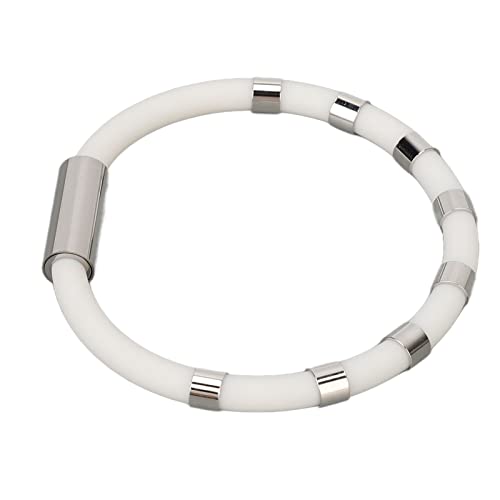
Wearable anti-static wristbands are helpful for people who spend long hours working at desks or handling sensitive electronics. Everyday silicone wristbands feature conductive plates that sit directly against your skin to help balance body charges. If you work on computer components, make sure to pick a grounded wrist strap that includes an alligator clip to attach to a grounded metal frame. For general everyday comfort around the house, pick an adjustable, flexible silicone band that fits snugly against your wrist without pinching.
Room humidifiers offer the most effective long-term fix by attacking dry air directly. A good humidifier restores the moisture in the air that indoor heaters strip away, protecting your skin, furniture, and electronics all at once. Check the square footage rating on the packaging to make sure the unit matches the size of your room. Look for models with large water tanks that run through the night without refills, and choose a design with a wide tank opening that is easy to reach inside and scrub clean.

- BWP Score10.0
BWP Score is a ranking system developed by Bestwinterproducts.com. BWP score has no relationship or impact from any manufacturers or sales agent websites. Learn more
- BrandN/A

- BWP Score10.0
BWP Score is a ranking system developed by Bestwinterproducts.com. BWP score has no relationship or impact from any manufacturers or sales agent websites. Learn more
- BrandDiycoming

- BWP Score10.0
BWP Score is a ranking system developed by Bestwinterproducts.com. BWP score has no relationship or impact from any manufacturers or sales agent websites. Learn more
- BrandMajosta

- BWP Score9.4
BWP Score is a ranking system developed by Bestwinterproducts.com. BWP score has no relationship or impact from any manufacturers or sales agent websites. Learn more
- BrandStatic Guard

- BWP Score9.4
BWP Score is a ranking system developed by Bestwinterproducts.com. BWP score has no relationship or impact from any manufacturers or sales agent websites. Learn more
- BrandLERNER PUBLISHING GROUP

- BWP Score8.4
BWP Score is a ranking system developed by Bestwinterproducts.com. BWP score has no relationship or impact from any manufacturers or sales agent websites. Learn more
- BrandSWEETHOMEDECO
- BWP Score8.0
BWP Score is a ranking system developed by Bestwinterproducts.com. BWP score has no relationship or impact from any manufacturers or sales agent websites. Learn more
- BrandBetued

- BWP Score7.2
BWP Score is a ranking system developed by Bestwinterproducts.com. BWP score has no relationship or impact from any manufacturers or sales agent websites. Learn more
- BrandLvseeman

- BWP Score6.2
BWP Score is a ranking system developed by Bestwinterproducts.com. BWP score has no relationship or impact from any manufacturers or sales agent websites. Learn more
- BrandWTGID

- BWP Score-
BWP Score is a ranking system developed by Bestwinterproducts.com. BWP score has no relationship or impact from any manufacturers or sales agent websites. Learn more
- BrandGeneric

- BWP Score-
BWP Score is a ranking system developed by Bestwinterproducts.com. BWP score has no relationship or impact from any manufacturers or sales agent websites. Learn more
- BrandLICAEVEY
Last update on 2026-10-03 / Affiliate links / Images, Product Titles, and Product Highlights from Amazon Product Advertising API
FAQs
Can static electricity in the house cause an electrical fire?
Static sparks from doorknobs and blankets do not carry enough heat to ignite solid household items like wood, drywall, or carpet. However, a static spark can ignite flammable vapors, such as aerosol sprays, cleaning solvents, or gasoline fumes. Keep flammable chemical containers sealed tightly and never spray aerosol cleaners near open static sparks or heating equipment.
Why do I constantly shock my cat or dog in the winter?
Animal fur is a strong insulator that collects large amounts of electrical charge as your pet moves across rugs, blankets, and furniture. When you reach out to pet them with dry hands, the accumulated charge jumps between your hand and their fur. Rubbing a small dab of pet-safe moisturizing balm on your own hands before petting them can help stop the zaps.
Does wearing rubber-soled slippers make static shocks worse?
Rubber soles make static shocks significantly worse because rubber is a powerful electrical insulator. As you walk across carpets, your body gathers electrical charges that cannot escape through the rubber soles into the floor. The charge remains trapped on your body until you reach for a metal conductor, causing a sharp shock.


Best Warm Winter Scarves 2026 For Cozy Comfort

Best Green Ski Goggles 2026 For Clear Vision On Slopes

12 Best Corner Electric Fireplace 2026: My Ultimate Guide To Pick One

Best Battery Powered Snow Blower 2026 For Effortless Snow Clearing

Best Ski Goggles Under 30 Inches For Crisp Vision And Comfort

Best Cooling Scarf 2026 For Instant Relief And Comfort

Fake Snow for Grass: Create a Realistic Winter Lawn Display

Dimplex Prism Wall Mount Fireplace: Sleek Heat With Modern Flame Style





