
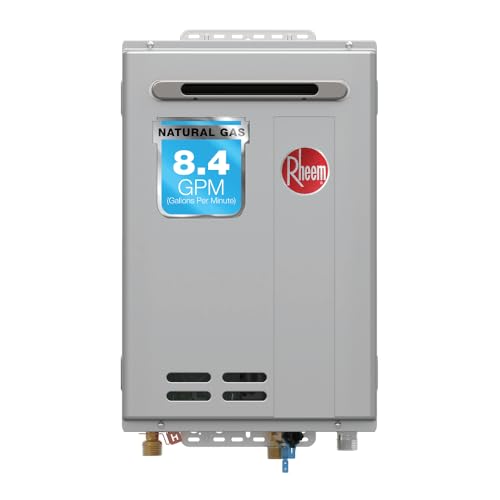
Skip complex venting retrofits and drain lines. See when a non-condensing water heater beats condensing models on installation ease and shower capacity.

Yes, you can install a tankless heater in a condo if your panel has the amperage and HOA bylaws allow it. Check circuit limits and ventless electric setups.

Modern oil heaters can run continuously because thermostats cycle power. Plug directly into the wall, keep three feet of space, and turn off when away.
Yes, you can add a tankless water heater to an existing system, but breaker panel capacity and water line sizes determine whether you need utility upgrades.

Keep your tankless heater on for quick trips since it uses no idle energy. For long winter vacations, shut it down and drain the unit to prevent frozen pipes.

Running a space heater 24/7 is not safe. Continuous use strains wall outlets and sharply raises fire risks. Here is how to keep a freezing room warm safely.

Yes, you can run two space heaters at once, but only on separate circuits. Check which outlets are safe to use so you stay warm without tripping a breaker.
Yes, heat pump water heaters can go indoors if there is enough air to pull heat from and a place to drain water. Tight closets need louvered doors or ducts.

Flexible water heater connectors are code-legal when certified. Use corrugated stainless or braided lines for a secure, leak-free setup without soldering.
Venting layouts and drain needs dictate your tankless match. Weigh condensing against non-condensing units to avoid unexpected plumbing overhauls.

Weigh electric baseboard running costs against natural gas plumbing demands to choose the right room heater and avoid surprising winter utility bills.
Yes, natural gas heaters produce carbon monoxide if burners lack air or vents clog. Spot warning signs like yellow flames, watch for symptoms, and stay safe.
Yes. A hot water leak forces electric heating rods to run constantly, spiking your bill. Check where the water comes from and how to safely shut it off.

Only insulate your gas water heater if the tank feels warm to the touch. Keep blankets away from the burner and exhaust vents to avoid fire and gas hazards.
Yes, you can run a space heater on a generator if running watts cover the draw. Lower your heat setting and use a thick cord to avoid tripping breakers.

Oil-filled radiators and micathermic panels prevent allergy flare-ups by warming rooms without blowing dust, scorching dander, or drying out sinuses.
Solar heaters cannot warm a home year-round on their own. Short winter days and dark, freezing nights mean you need a dependable backup heater to stay warm.
Solar heaters work in below-freezing weather because sunlight generates the heat, but short winter days and snowy skies make backup heating essential.
Solar heaters work well with water-pipe floor heating, but you need an insulated storage tank and a backup heater to keep rooms warm through freezing nights.
Yes, solar heaters work for commercial spaces to cut fuel bills, but they serve as helper systems that need standard backup on freezing or cloudy days.





