

Yes, solar heaters warm pool water reliably without energy bills, but real warmth depends on matching collector square footage to pool volume and pump flow.
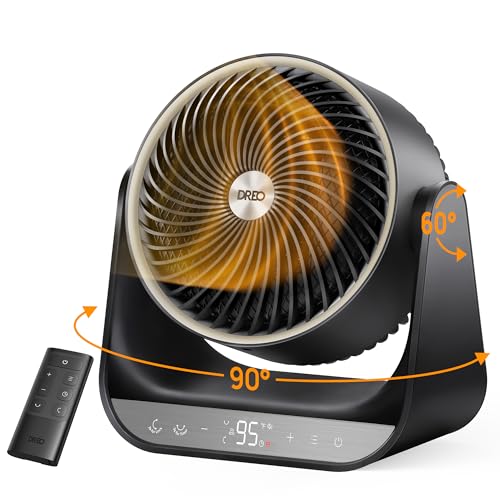
Running a space heater in your basement usually drives power bills up, not down. Cold foundation walls soak up the heat before it can warm upstairs floors.

Quartz tubes are actually infrared. Pick direct radiant quartz for fast spot heat at a desk, or an enclosed cabinet heater to warm an entire room safely.

Yes, solar thermal systems work well with radiant floor heating, but you still need an insulated storage tank and a backup heat source for cloudy days.

Yes, dedicated heat pump tanks heat household water using indoor air. Check room size needs, drainage, and how hybrid backup coils prevent cold showers.
You can lay a new water heater flat to haul it home, but keep the gas valve facing up and pad the tank to avoid cracking the fragile inner glass lining.
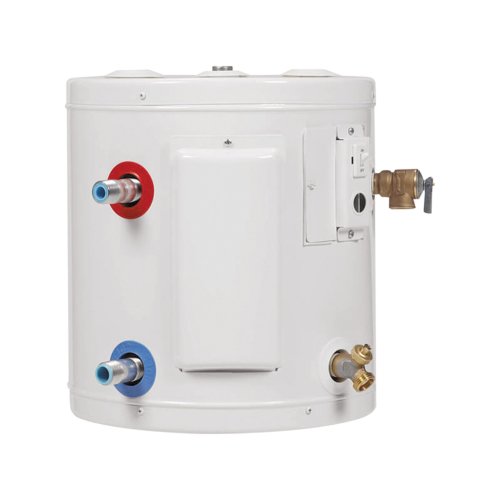
Tougher tanks prevent rust, while smart water heaters alert you to leaks. Match tank lifespan, electrical panel limits, and local part access to your home.
Yes, strong winds can push down the vent pipe and blow out your pilot light. Check for gas smells, follow safe relighting steps, and keep gusts outside.
You can pipe heat pump water heaters in series, but parallel works better. In series, the first tank does almost all the heating and wears out much faster.
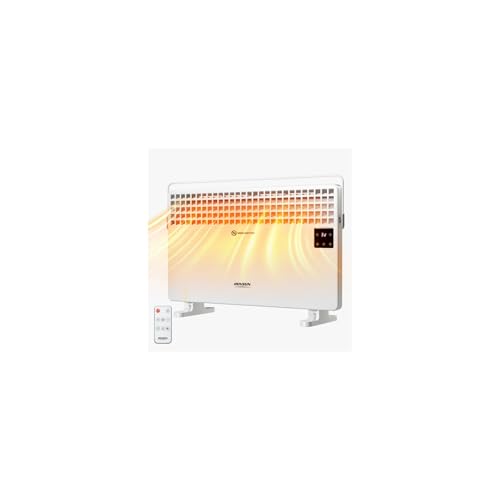
Replace noisy blowers and dry air with silent convection heat. Slim wall panels spread gentle warmth evenly, keep dust down, and trim winter electric bills.
Extend your swim season by weeks without raising your electric bill. Match collector sizing to your pump flow to gain up to 15 degrees from spring into autumn.

Stop baking one spot while the rest of the room freezes. Wide oscillation spreads even warmth corner to corner: match the right sweep angle to your space.
Solar heaters reliably warm pool water with zero electric costs. Match collector surface area and pump flow properly to avoid backpressure and chilly swims.

Weigh direct electric blanket warmth against space heater room comfort to stay cozy on the couch or in bed without spiking your winter electric bill.
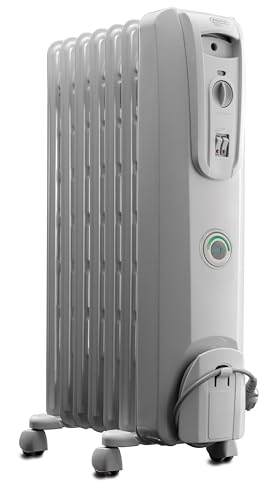
Avoid winter bill shock from continuous 1500W draw. Stepped wattage controls, cycling thermostats, and thermal oil retention keep heating power predictable.
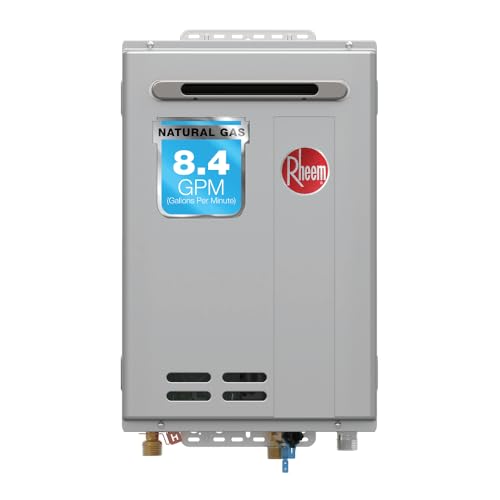
Condensing models need a drain line; non-condensing units demand costly metal venting. Match your layout to the right heater to avoid surprise plumbing bills.
Blend a radiant heater into your living space using flush wall mounts, painted cord channels, and open lines of sight that keep warmth direct and drapes safe.

Homeowners can safely install small point-of-use units, but whole-house tankless heaters usually require a professional for wiring, venting, and gas lines.
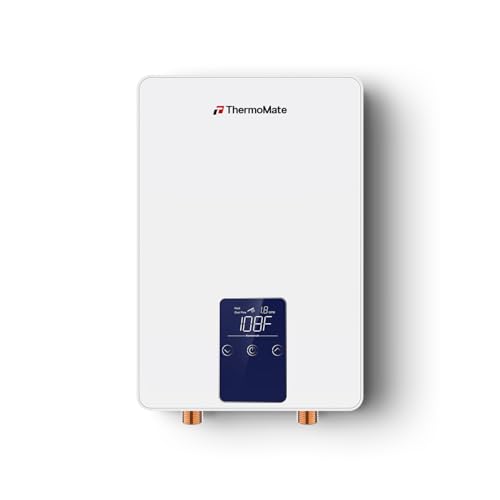
Endless hot water is tempting, but electrical panel service and groundwater temperature decide if swapping your storage tank for a tankless unit works.
Weigh lower monthly gas bills against electric panel upgrades. Compare venting, recovery rates, and household demand to avoid costly installation surprises.





