

Electric heaters can serve as primary heat, but 120V plug-ins fall short. Match dedicated 240V power and true primary square footage for steady winter warmth.

Standard heat pump water heaters cannot sit unprotected outside. An insulated outdoor closet or split system prevents freeze damage and protects your warranty.

Shield tender greenhouse plants from overnight freezes with moisture-safe heaters that cycle accurately and circulate steady warmth without scorching leaves.
Pair a modern heater with heat-safe slate, river rock, and ceramic tile while keeping wooden furniture and indoor plants outside the three-foot safe zone.
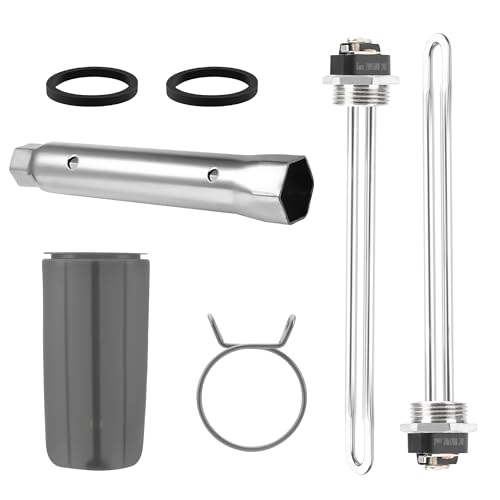
Swap the heating elements if your tank is under 10 years old and leak-free. If you see rust or pooling water, replace the entire water heater instead.
Set your heater to 68 degrees, drop it at night, and use auto-off timers or ECO mode to keep your room warm without driving up your electric bill.
Warm a cold room from your phone without risking a fire. Check your heater switch type, choose a 15-amp smart plug or hub, and control your heat safely.
You can hang the heater and cut the vent yourself, but gas hookups often need a pro. Check key clearances and code rules to prevent carbon monoxide leaks.
Yes, solar heating panels mount on rooftops to warm air or water, but indoor heaters stay inside. Check roof direction, weight limits, and leak protection.
Solar heaters connect with heat pumps through a shared water tank. A smart controller uses free sun first to keep your home warm on cloudy winter days.
Radiant heaters warm your body directly like sunshine instead of heating the air. That makes them ideal for drafty spots, but poor for warming a whole room.
Warm air rises fast, turning uninsulated roofs into heat leaks. Trapping that warmth allows your heater to cycle off sooner and cut winter power bills.
You can add solar heat without replacing your furnace. Air panels and water collectors connect right to existing ductwork, baseboards, or cold rooms.
Cut winter bills by matching a heat pump or gas furnace to your climate, checking efficiency ratings, and sizing the unit correctly to avoid wasted fuel.

Solar heaters cannot keep a home warm alone in winter. They lower daytime heating bills, but freezing nights and cloudy storms always require backup heat.

An outdoor tankless water heater cannot run indoors because exhaust fumes create a deadly carbon monoxide risk. Check your unit label for safe indoor ratings.
Clean a portable heater once a month while in use, plus at season start. Clearing out vent dust stops burning smells, sudden shut-offs, and fire risks.
Hire a licensed heating contractor or certified plumber to install a gas wall heater. Make sure they can run the pipe, cut the vent, and pull city permits.
Keep open space around vents, face intake grilles outward for fast vacuuming, and leave the plug visible to make routine heater cleaning quick and safe.

Fix chilly rooms without noisy fans or high electric bills. Convection baseboard heating delivers silent, steady zone warmth where central heat falls short.





