

Prevent carbon monoxide and fire hazards by keeping three feet of clearance, cracking a window for fresh air, and never running a gas heater while sleeping.
Yes, ventless fuel heaters can cause carbon monoxide poisoning if fuel burns poorly. Check the danger signs, safe flame colors, and room ventilation rules.
Aim your radiant heater where you need it most. Set the right mounting height, keep an open line of sight, and maintain safe clearance from furniture.
A 220-volt water heater will run on 110 volts, but power drops to 25 percent. Water heats four times slower, which affects daily showers and wiring safety.
Plug your oil radiator straight into a wall outlet, keep three feet of clear space around it, and set it on a level floor to heat your room safely all night.
Yes, solar heaters pair directly with existing furnaces and heat pumps. See how simple controls switch to backup heat so your home stays warm on cold nights.
Yes, a water heater blast can be fatal from violent force or scalding water. Spot urgent warning signs like loud hissing, and know when to evacuate safely.

Electricity warms permanently sealed oil inside metal fins, radiating silent heat across the room without burning fuel, creating fumes, or needing refills.
Flushing rarely fixes weak pressure in a tank, though it helps tankless units. Find what actually slows your hot water and how to check your faucet screens.
Match heater wattage to your room size, prevent tripped breakers on shared bedroom circuits, and choose the key safety shutoffs for steady, quiet warmth.
Yes, commercial solar systems can handle factory preheating and washing, but facilities still rely on standard boilers to keep lines running after dark.

Propane can heat an entire home, but only through permanent, vented systems. Portable space heaters bring severe moisture risks and violate building codes.
Solar heaters handle sudden cold snaps by storing warmth in water or batteries, while thermostats and backup heaters step in when cloudy skies linger.
Solar heaters work well in humid air, but clouds reduce heat and dampness rusts outdoor parts. See how dew, rain, and panel design affect daily warmth.

Yes, outdoor-rated tankless heaters work safely outside. Check for windproof combustion, rain shields, and freeze-drain valves to prevent cracked pipes.
Solar heaters produce zero emissions while running, but their full environmental impact depends on equipment manufacturing and proper battery recycling.
Yes, you can install a tankless water heater in an attic, but you need a drain pan to stop ceiling leaks, freeze protection, and room for yearly maintenance.
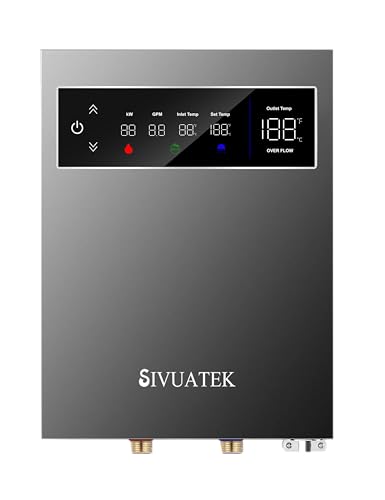
Yes, you can install a tankless water heater in a closet. Electric units need open clearance, while gas models require outdoor venting and steady fresh air.
Check if your water heater allows an approved kit, see how to swap burner nozzles safely, and learn why propane pressure requires specific replacement parts.

Small 120-volt under-sink units are safe to install yourself, but whole-house gas and electric heaters require heavy wiring, permits, and licensed help.





