

Mount the Titan heater upright, connect water lines, and wire the circuit safely. Flush out trapped air before restoring power to protect the elements.

Flush mineral buildup out of your water heater with a garden hose to stop popping noises. Cut power first, clear blocked valves, and prevent tank leaks.
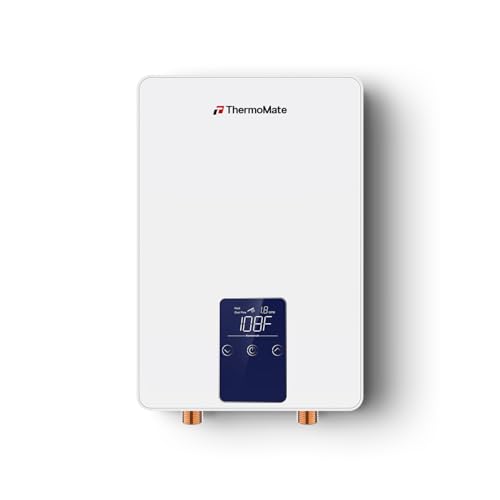
Small sink heaters use 1,500 to 3,000 watts, but whole-house units pull up to 36,000. Check what your electrical panel can handle to avoid tripping breakers.

Avoid cold showers and electrical panel overhauls by matching tankless, mini-tank, or storage water heaters to your available amps and hot water demand.

Ceramic towers push fast airflow across drafty spaces, while oil radiators provide silent, even warmth without cold spots. Match the right style to your room.

Warm yourself instead of empty air. Choose between instant spot heat and steady oil radiators, then pick the right wattage to keep your electric bill down.
Warm your body instead of the room air. Aim your radiant heater with a clear line of sight and clean the reflector to stay warm while cutting electric costs.

Match directional ceramic heat or radiant infrared warmth to your room size to eliminate cold drafts, cut disruptive blower noise, and ensure reliable safety.

Vet reputable water heater manufacturers by checking verified safety listings, durable tank linings, and electrical compatibility to avoid costly leaks.
Radiant heaters warm your skin and furniture directly like sunshine instead of heating the room air. Clear line of sight is key to avoiding cold spots.
Run an electric heat pump during warm daylight hours and a gas heater a few hours before you swim to stop losing expensive heat to cold night air.
Drain your water heater once a year in early fall, or every six months with hard water. Clear loose sediment on a quiet morning to prevent rumbling and leaks.
Safely unhook the gas line, map out wall clearances in the new spot, and see which heater moving steps you can do yourself versus when to call a plumber.
Lower high heating bills by improving airflow. Routine filter swaps, unblocked vents, and sealed duct seams keep your central heater running efficiently.
Soundproofing your walls helps trap warmth and cut heating bills, but putting acoustic materials on the heater itself blocks airflow and creates a fire risk.
Insulation stops heat from slipping through cold walls and ceilings, keeping rooms cozy and letting your heater shut off sooner to lower electric bills.
Yes, new builds let you seal framing gaps before drywall goes up. That tight shell traps heat so your heater runs far less often, cutting power use and wear.
End temperature swings without leaving the sofa. Select heaters with single-degree digital thermostats, broad oscillation, and full remotes for steady warmth.
Blocking drafts keeps heat inside so your heater cycles off naturally. Giving the motor and heating elements regular breaks prevents early burnout.
Use surface area, temperature gaps, and R-values to calculate how much insulation cuts hourly heat loss, shortens heater runtimes, and trims electric bills.





