.jpg)
Patricia Bailey, a seasoned female editor from Chicago, is esteemed for her detailed reviews and comprehensive guides on winter and outdoor products. Her authoritative voice in the industry stems from two decades of hands-on experience.

Blocking drafts keeps heat inside so your heater cycles off naturally. Giving the motor and heating elements regular breaks prevents early burnout.

Baseboard heaters cut winter bills by warming only the room you use. Turn down your central heat, shut the door, and stop wasting power on empty rooms.
Heat the room on high, then turn the dial down until it clicks. Stop room temperature swings and set unnumbered heater controls without wasting power.

Prevent midnight flapping and dropped egg counts with silent, zero-light radiant heaters. Keep roosting hens warm and fire-safe through freezing winter nights.

This 1500W oil radiator is worth it for silent, steady bedroom heat up to 300 square feet, but skip it if you need an instant blast of hot air.
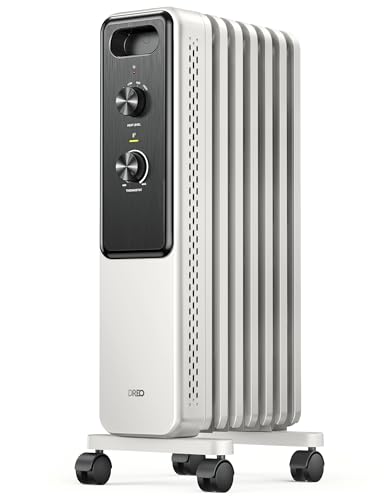
Oil radiators provide steady, silent warmth for closed bedrooms up to 300 square feet, but they take time to warm up and struggle in drafty open spaces.

Prevent ventilation hazards and cold spots by matching high-output space heaters or indoor-safe portable radiant models to your square footage and tank setup.
Solar heaters cut pollution by warming rooms with sunlight instead of burning gas or oil, though cloudy days and night hours still require smart backup heat.

Stop tripping over propane hoses. Balance enclosed rolling tank storage against portable fan-driven heat to pick the right propane setup for your workspace.

Avoid tripped breakers and dead sections in freezing storms. Match outdoor multicolor lights by waterproof rating, strand limits, and bulb style for your yard.

Weigh quiet cordless hybrid mobility against high-BTU forced-air power to heat your workspace without battling deafening combustion roar or cord limits.

This 2-in-1 tower fan heater is worth it for quiet, single-room warmth and daily breeze, but it will not replace an air conditioner or heat a whole home.
Total installation costs split between the unit and labor. Needed home updates for exhaust venting, gas lines, or electrical panels shape your true bill.

Warm a freezing garage without the jet-engine roar. Balance quiet burner designs against forced-air blower power to match your square footage and propane tank.

Most tankless water heaters need 30 to 50 PSI to work well and at least 15 PSI to turn on. Check your home pressure and stop sudden cold showers mid-wash.

Stop popping sounds and restore hot water. Follow simple steps to flush out loose mineral grit from a tank or circulate a descaler through tankless coils.
Standard gas tanks use flame heat on a metal probe to open the gas valve without house power. Check if your heater works in a blackout or needs a wall plug.

No, they use different burner nozzles and gas valves. Hooking the wrong fuel to a water heater creates serious fire risks, but some units can be converted.

Point your infrared heater directly toward where you sit with an open line of sight, and keep at least three feet of clear space away from curtains and beds.
Sell a working water heater on local marketplaces, or bring a broken tank to a scrap metal yard for cash. See how to price, drain, and prep it for pickup.






