Electric heaters work safely in older homes if you match wattage to vintage wiring. Run lower power settings to warm drafty rooms without tripping breakers.
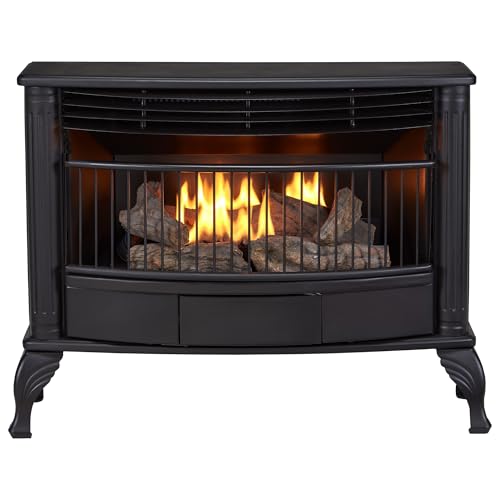
Vent exhaust outdoors and keep rooms warm during winter power outages. Match direct-vent natural gas wall heaters to your square footage and off-grid needs.
Oil heaters use sealed fluid for silent, steady heat without refills. Electric fan heaters blow fast warmth instead, making them better for quick spot heating.
A 1500-watt infrared heater uses 1.5 kilowatt-hours an hour. Calculate your exact running cost from your electric bill and manage settings to avoid bill spikes.
Safe placement requires a flat, dry floor, three feet of clear space, and a wall outlet. Keep heaters out of damp bathrooms and away from soft bedding.
Keep your 60-gallon tank stable without risking a lethal overheat. Compare 300W and 500W titanium and quartz heaters with auto shut-off and dry-run safety.
Ventless gas heaters are safe for quick backup warmth if sized right with working sensors, but running them continuously indoors traps fumes and moisture.
Installation costs depend on building a DIY air heater or hiring a pro for whole-home setups. Plan for equipment, labor, roof permits, and plumbing fees.
Ducted central heating warms every room evenly, keeps equipment hidden away, and filters indoor dust. See how whole-home heat compares to room-by-room units.
Weak hot water usually means sediment buildup or a partly closed heater valve, not bad home pipes. Check hot versus cold flow to pinpoint the real issue.
Plumbers fix gas lines and water boilers, while forced-air furnaces need a heating technician. Call the right trade first to avoid wasted service fees.
Yes, all propane heaters produce carbon monoxide exhaust. Burning fuel creates fumes, but good ventilation and a clean blue flame keep enclosed spaces safe.
Shut off power and gas safely without stepping into water. Never restart a flooded heater: soaked parts create fire risks and require full replacement.
Poor insulation lets warmth escape fast, forcing your heater to run constantly and spike electric bills. Here is how wall ratings control runtime and comfort.
Inspect the cord for heat damage, wipe dust from the fins, and check seams for oil leaks. The unit is factory-sealed, so you never need to add or change oil.
Confirm three feet of open space, feel cords and wall plates for excess heat, and verify the thermostat cuts off before leaving your new heater running.
Move trapped ceiling heat down and cut power bills using circulation fans, draft stoppers, and heavy-duty timers, while avoiding dangerous fin add-ons.