

Weigh indoor-safe radiant heat against high-output forced-air blowers to warm your enclosed garage or drafty jobsite without fumes, noise, or wasted fuel.
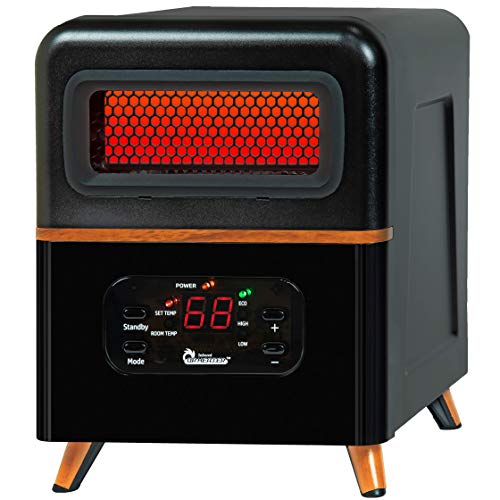
Infrared heaters warm people and furniture directly with invisible heat rays like sunlight, heating you instantly instead of trying to warm all the drafty air.

Sudden icy shower bursts happen when cold water gets trapped between heating cycles. Fix them by adjusting flow, cleaning filters, or adding a buffer tank.
Set your expansion tank to match household water pressure, thread it onto the cold supply pipe, and brace the fitting properly to prevent leaks and damage.
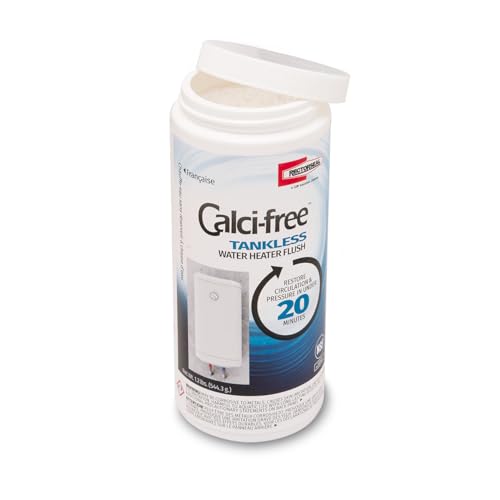
Stop mineral buildup from cooling your shower. Safely isolate the tankless heater valves, run a descaler flush, and clean the inlet filter in simple steps.
Seal cold drafts around windows and doors to trap warm air inside. Help your heater reach its target temperature faster and cycle off to cut electric bills.
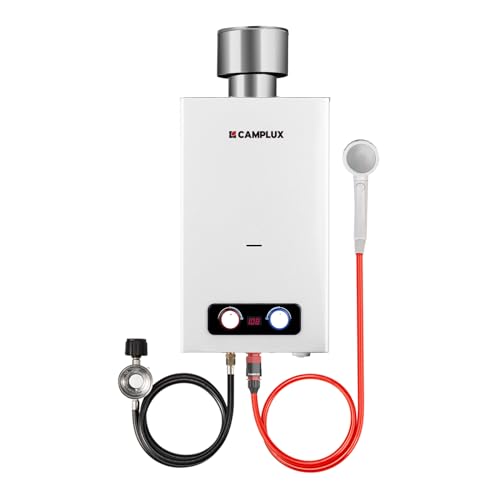
Stay warm and avoid shelter hazards by evaluating radiant propane heaters for low-oxygen sensors, tip-over shutoffs, and 1 lb versus 20 lb tank hookups.
Insulation traps heat like a heavy blanket so your room stays evenly warm, letting the heater shut off to save electricity instead of running non-stop.

Standard water heaters create heat, while heat pumps pull warmth from the air into your rooms or water tank. See how hybrid units work before you upgrade.

Troubleshoot a gas heater that will not light or stay on. Check the gas valve, clean a dirty sensor, relight the pilot, and learn when to call a technician.

Weigh budget portable propane heaters against proven models by checking low-oxygen shutoffs, tip-over switches, and sub-zero valves to stay warm safely.
Smell gas near your heater? Spot leaking pipe joints with a soapy water check, see what is safe to tighten, and know when to shut off the valve and leave.

You can run an oil heater for hours or all night safely if it cycles on a thermostat. Keep three feet of clearance and plug directly into a wall outlet.

A standard tank water heater uses 3.5 to 5.5 kW while heating and runs 2 to 3 hours a day. Check your unit's label and see what it adds to your electric bill.
Mount your heater to wall studs with safe clearances, connect the gas line using gas-rated sealant, and do a soapy water bubble check before lighting.

Match your power source first, size capacity by peak shower use, and pick between tank and tankless models so your home never runs out of hot water.
Check for gas smells first, hold the knob on pilot, and press the push-button sparker. Safely relight your water heater and fix a flame that will not stay lit.

Electric tankless water heaters pull high wattage in short bursts, but shut off completely between uses. See how they affect your bill and breaker panel.
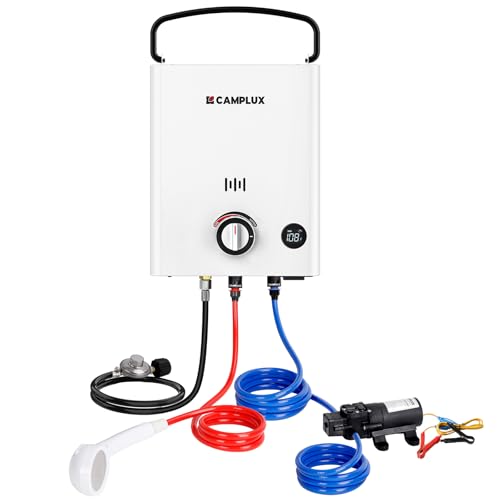
Keep cold garages and jobsites warm without risking dangerous fumes. Match heat output, dual-tank propane hookups, and low-oxygen shut-offs to your space.
Mini desk heaters warm your personal chair area directly without wasting power on empty air. Keep tight work surfaces clear and avoid tripped office breakers.





