

Stop burning odors and prevent fire risks before turning on your heater. Safely vacuum ceramic vents, wipe sealed radiator fins, and check cords for wear.

Warm your seating zone instead of the whole room. Position slim heaters along furniture lines to keep your open space cozy without clutter or trip hazards.
Balance your water lines with equal pipe lengths and fittings so both tanks share the work evenly. Double your hot water without burning out one heater early.

Stop popping sounds and restore hot water. Follow simple steps to flush out loose mineral grit from a tank or circulate a descaler through tankless coils.

Unproven propane heaters risk carbon monoxide and sudden shutdowns. Match certified low-oxygen sensors and square footage for safe, dependable warmth.
A gas burner heats cold water at the bottom of the tank so it rises to your taps, while vents and safety valves keep exhaust fumes and pressure under control.

Convection heaters pull cool air from the floor, warm it inside, and let it rise. Here is how that natural loop provides silent, even heat instead of a blast.

Winter in China spans December through February, but the north freezes from November to March. Pack the right clothes for regional cold and indoor heating.
Mount the unit, connect water lines, and wire your breakers safely. Check your home panel capacity and purge air first to avoid burning out the elements.

Weigh massive forced air heat and fan noise against quiet, cord-free portable warmth. Match your workspace square footage, outlet access, and fuel runtimes.
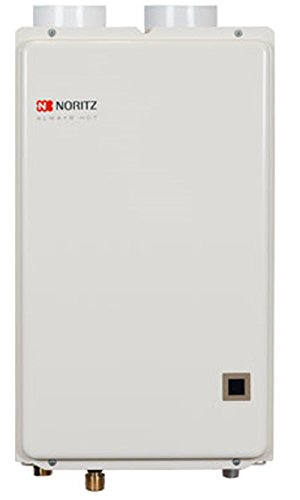
Noritz makes reliable tankless water heaters, but hard water, winter weather, and yearly maintenance dictate whether an upgrade is worth it for your home.

Whole-home gas tankless heaters use 140,000 to 199,000 BTUs. Match heating power to your household demand to stop cold showers and confirm your gas pipe size.

Most portable heaters draw 1,500 watts on high and 750 on low. That load pushes a 15-amp circuit near its limit. Check your rating to avoid tripped breakers.
Dark roof panels capture the sun's heat to warm your water tank, while an automatic backup heater keeps showers hot during freezing nights and cloudy days.
Standard gas tanks use flame heat on a metal probe to open the gas valve without house power. Check if your heater works in a blackout or needs a wall plug.
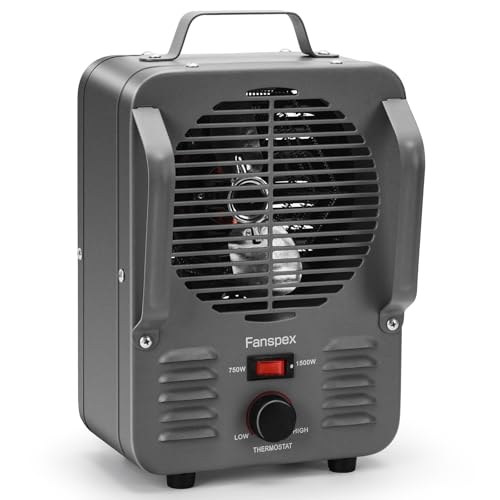
Most homes can safely run 2 to 4 space heaters at once, but only one per circuit breaker. Share the load across different circuits to avoid tripped power.

Fanless radiators offer true silence, but this 3rd-gen fan heater runs at a low 37 dB. Here is how that gentle hum holds up for light sleepers and desk work.

Weigh indoor-safe radiant heat against high-output forced-air blowers to warm your enclosed garage or drafty jobsite without fumes, noise, or wasted fuel.
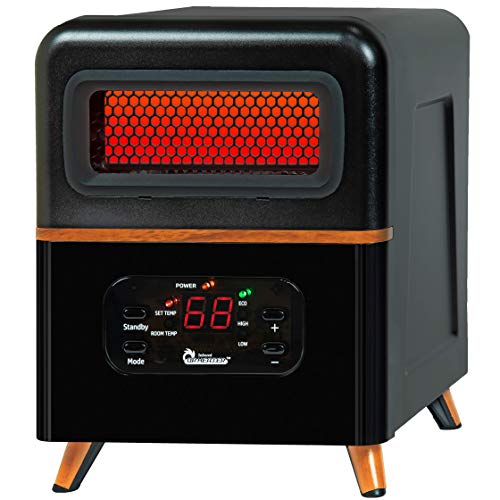
Infrared heaters warm people and furniture directly with invisible heat rays like sunlight, heating you instantly instead of trying to warm all the drafty air.
Sudden icy shower bursts happen when cold water gets trapped between heating cycles. Fix them by adjusting flow, cleaning filters, or adding a buffer tank.





